20 Most Iconic Racing Cars of All Time
I still remember the first time I heard an F1 engine scream on TV. It wasn’t just noise—it was a call. A call to speed. To power. To obsession.
Racing cars aren’t just machines. They’re legends born on tracks, baptized in fire, and remembered forever.
Some broke records. Some broke hearts. But all of them burned their names into racing history.
This isn’t just a list. It’s a tribute to the beasts that redefined what it means to go fast.
If you’ve ever felt your heart race from a rev, you’re in the right place.
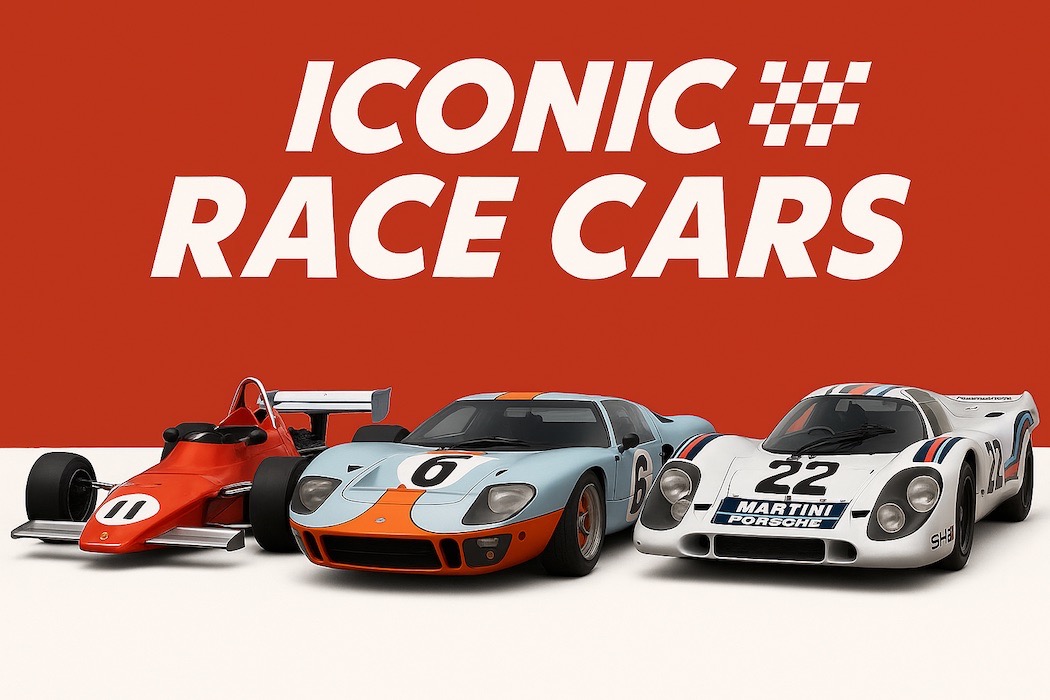
Let’s count down the 20 most iconic racing cars of all time— the ones that left tire marks on history.
20. Gurney Eagle-Weslake Mk I
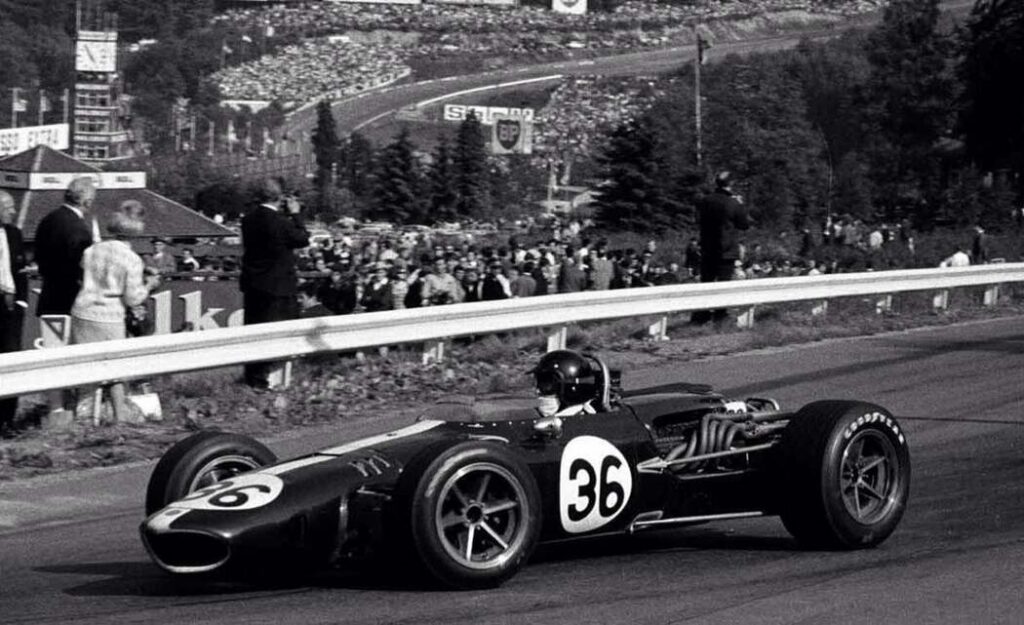
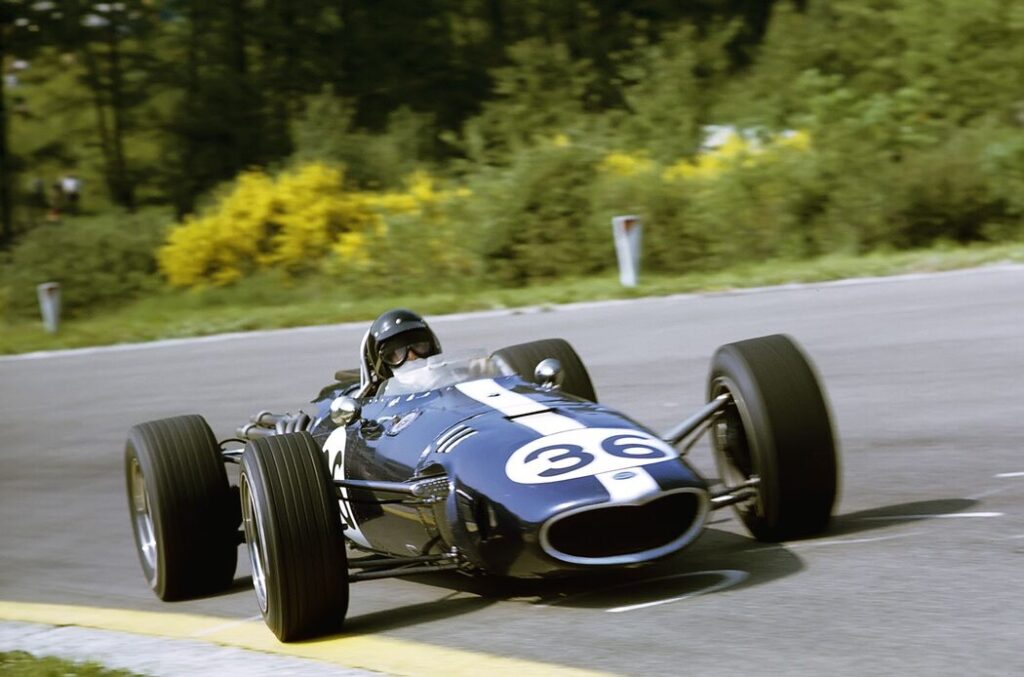

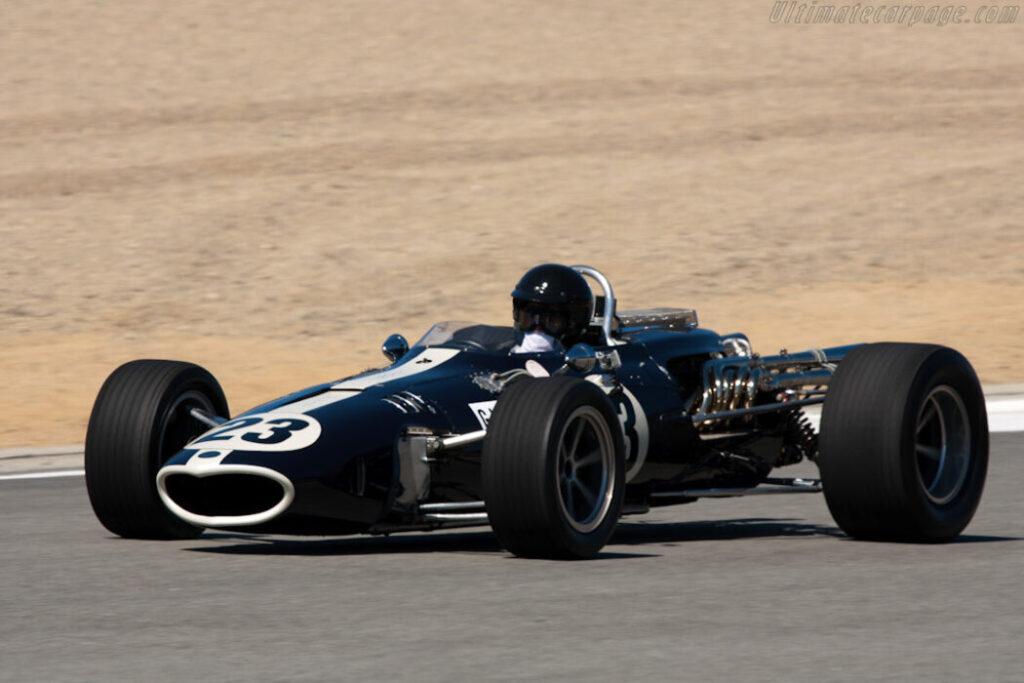

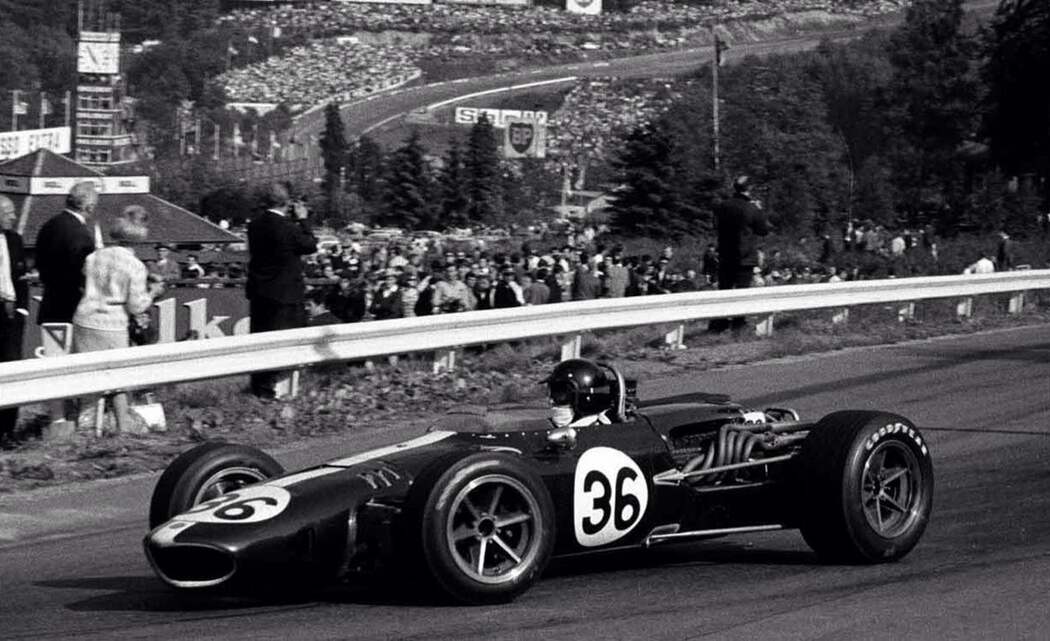
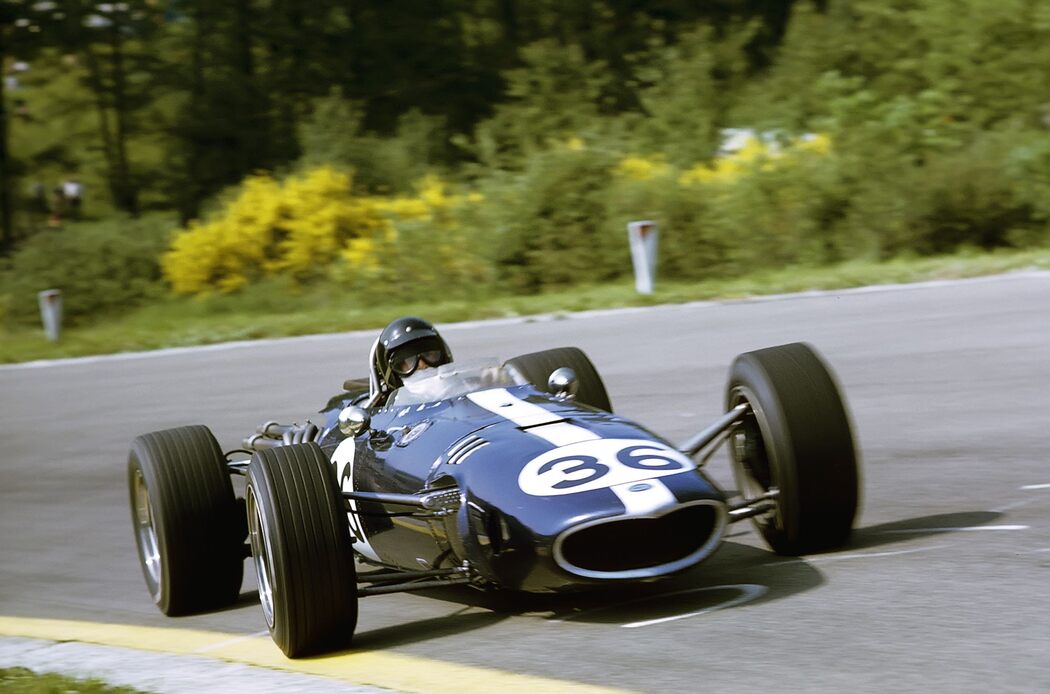
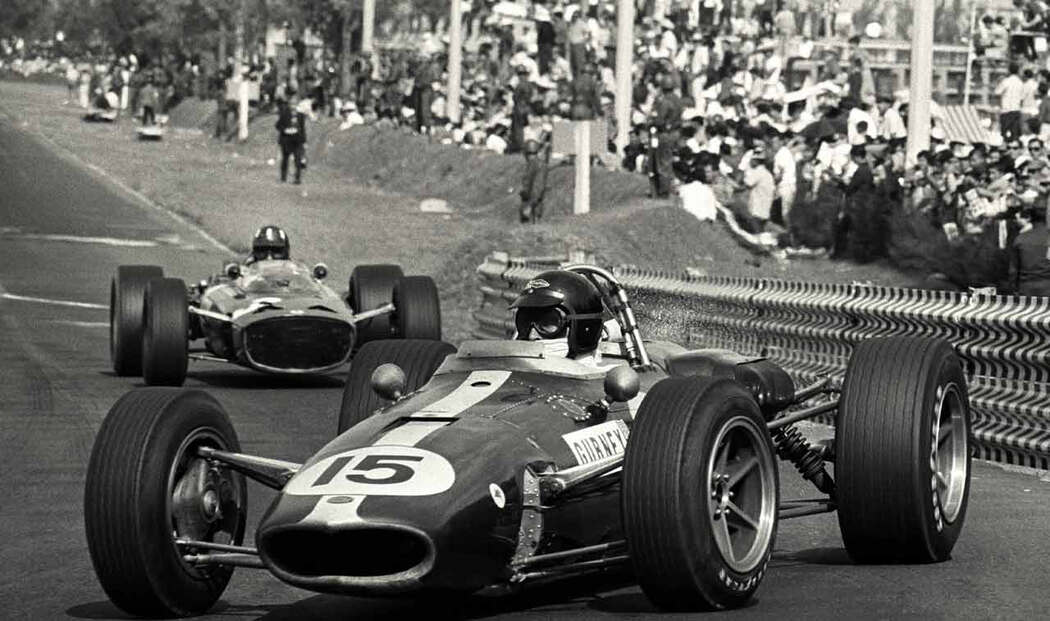

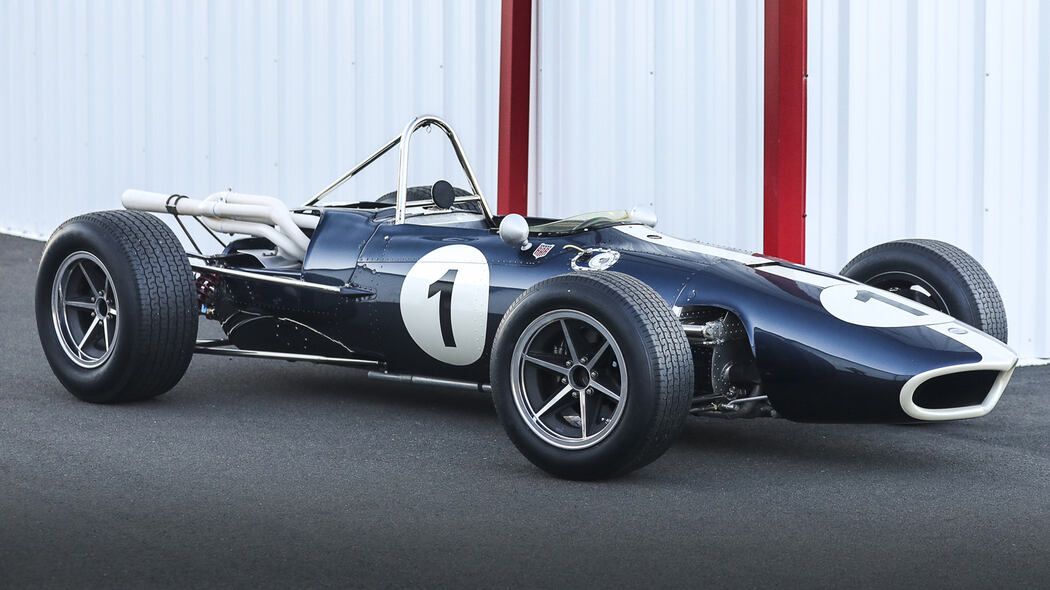
Image: Gurney Eagle-Weslake Mk I
There’s something about this car that just feels… pure. Like it was built with heart, not just tools.
The Gurney Eagle-Weslake Mk I wasn’t the most dominant. But it was one of the most beautiful, most daring, most personal machines ever to hit the track.
Dan Gurney didn’t just drive this car—he built it. American hands. American pride. European battleground.
Sleek. Light. Screaming with a V12 roar that could shatter silence. And when it took Spa-Francorchamps in ’67, it didn’t just win a race—it made history.
One man. One car. One unforgettable day.
Highlights:
- Historic Victory: 1967 Belgian Grand Prix (Spa)
- Grand Races: Formula 1 World Championship 1966–1968
- Driven by: Dan Gurney
Specifications:
|
Engine |
3.0L Weslake V12 |
|
Power |
400 hp |
|
Top Speed |
305 km/h |
19. Lancia Stratos
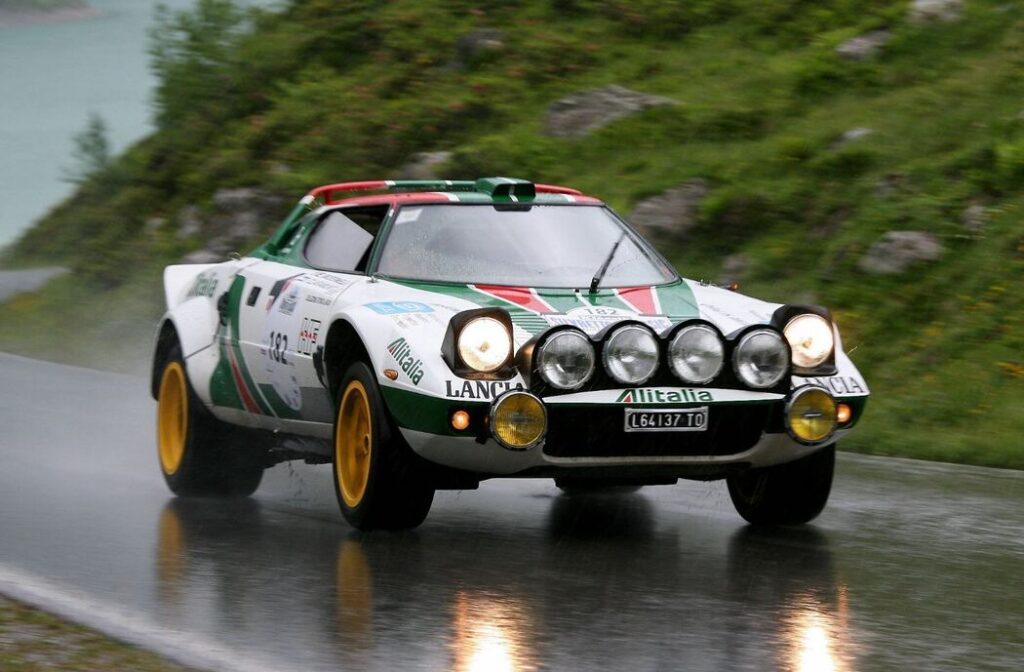
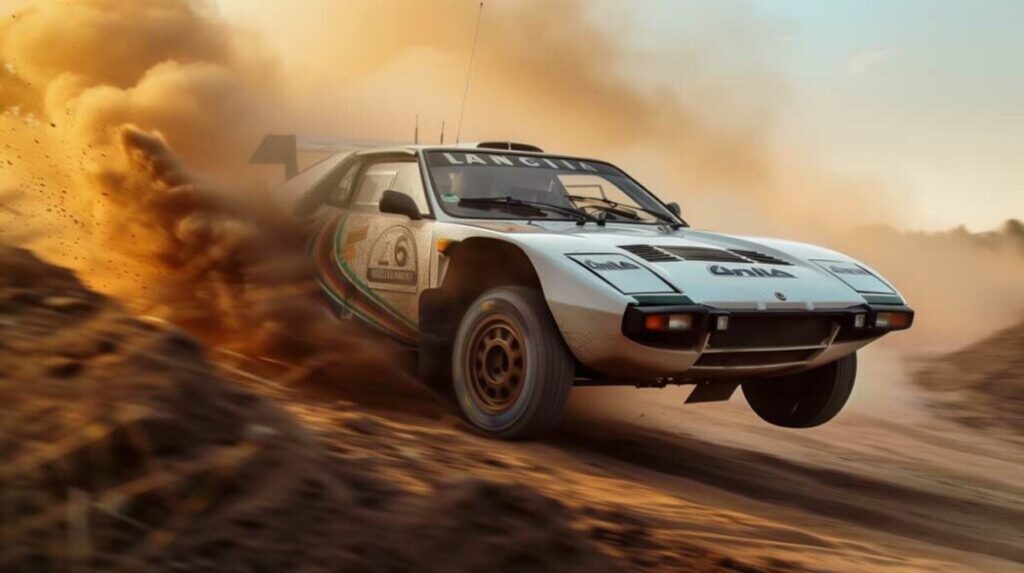

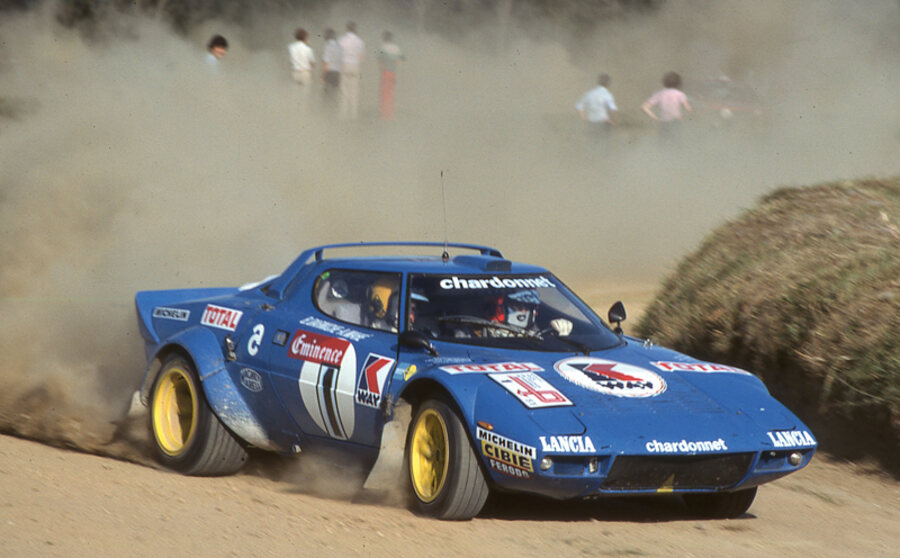
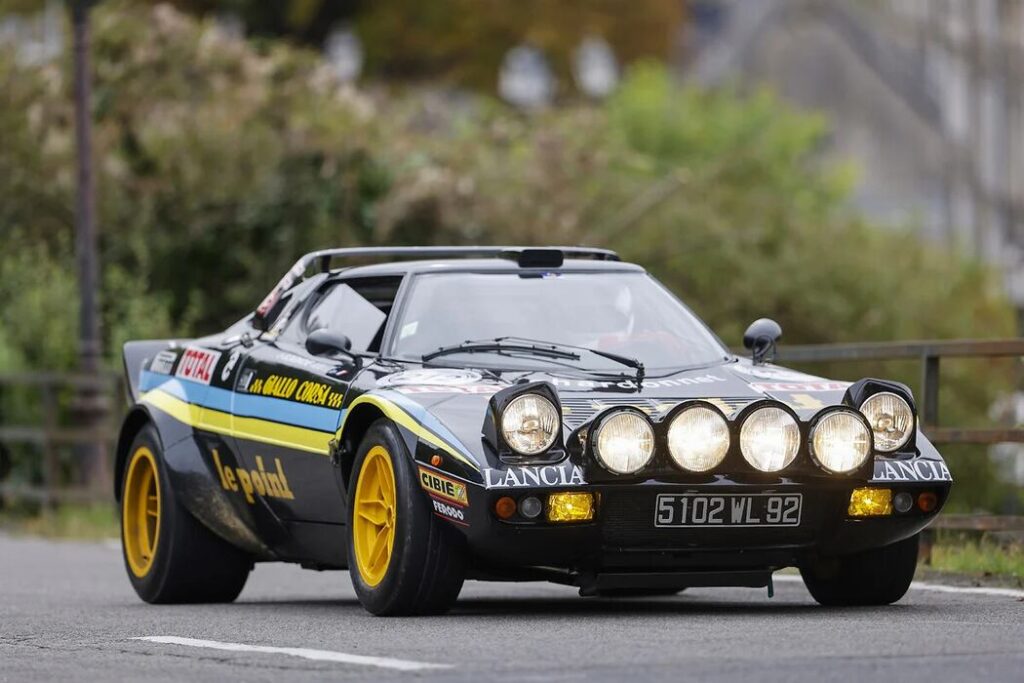
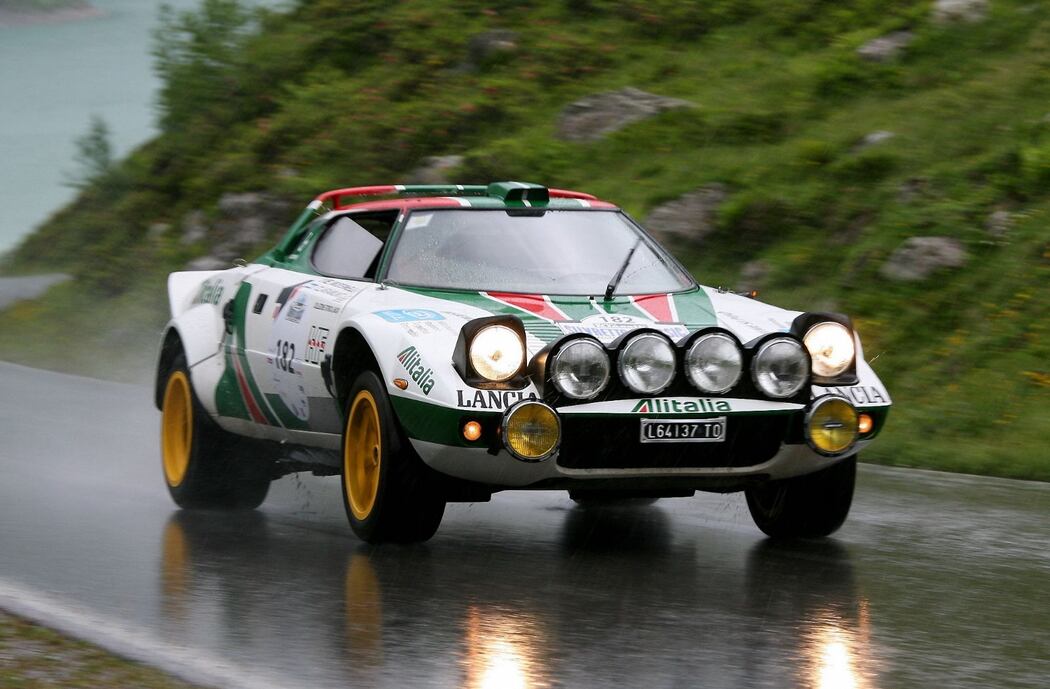
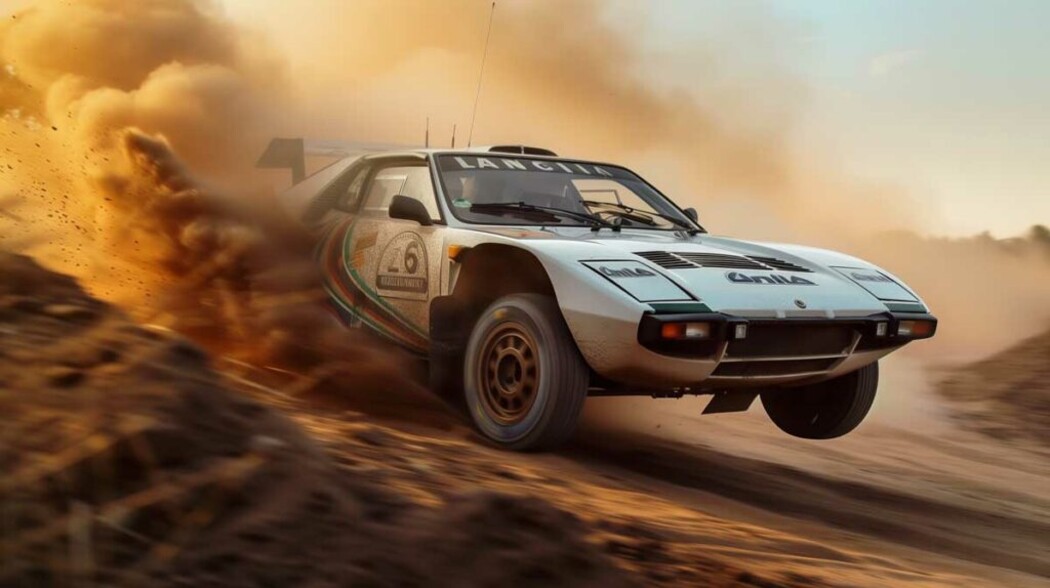
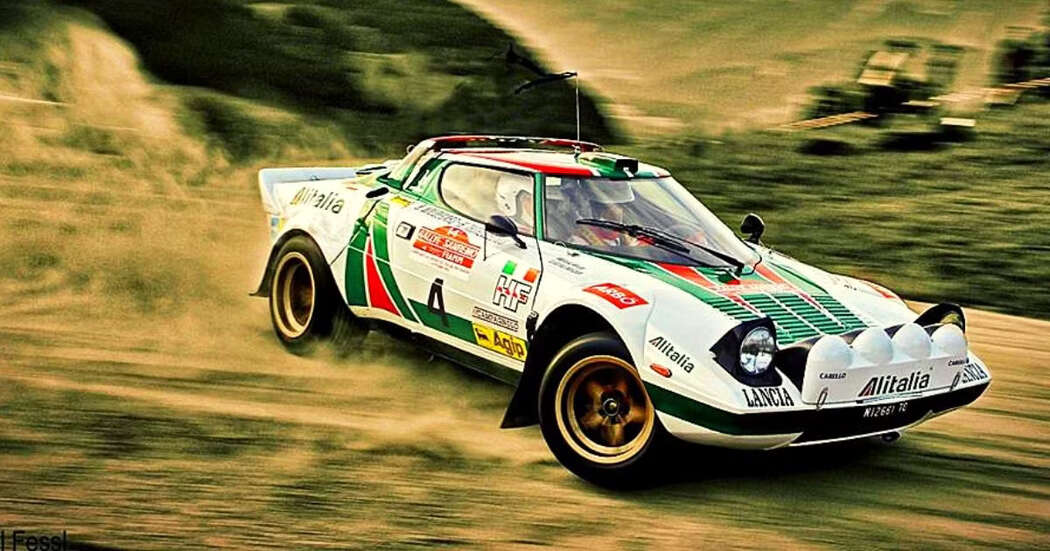
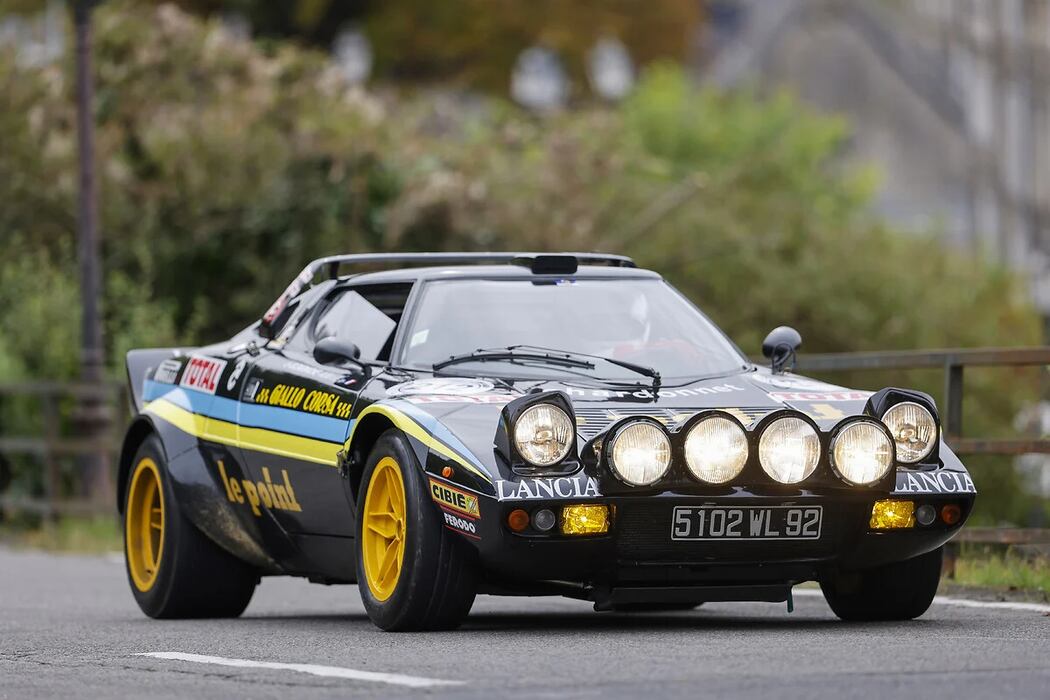
Image: Lancia Stratos
This car didn’t care about rules. It was wild, loud, and impossible to ignore.
The Lancia Stratos looked like it came from another planet. A wedge of aggression with curves that meant business.
It was born for chaos—tight corners, loose gravel, icy turns. And it didn’t just survive out there. It ruled.
With a Ferrari V6 snarling behind your seat and a body light enough to fly, the Stratos didn’t drive—it lunged, leapt, and tore through rally stages.
It wasn’t always easy to tame. But in the hands of fearless drivers, it was a monster no one could outrun.
Three straight world titles. A legend carved into every mountain road it crushed.
Highlights:
- Historic Victory: 1974-75-76 World Rally Championship title
- Grand Races: Monte Carlo Rally, Safari Rally, Tour de Corse
- Driven by: Sandro Munari, Björn Waldegård, Bernard Darniche
Specifications:
|
Engine |
2.4L Ferrari Dino V6 |
|
Power |
320 hp |
|
Top Speed |
225 km/h |
18. Mazda 787B
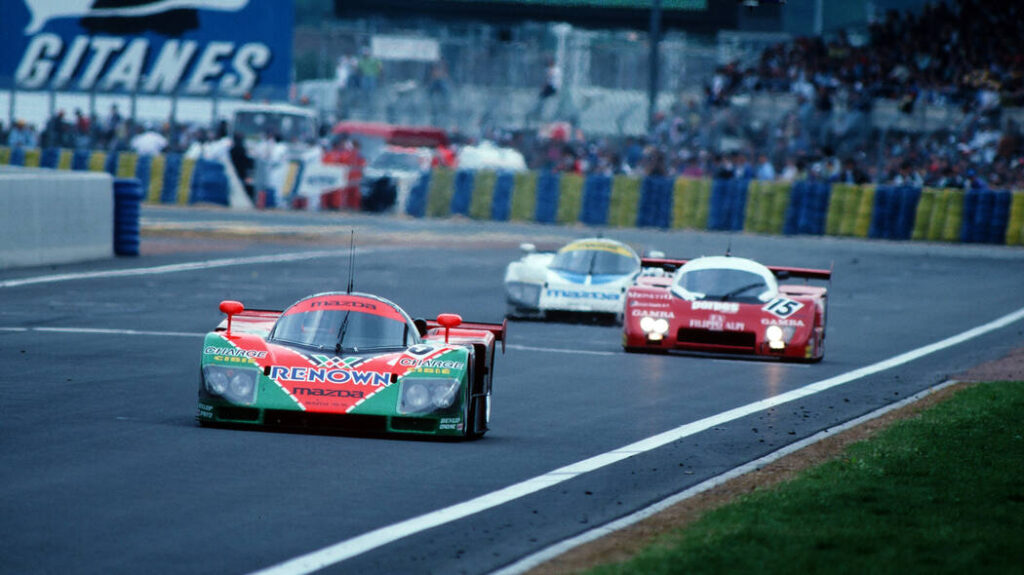
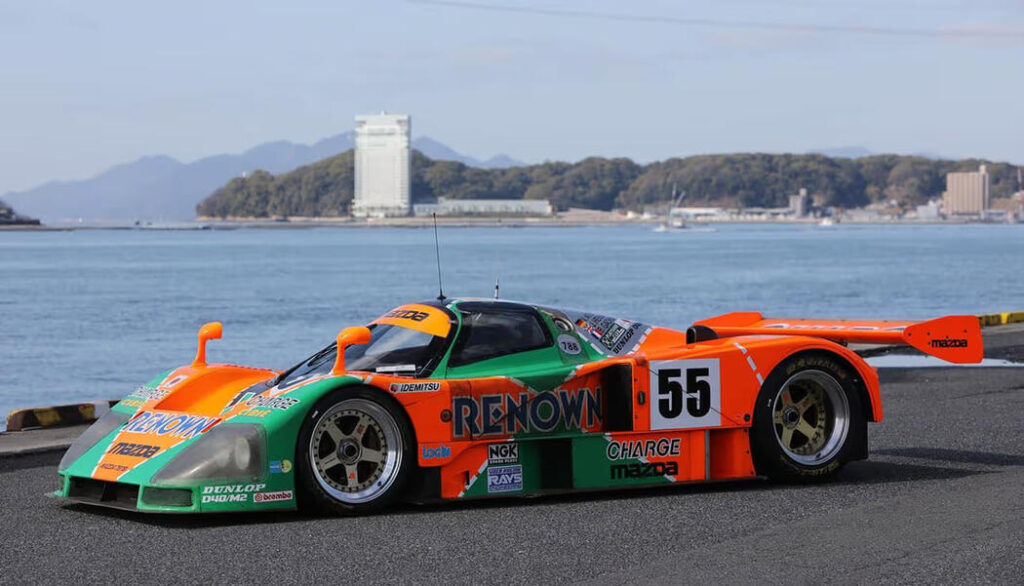
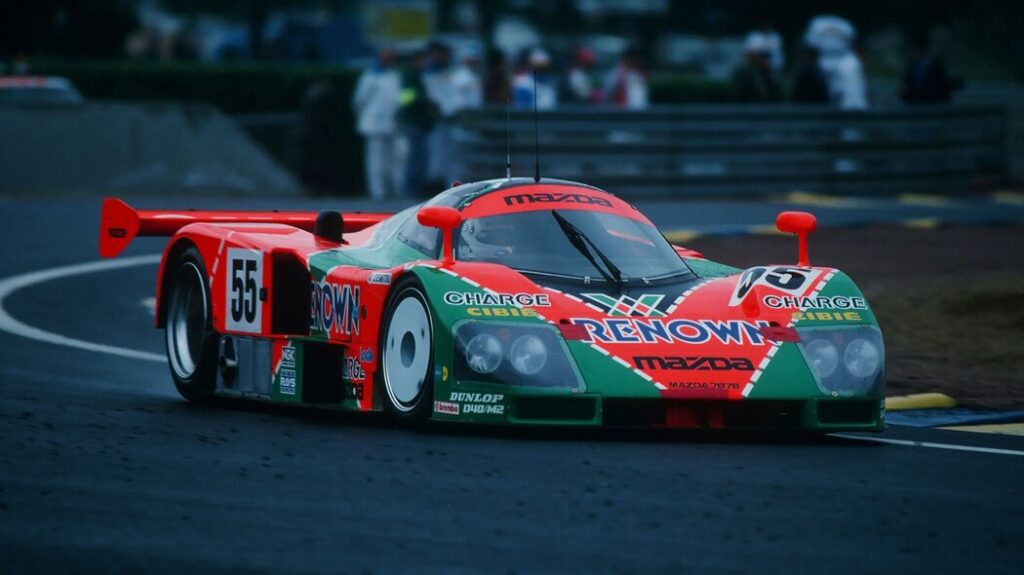
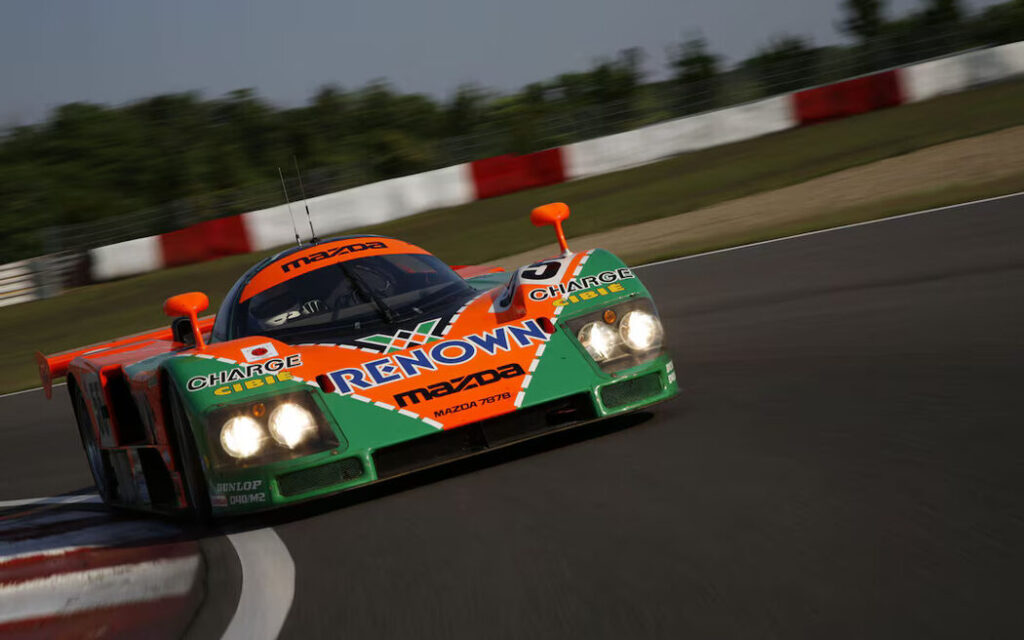

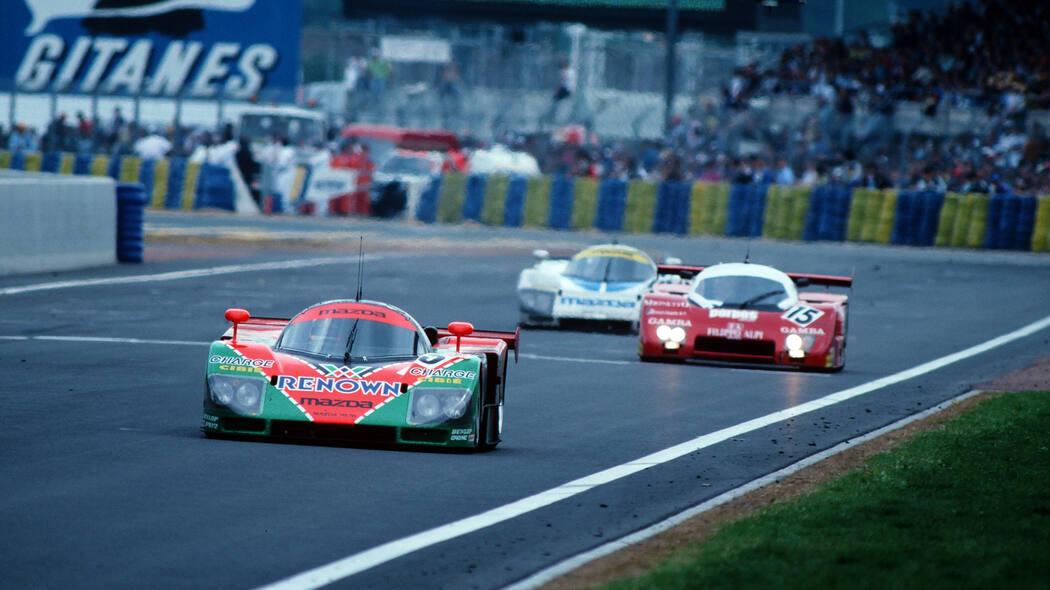
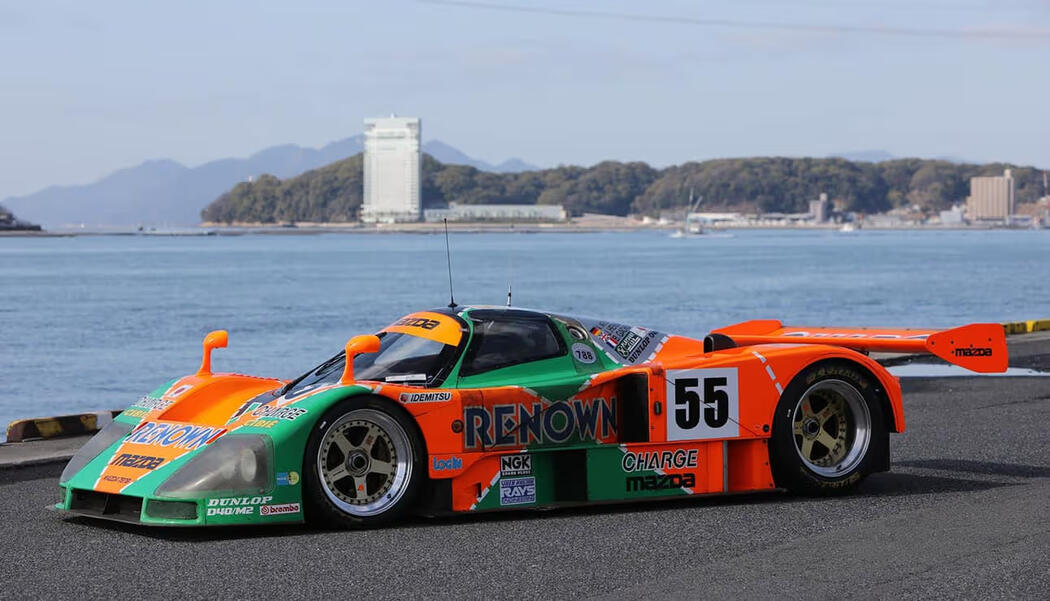
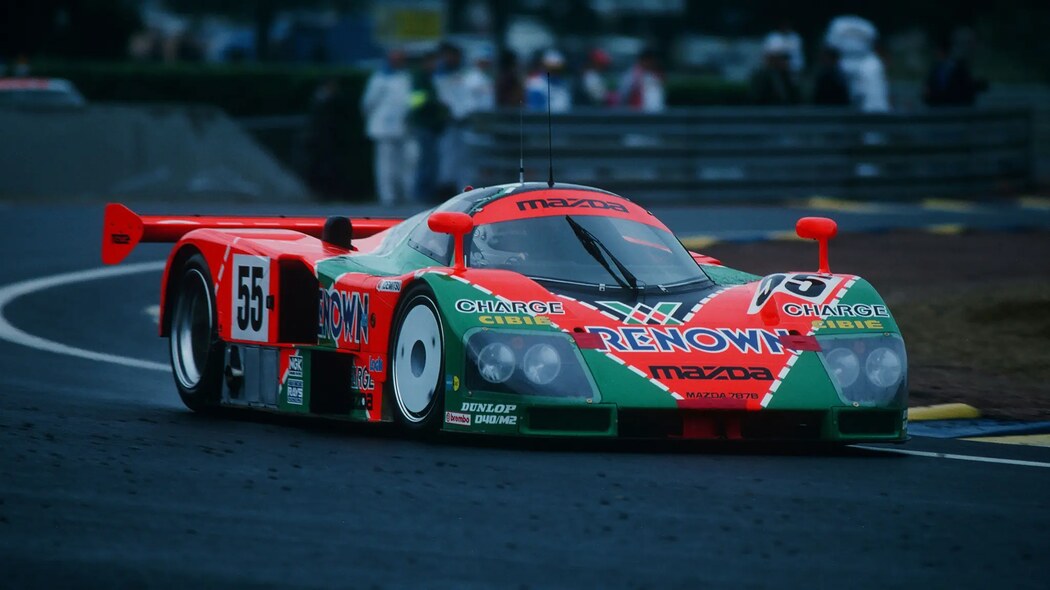
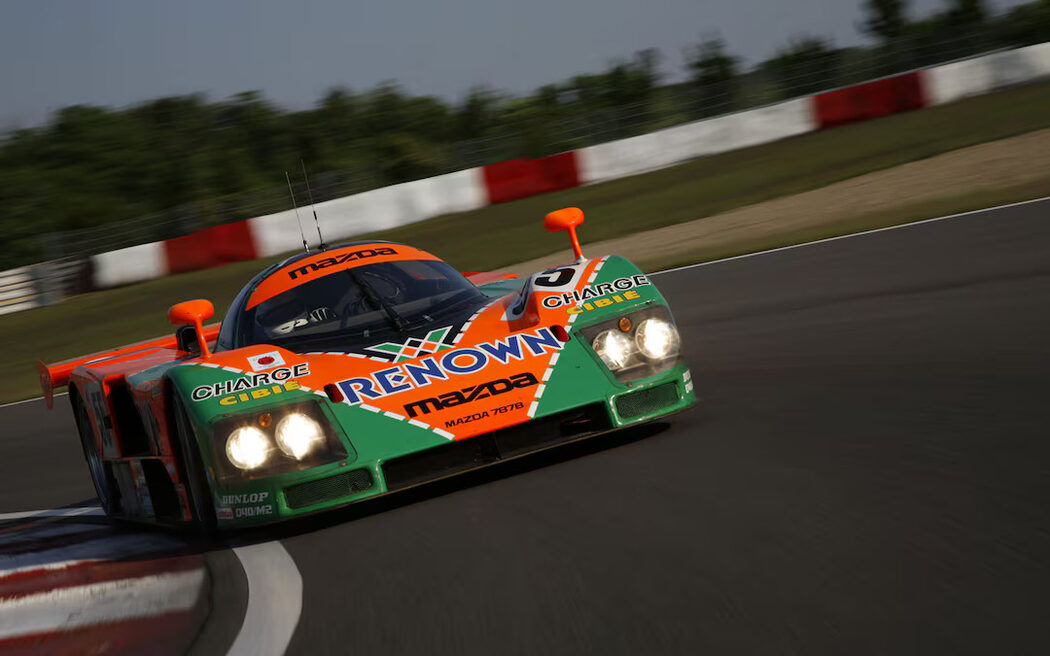
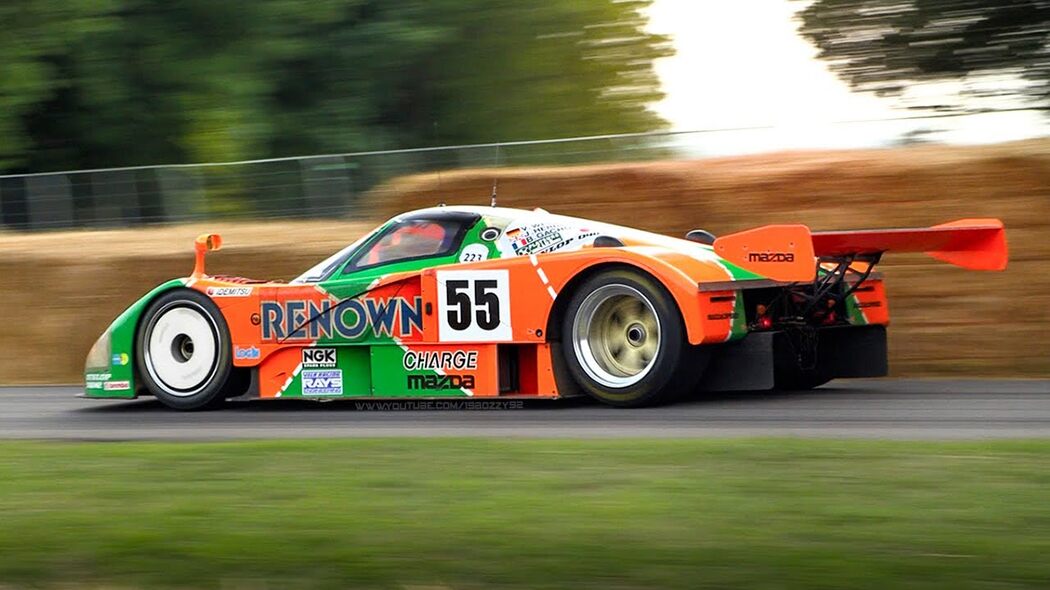
Image: Mazda 787B
Some engines growl. This one screamed—a high-pitched howl that echoed through Le Mans like a war cry.
The Mazda 787B wasn’t supposed to win. Not against the giants. Not with a rotary engine that sounded more like a chainsaw than a race car.
But that’s exactly why it did. It was different. And that difference made history.
Lightweight. Relentless. Loud enough to rattle your chest. This car didn’t just race—it endured.
In 1991, while others broke down or fell behind, the 787B kept flying—lap after lap, hour after hour, flawless and fearless.
Mazda didn’t just take the trophy. They rewrote what victory could sound like.
Highlights:
- Historic Victory: 1991 24 Hours of Le Mans
- Grand Races: Le Mans, World Sportscar Championship
- Driven by: Johnny Herbert, Volker Weidler, Bertrand Gachot
Specifications:
|
Engine |
2.6L 4-rotor R26B |
|
Power |
700 hp |
|
Top Speed |
338 km/h |
17. Maserati 250F
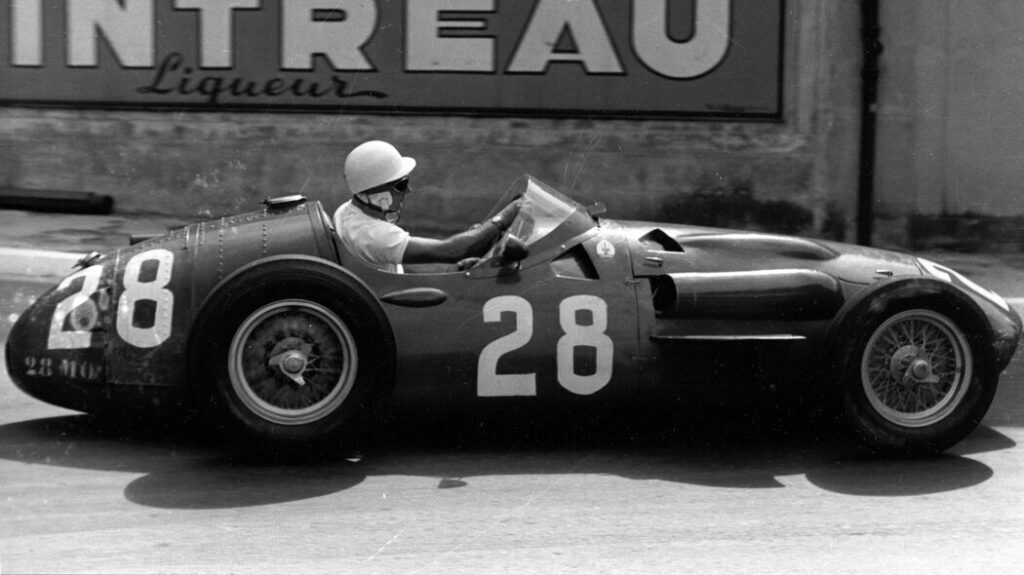
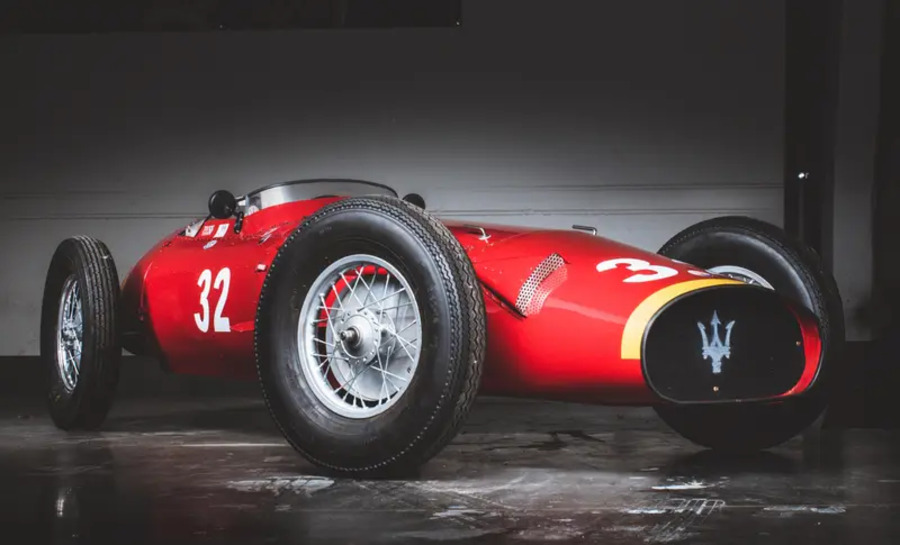
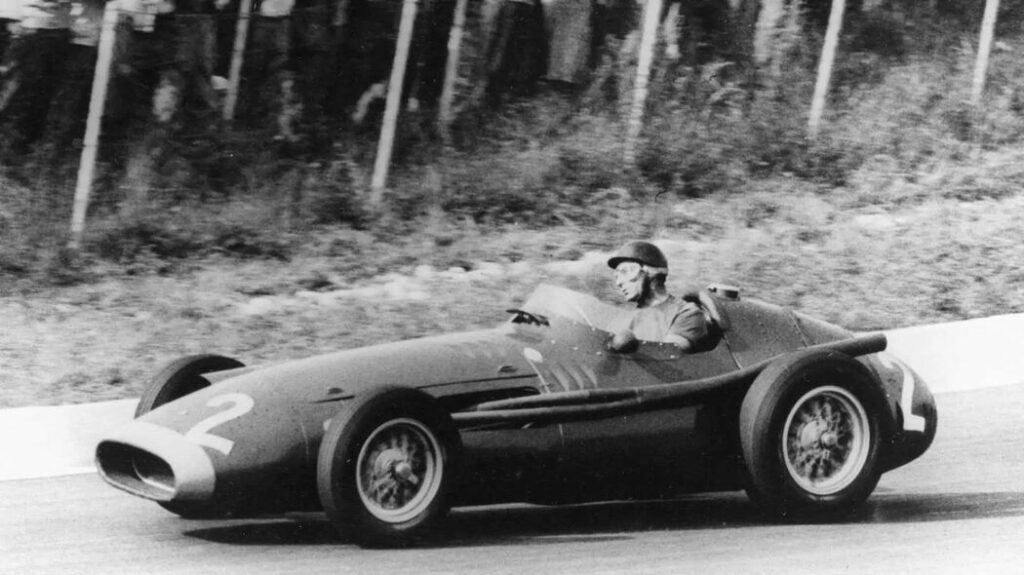
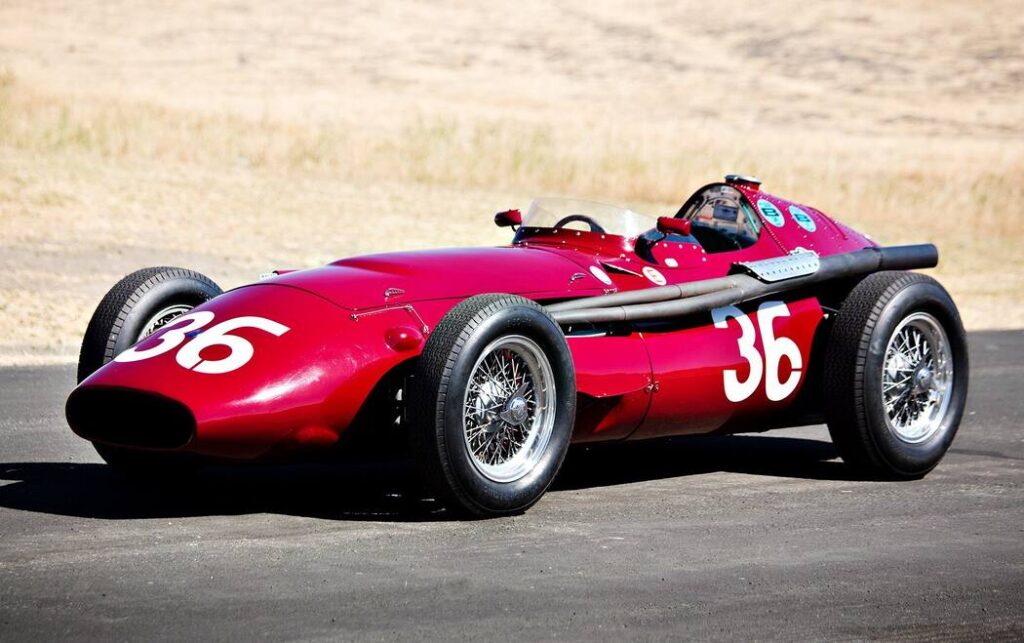
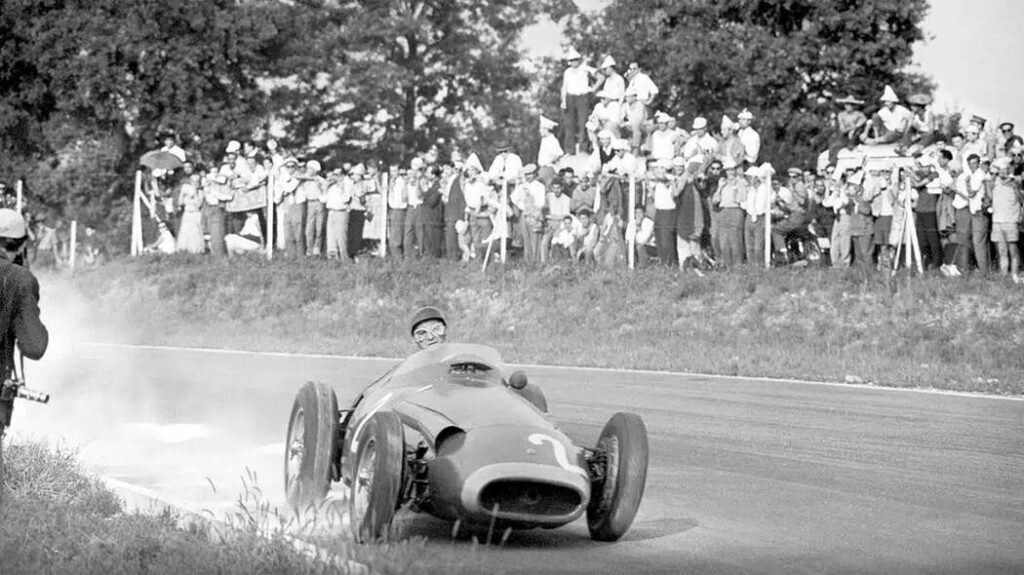
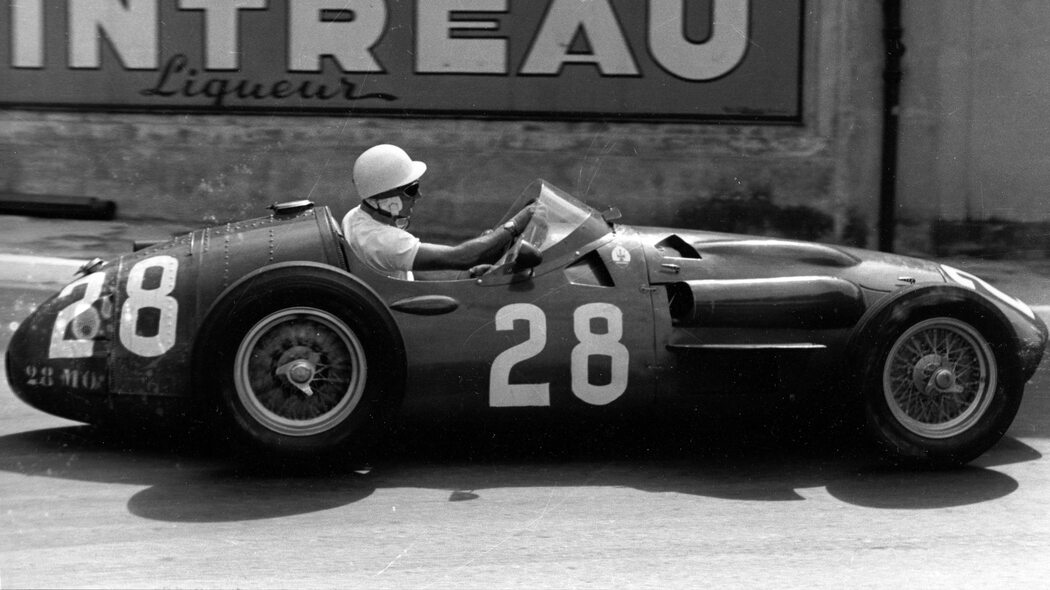
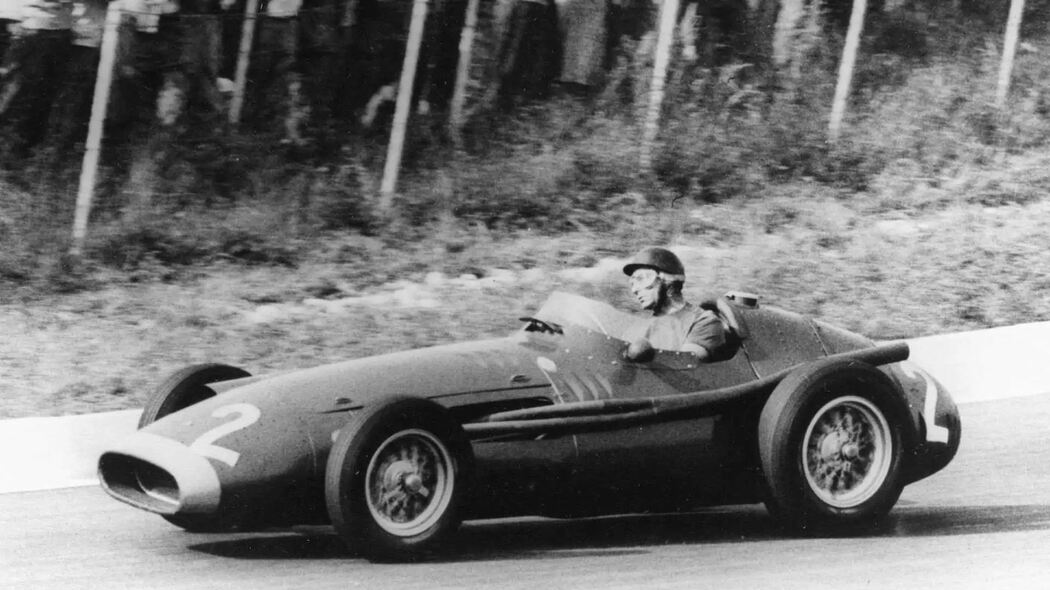
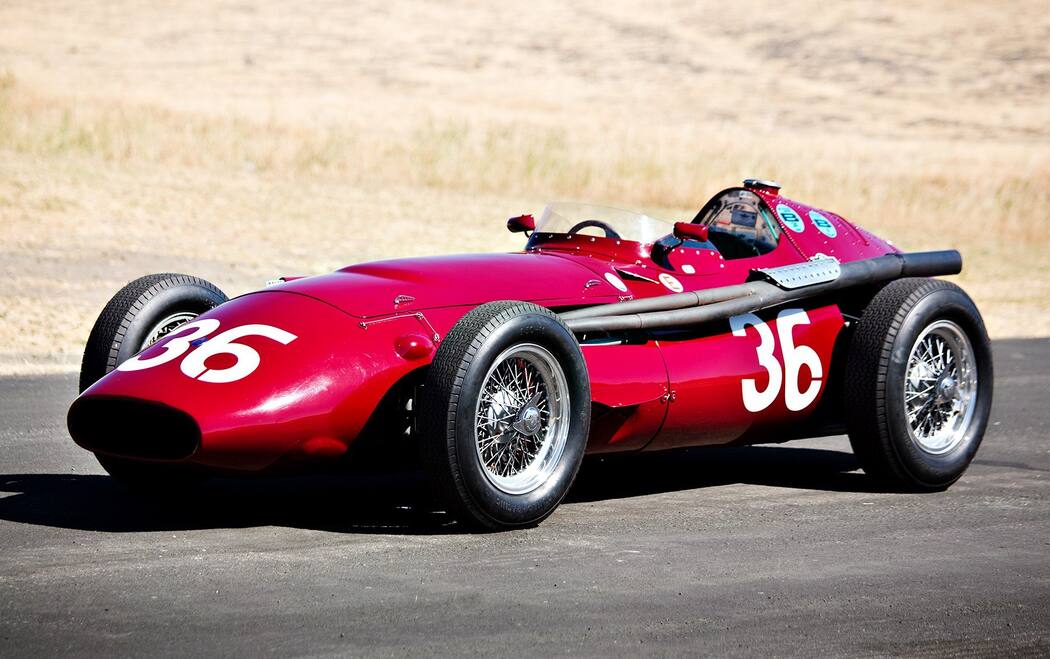
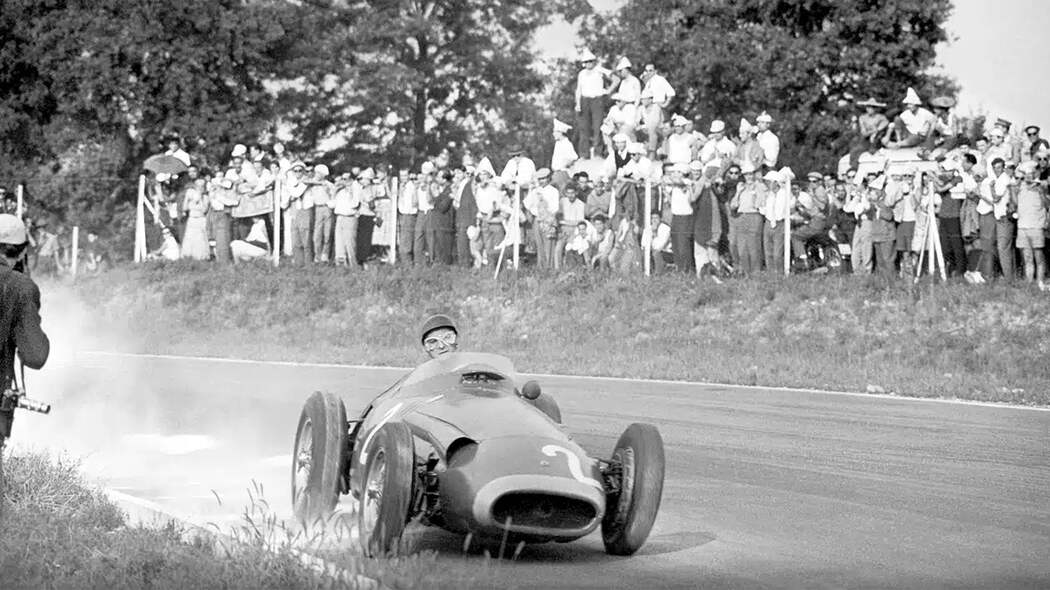
Image: Maserati 250F
This is what racing used to look like—pure, elegant, and dangerously fast. The Maserati 250F wasn’t just a car. It was a work of art at full throttle.
With a long nose and open wheels, it looked graceful—until it roared to life. Then it became something else entirely.
270 horsepower. Straight-six fury. And a balance so perfect it felt like the car was reading your mind.
But what truly made it legendary? Fangio. 1957. Nürburgring.
He chased down the Ferraris with a fury that felt unreal. And when he crossed that finish line, the world knew—it wasn’t just skill. It was the 250F beneath him.
It didn’t just win races. It made drivers fall in love with driving.
Highlights:
- Historic Victory: 1957 German Grand Prix (Fangio’s comeback)
- Grand Races: Formula 1 World Championship (1954–1960)
- Driven by: Juan Manuel Fangio, Stirling Moss, Jean Behra
Specifications:
|
Engine |
2.5L straight-six |
|
Power |
270 hp |
|
Top Speed |
290 km/h |
16. Ford Sierra Cosworth RS500
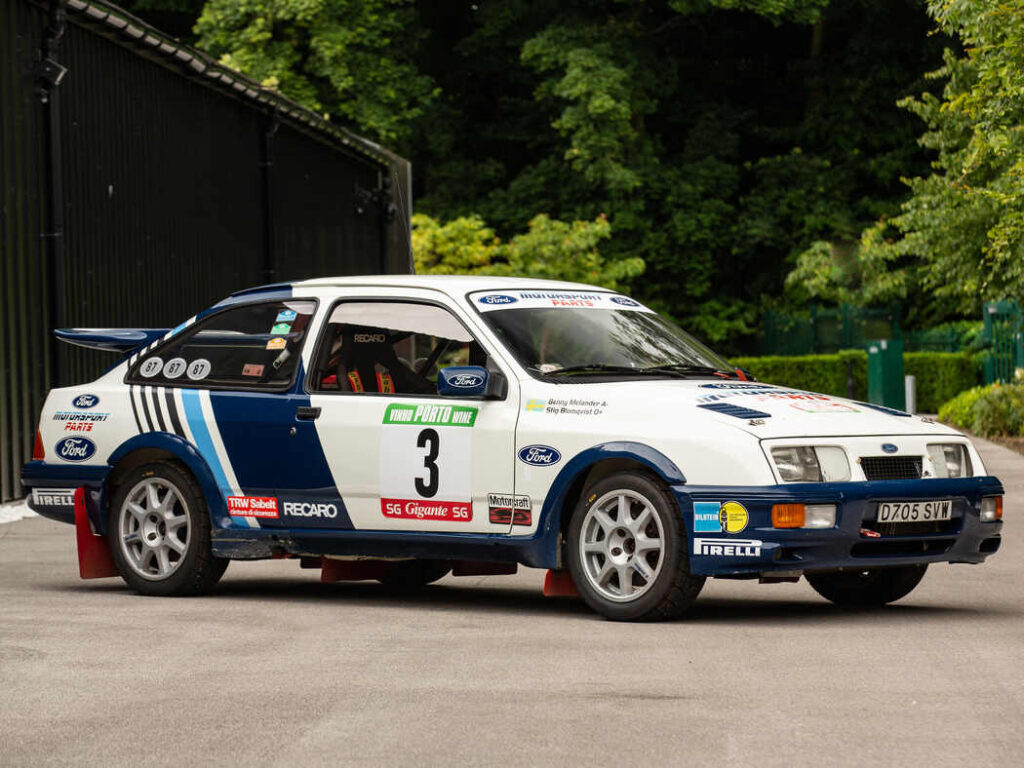
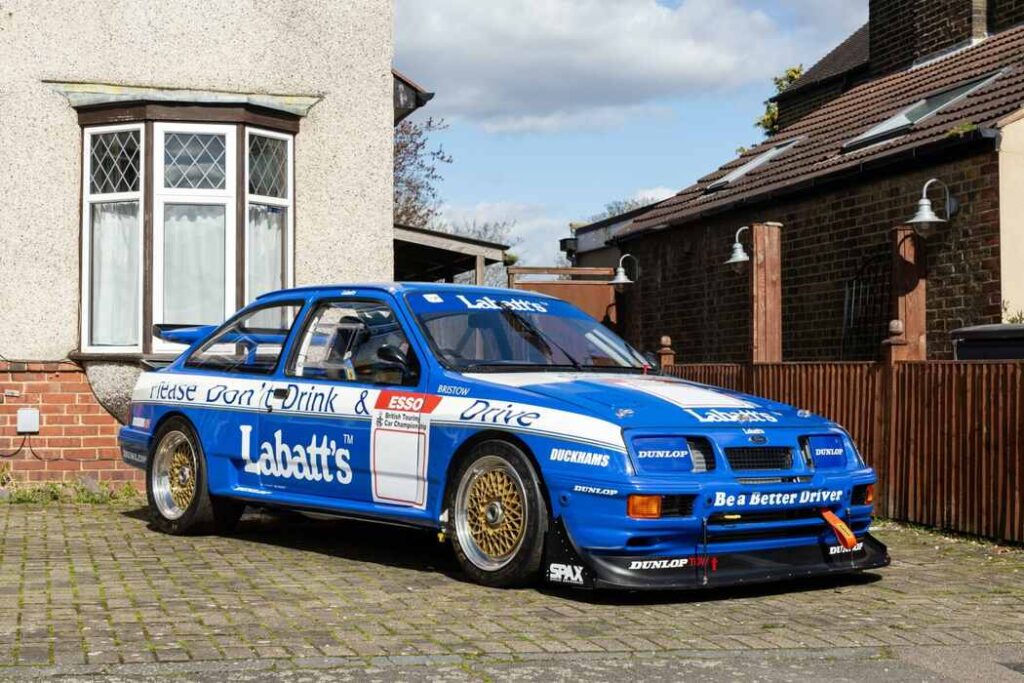

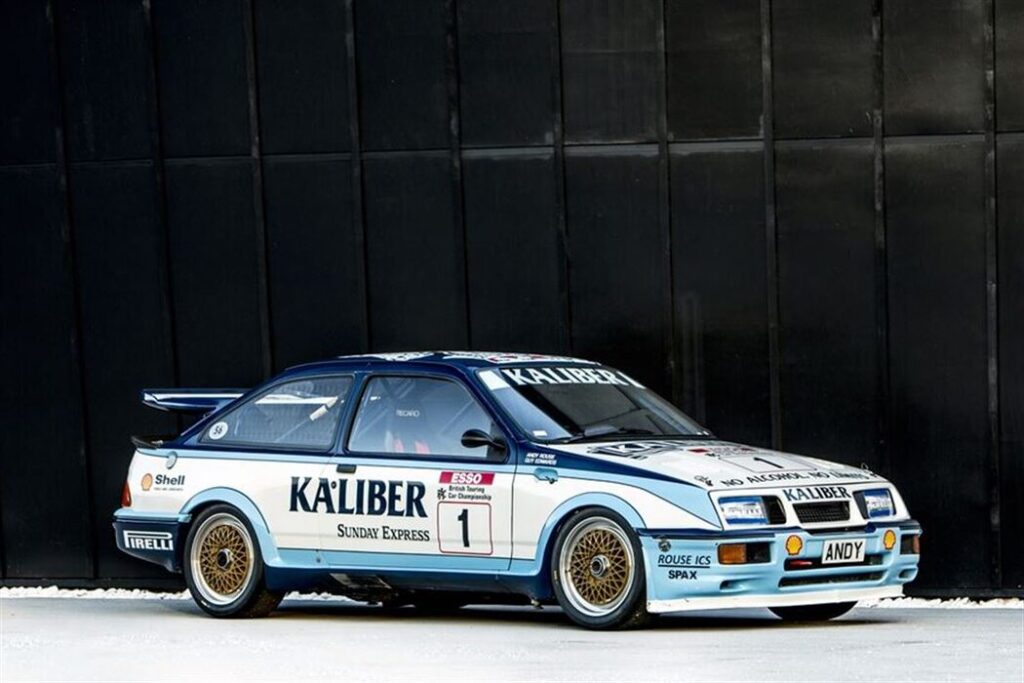
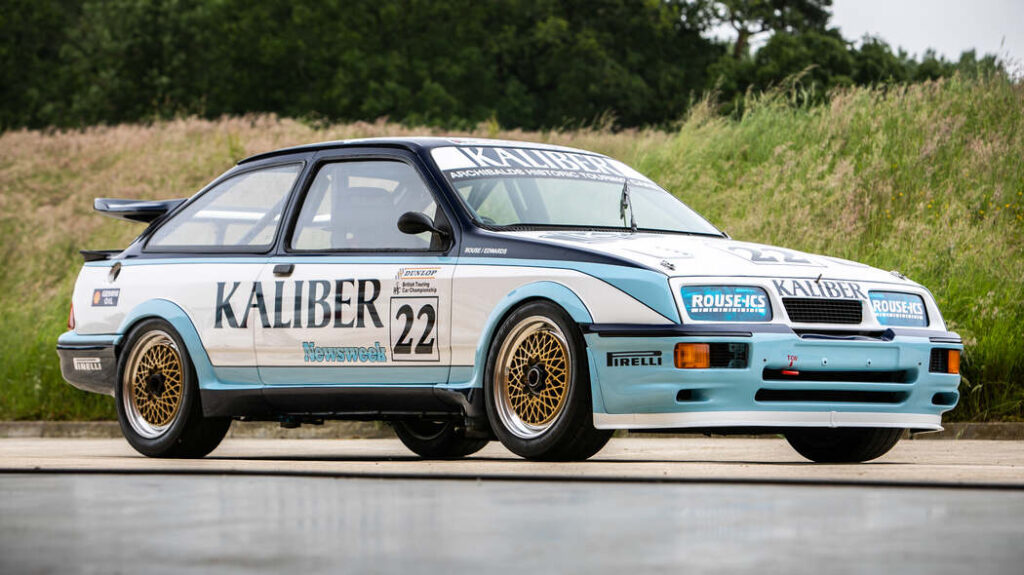
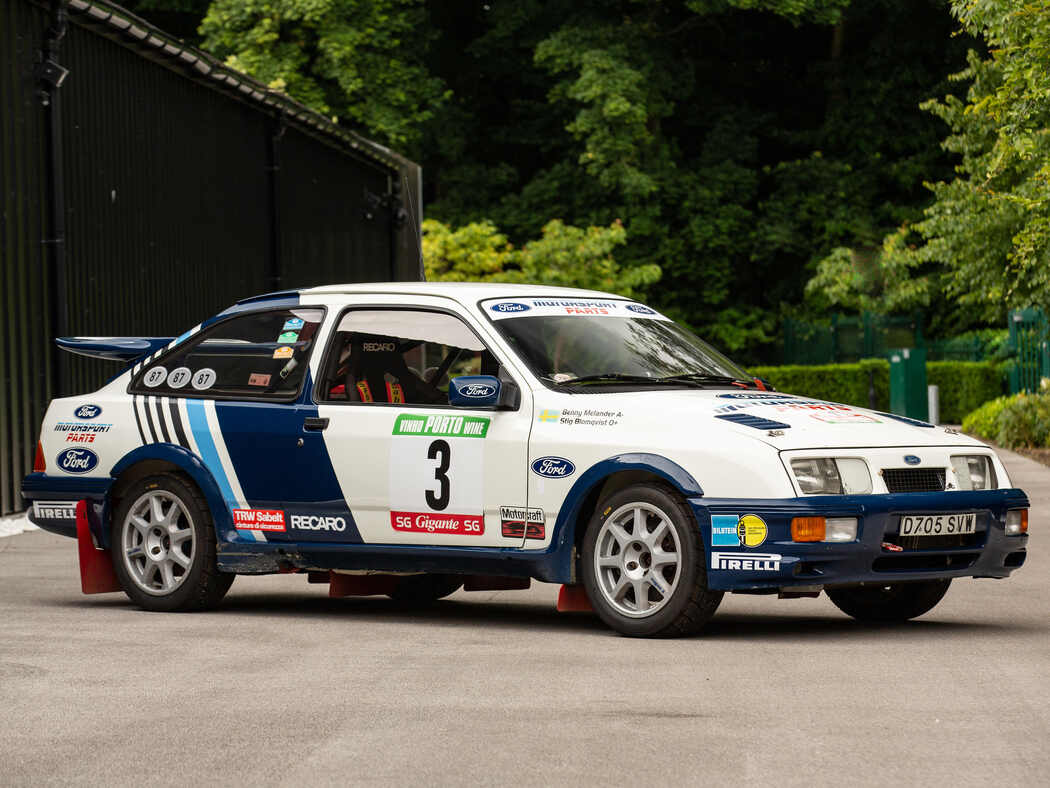
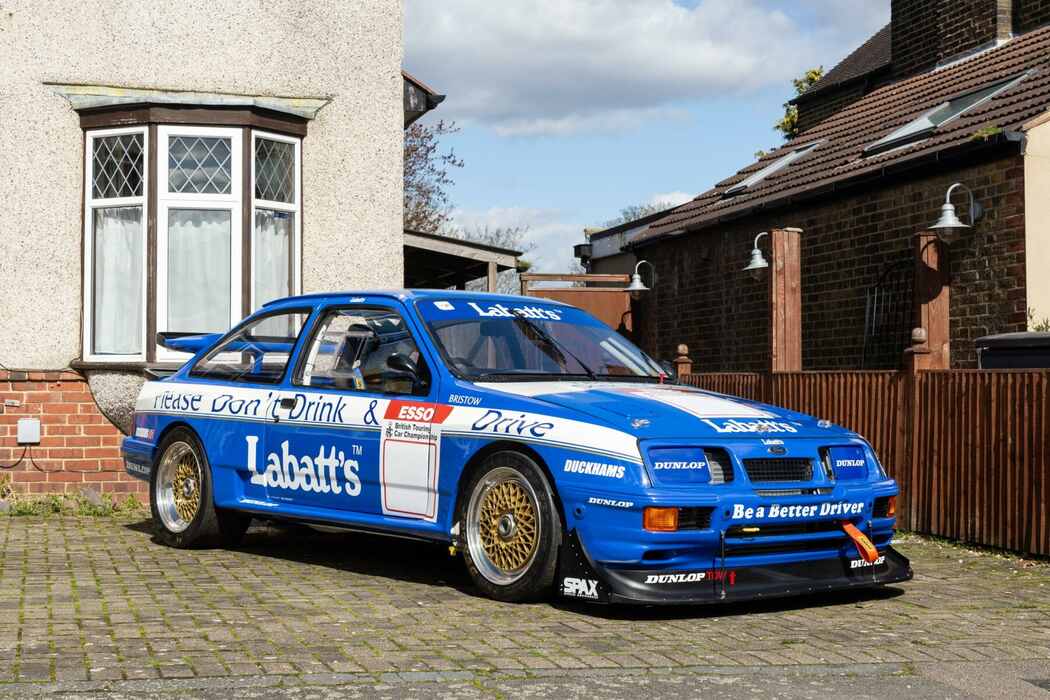
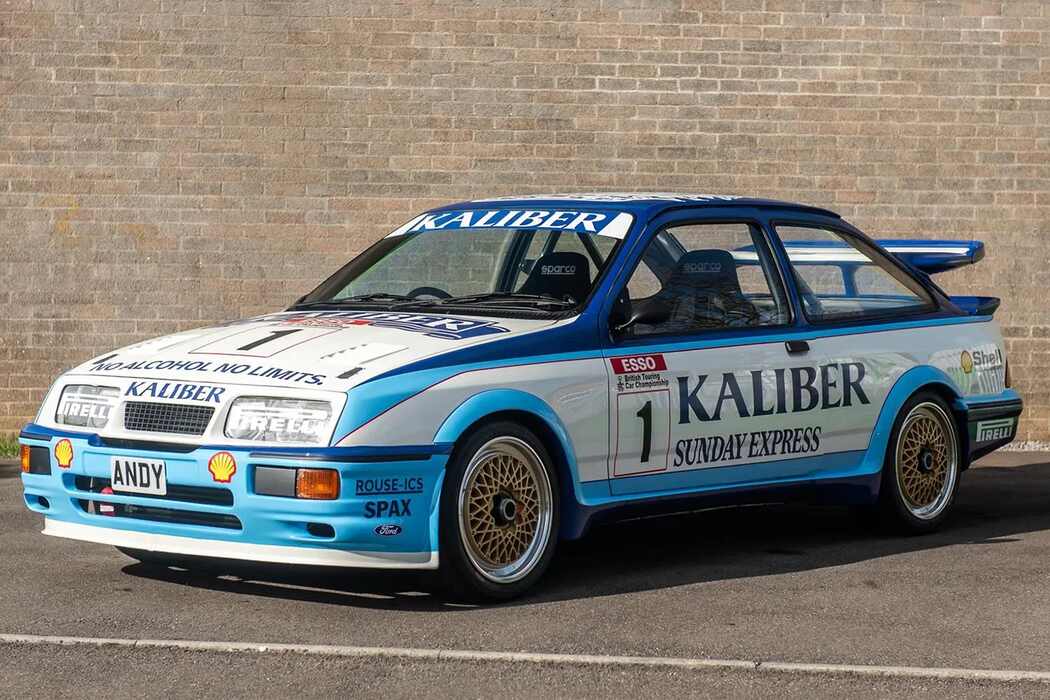
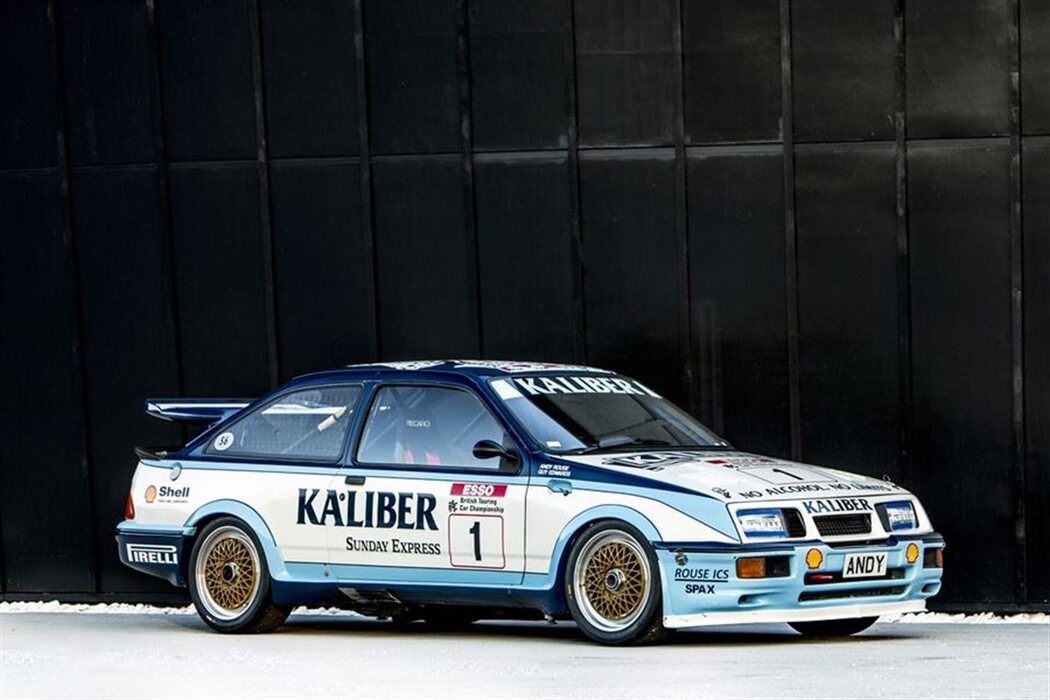

Image: Ford Sierra Cosworth RS500
This car didn’t just race—it rewrote the rules.
The RS500 was a turbocharged beast, engineered to dominate. With over 500 hp under its hood, it wasn’t just fast—it was a force of nature.
From the moment it hit the track in 1987, it left competitors in its wake. Its aggressive aerodynamics and massive rear wing weren’t just for show—they were statements of intent.
In the British Touring Car Championship, it was untouchable. Between 1988 and 1990, it went undefeated, a testament to its engineering brilliance.
But its prowess wasn’t confined to the UK. In the DTM, Klaus Ludwig piloted it to victory in 1988, showcasing its versatility
Down under, it conquered the Australian Touring Car Championship, with Dick Johnson leading the charge in 1988 and 1989.
And let’s not forget its triumphs at the Bathurst 1000, where it clinched victories in both 1988 and 1989.
The RS500 wasn’t just a car—it was a statement. A declaration that with the right engineering and determination, anything was possible.
Highlights:
- Historic Victory: 1988 BTCC Championship (Undefeated season)
- Grand Races: DTM, BTCC, Bathurst 1000, Spa 24 Hours, Fuji InterTEC
- Driven by: Andy Rouse, Klaus Ludwig, Dick Johnson, John Bowe
Specifications:
|
Engine |
2.0L turbocharged Cosworth YBD |
|
Power |
500+ hp |
|
Top Speed |
273 km/h |
15. McLaren F1 GTR
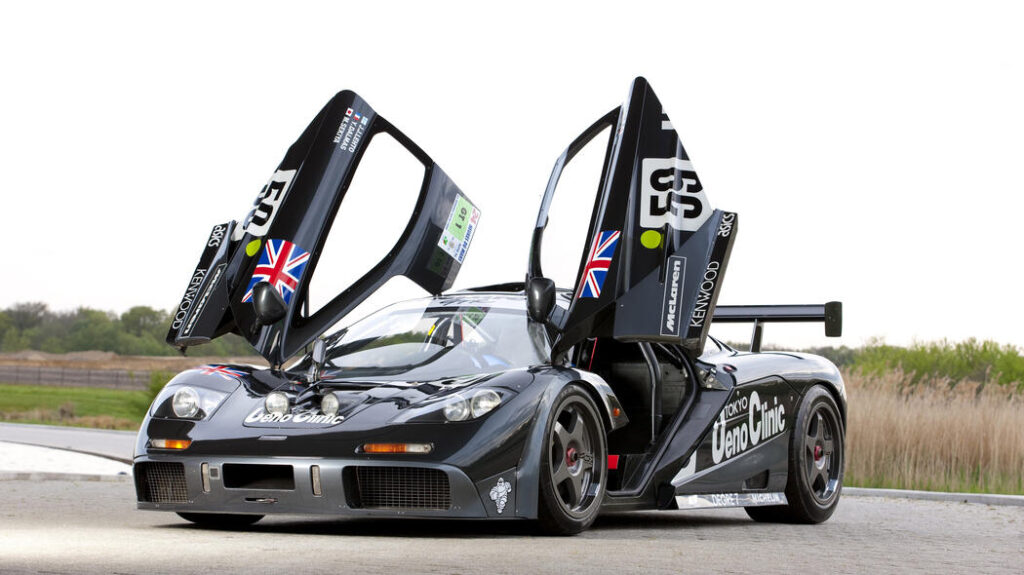
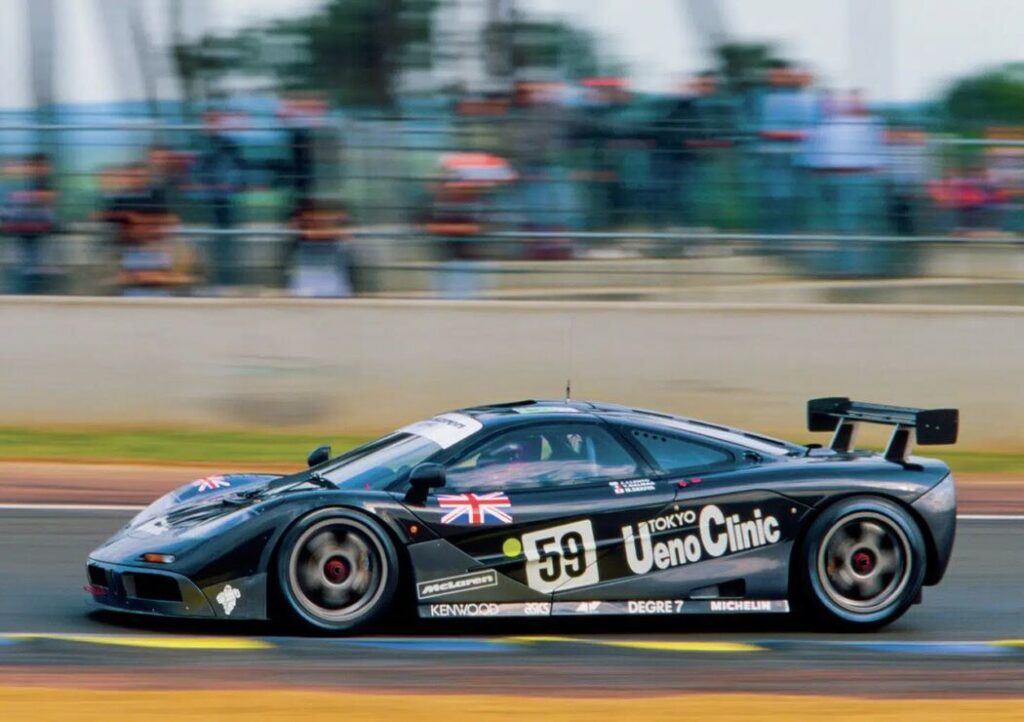
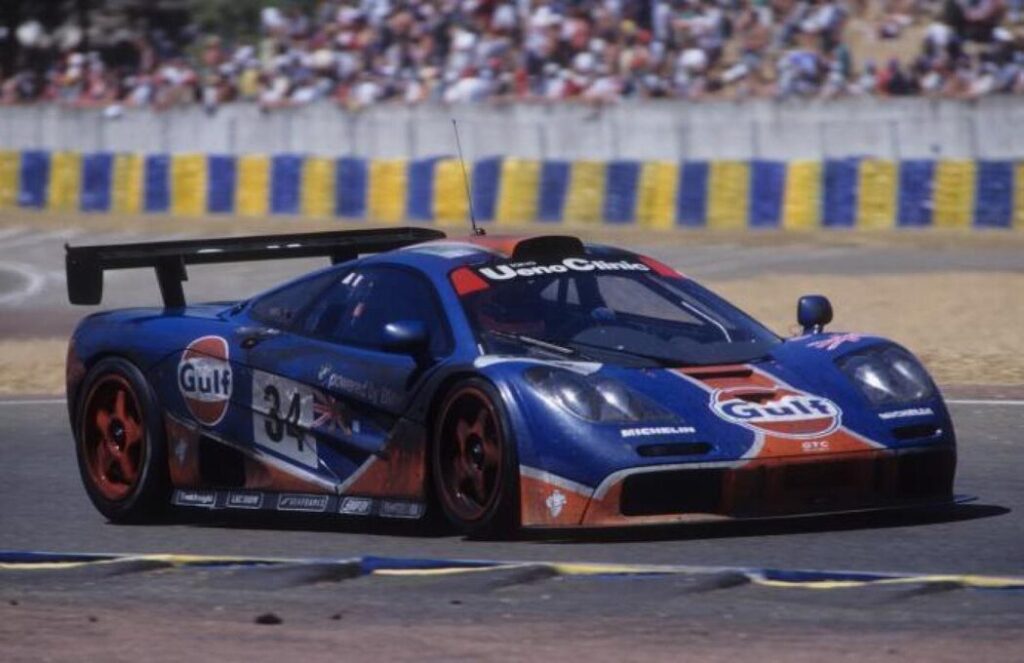
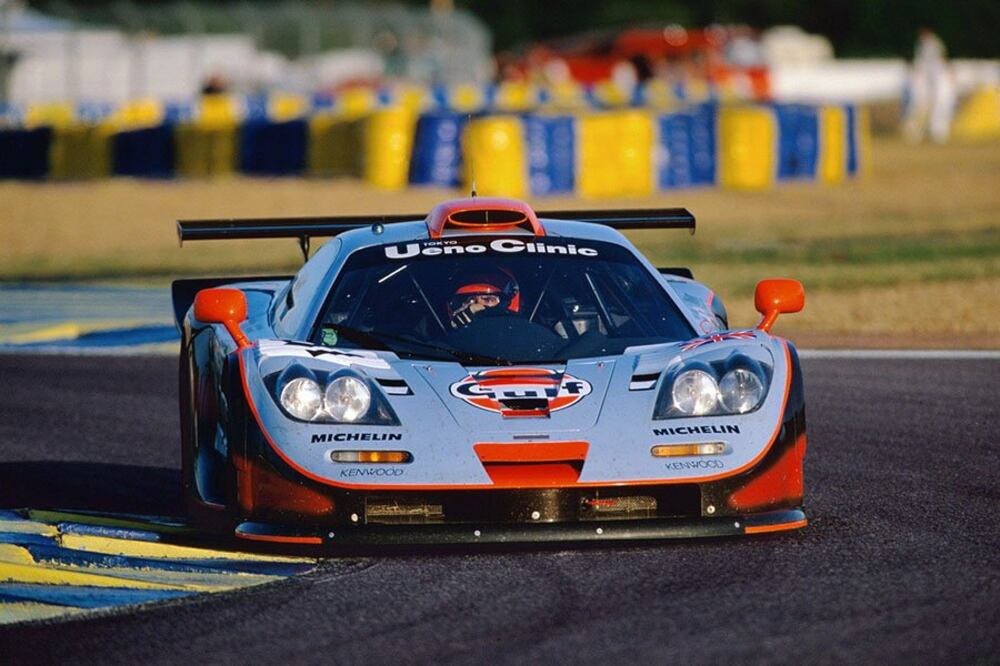
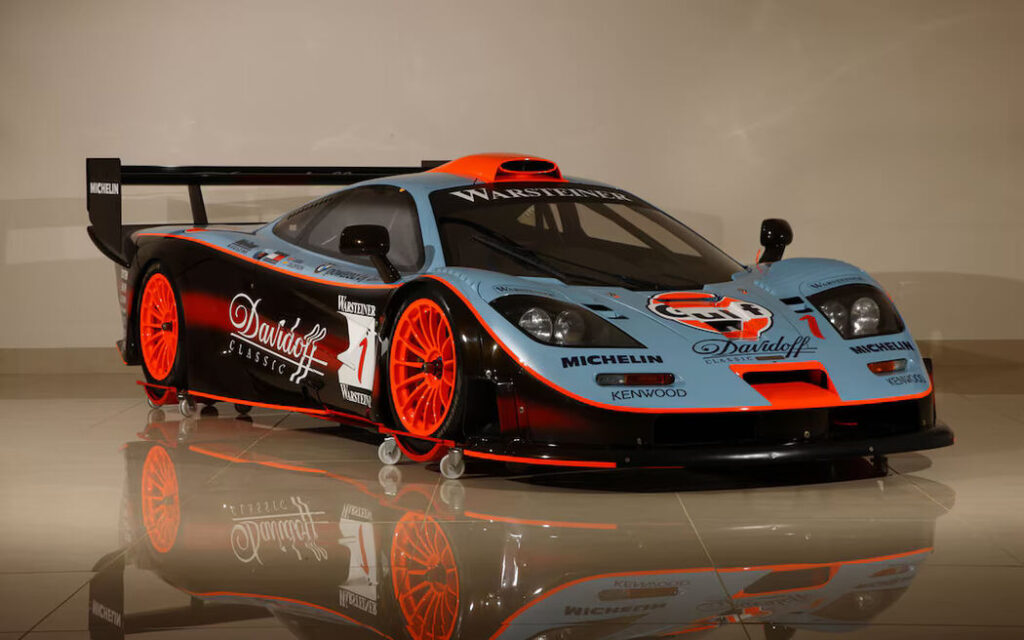

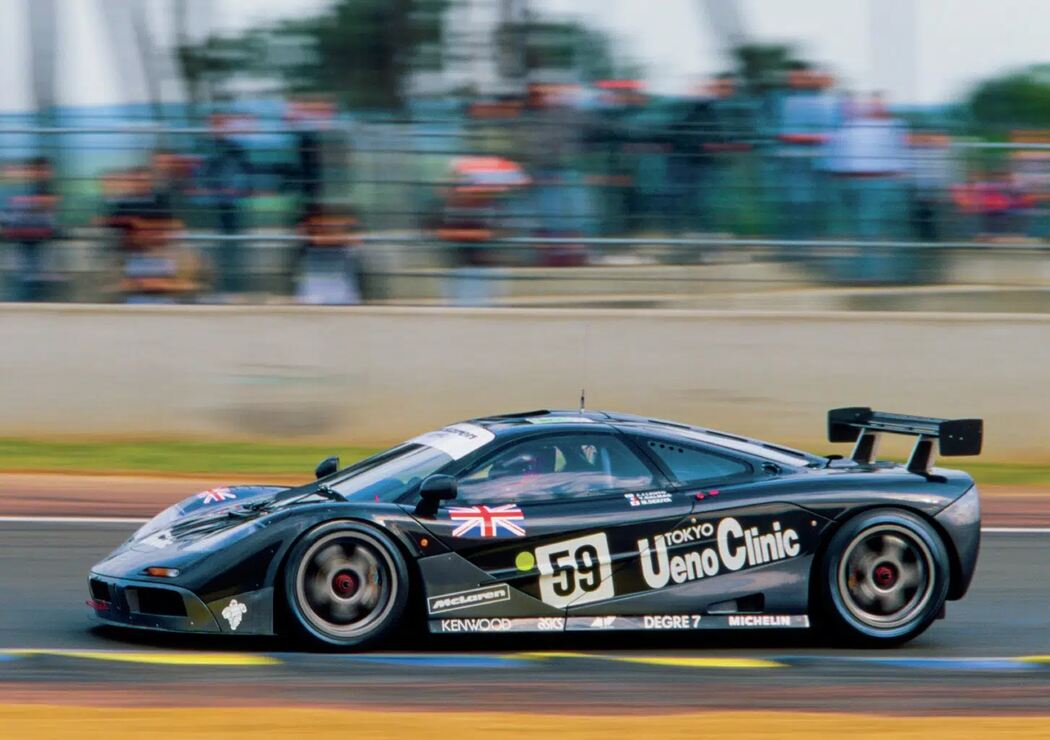
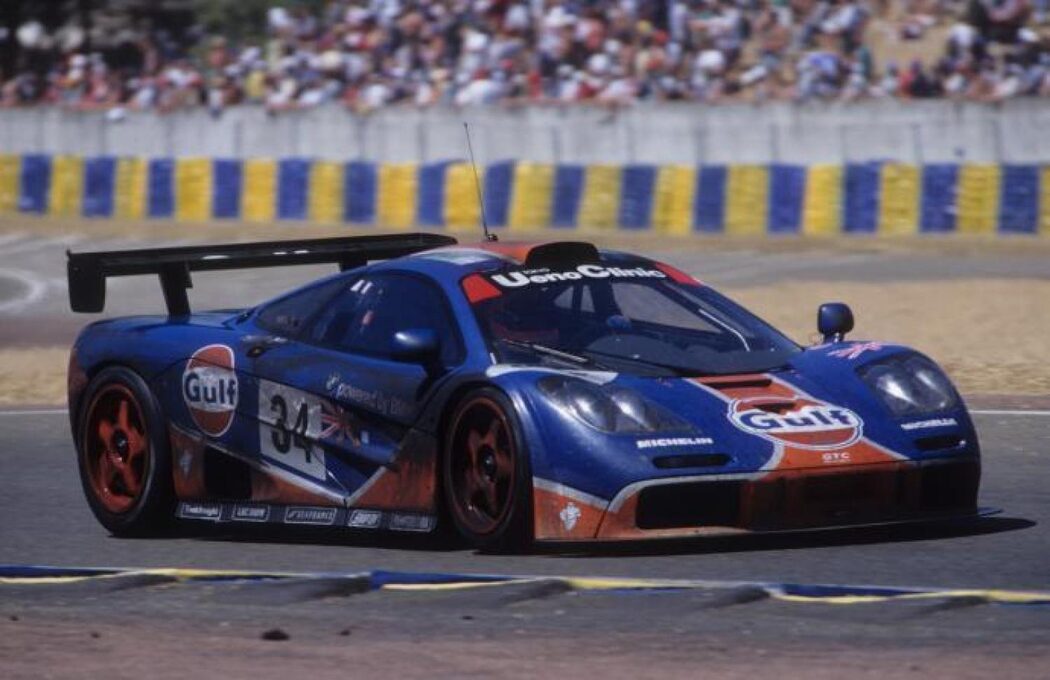
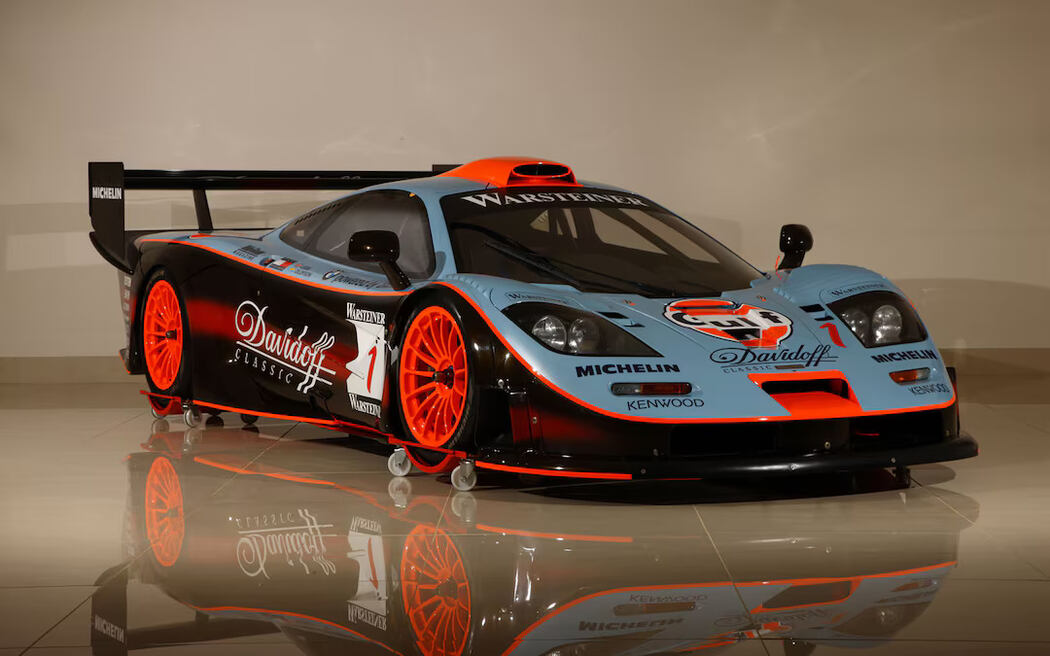
Image: McLaren F1 GTR
I still can’t believe a road car did this.
The McLaren F1 GTR wasn’t meant to race. But when it did, it rewrote the rules.
In 1995, it stormed into Le Mans and beat the prototypes at their own game. First time out. In the rain. With a car built for the street.
Powered by a BMW V12, it wasn’t just fast—it was relentless. It didn’t just win; it dominated.
That year, it also conquered the BPR Global GT Series, winning 10 out of 12 races. It was a season of pure supremacy.
The F1 GTR wasn’t just a car. It was a statement.
Highlights:
- Historic Victory: 1995 24 Hours of Le Mans (Overall win on debut)
- Grand Races: BPR Global GT Series, FIA GT Championship, JGTC
- Driven by: JJ Lehto, Yannick Dalmas, Masanori Sekiya, Derek Bell, Andy Wallace
Specifications:
|
Engine |
BMW S70/2 V12 |
|
Power |
600+ hp |
|
Top Speed |
322 km/h |
14. Williams FW14B
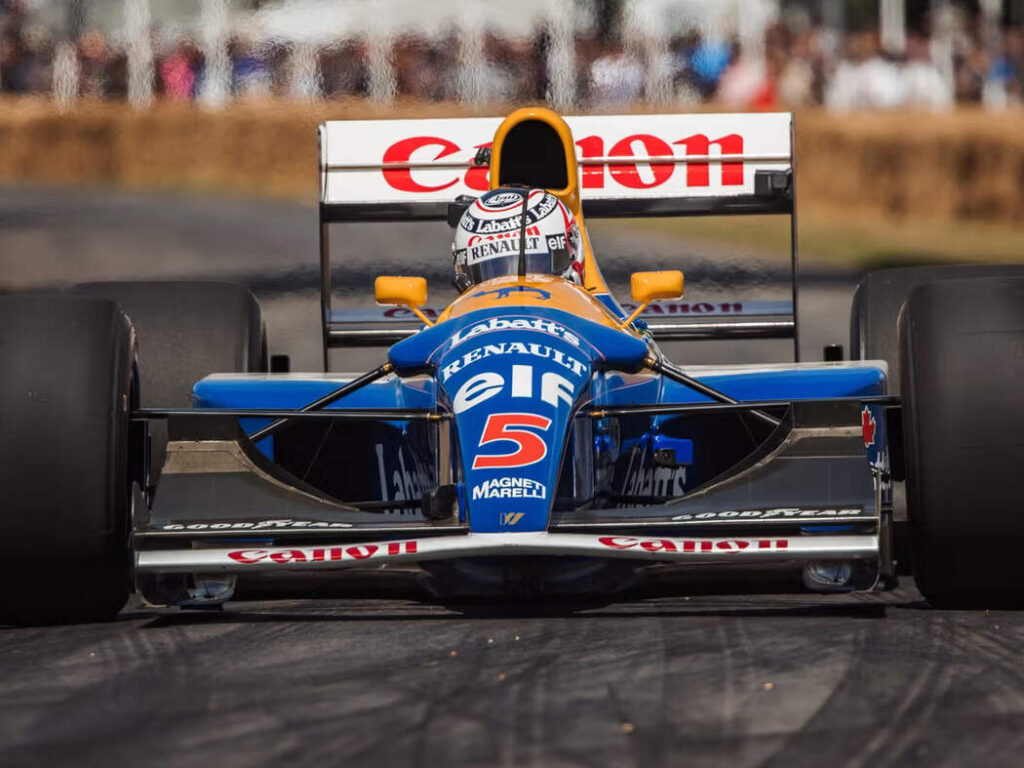
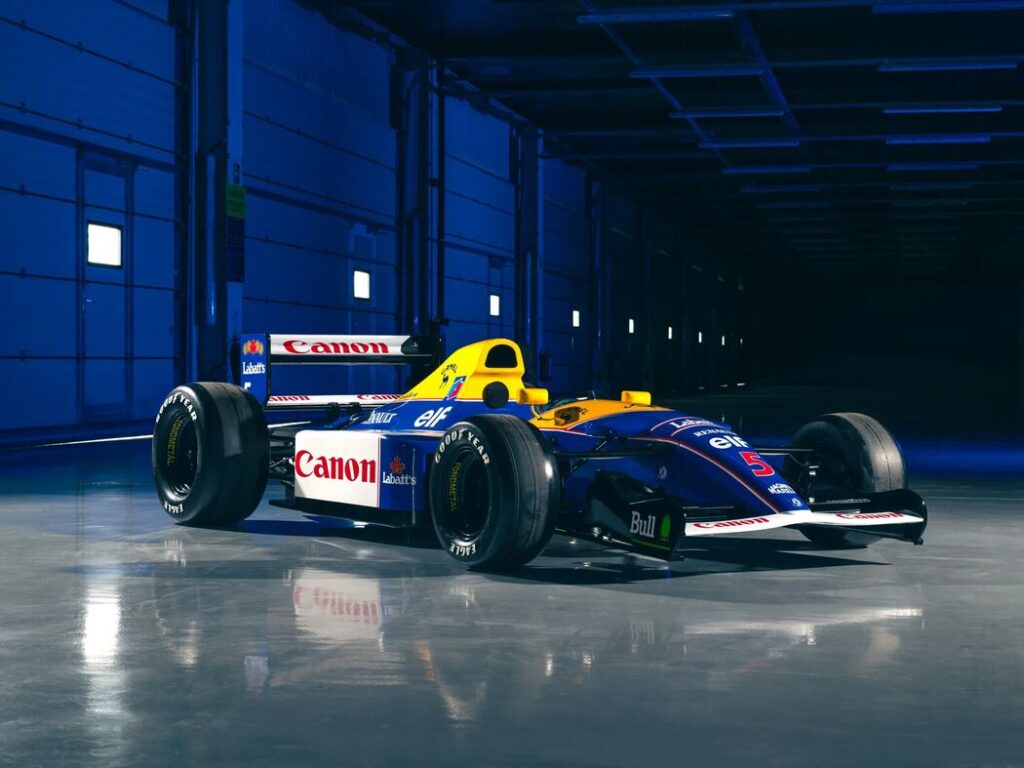
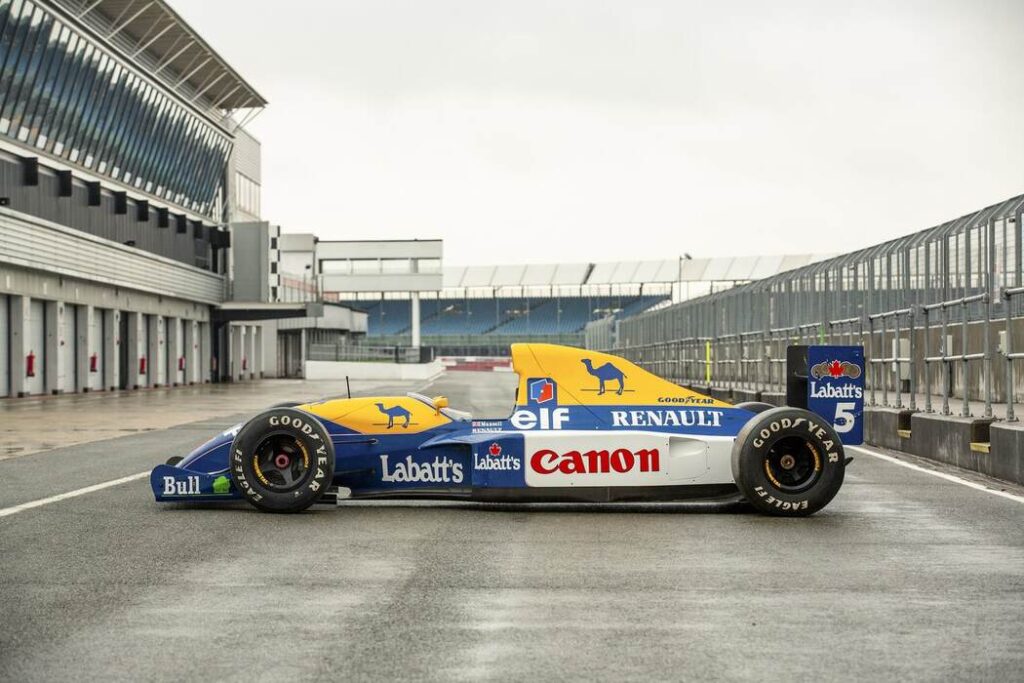
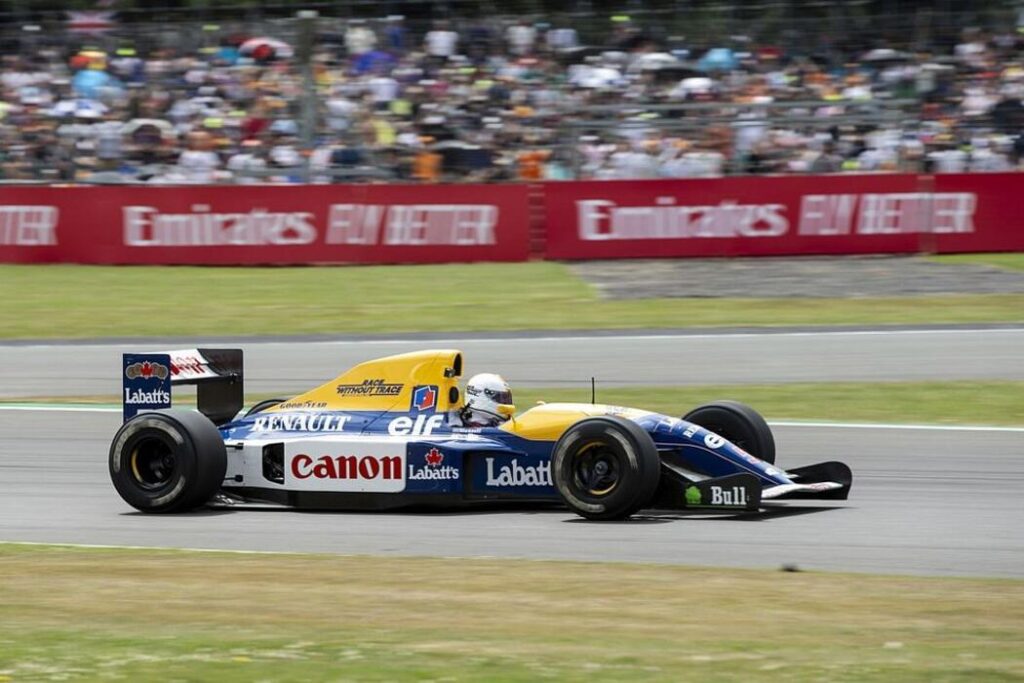

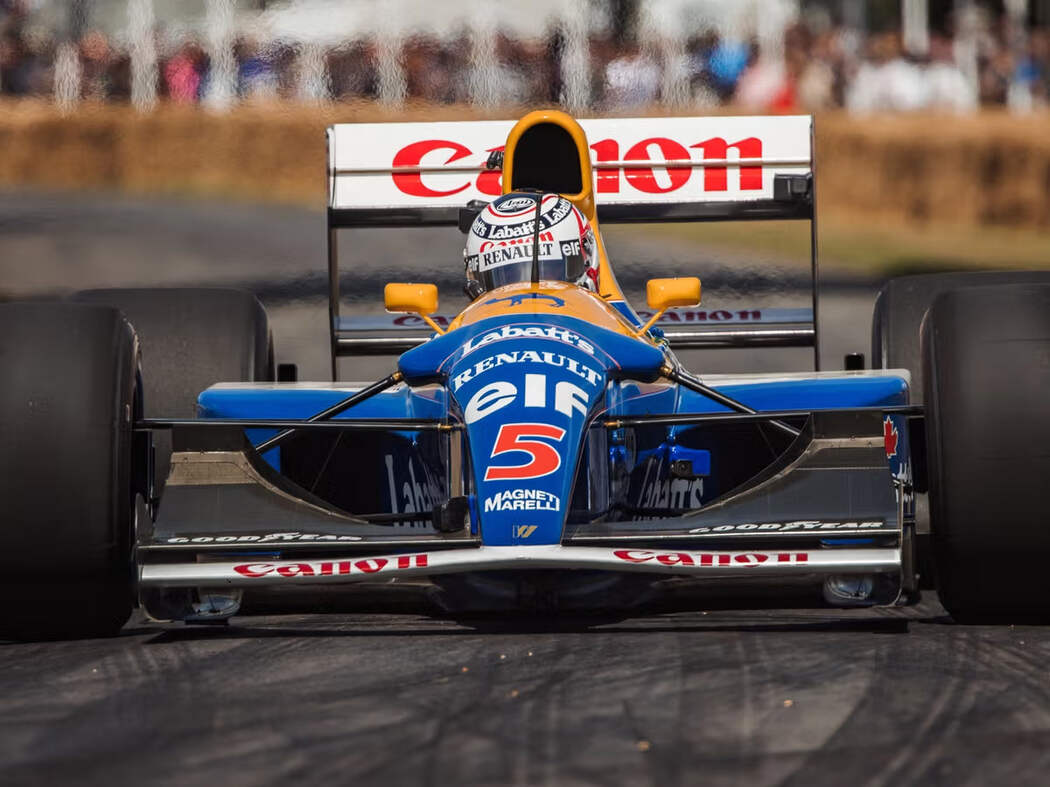
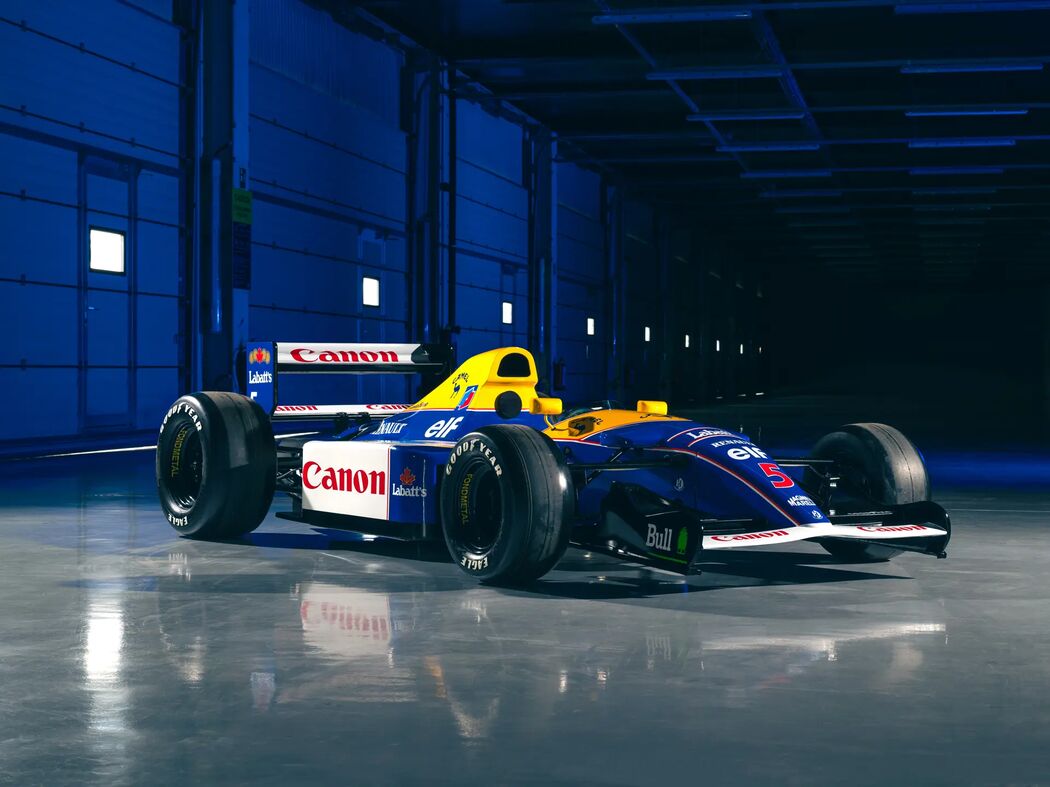
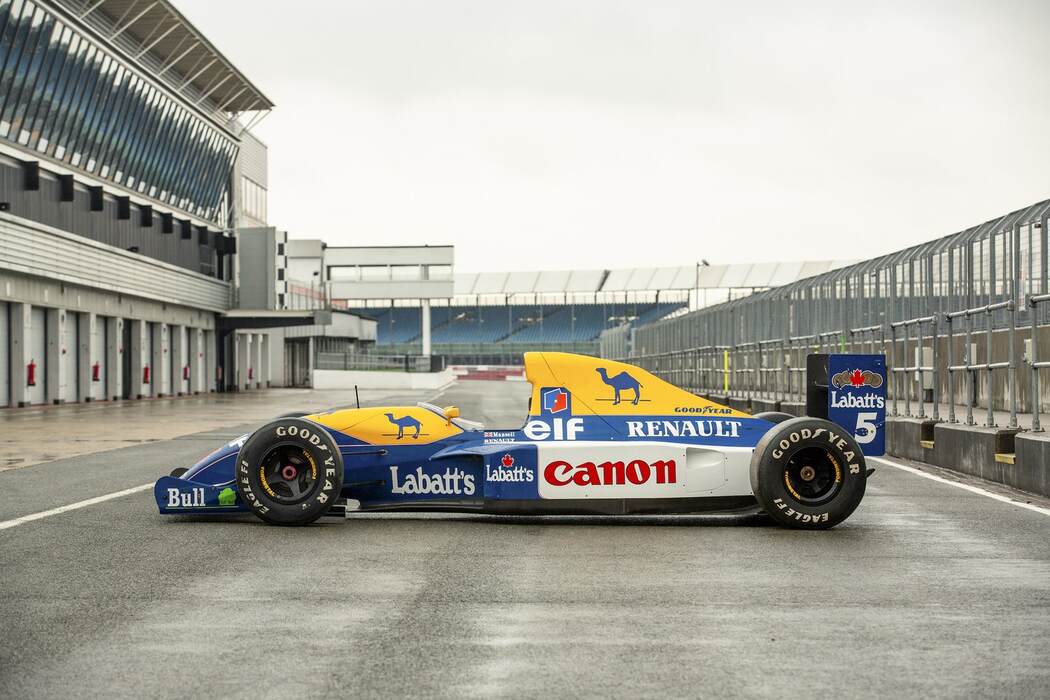
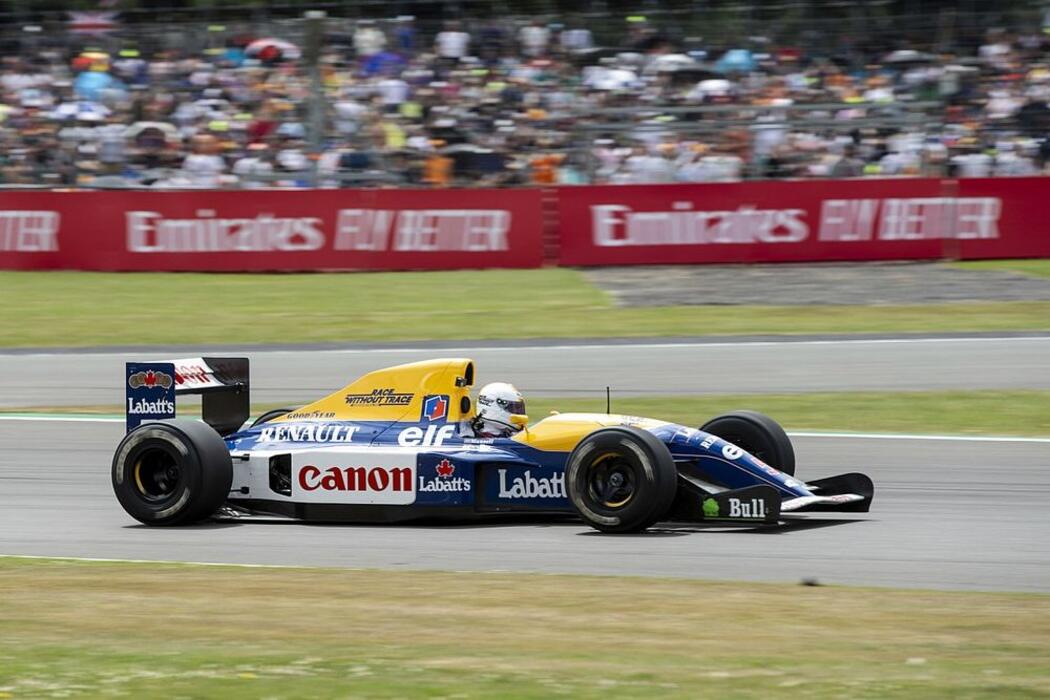
Image: Williams FW14B
This car didn’t just race—it redefined racing.
The Williams FW14B was a technological marvel, years ahead of its time. Active suspension, traction control, and a semi-automatic gearbox made it a beast on the track.
In 1992, Nigel Mansell unleashed its full potential. He dominated the season, clinching nine victories and securing the championship with five races to spare.
The FW14B wasn’t just fast—it was intelligent. It adapted, responded, and conquered every challenge thrown its way.
It wasn’t just a car; it was a statement of innovation and dominance.
Highlights:
- Historic Victory: 1992 British Grand Prix (Mansell’s iconic win at Silverstone)
- Grand Races: 1992 Formula 1 World Championship
- Driven by: Nigel Mansell, Riccardo Patrese
Specifications:
|
Engine |
3.5L Renault V10 |
|
Power |
760 hp+ |
|
Top Speed |
346 km/h |
13. Lola T70
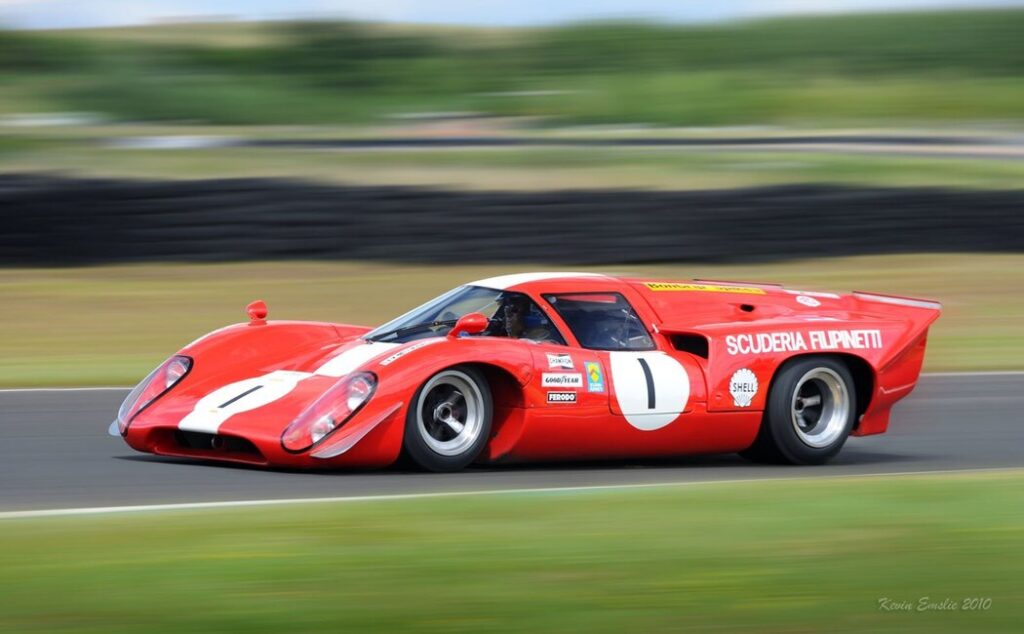
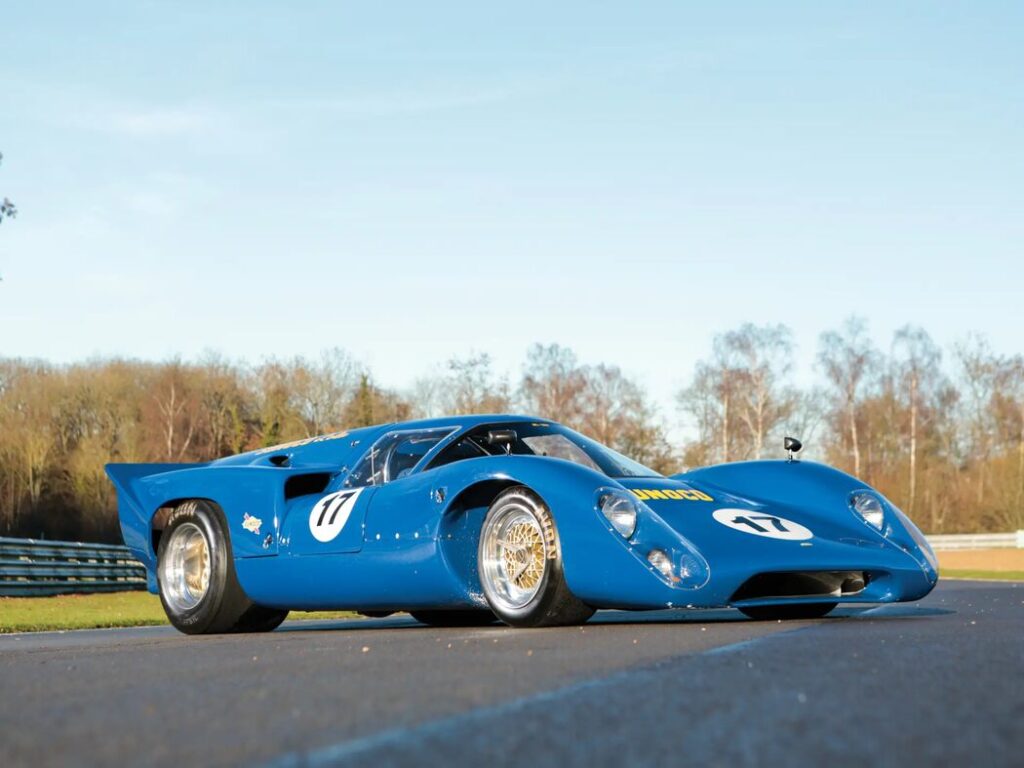
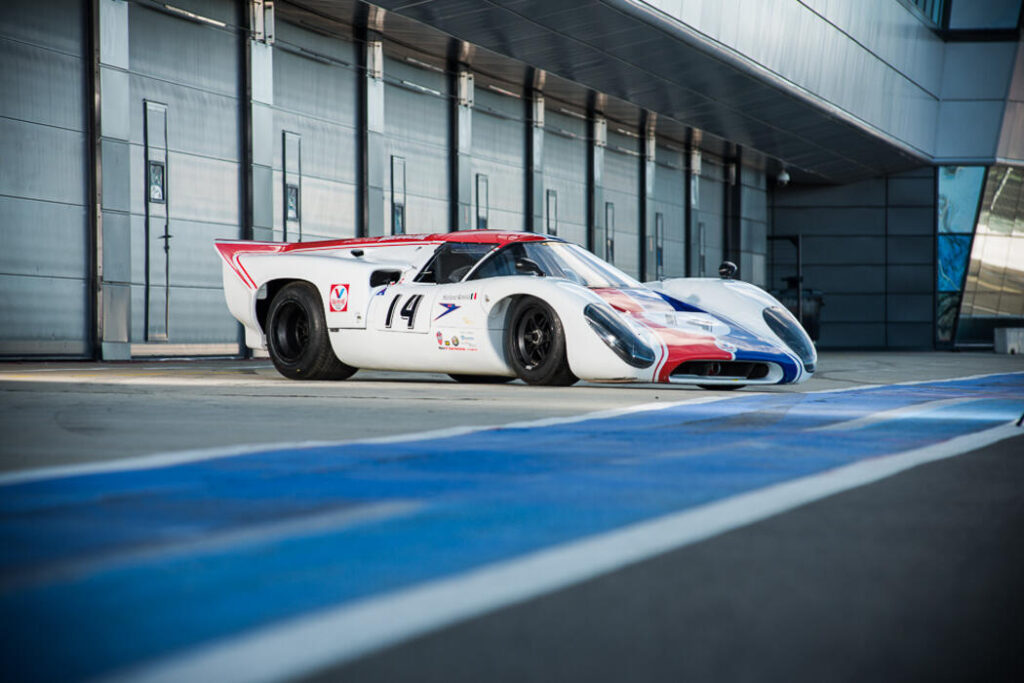

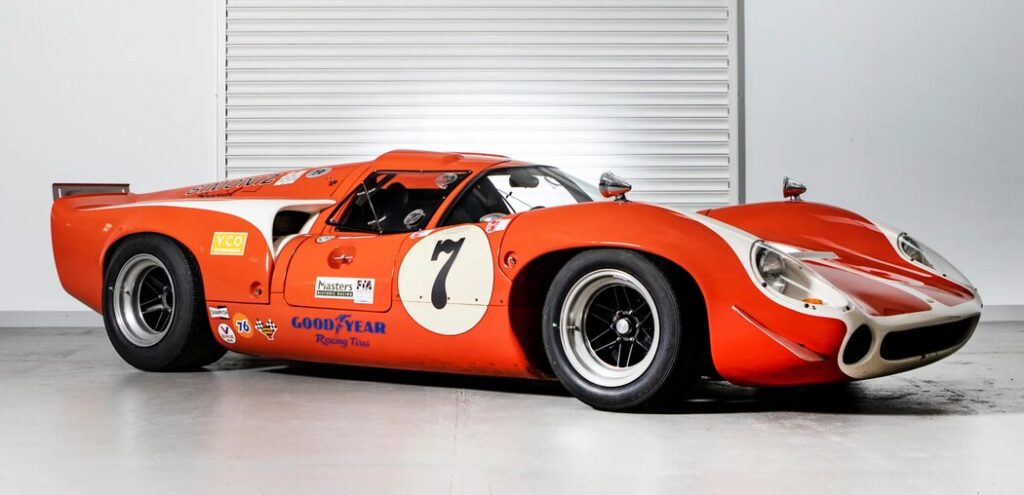
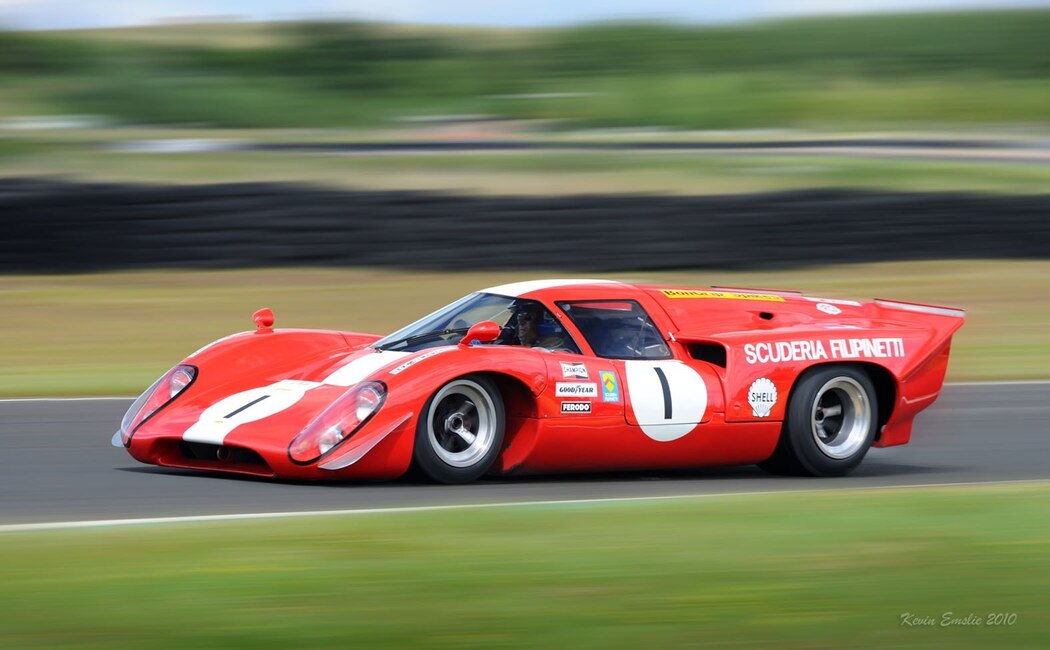
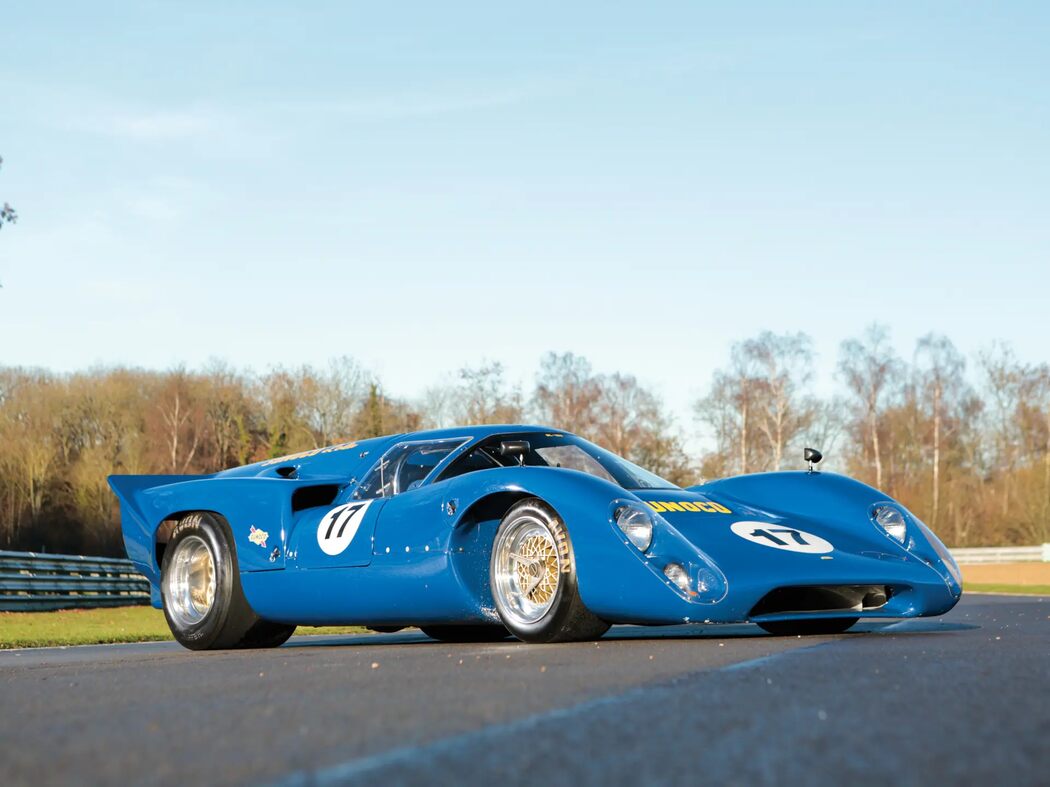
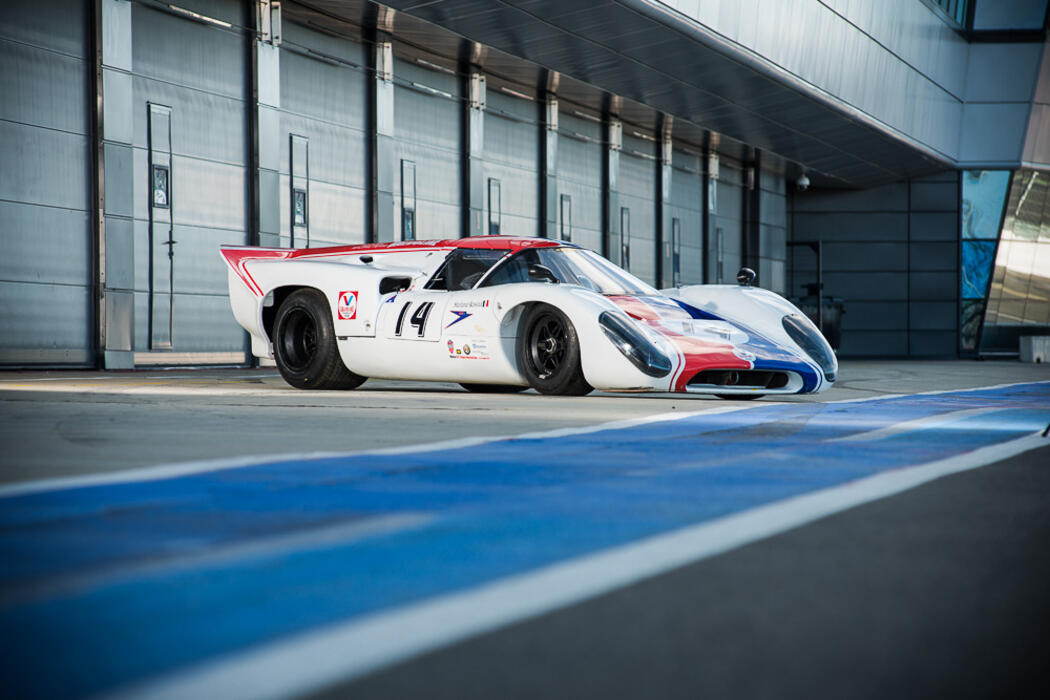
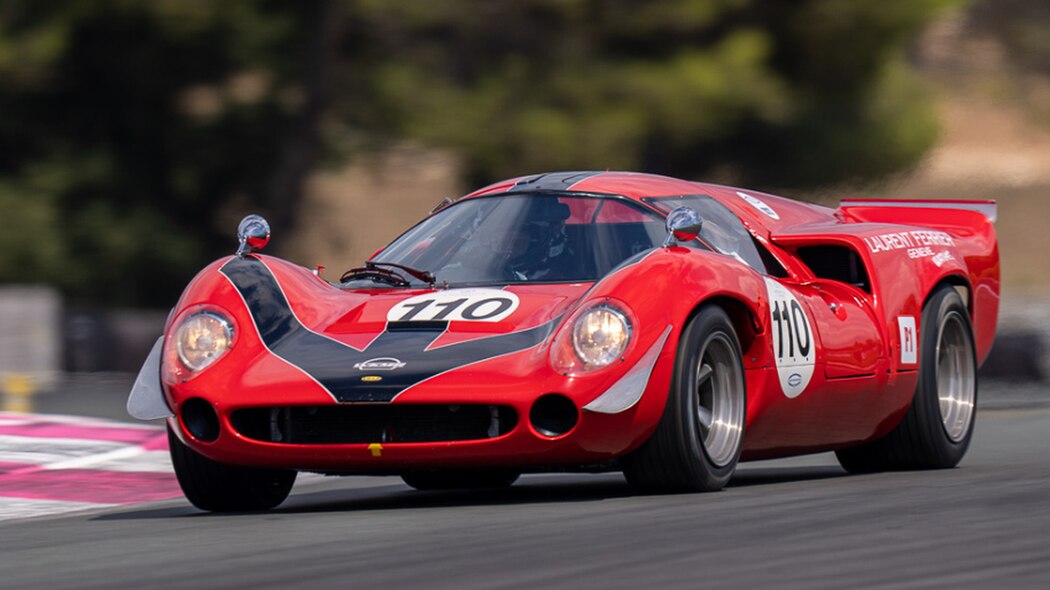
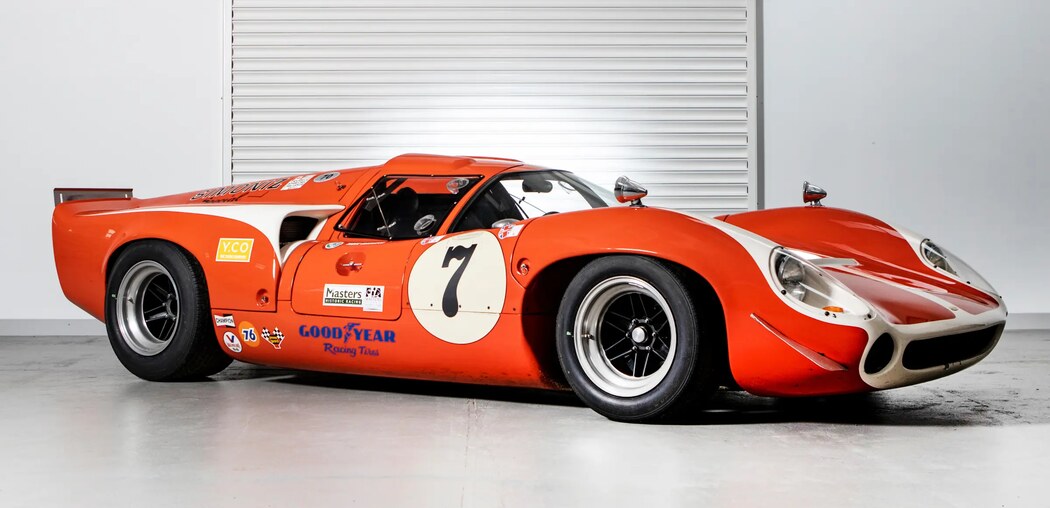
Image: Lola T70
This car was pure muscle wrapped in elegance. A thunderous V8 symphony that shook the tracks of the ‘60s.
The Lola T70 wasn’t just built—it was sculpted for speed. Lightweight, aerodynamic, and brutally fast.
In 1966, John Surtees piloted it to victory in the inaugural Can-Am Championship. A testament to its dominance and engineering prowess.
Then came 1969. Daytona. Mark Donohue and Chuck Parsons drove the T70 Mk3B to a historic win, outpacing the competition by nearly two minutes.
It wasn’t just a race car—it was a statement. A blend of British design and American power that left an indelible mark on motorsport history.
Highlights:
- Historic Victory: 1969 24 Hours of Daytona (Donohue & Parsons)
- Grand Races: Can-Am, 24 Hours of Daytona, RAC Tourist Trophy
- Driven by: John Surtees, Mark Donohue, Chuck Parsons, Denny Hulme
Specifications:
|
Engine |
5.0L Chevrolet V8 |
|
Power |
450 hp |
|
Top Speed |
290 km/h |
12. Subaru Impreza 555

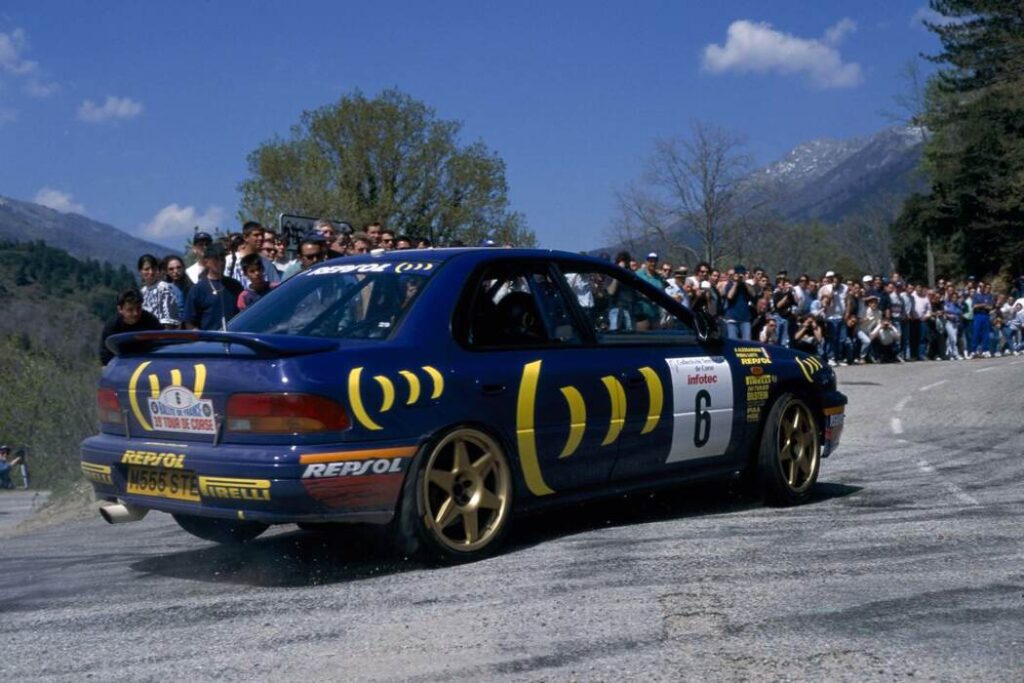
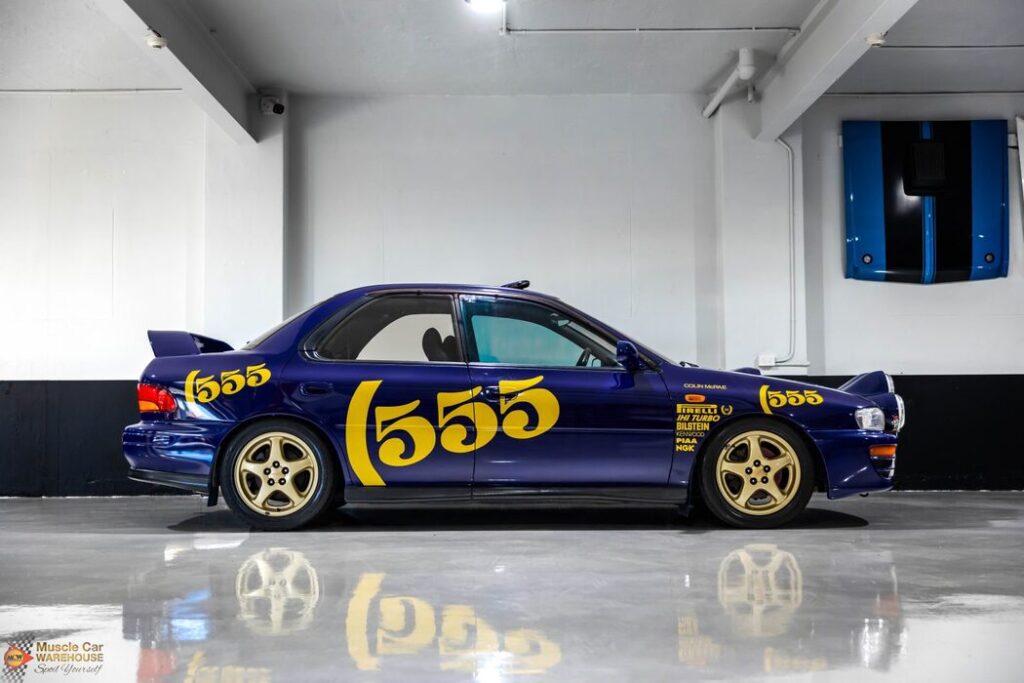

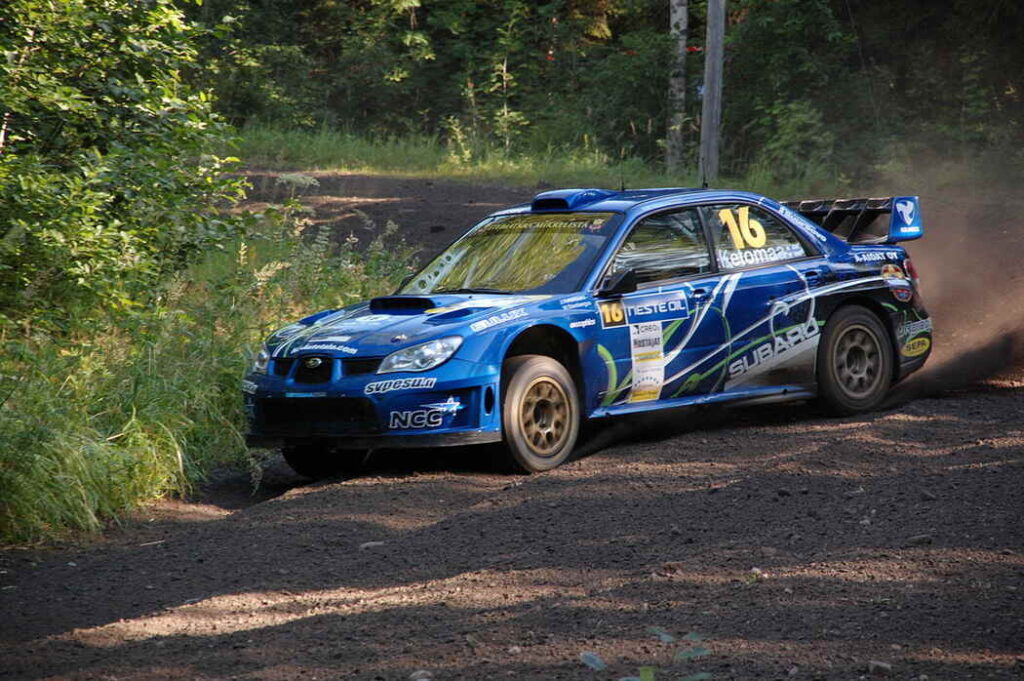
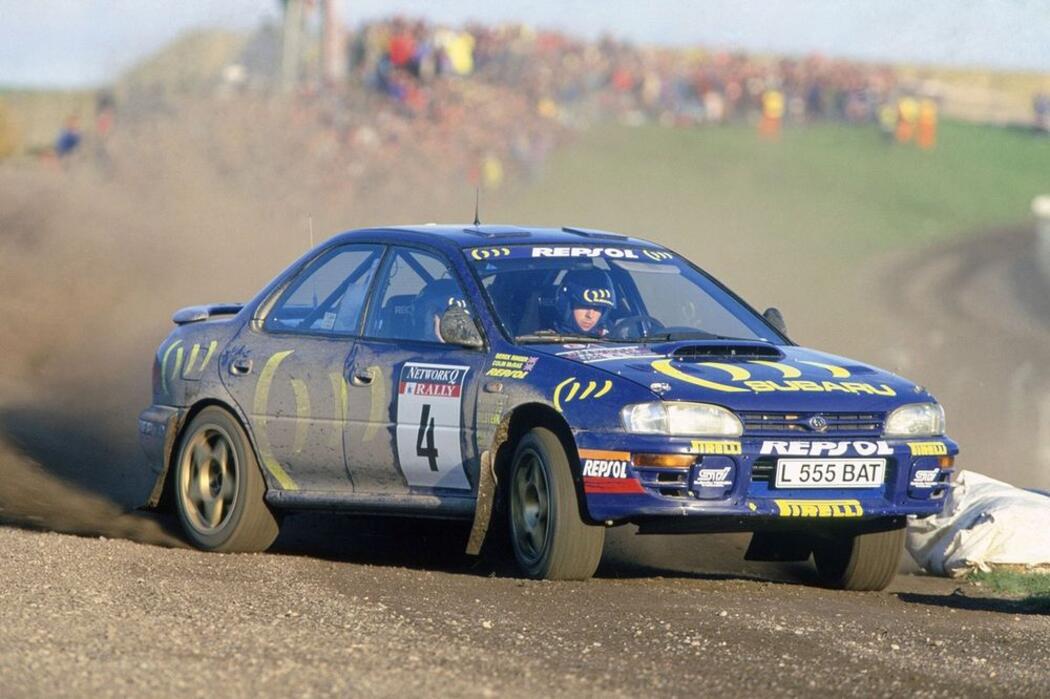
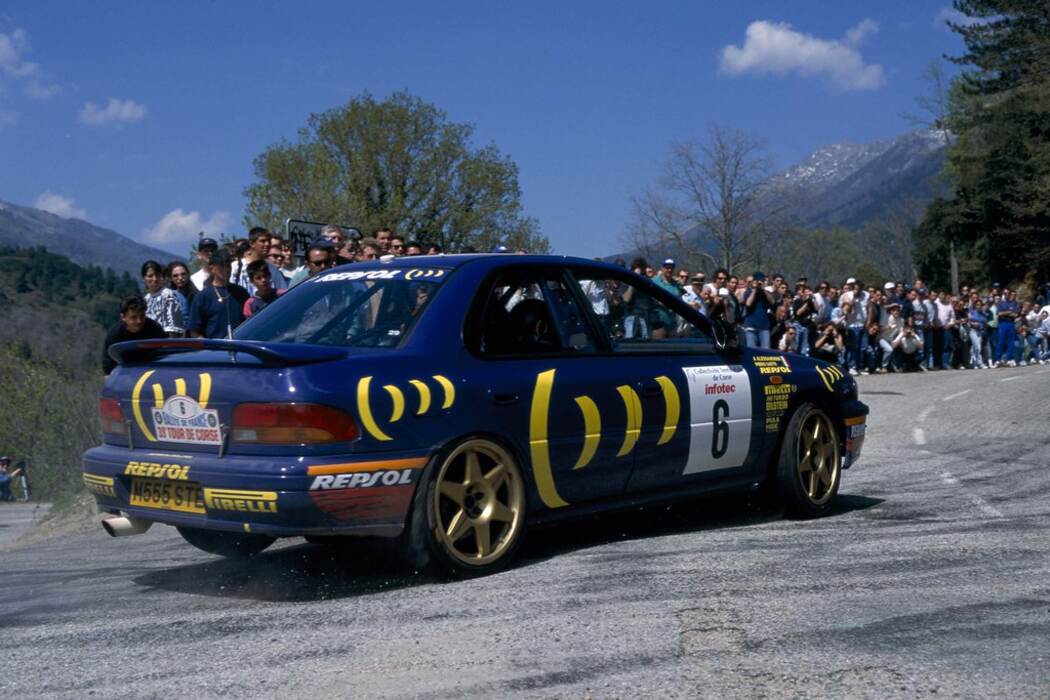
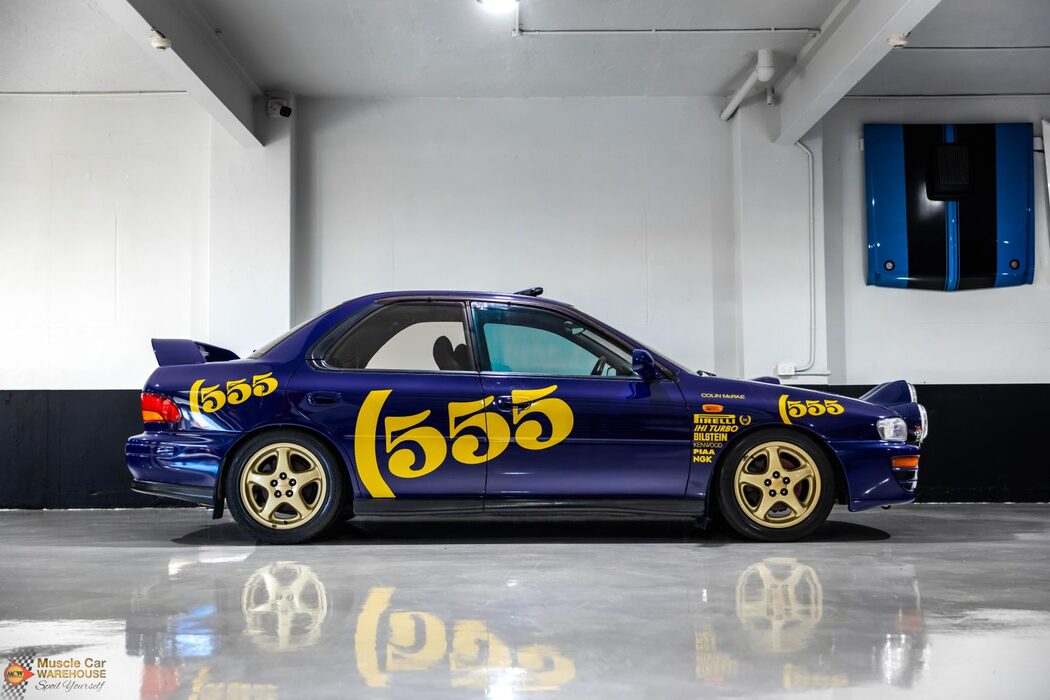

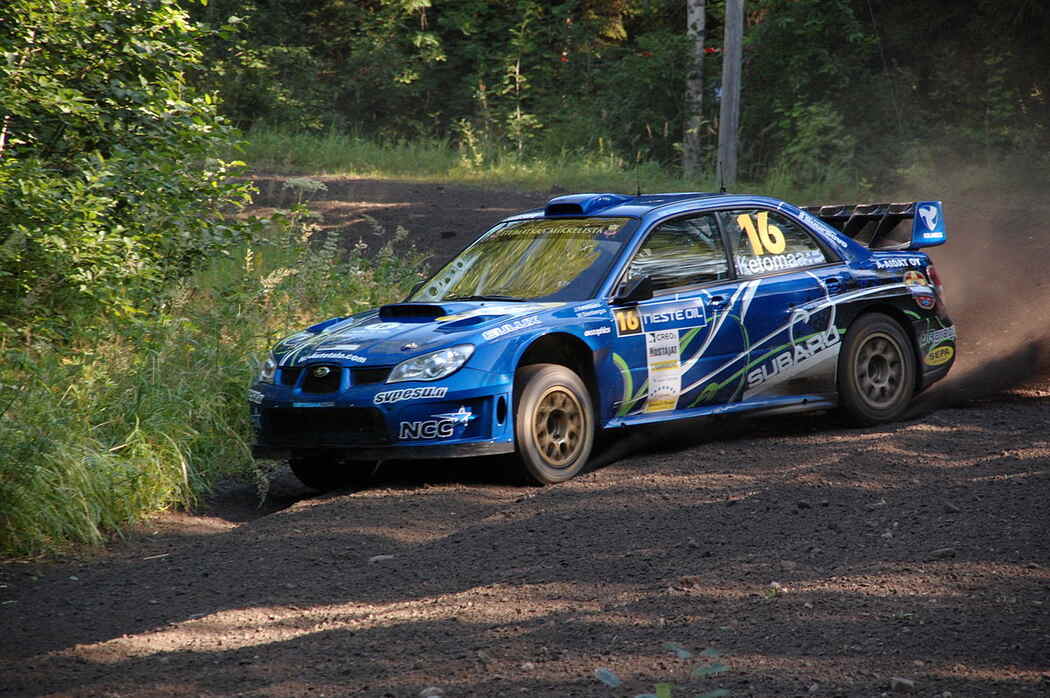
Image: Subaru Impreza 555
This car didn’t just race—it ignited a revolution.
The Subaru Impreza 555 wasn’t just a machine; it was a symbol of rallying’s golden era. With its turbocharged flat-four engine and iconic blue and yellow livery, it became a legend.
In 1995, Colin McRae piloted the 555 to his first and only World Rally Championship title, making him the youngest-ever WRC champion at the time.
The 555’s dominance didn’t stop there. It secured Subaru three consecutive manufacturers’ titles from 1995 to 1997, cementing its place in rally history.
Its combination of power, agility, and all-wheel-drive mastery made it nearly unbeatable on any terrain.
The 555 wasn’t just a car—it was a rallying icon.
Highlights:
- Historic Victory: 1995 World Rally Championship (Colin McRae’s title win)
- Grand Races: WRC events from 1993 to 1997, including Acropolis, Monte Carlo, and Rally GB
- Driven by: Colin McRae, Carlos Sainz, Richard Burns, Kenneth Eriksson
Specifications:
|
Engine |
2.0L turbocharged flat-four |
|
Power |
300+ hp |
|
Top Speed |
193 km/h |
11. Porsche 956
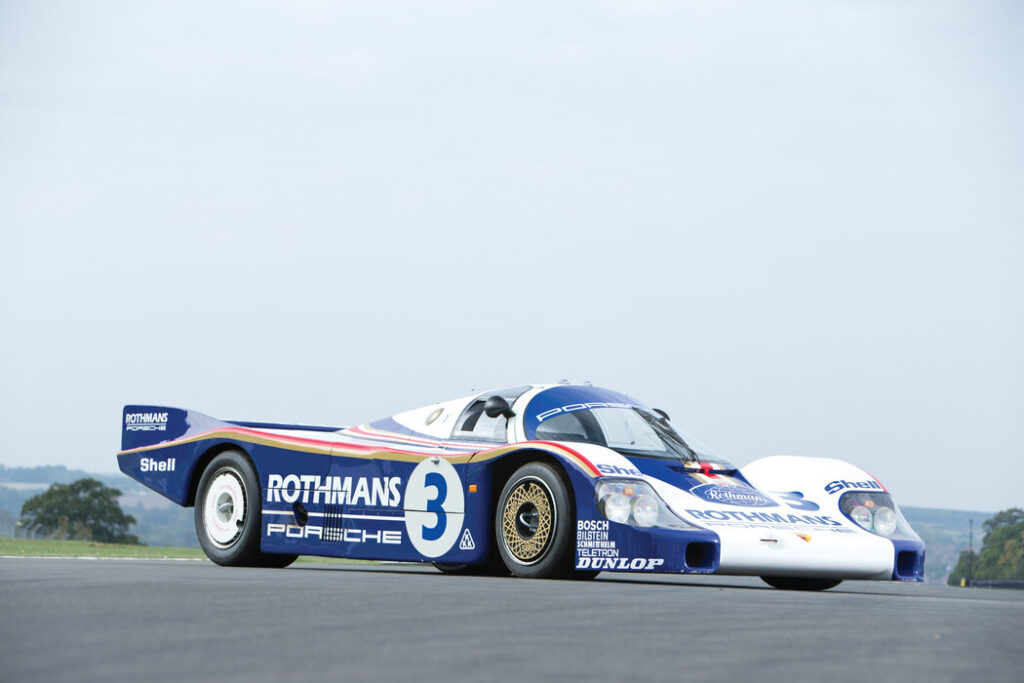
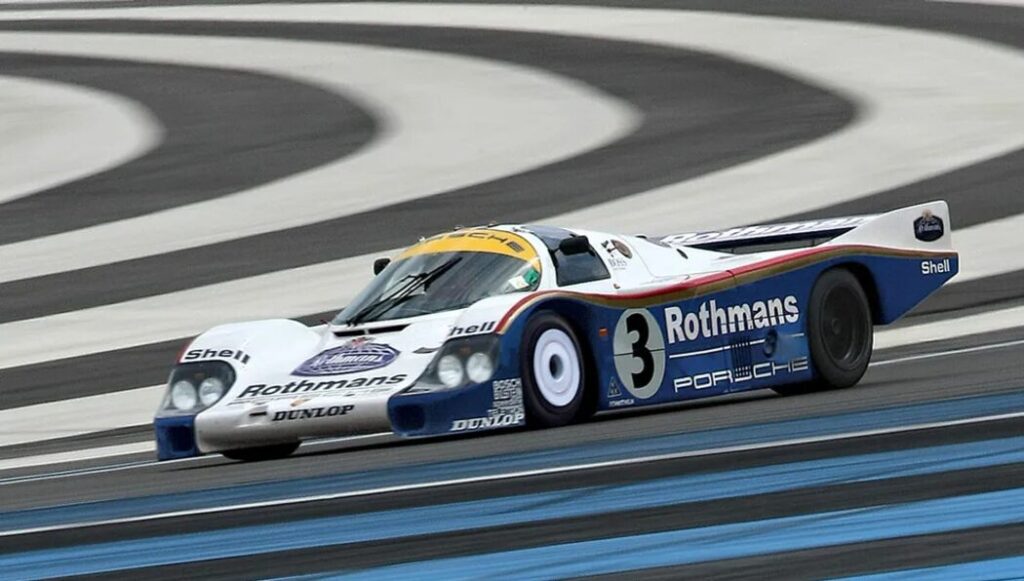


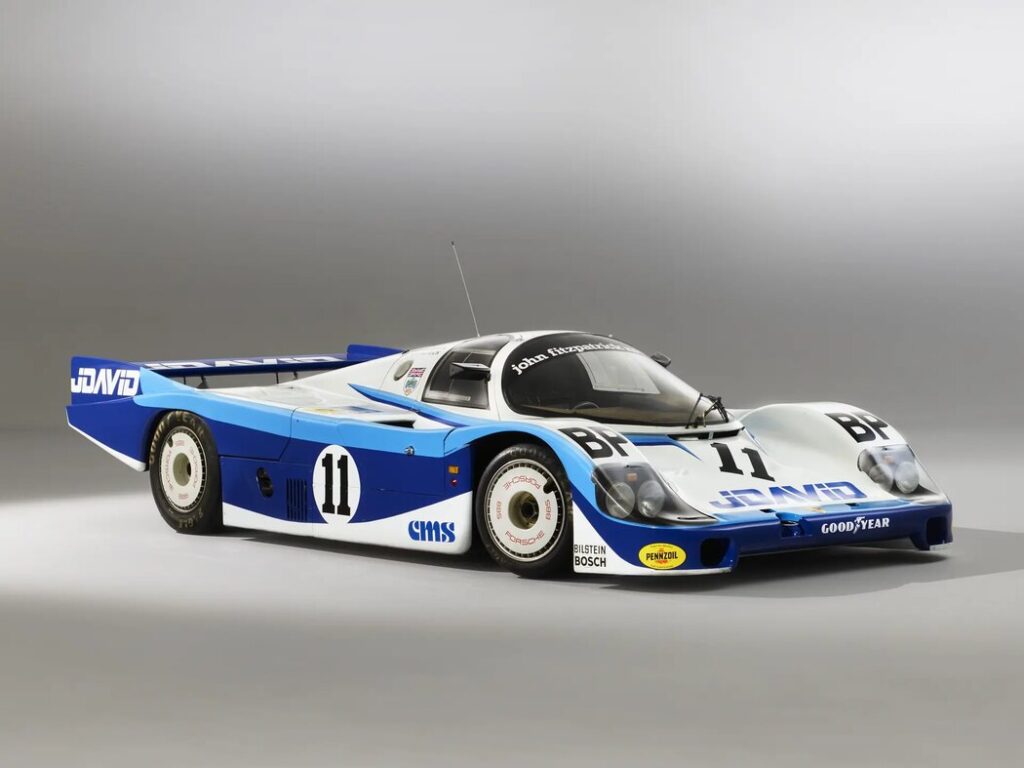
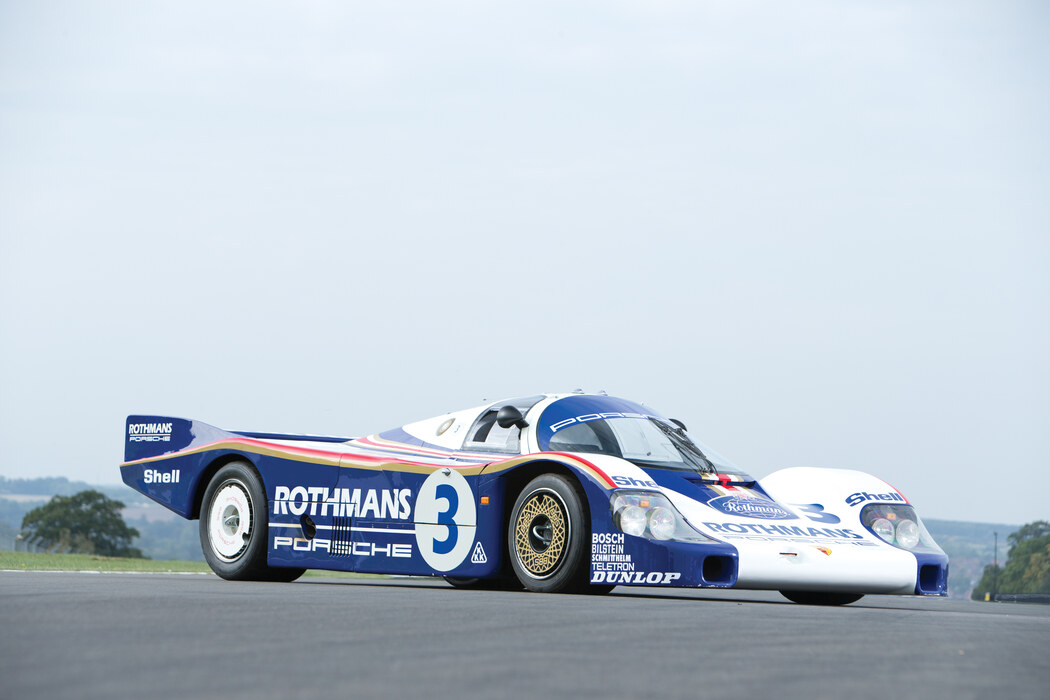
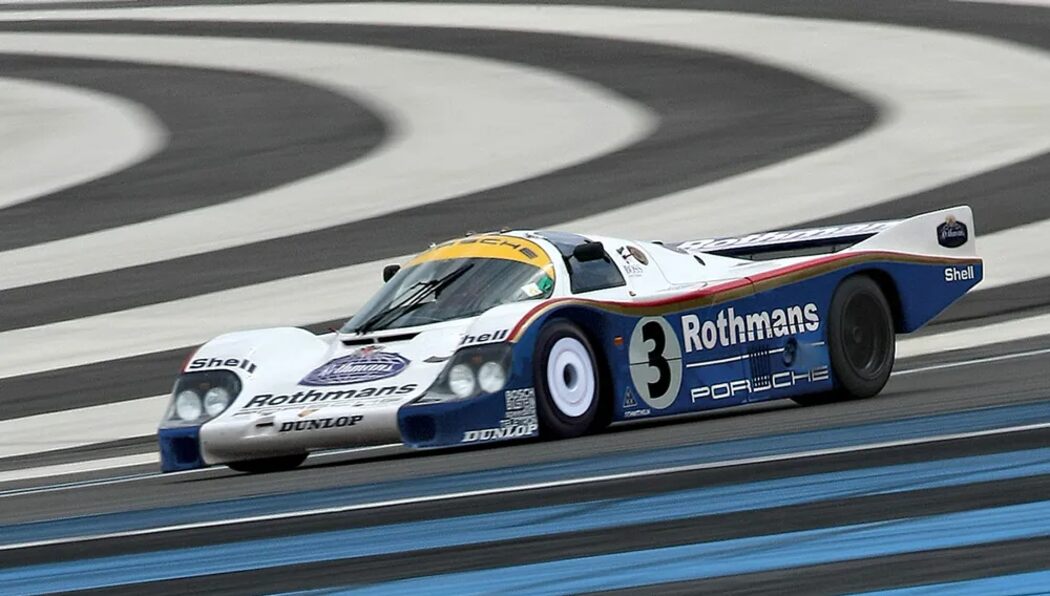
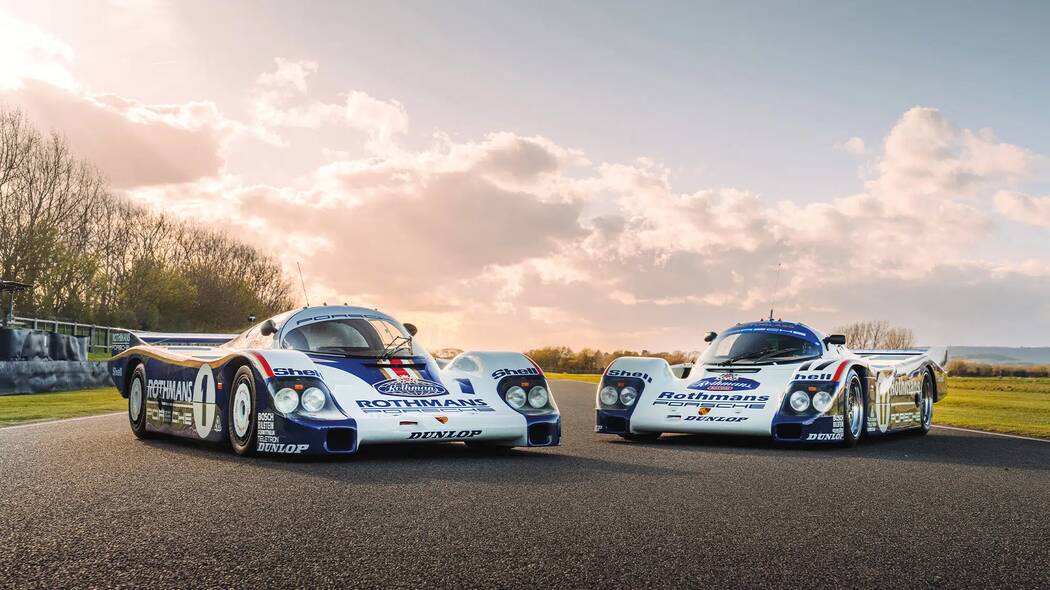
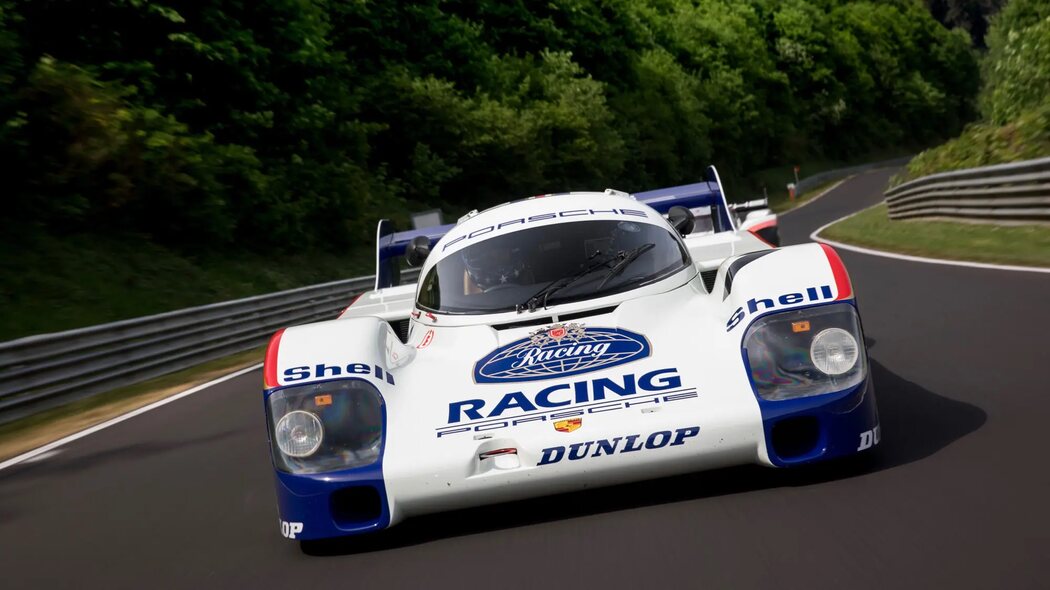
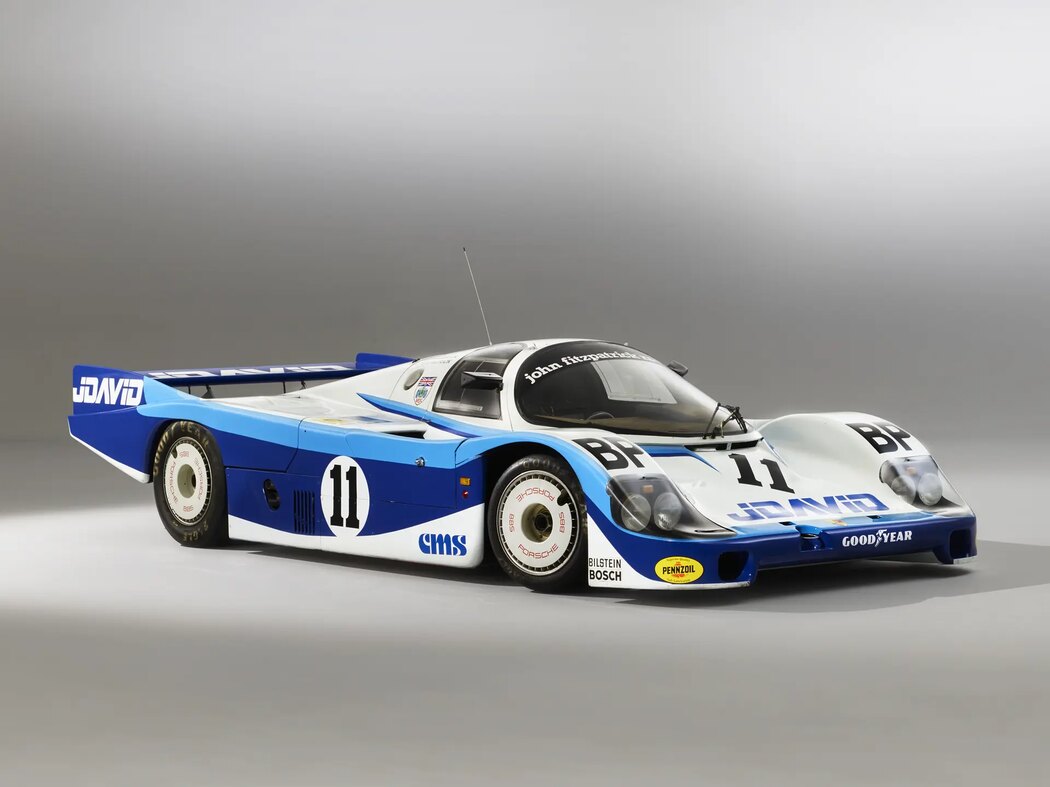
Image: Porsche 956
The moment it hit the track, everything changed. The Porsche 956 didn’t just compete—it altered the DNA of endurance racing.
With a lightweight monocoque chassis and ground-effect aerodynamics, this machine stuck to the road like nothing before it.
620 horsepower from a turbocharged flat-six pushed it past 210 mph. But it wasn’t just speed—it was brilliance in motion.
In 1982, it swept Le Mans with a 1-2-3 finish on debut. Then it did it again. And again. Three years of pure dominance.
And who could forget Bellof’s lap at the Nürburgring? 6:11.13—so fast it became legend.
The 956 didn’t chase history. It led it.
Highlights:
- Historic Victory: 1982 24 Hours of Le Mans (1-2-3 debut finish)
- Grand Races: Le Mans, Nürburgring 1000km, Spa 1000km
- Driven by: Jacky Ickx, Derek Bell, Stefan Bellof, Jochen Mass
Specifications:
|
Engine |
2.65L turbocharged flat-six |
|
Power |
620 hp |
|
Top Speed |
338 km/h |
10. Ford GT40
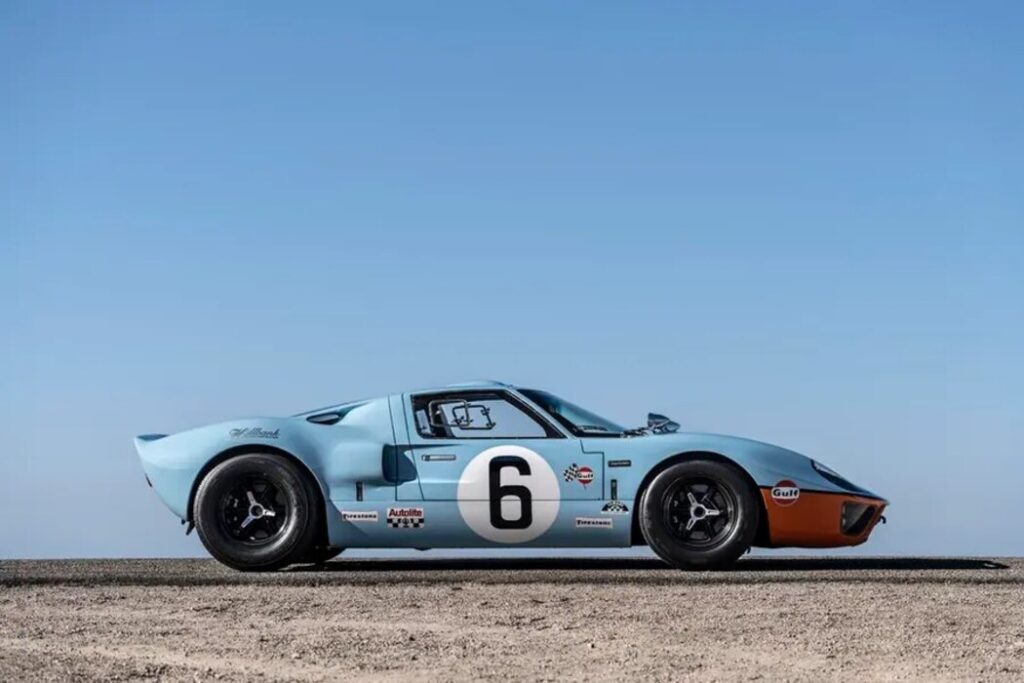
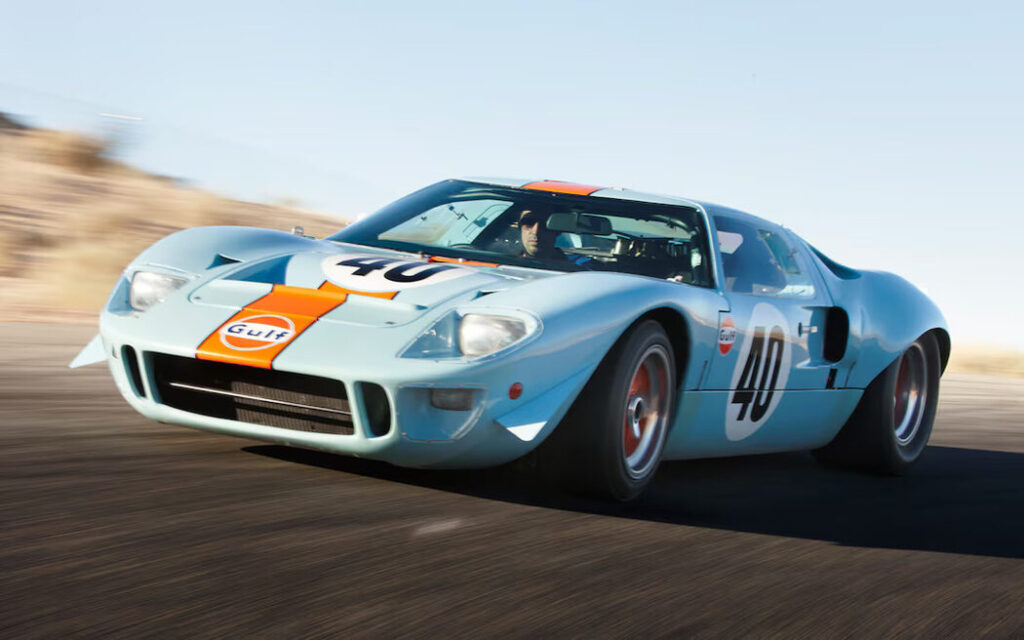
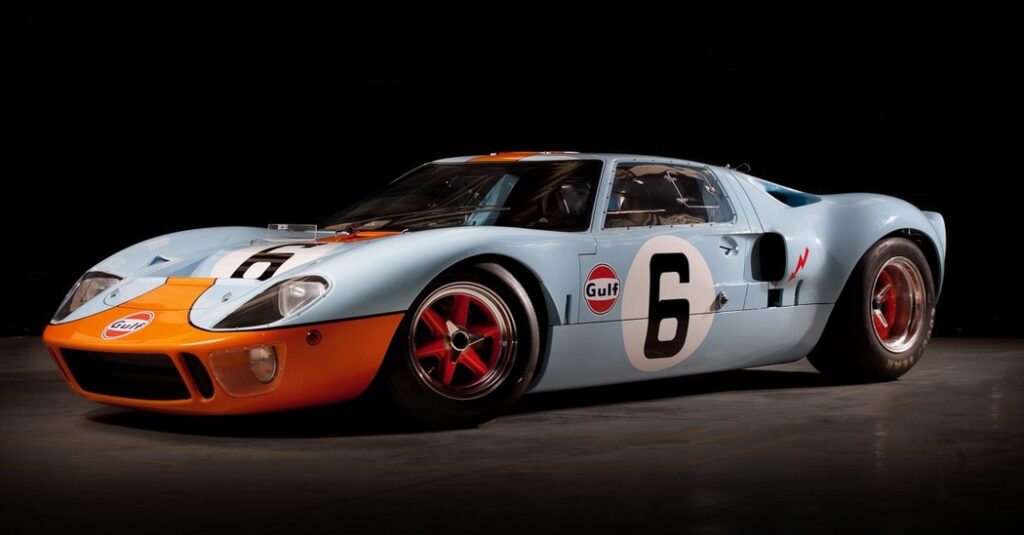
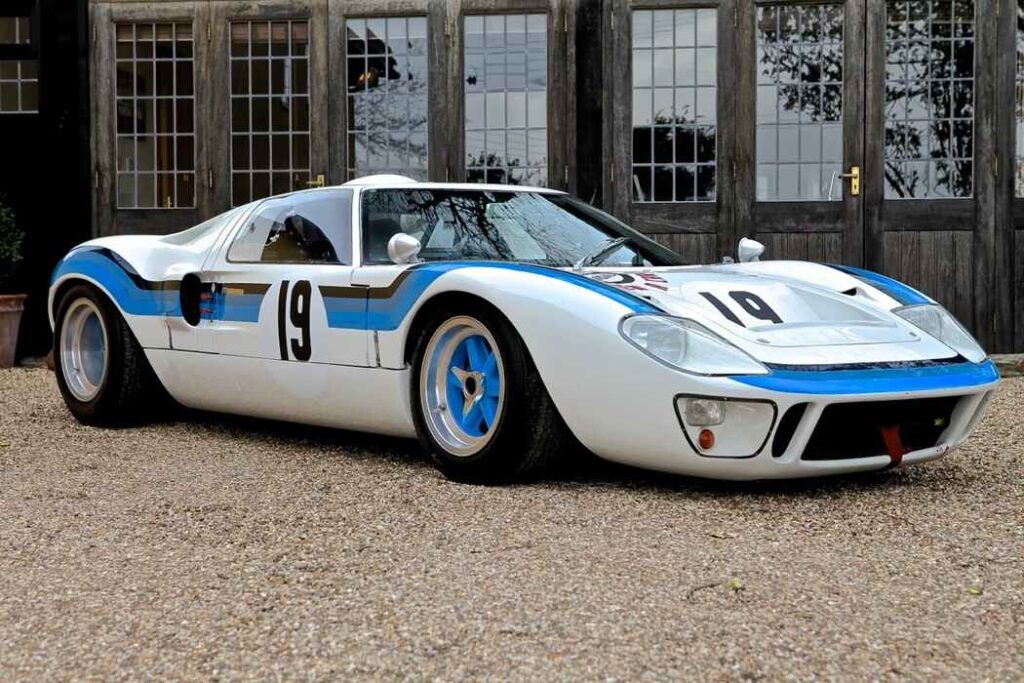
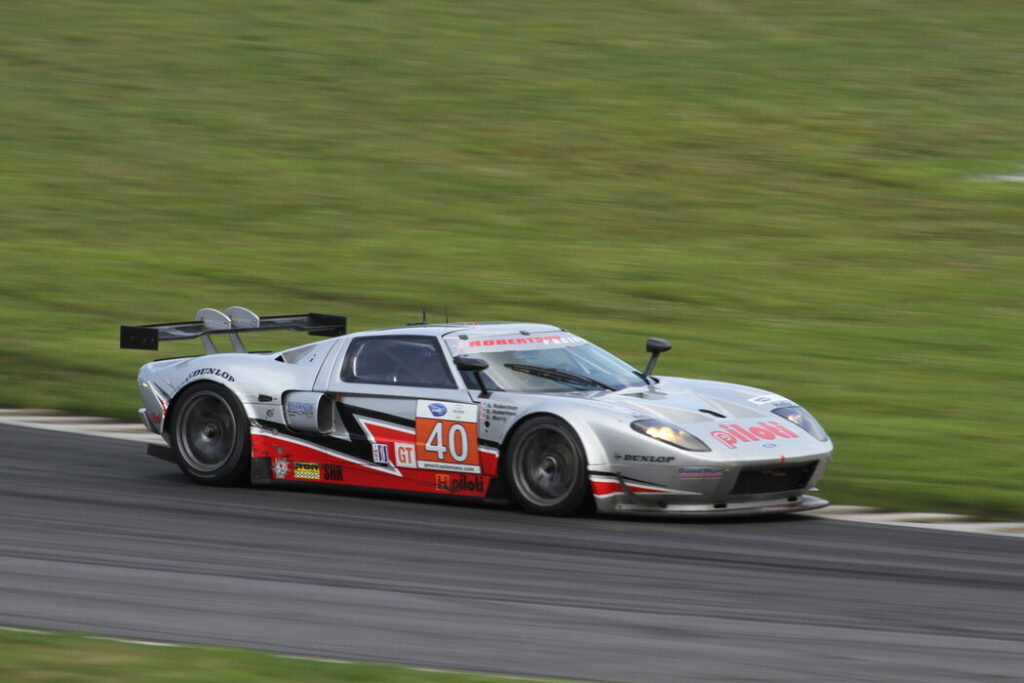
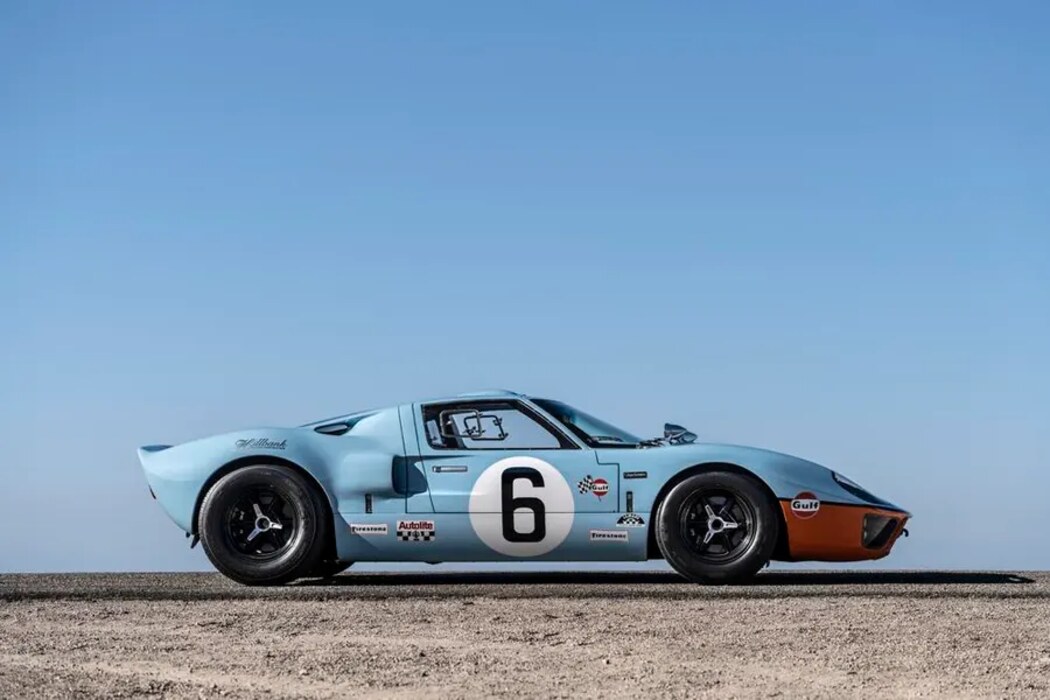
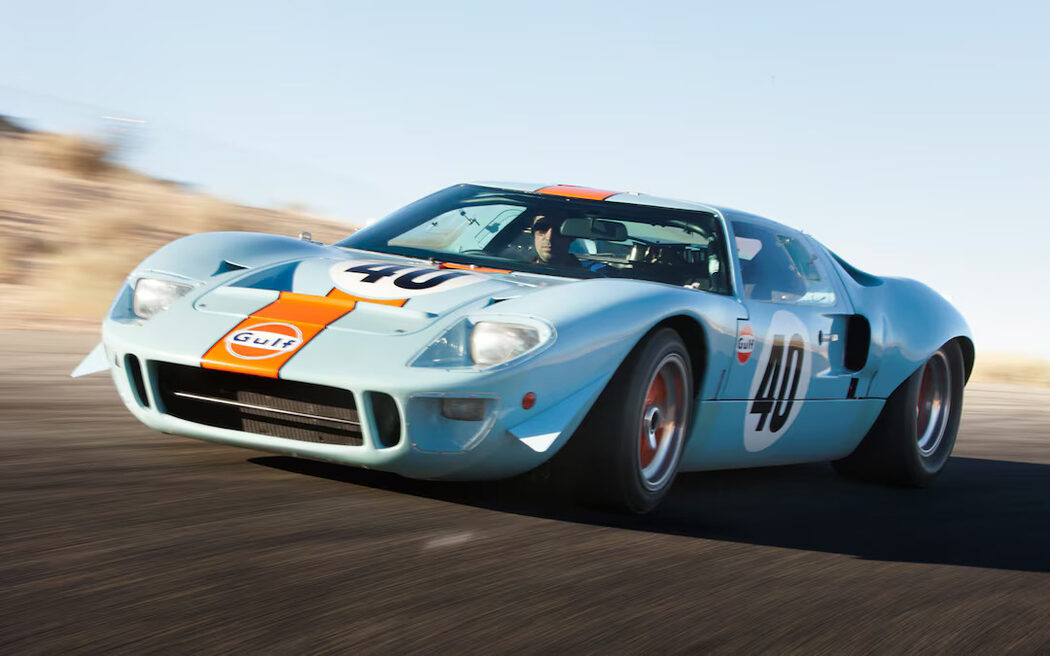
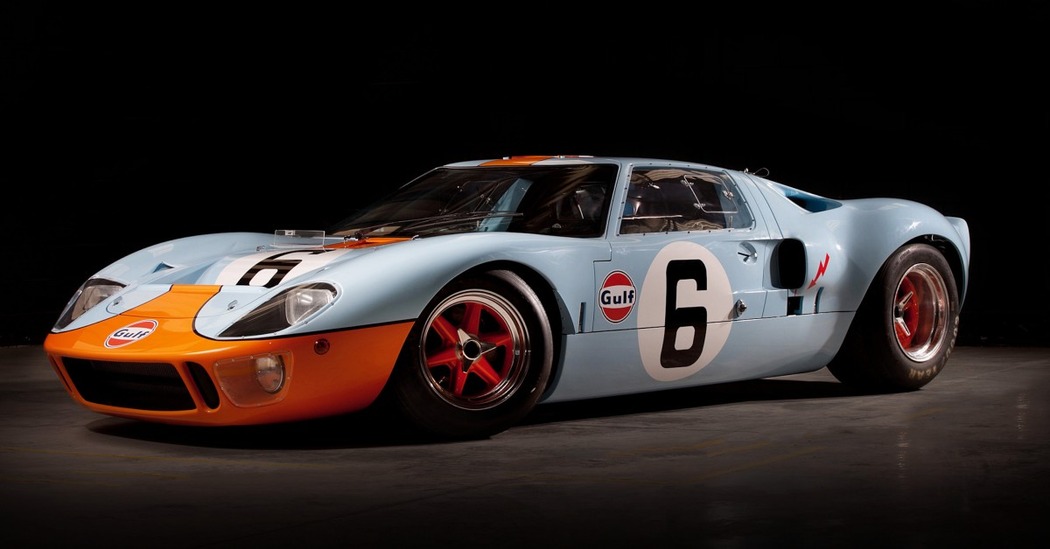
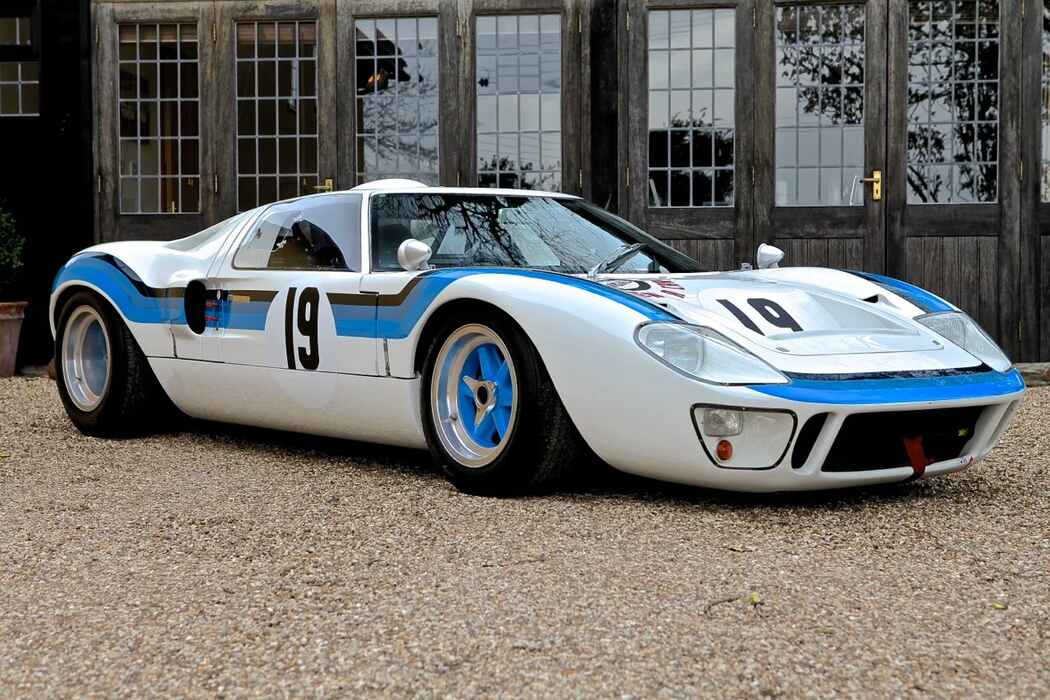
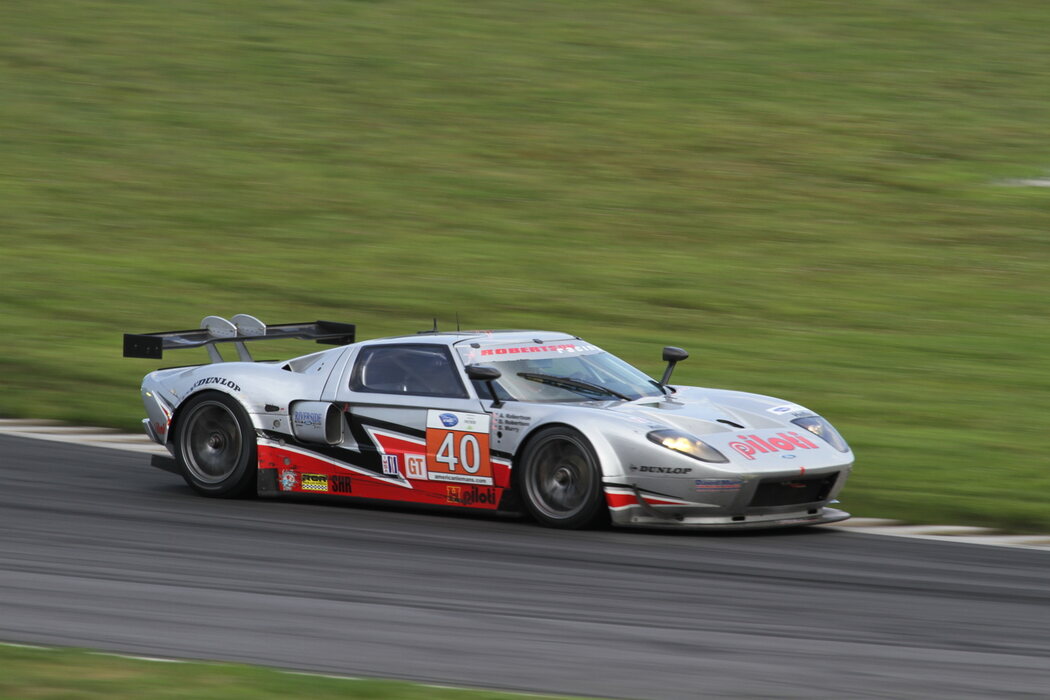
Image: Ford GT40
This wasn’t just a car—it was a declaration of war.
After Ferrari snubbed Ford’s offer to buy their company, Henry Ford II vowed revenge. The result? The GT40—a low-slung, V8-powered missile built to conquer Le Mans.
In 1966, it did just that. Bruce McLaren and Chris Amon crossed the finish line first, leading a historic 1-2-3 sweep.
But the GT40 didn’t stop there. It dominated Le Mans for four consecutive years, from 1966 to 1969, cementing its legacy.
The GT40 wasn’t just about speed—it was about settling scores and making history.
Highlights:
- Historic Victory: 1966 24 Hours of Le Mans (1-2-3 finish)
- Grand Races: Le Mans (1966–1969), Daytona 24 Hours, Sebring 12 Hours
- Driven by: Bruce McLaren, Chris Amon, Ken Miles, Dan Gurney, A.J. Foyt
Specifications:
|
Engine |
4.7L V8 |
|
Power |
485 hp |
|
Top Speed |
320 km/h |
9. Ferrari F2004
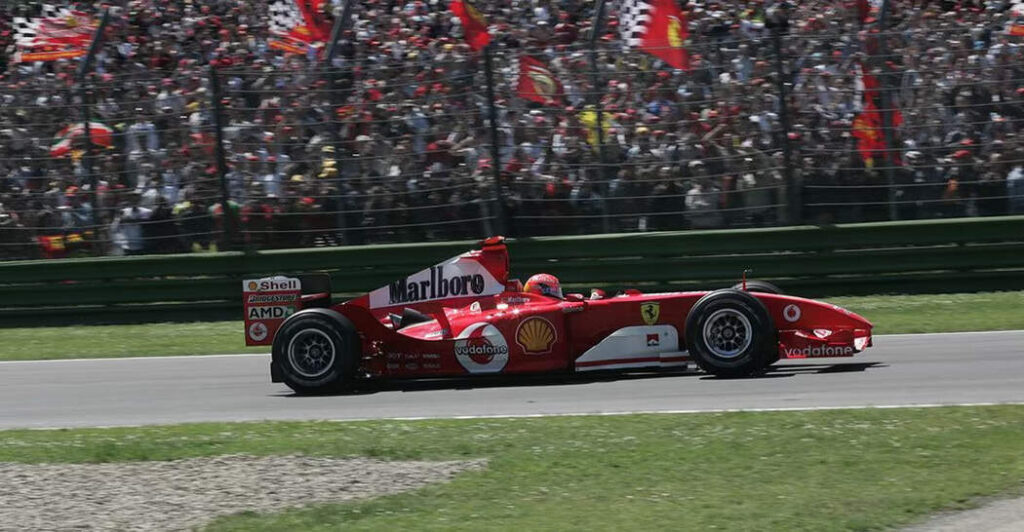
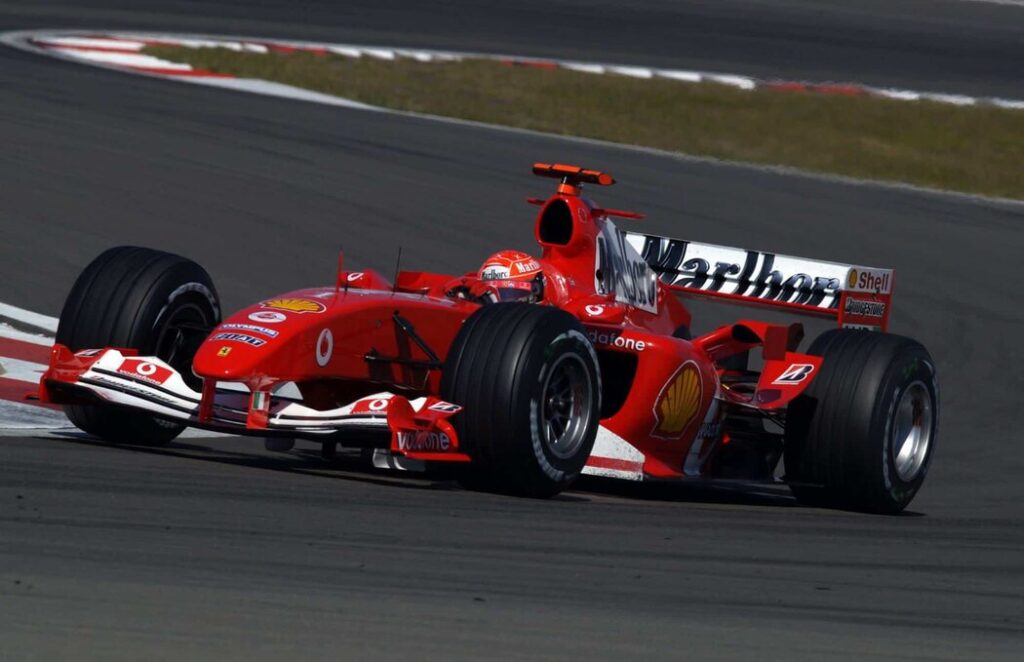
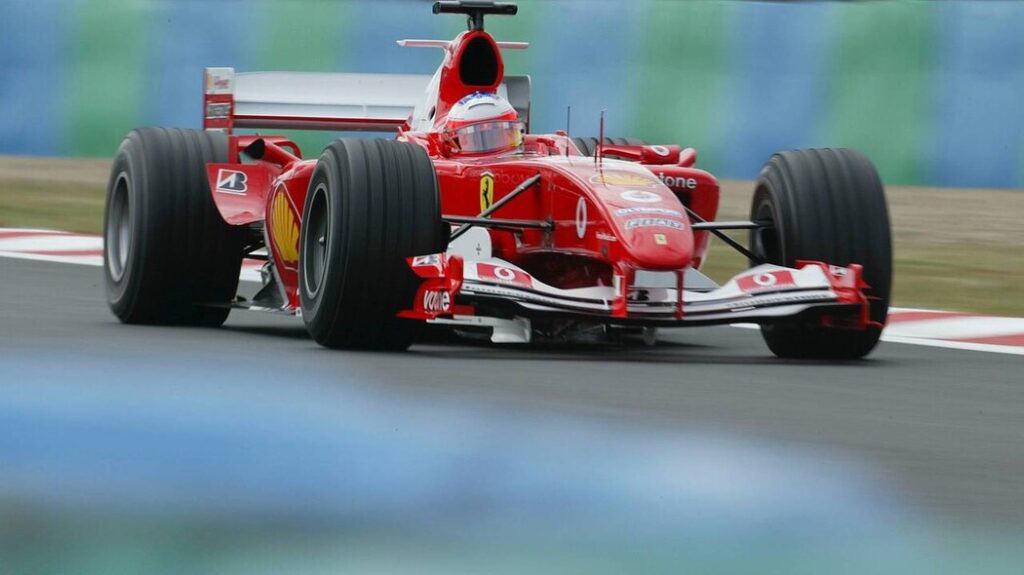
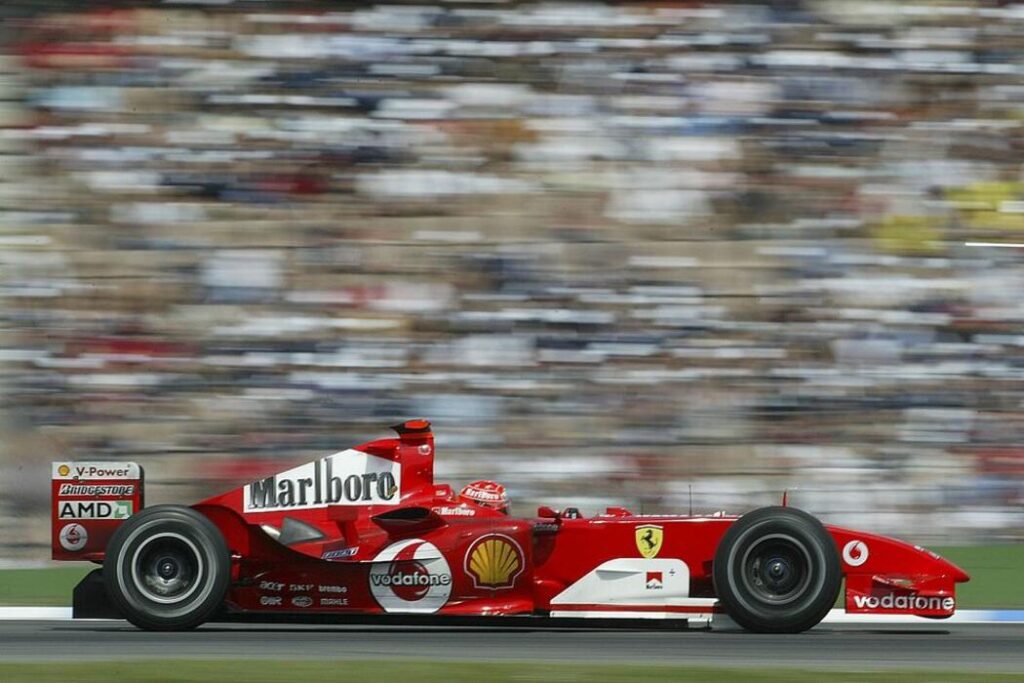
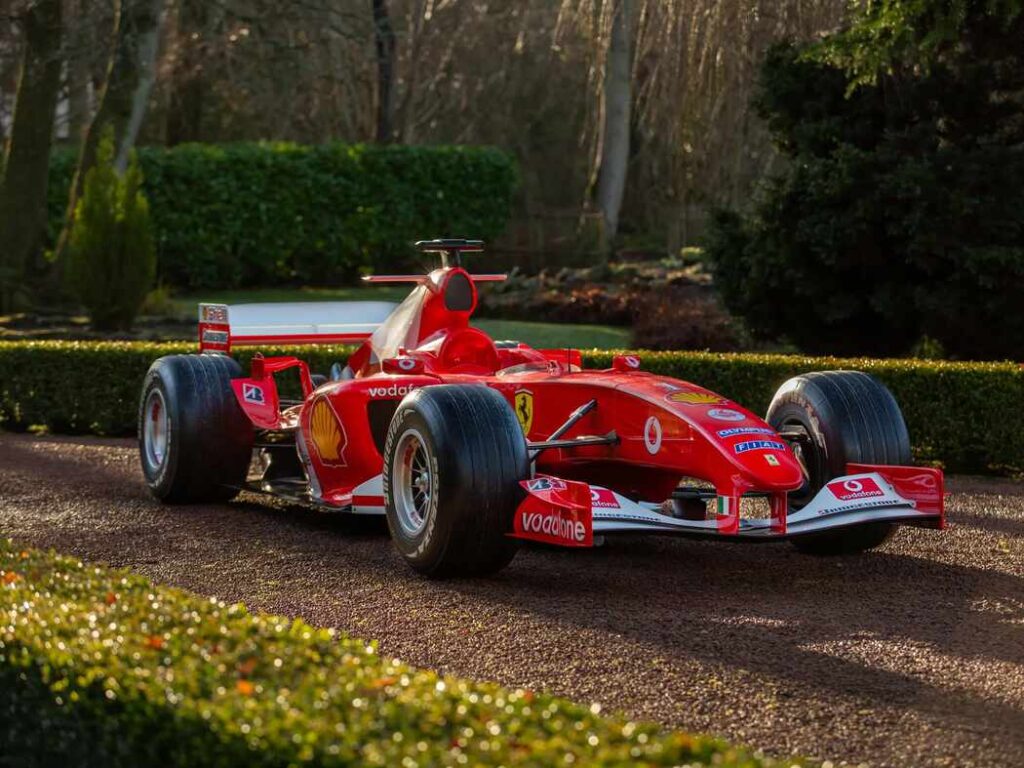
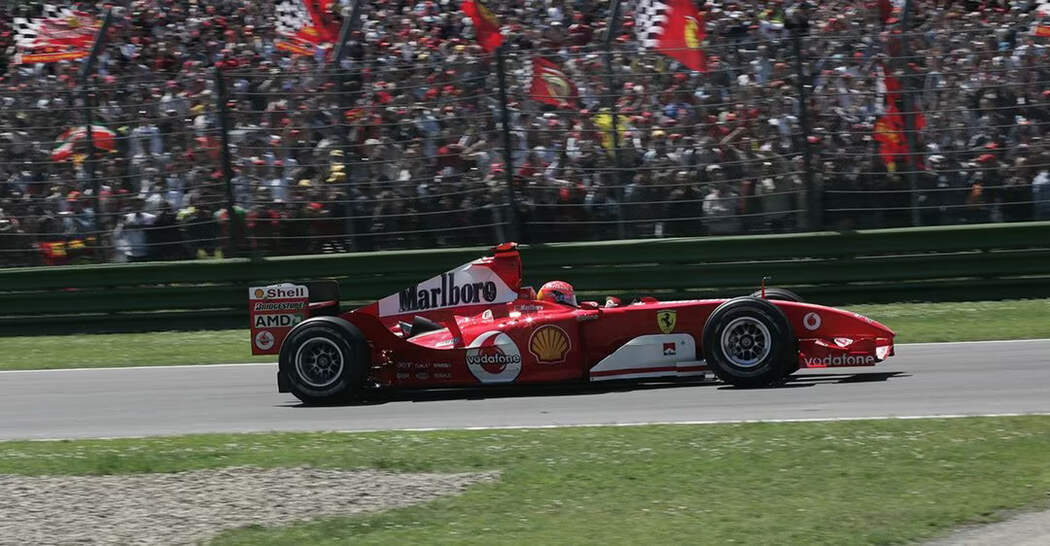
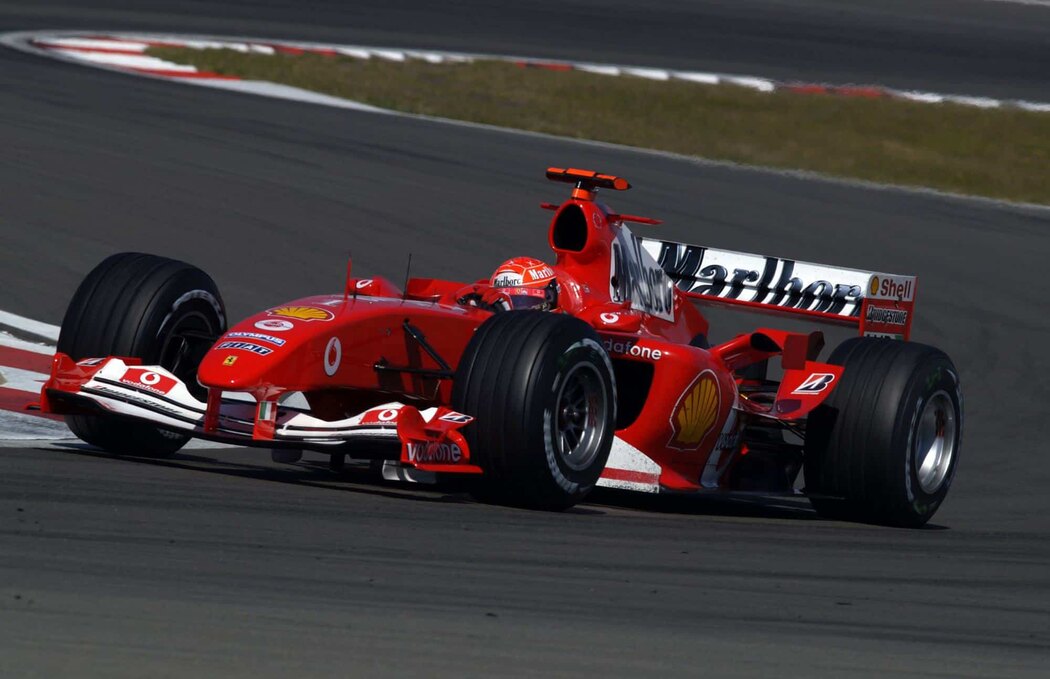
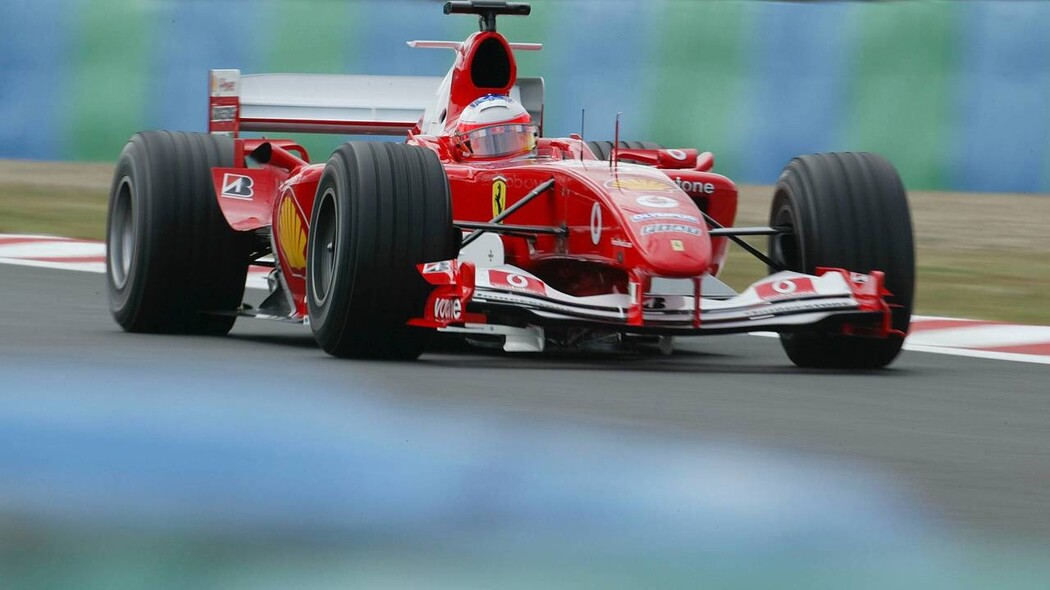
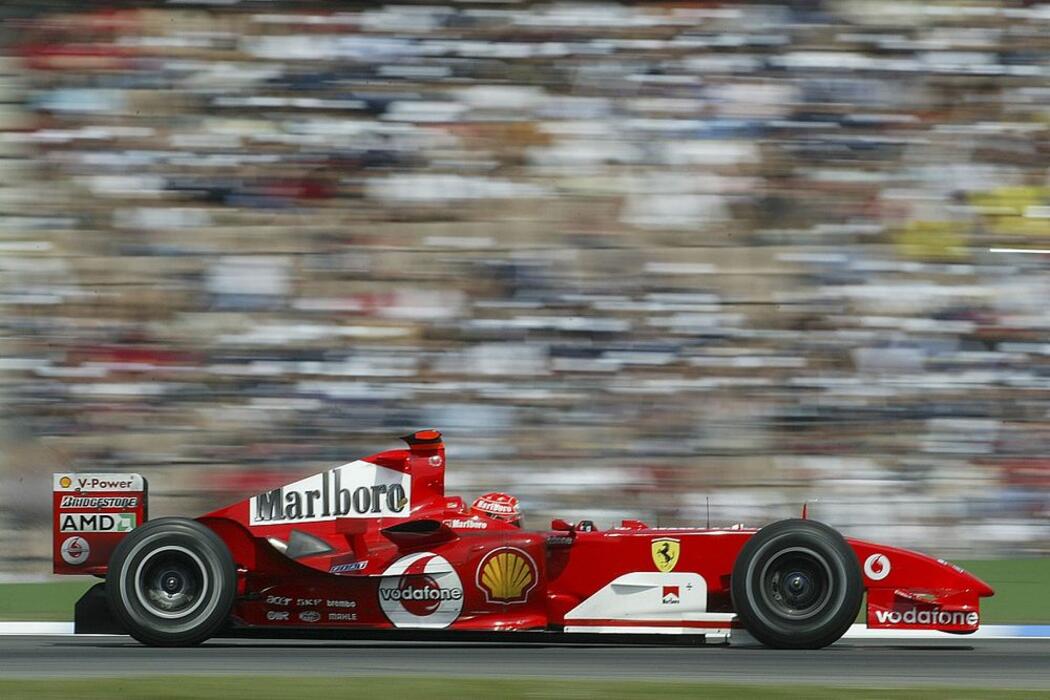
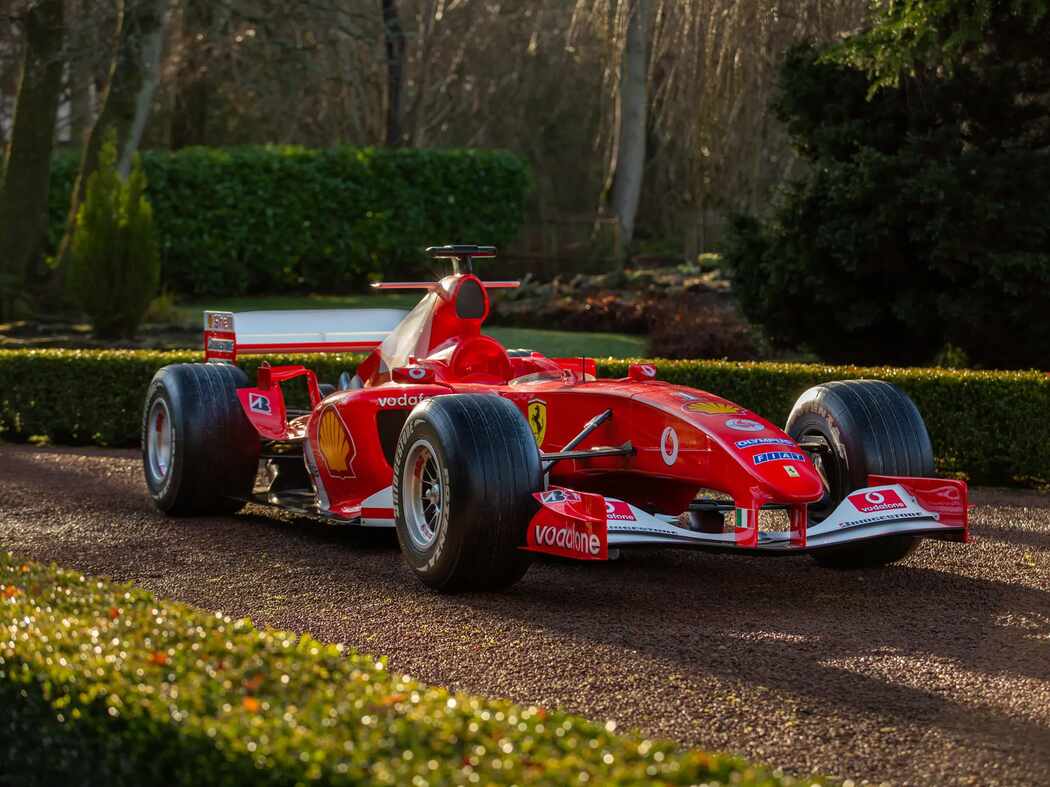
Image: Ferrari F2004
This car wasn’t just fast—it was a symphony of speed and precision.
The Ferrari F2004, crafted under the meticulous eyes of Rory Byrne and Ross Brawn, was the culmination of years of innovation. Its 3.0L V10 engine roared with 900 hp, propelling it to over 210 mph.
But it wasn’t just about raw power. The F2004’s aerodynamic refinements, including a lower center of gravity and improved weight distribution, made it a masterclass in engineering. It was designed to dominate—and it did.
In the 2004 season, Michael Schumacher piloted this machine to 13 victories out of 18 races, securing his seventh World Championship. Ferrari clinched the Constructors’ Championship with a staggering 262 points.
Even years later, the F2004’s lap records at circuits like Monza and Shanghai remain unbeaten, a testament to its unparalleled performance.
Highlights:
- Historic Victory: 2004 French Grand Prix (Schumacher’s strategic four-stop win)
- Grand Races: 2004 Formula 1 World Championship
- Driven by: Michael Schumacher, Rubens Barrichello
Specifications:
|
Engine |
3.0L V10 |
|
Power |
900 hp |
|
Top Speed |
338 km/h |
8. Audi R8 LMP
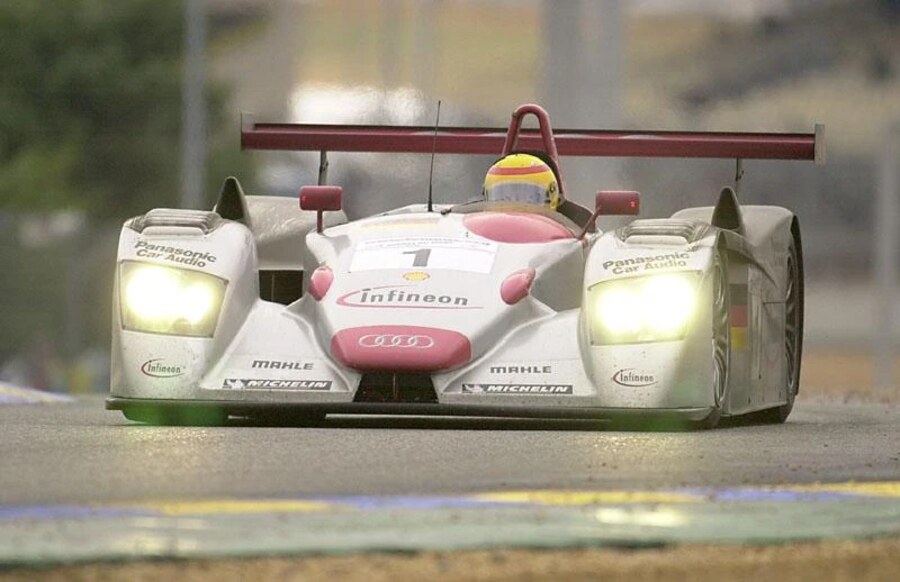
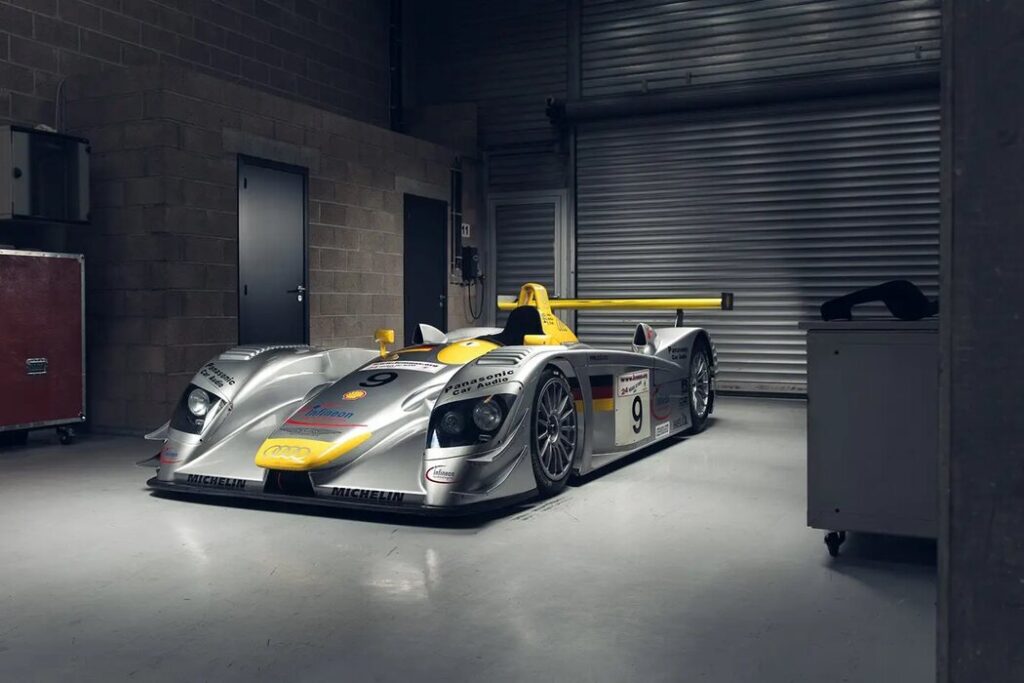
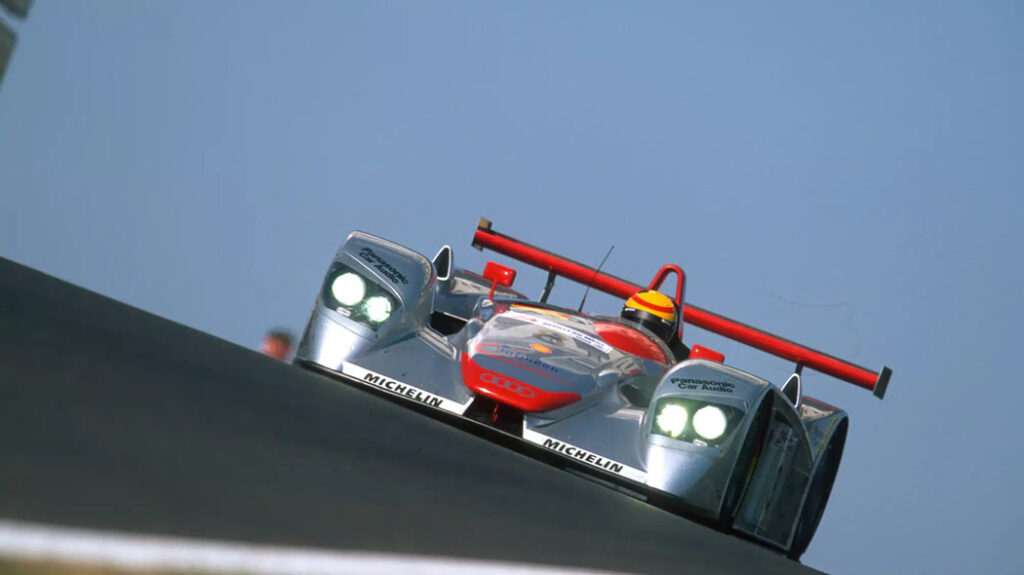
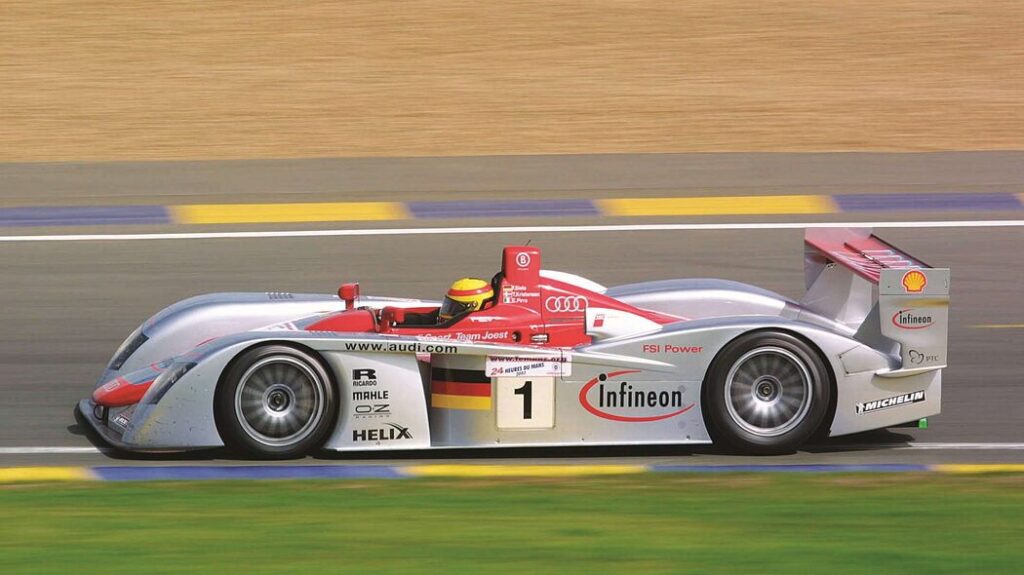
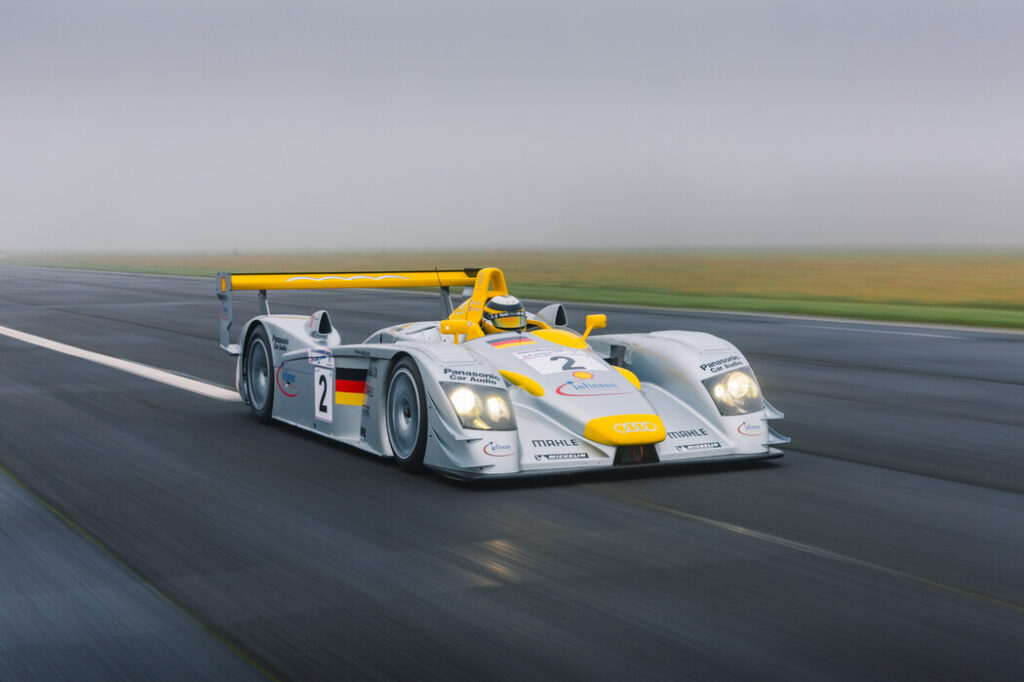
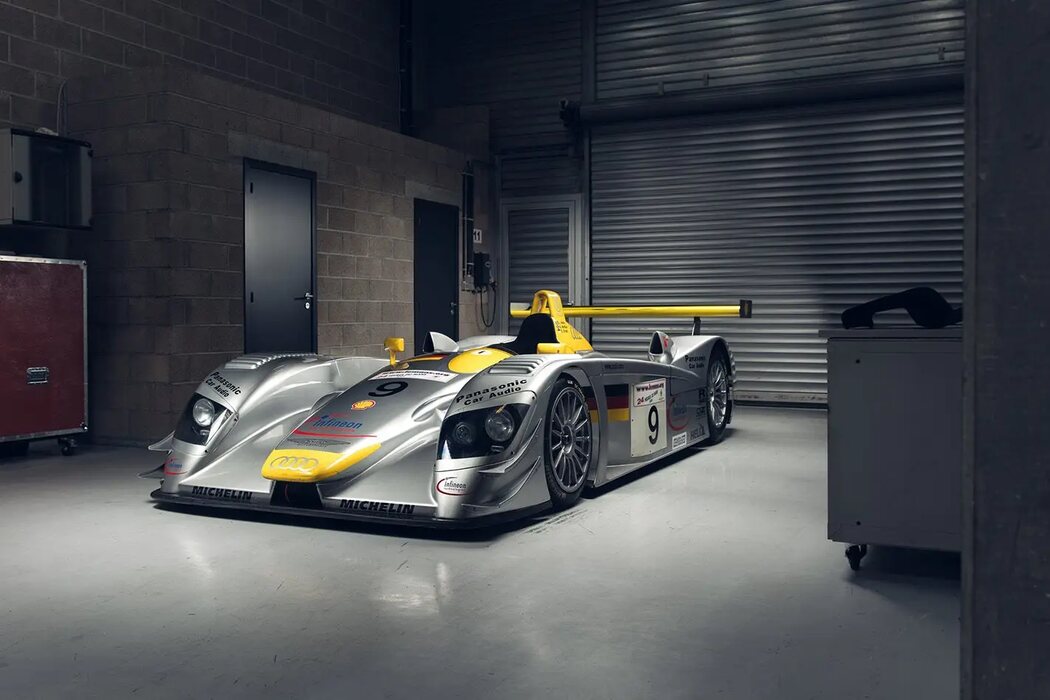
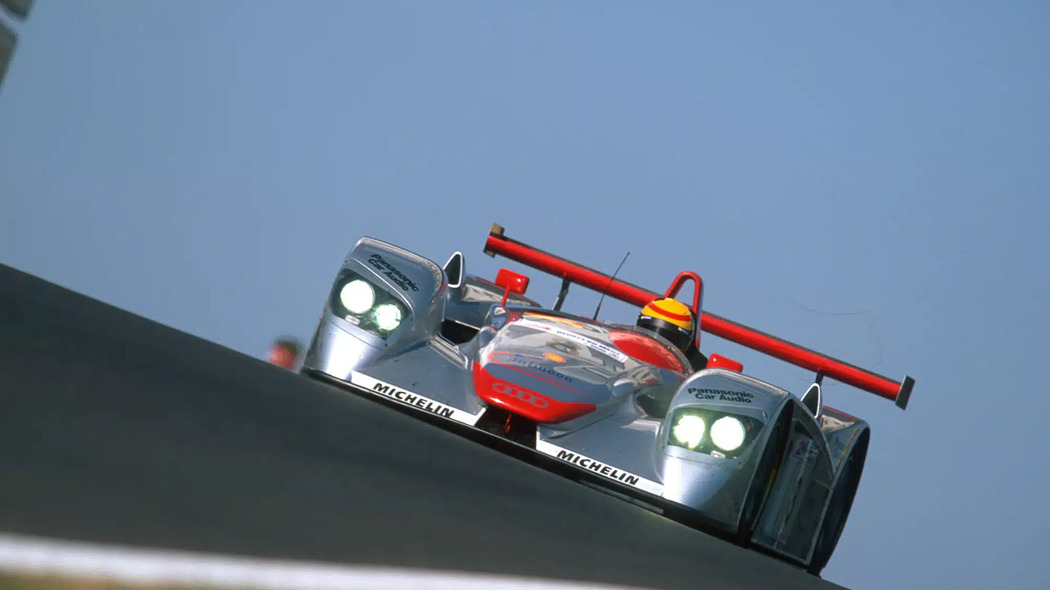
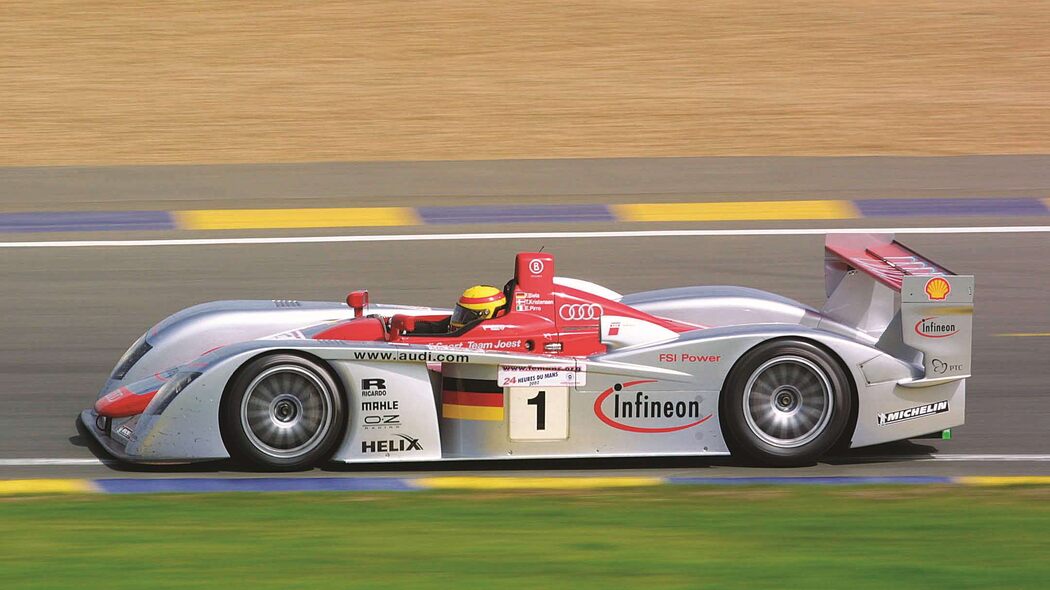
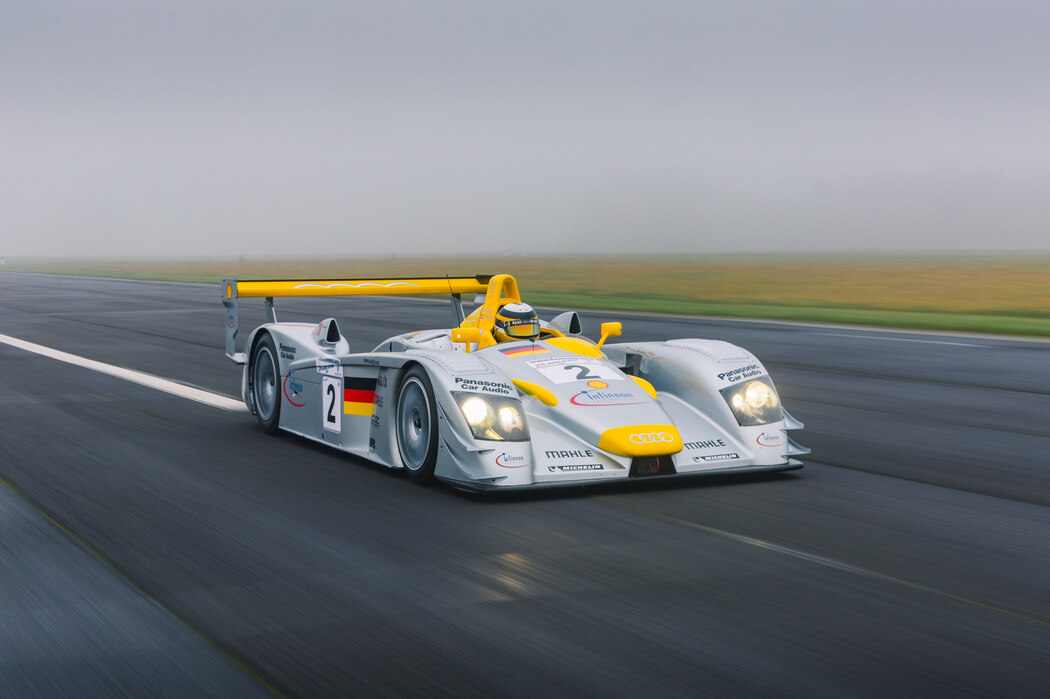
Image: Audi R8 LMP
This wasn’t just dominance—it was precision, perfected.
The Audi R8 LMP didn’t look loud or wild. But when it hit the track, it was cold, calculated destruction.
Its twin-turbo V8 pushed past 610 hp, but it wasn’t just the power. It was the control. The stability. The unshakable confidence.
From 2000 to 2005, it owned Le Mans—five wins in six years. And in the U.S.? Six straight ALMS championships. Nobody came close.
Quick-change rear ends. Lightning-fast pit stops. Audi rewrote the rulebook while everyone else was still flipping pages.
This car wasn’t built to be exciting. It was built to win—and that’s exactly what it did.
Highlights:
- Historic Victory: 2000 24 Hours of Le Mans (Debut win)
- Grand Races: Le Mans, American Le Mans Series
- Driven by: Tom Kristensen, Allan McNish, Frank Biela, Emanuele Pirro, Dindo Capello
Specifications:
|
Engine |
3.6L turbocharged V8 |
|
Power |
500+ hp |
|
Top Speed |
320 km/h |
7. BMW E30 M3
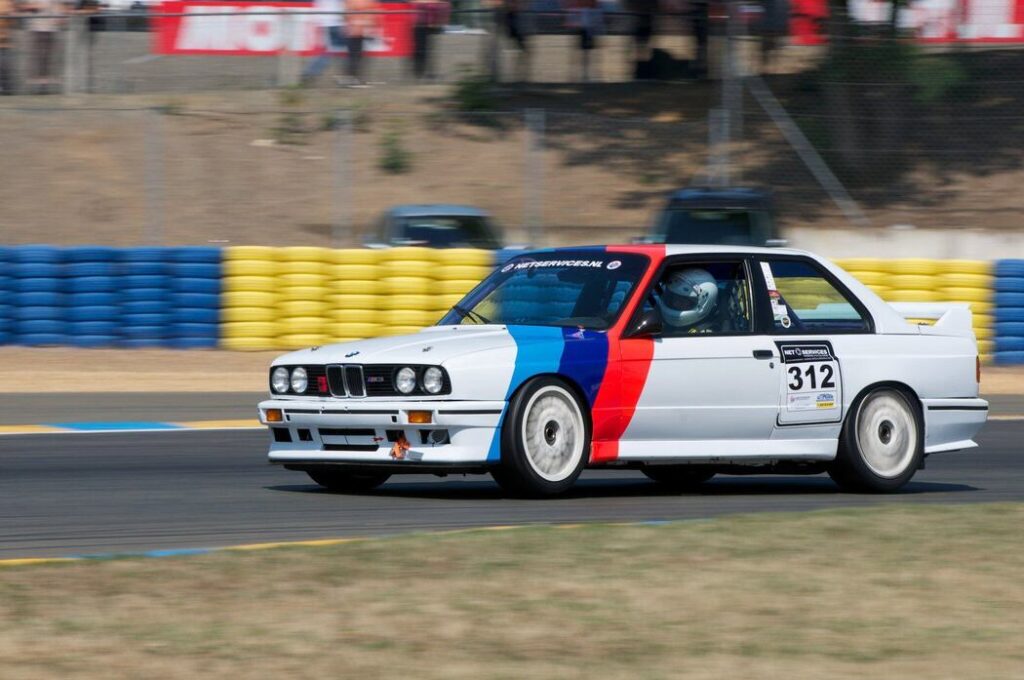
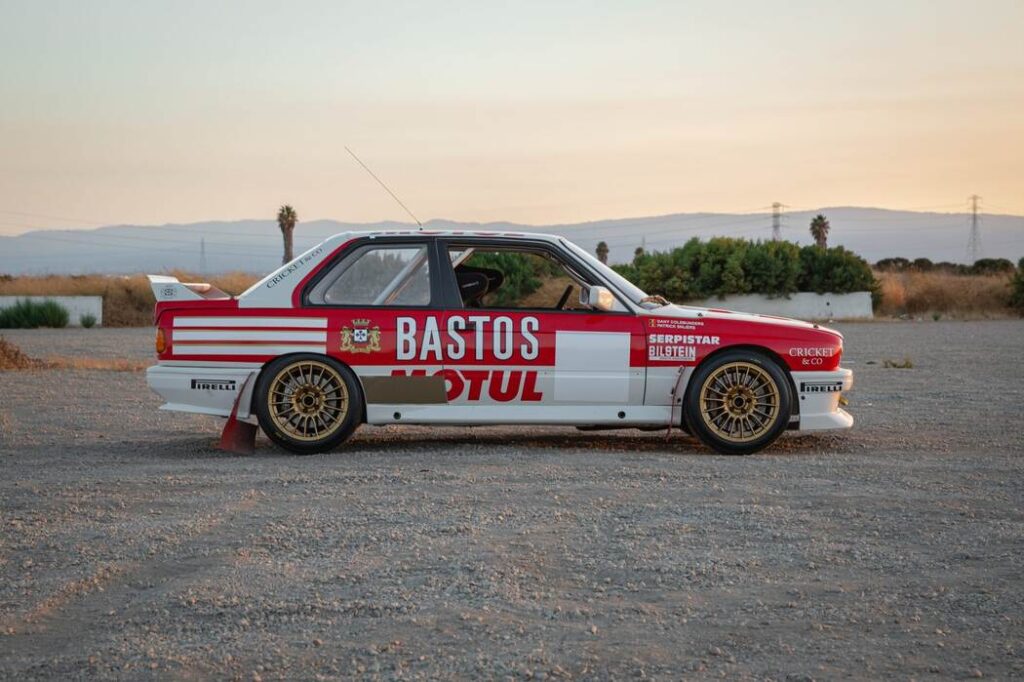
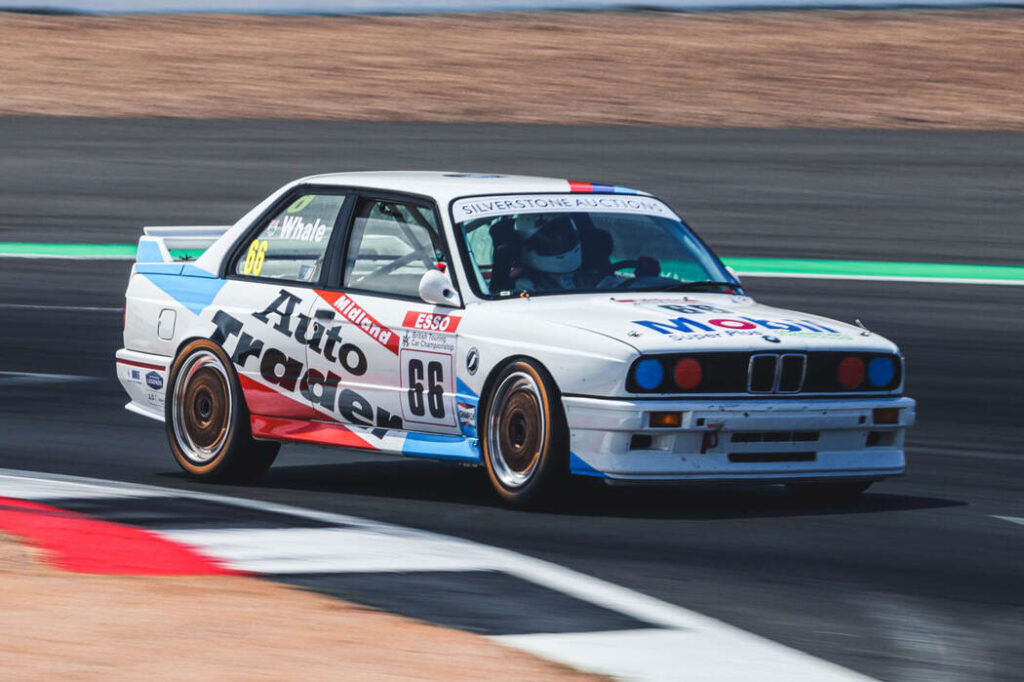
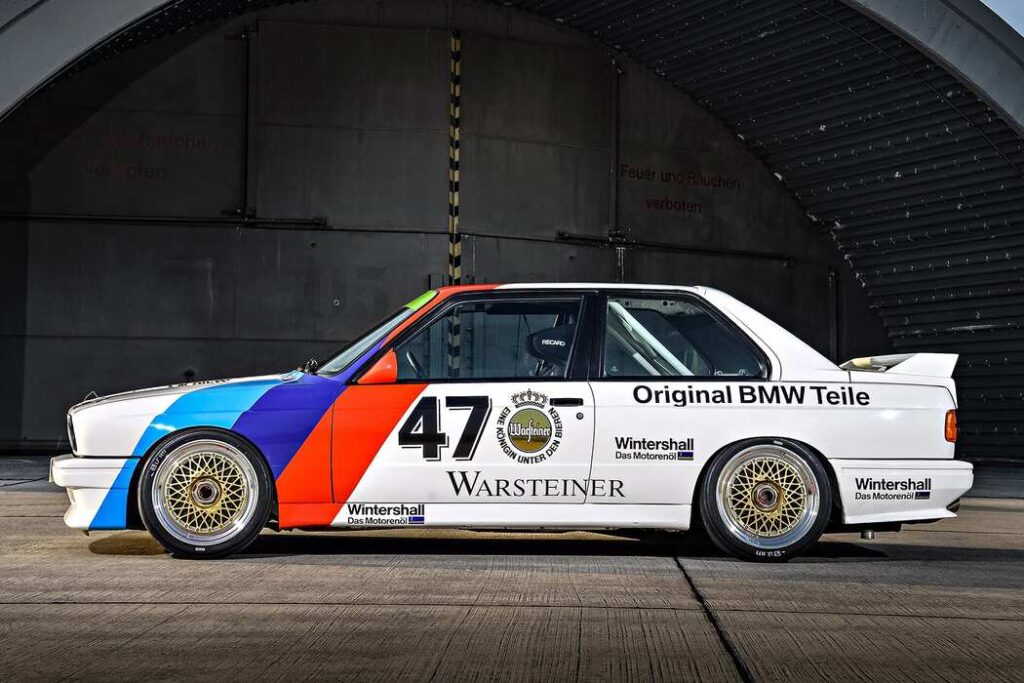

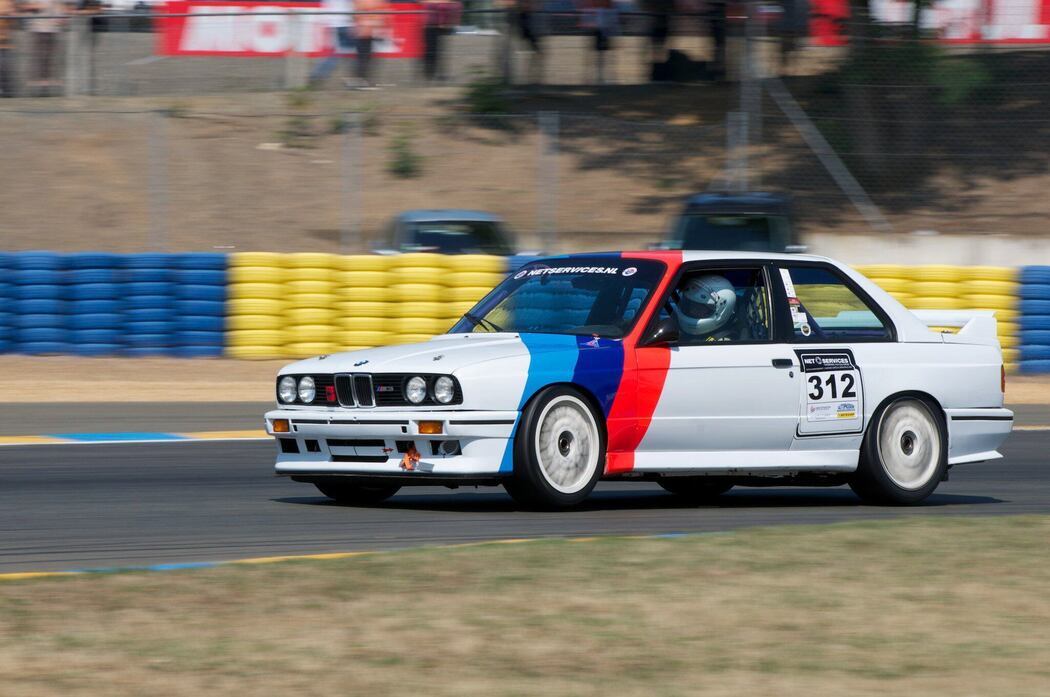
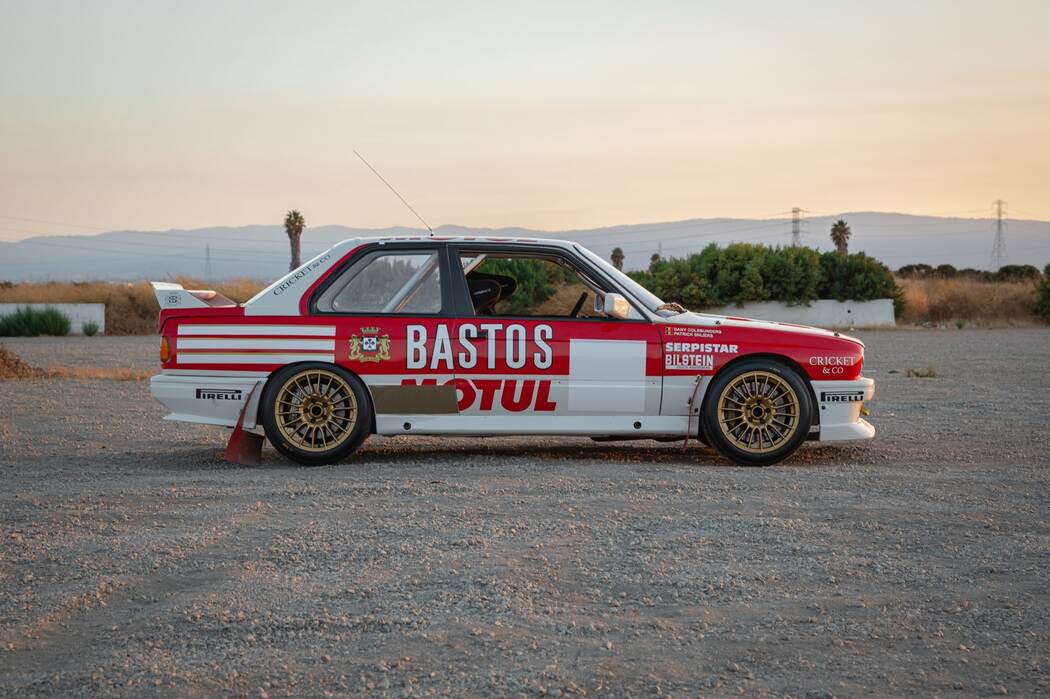
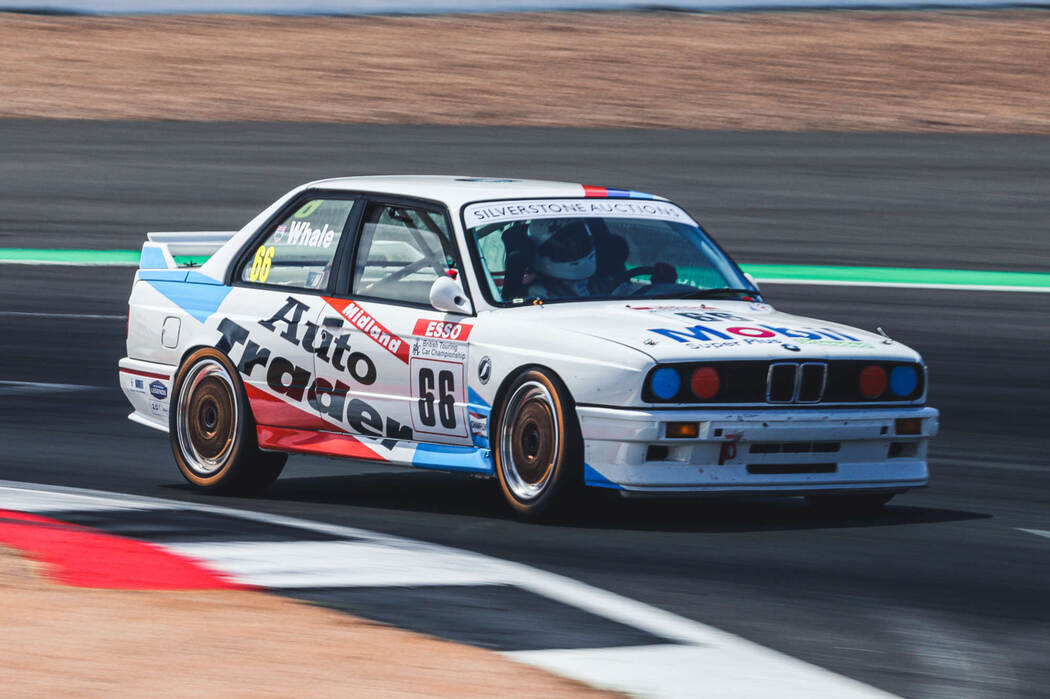
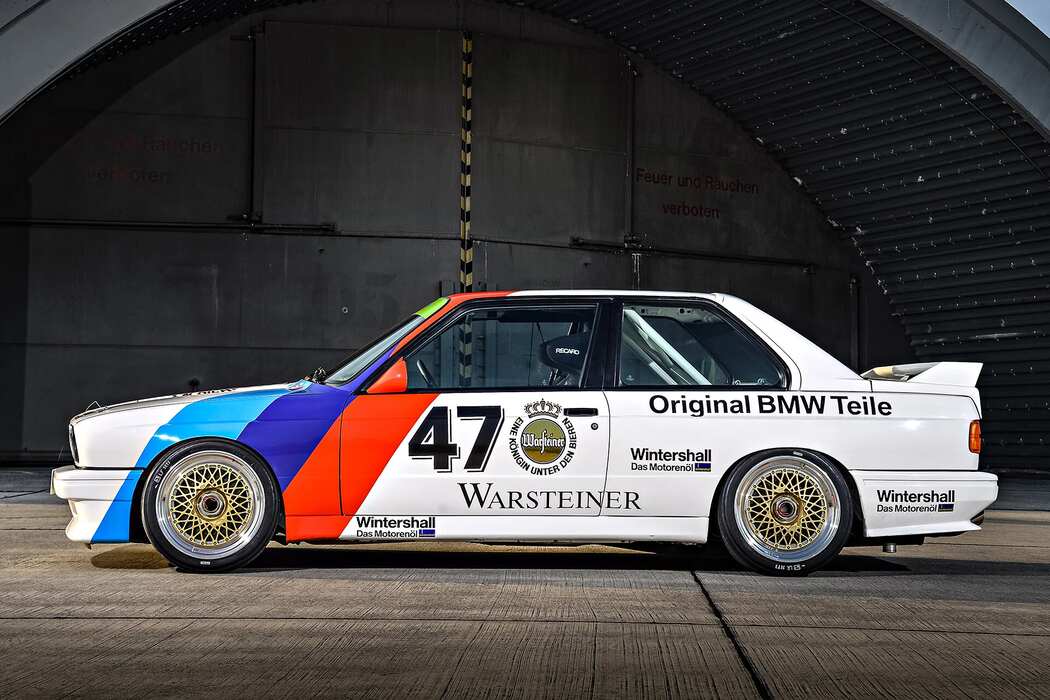
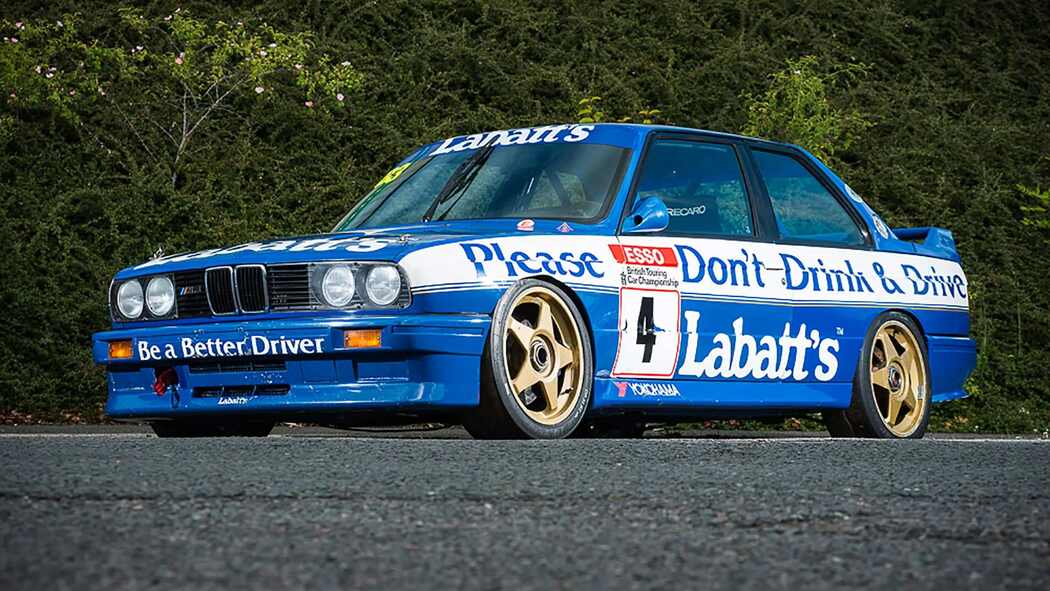
Image: BMW E30 M3
This car wasn’t just built—it was born to win.
The E30 M3 didn’t rely on brute force. Instead, it mastered corners with surgical precision.
A 2.3L inline-4 engine, producing 192 hp, might not sound overwhelming. But in the hands of skilled drivers, it became a weapon on the track.
From 1987 to 1991, it dominated touring car championships worldwide. In its debut year, it clinched the World Touring Car Championship, European Touring Car Championship, and German DTM title.
It wasn’t just about the titles—it was about the way it achieved them. Graceful, agile, and relentless.
The E30 M3 didn’t just race—it redefined what a touring car could be.
Highlights:
- Historic Victory: 1987 World Touring Car Championship (Roberto Ravaglia)
- Grand Races: DTM, ETCC, BTCC, 24 Hours Nürburgring, Spa 24 Hours
- Driven by: Roberto Ravaglia, Eric van de Poele, Jim Richards, Johnny Cecotto
Specifications:
|
Engine |
2.3L inline-4 |
|
Power |
192 hp |
|
Top Speed |
230 km/h |
6. Porsche 917
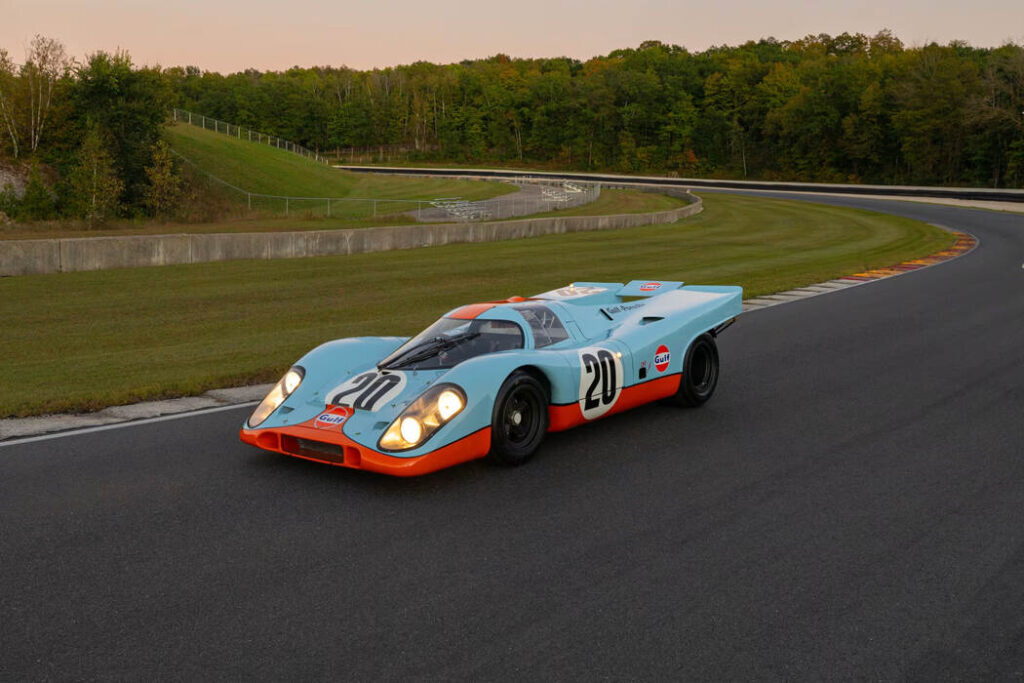
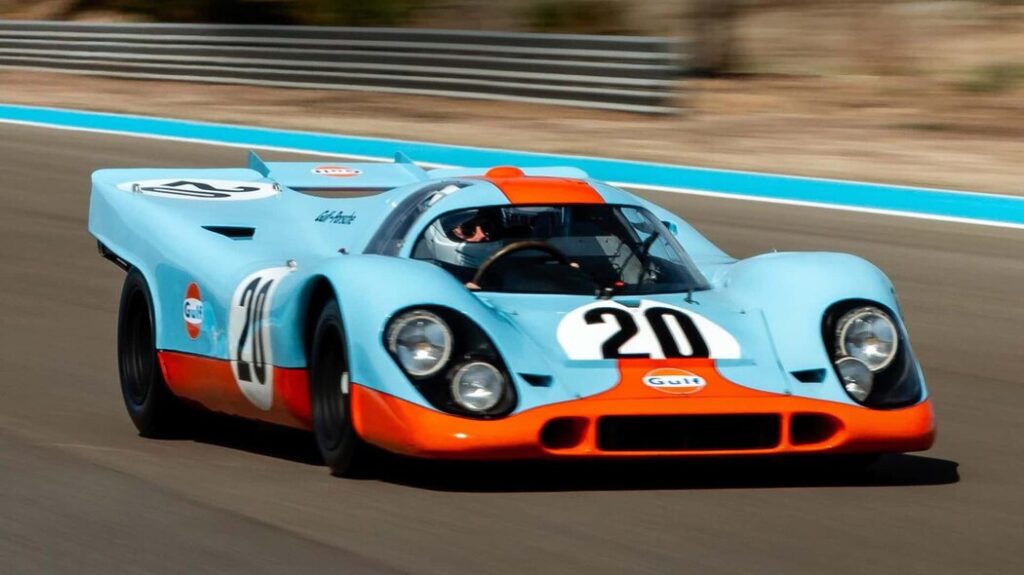
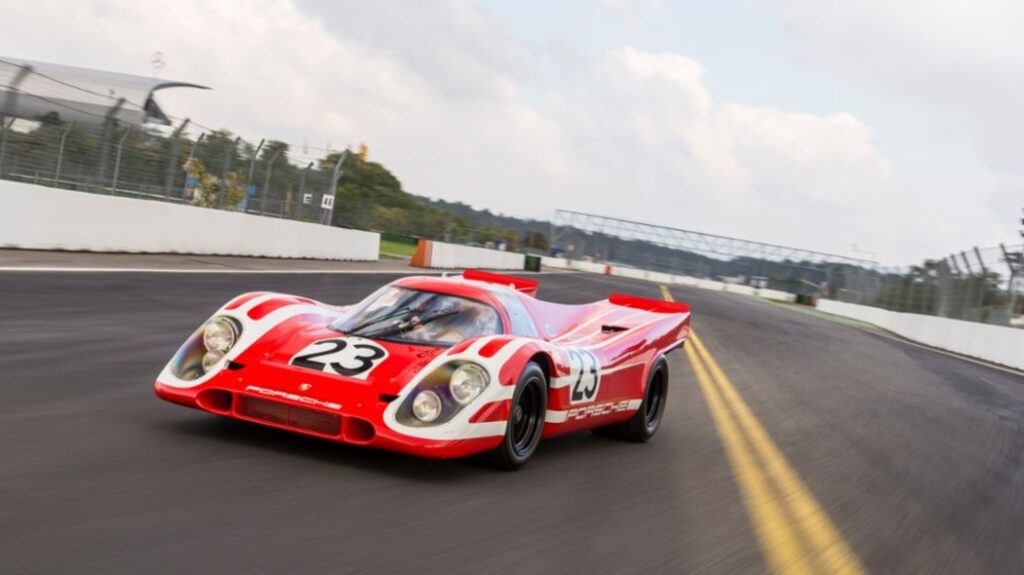
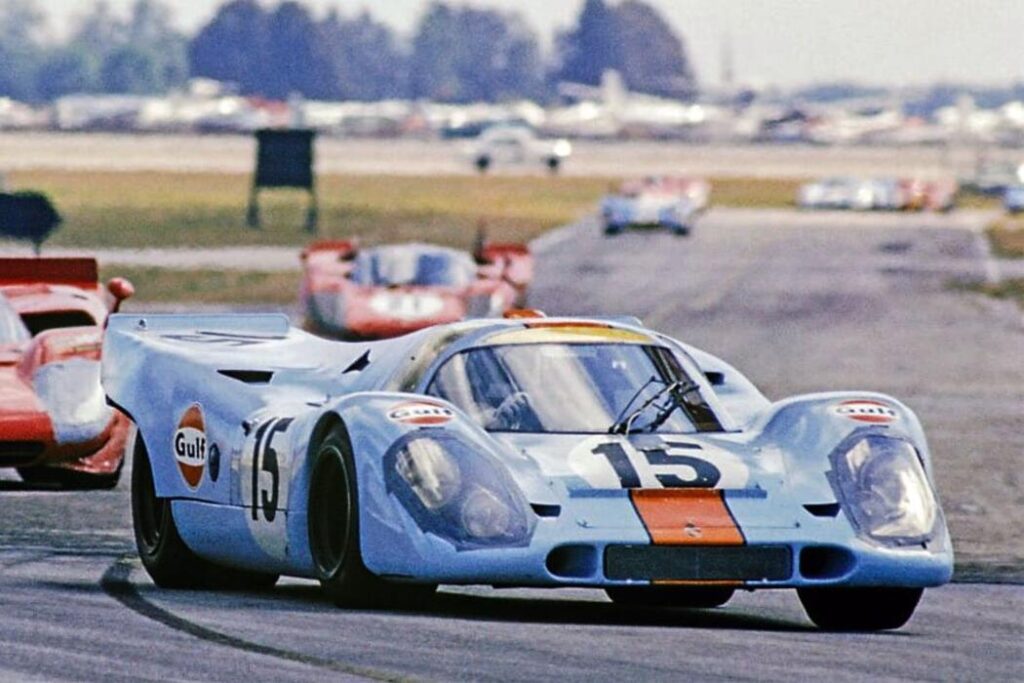

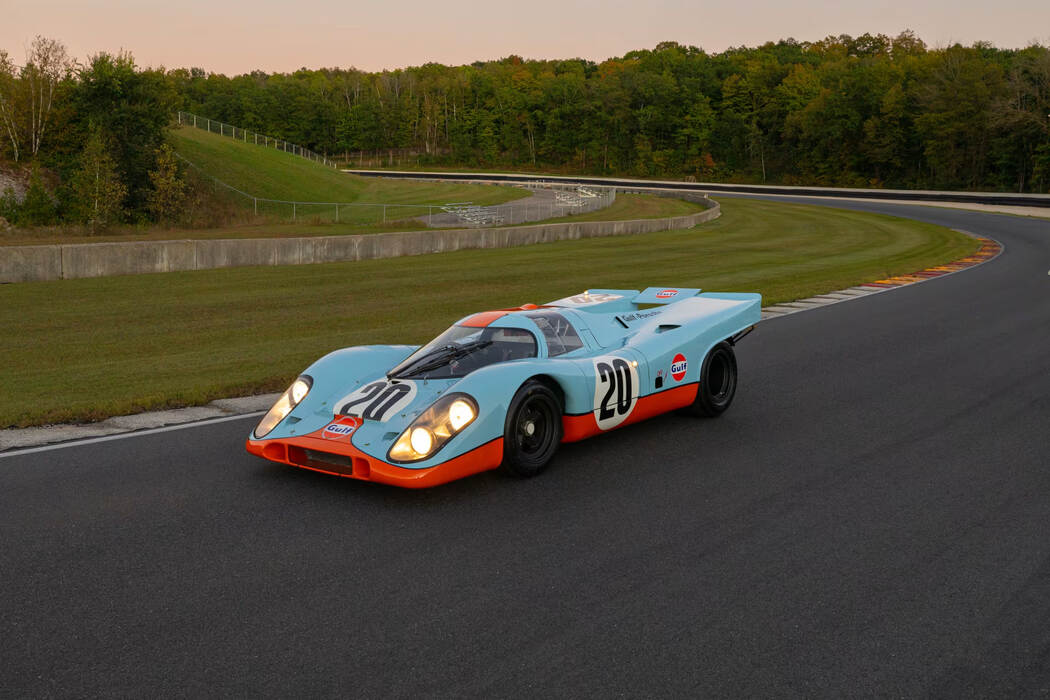
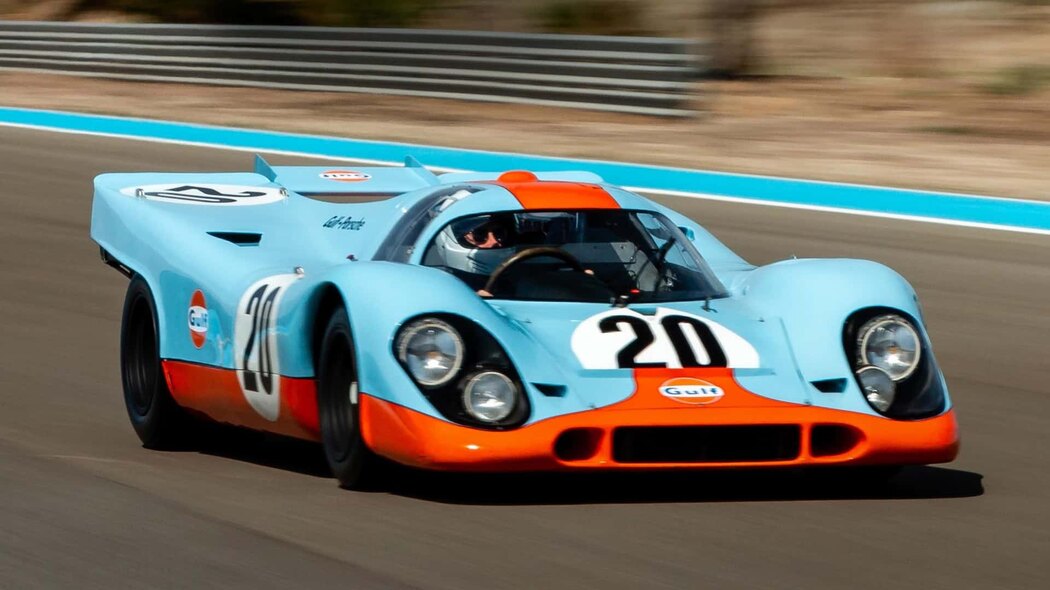
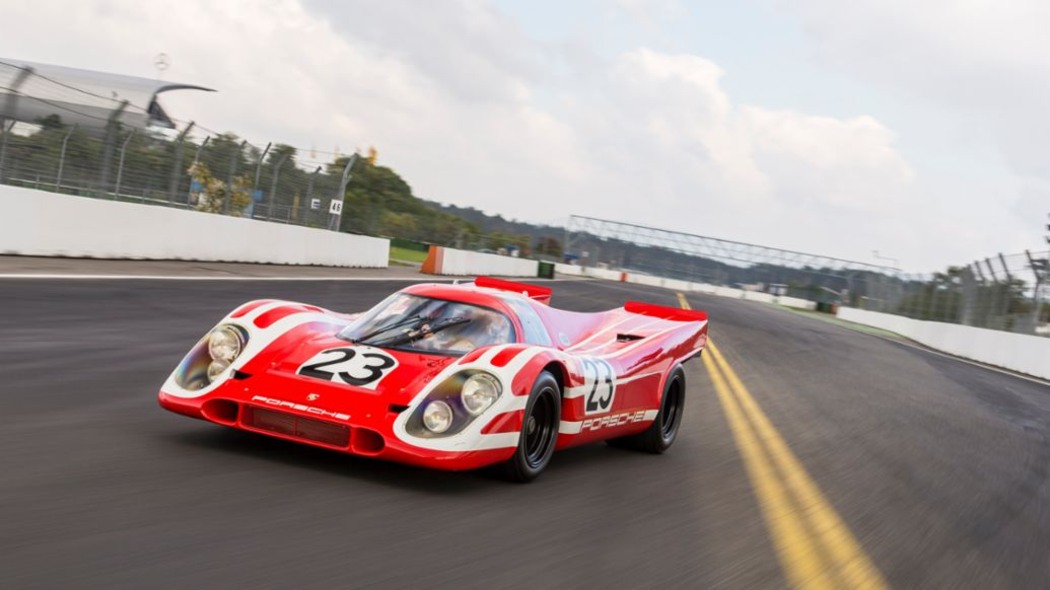
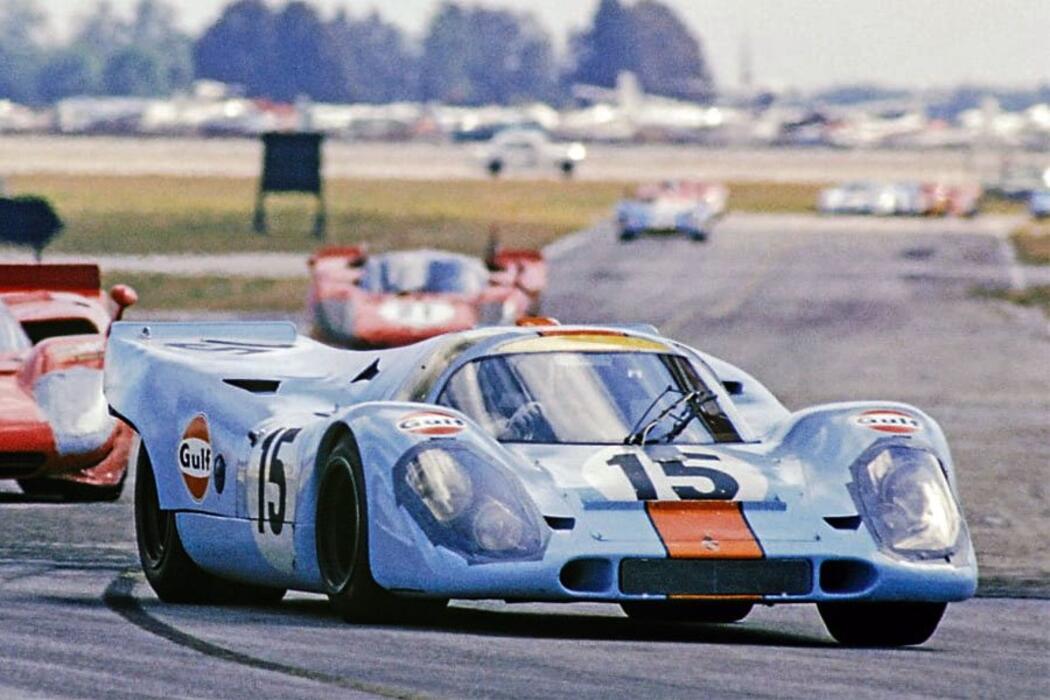
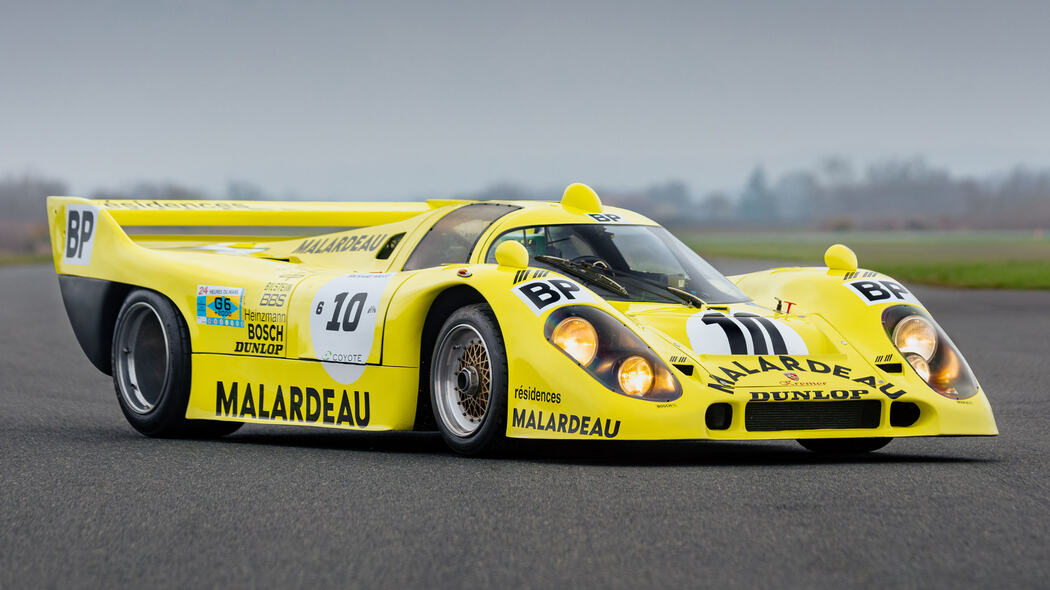
Image: Porsche 917
This machine didn’t just race—it redefined endurance.
With its flat-12 engine roaring up to 630 hp, the 917 was a beast on the straights. In 1971, it set a Le Mans distance record of 5,335 km—a feat that stood for nearly 40 years.
But it wasn’t just about speed. The 917’s aerodynamic design and lightweight construction made it a marvel of engineering.
In 1970, Hans Herrmann and Richard Attwood clinched Porsche’s first overall Le Mans victory in a 917K. A year later, Helmut Marko and Gijs van Lennep repeated the feat, solidifying the 917’s legendary status.
The Porsche 917 wasn’t just a car—it was a statement. A declaration that Porsche had arrived at the pinnacle of motorsport.
Highlights:
- Historic Victory: 1970 & 1971 24 Hours of Le Mans (Porsche’s first overall wins)
- Grand Races: Le Mans, World Sportscar Championship, Can-Am Series
- Driven by: Hans Herrmann, Richard Attwood, Helmut Marko, Gijs van Lennep, Pedro Rodríguez
Specifications:
|
Engine |
4.5L to 6.6L V12 |
|
Power |
600 hp |
|
Top speed |
370 km/h |
5. Mercedes-Benz W196
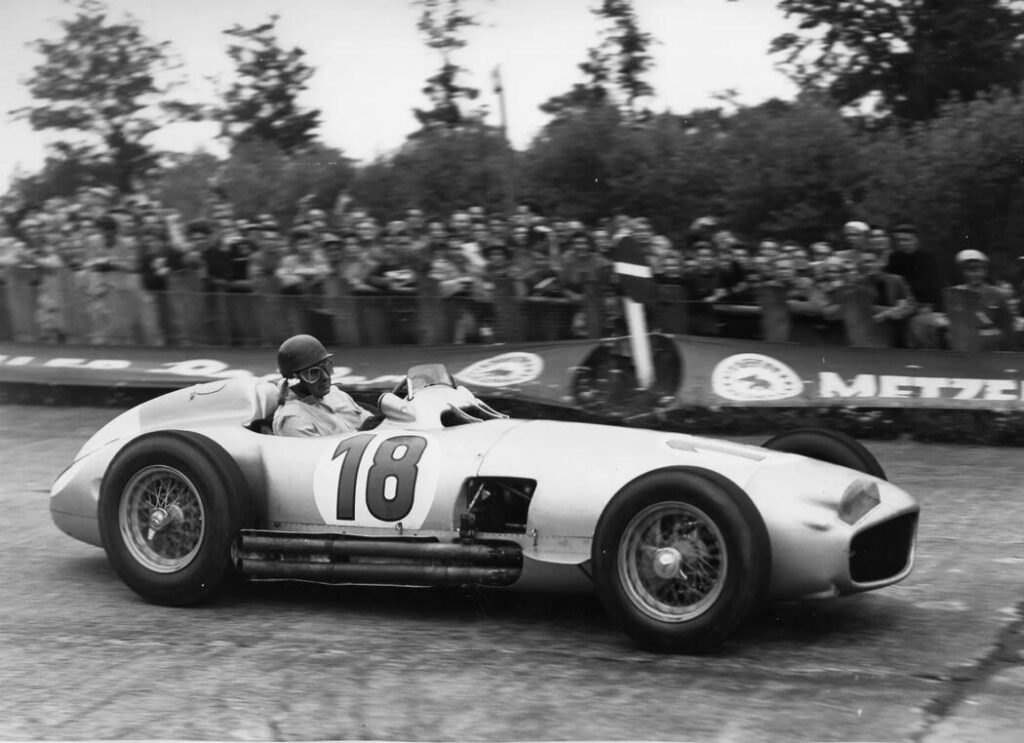


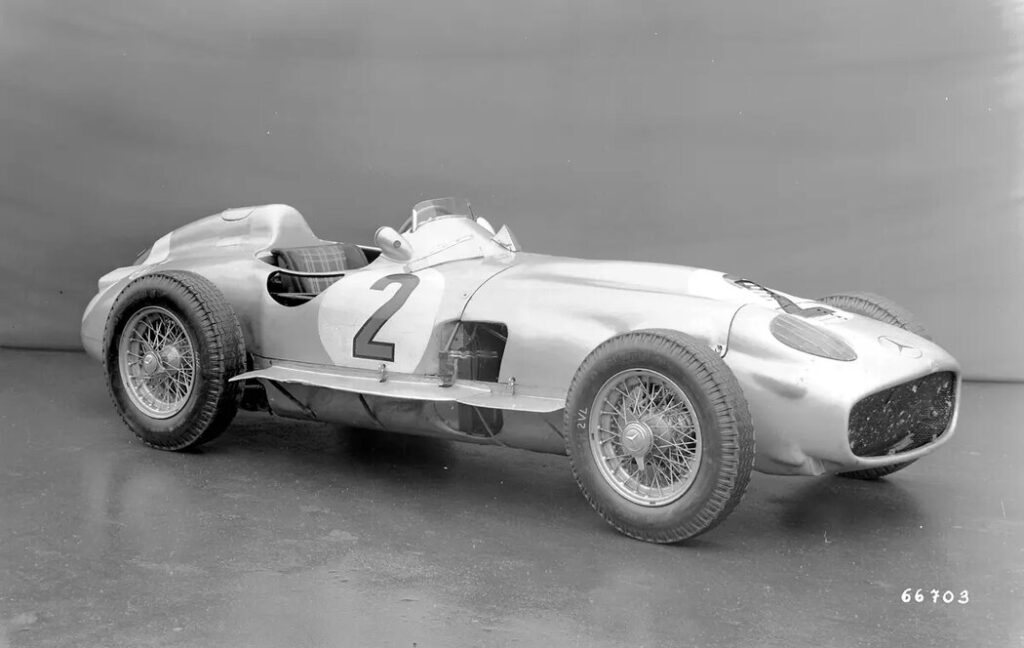

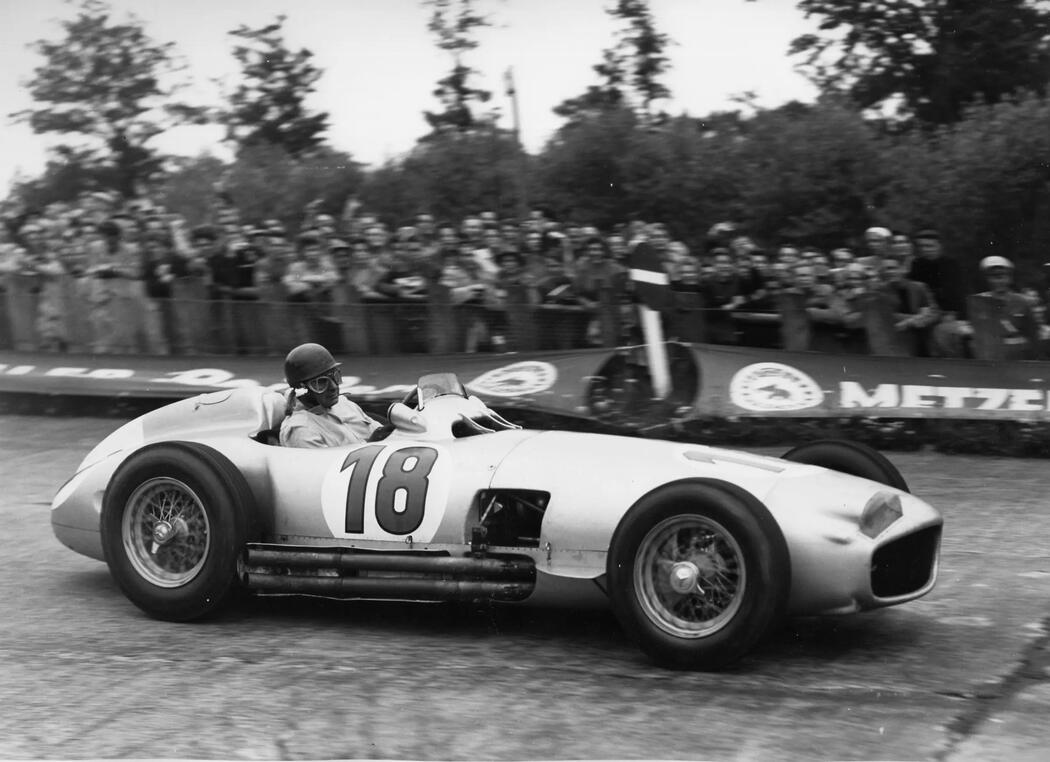
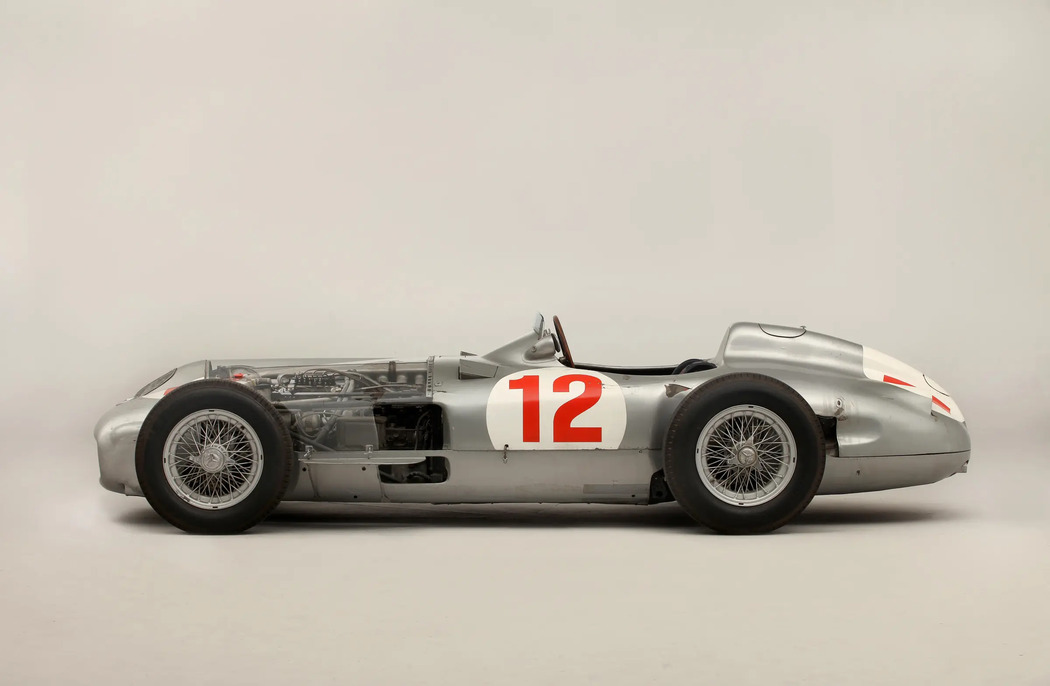

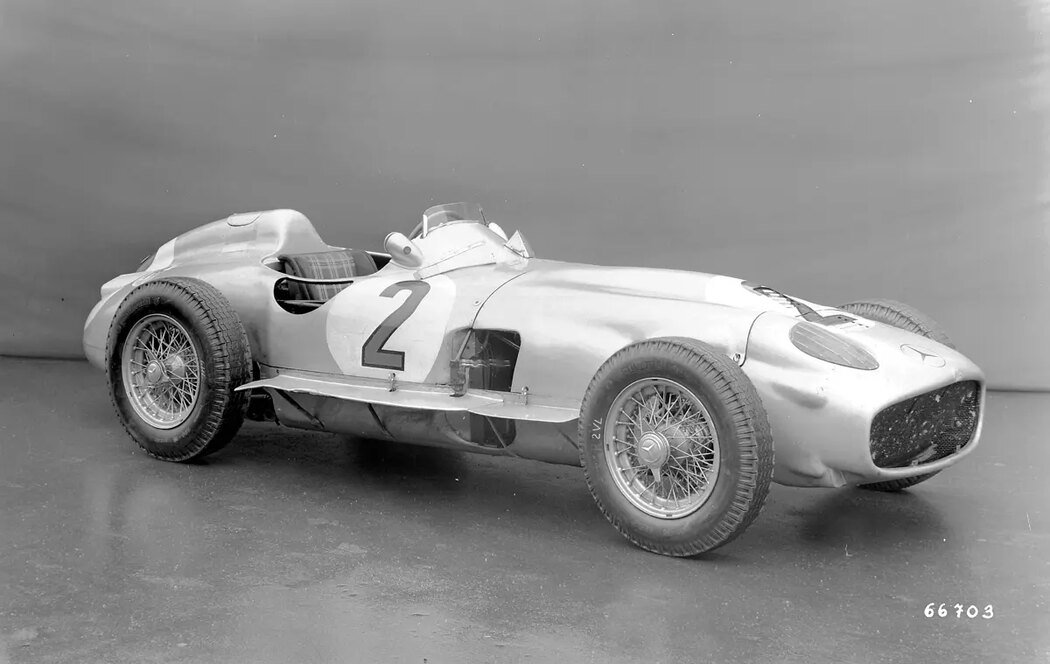
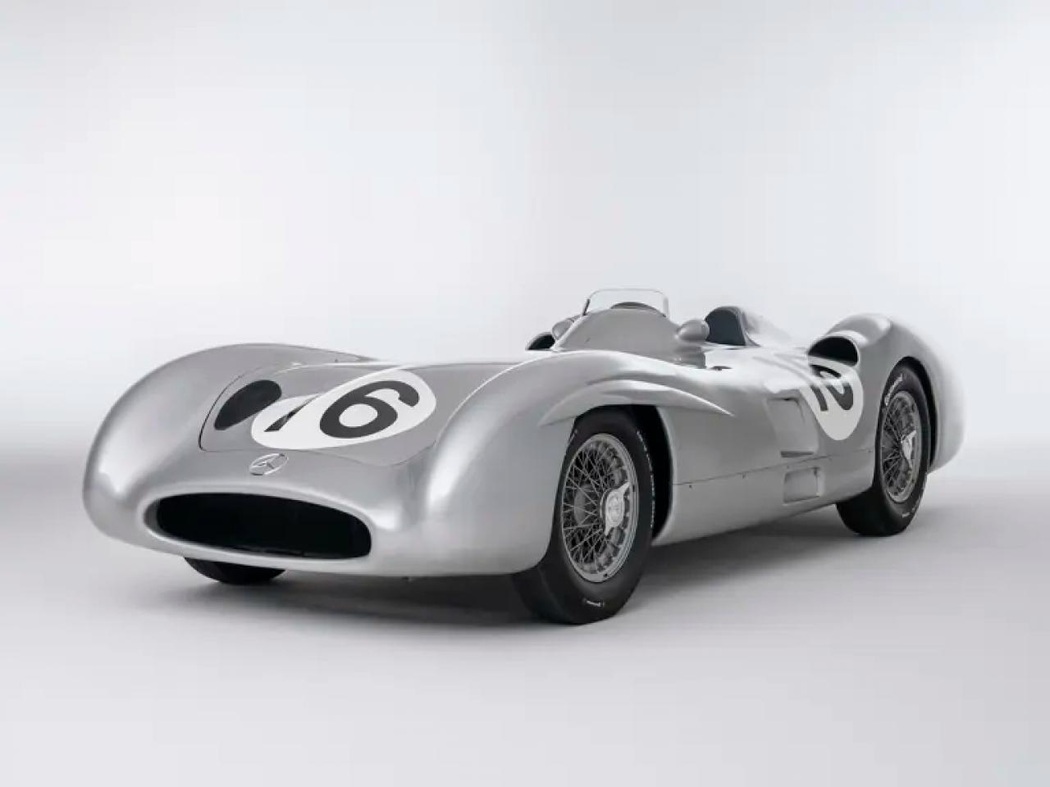
Image: Mercedes-Benz W196
This car didn’t just race—it redefined Formula 1.
The W196 was a masterpiece of engineering. Its 2.5L straight-8 engine, equipped with desmodromic valves, produced up to 290 hp, allowing it to reach speeds over 170 mph. The innovative design included a lightweight spaceframe chassis and advanced aerodynamics, setting new standards in F1 technology.
In 1954, Juan Manuel Fangio debuted the W196 at the French Grand Prix, securing a dominant victory. Over the next two seasons, the car clinched nine Grand Prix wins, leading Fangio to back-to-back World Championships.
The W196 wasn’t just fast—it was revolutionary. Its legacy lives on as a symbol of Mercedes-Benz’s commitment to innovation and excellence in motorsport.
Highlights:
- Historic Victory: 1954 French Grand Prix (Debut win)
- Grand Races: 1954–1955 Formula 1 World Championship
- Driven by: Juan Manuel Fangio, Stirling Moss, Karl Kling, Hans Herrmann
Specifications:
|
Engine |
2.5L inline-8 |
|
Power |
290 hp |
|
Top Speed |
274 km/h |
4. Lotus 79
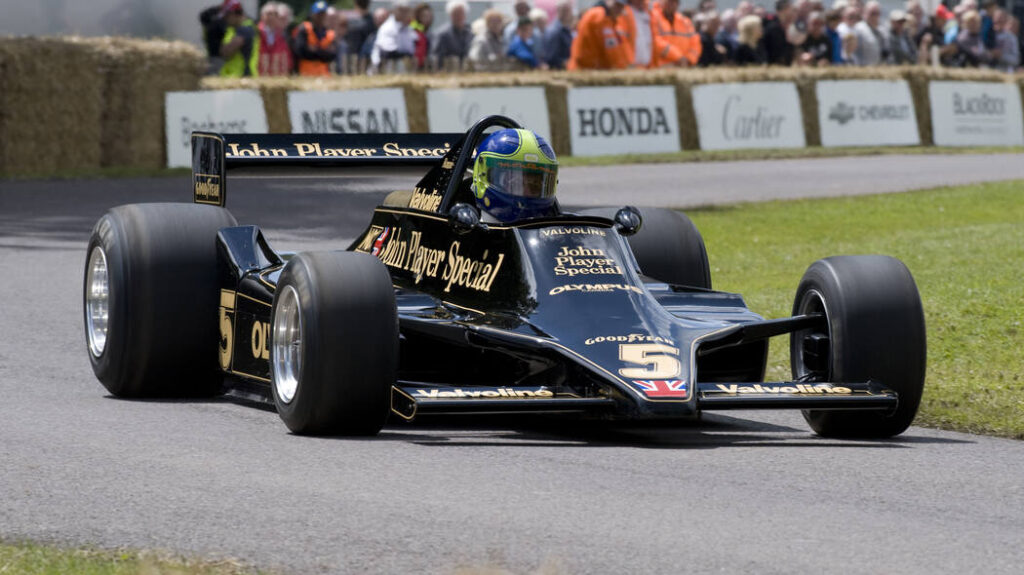
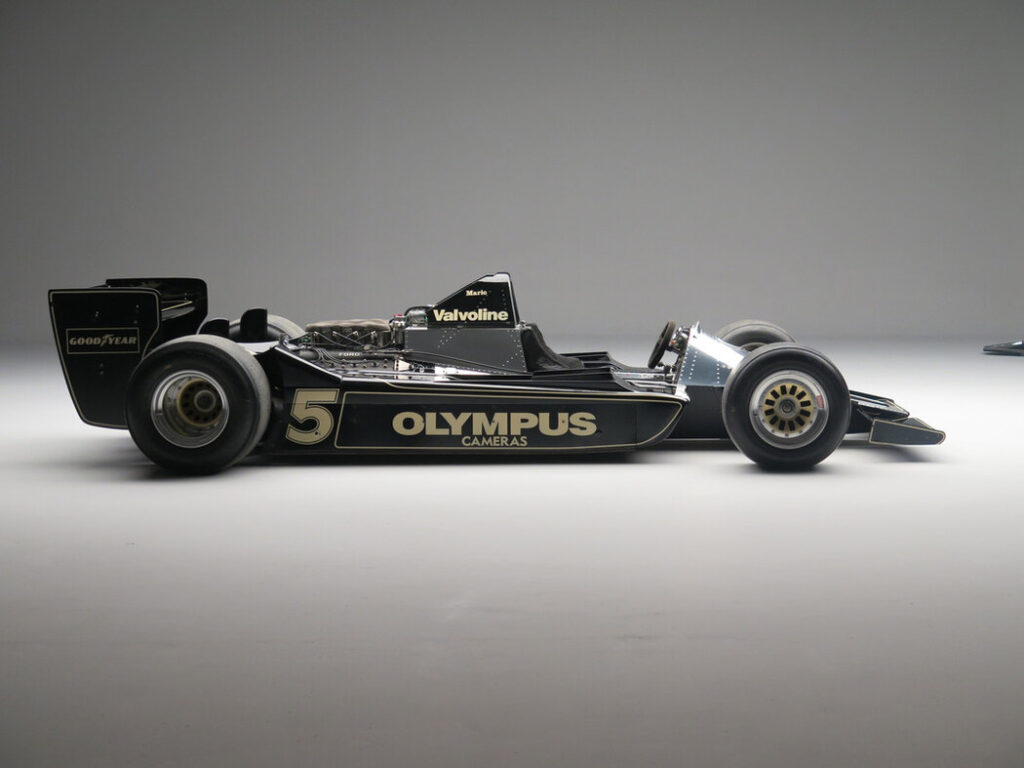

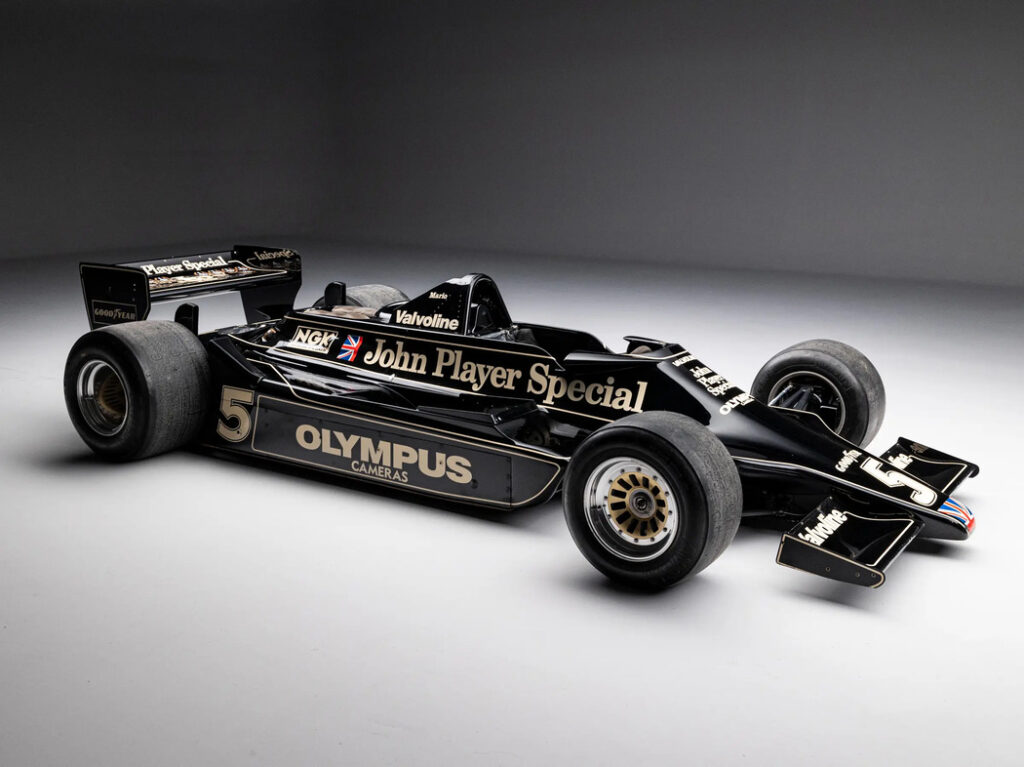
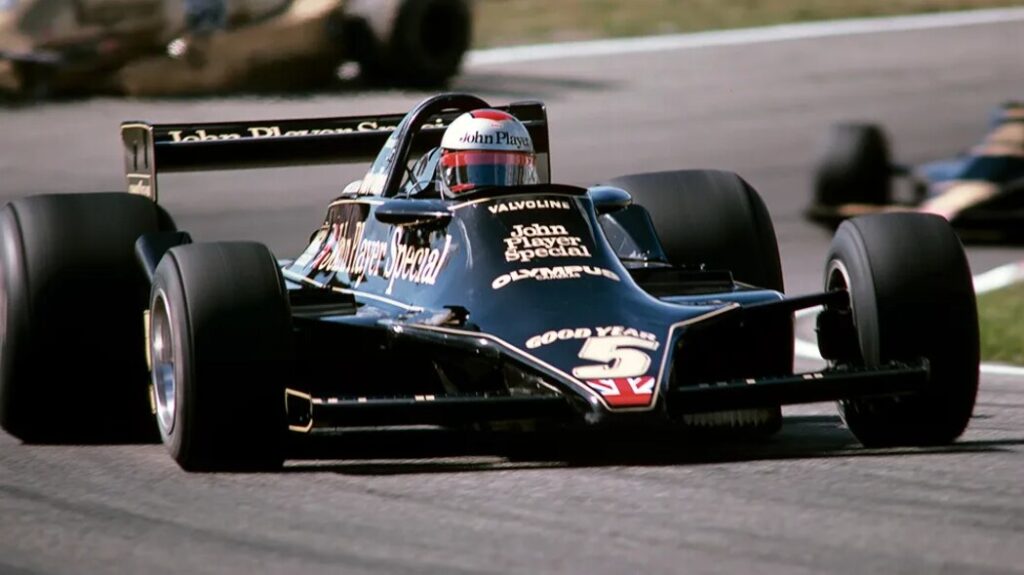
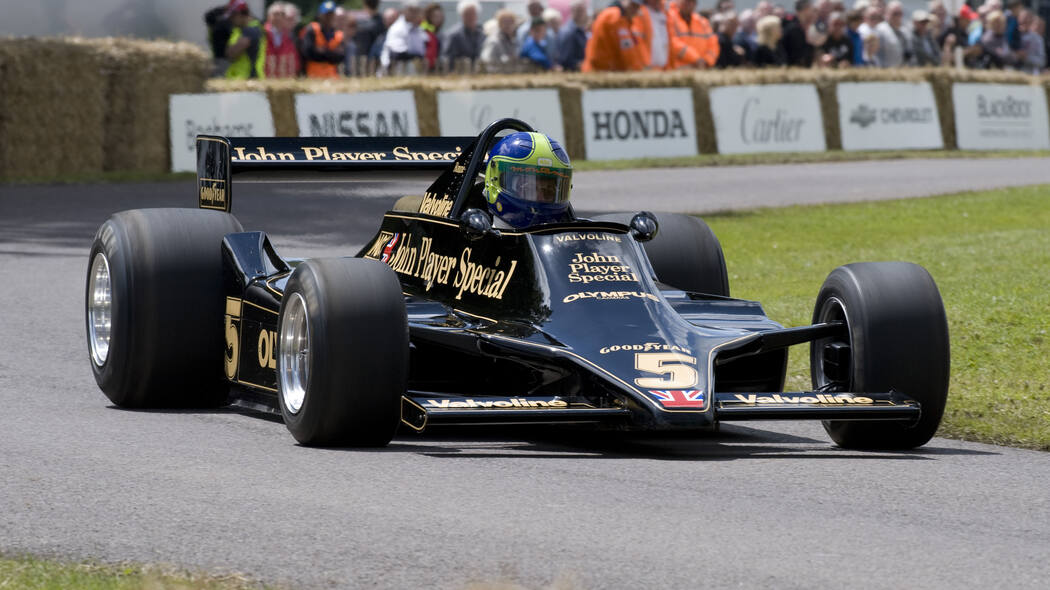
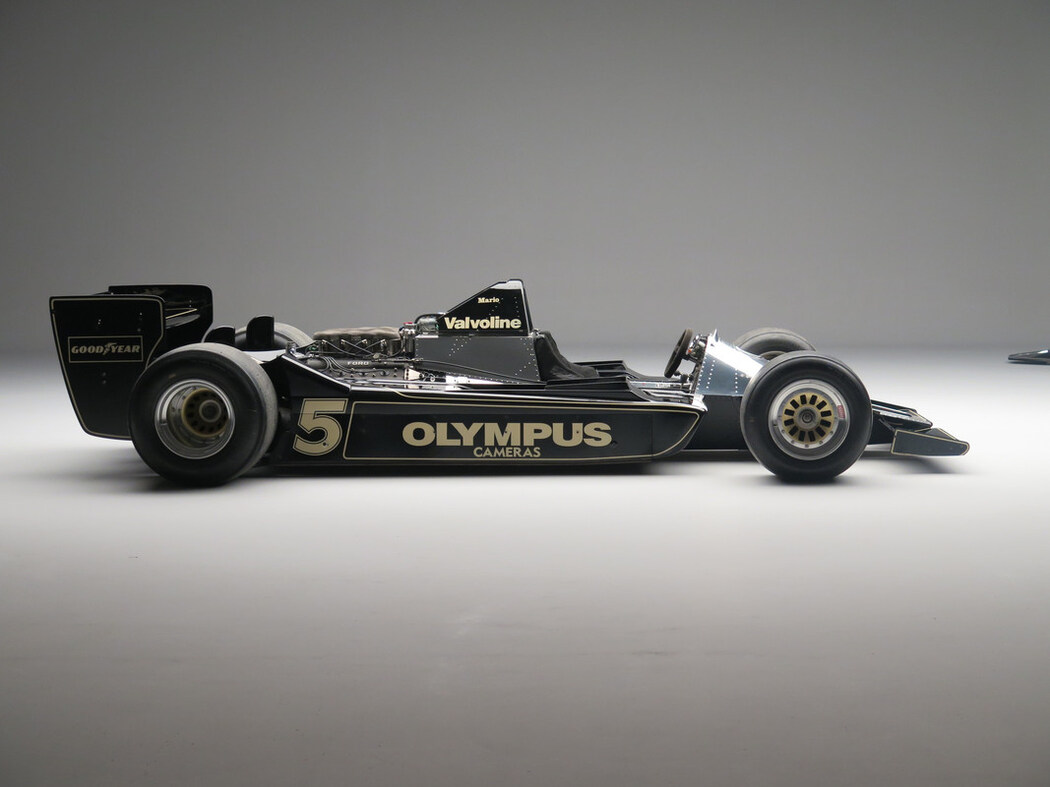
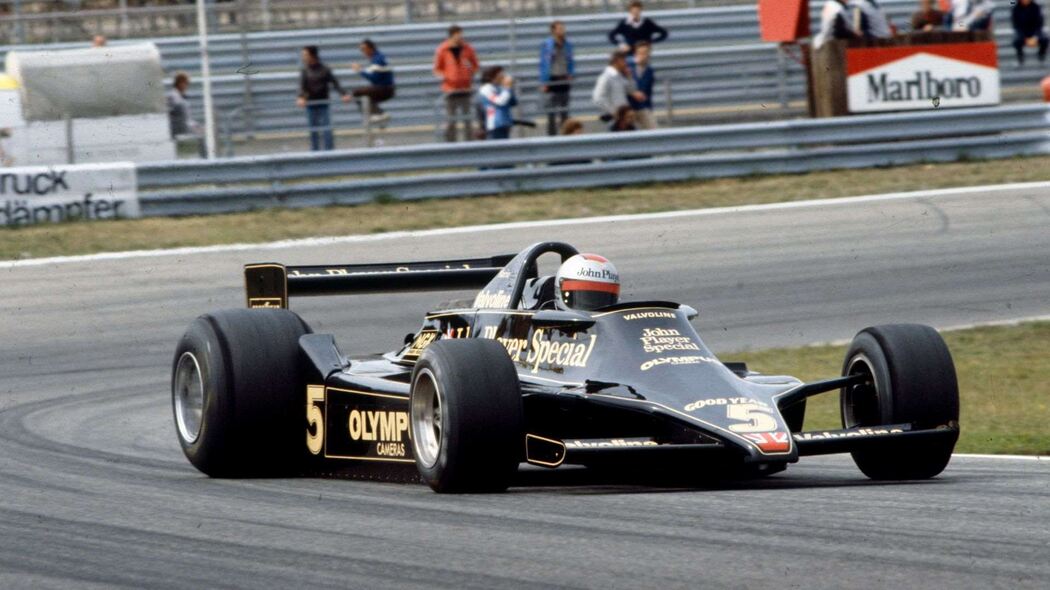
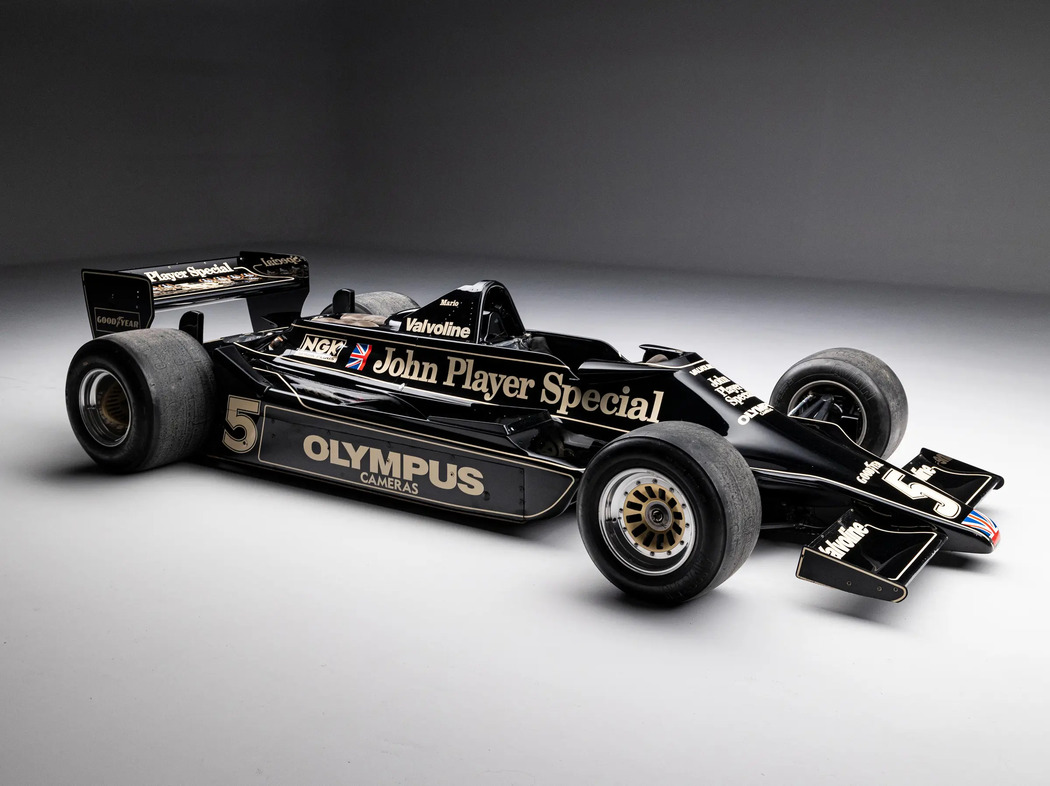
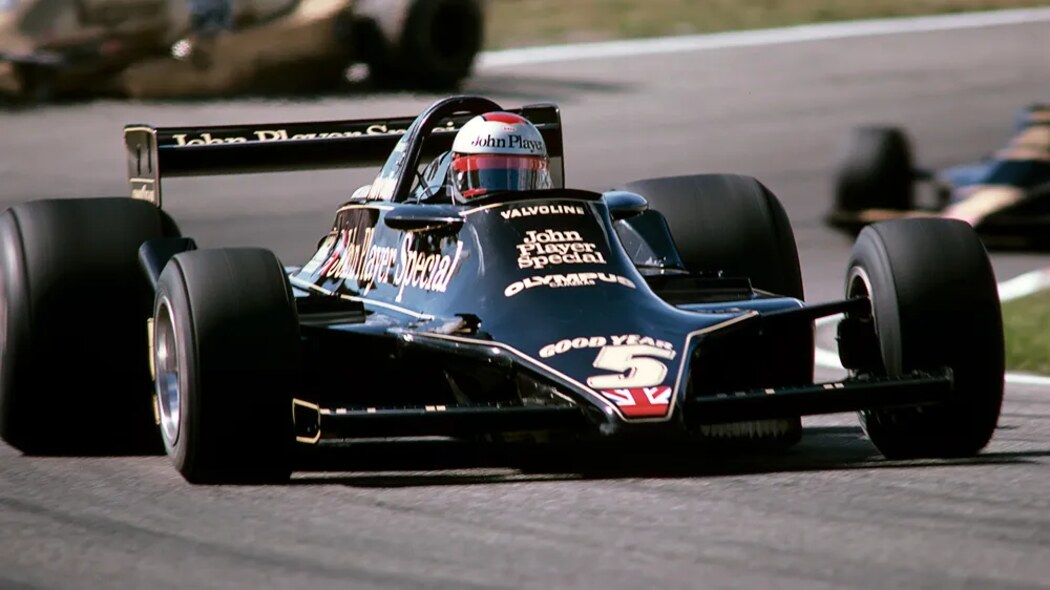
Image: Lotus 79
This car didn’t just race—it redefined Formula 1.
The Lotus 79, nicknamed “Black Beauty,” was a masterpiece of engineering. Its sleek design wasn’t just for looks—it was the first F1 car to fully harness ground-effect aerodynamics, using venturi tunnels to create massive downforce.
Powered by a 3.0L Ford Cosworth V8 engine, it delivered over 500 hp, propelling it to speeds exceeding 190 mph (305 km/h). But it wasn’t just about speed—it was about control, sticking to the track like never before.
In 1978, Mario Andretti piloted the 79 to six victories, clinching the World Drivers’ Championship, while Lotus secured the Constructors’ title.
The Lotus 79 didn’t just win races—it changed the game, ushering in a new era of aerodynamic innovation in Formula 1.
Highlights:
- Historic Victory: 1978 Belgian Grand Prix (Debut win)
- Grand Races: 1978 Formula 1 World Championship
- Driven by: Mario Andretti, Ronnie Peterson
Specifications:
|
Engine |
3.0L Ford Cosworth V8 |
|
Power |
500+ hp |
|
Top Speed |
305 km/h |
3. Audi Quattro


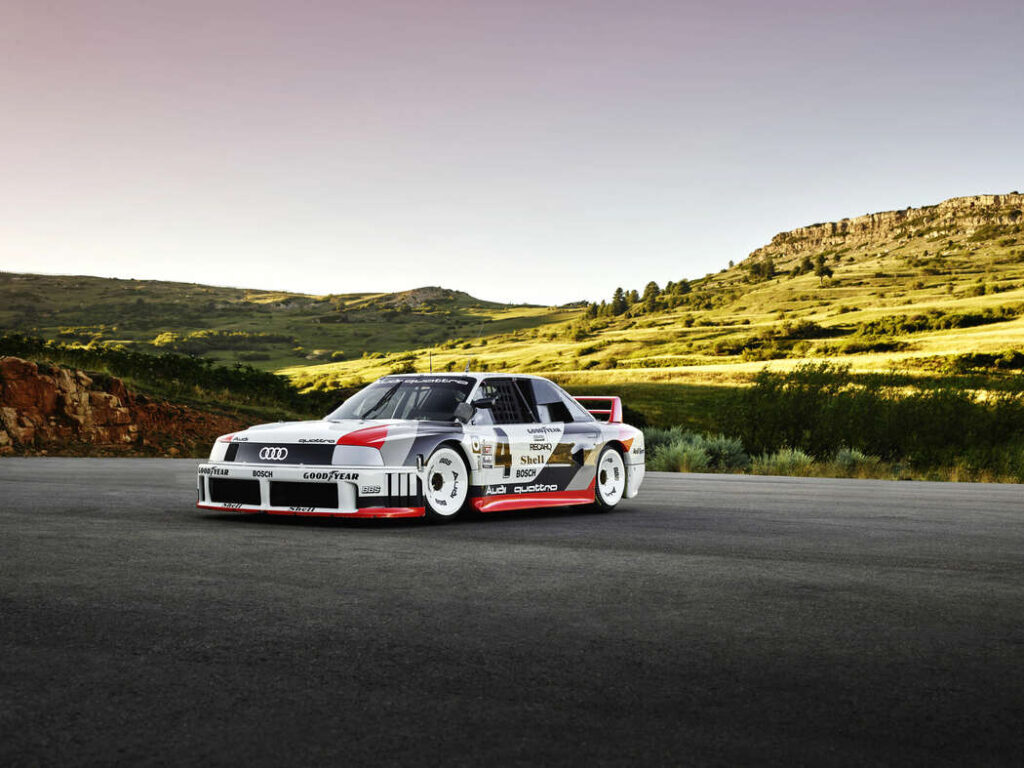
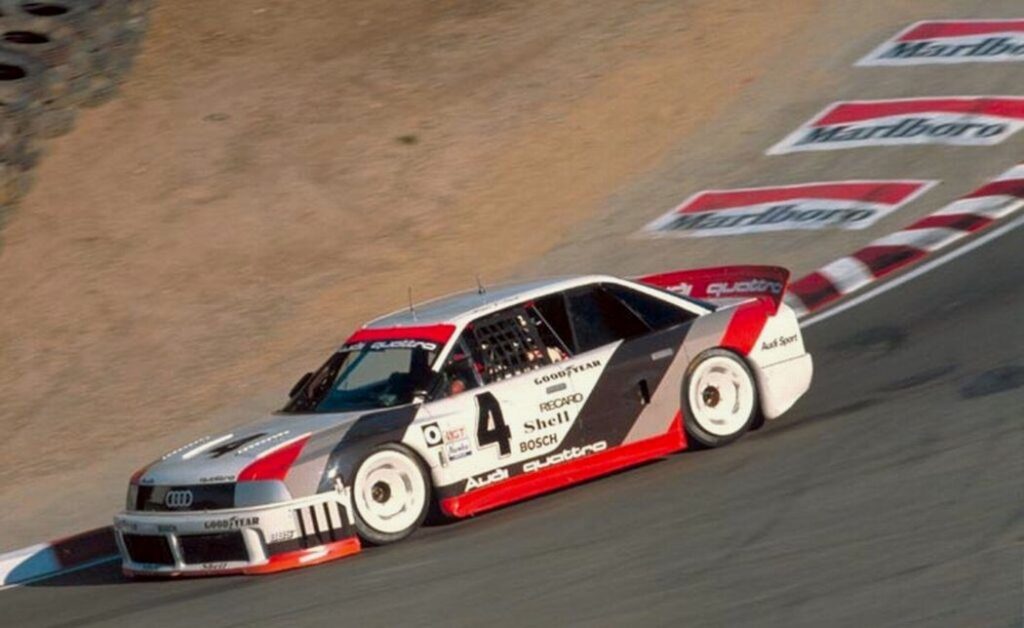
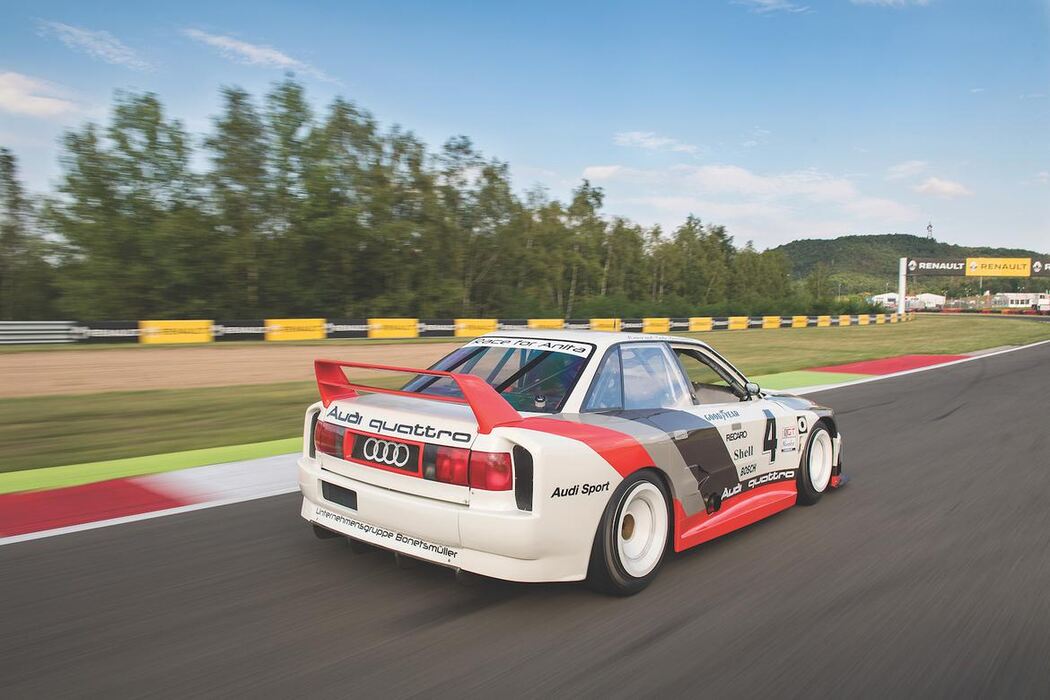
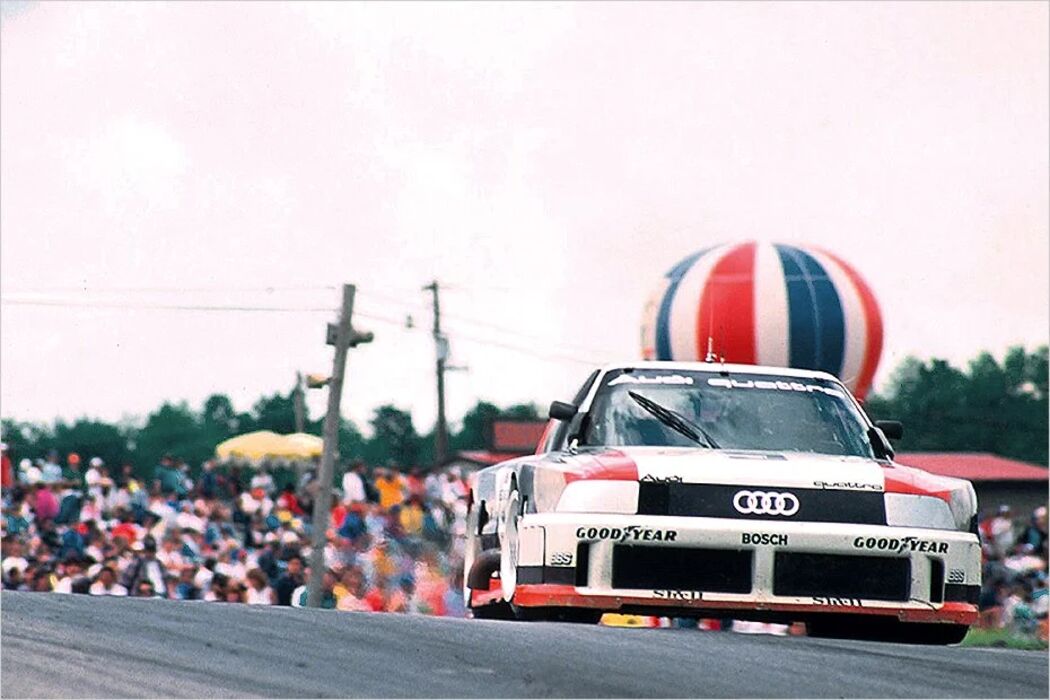
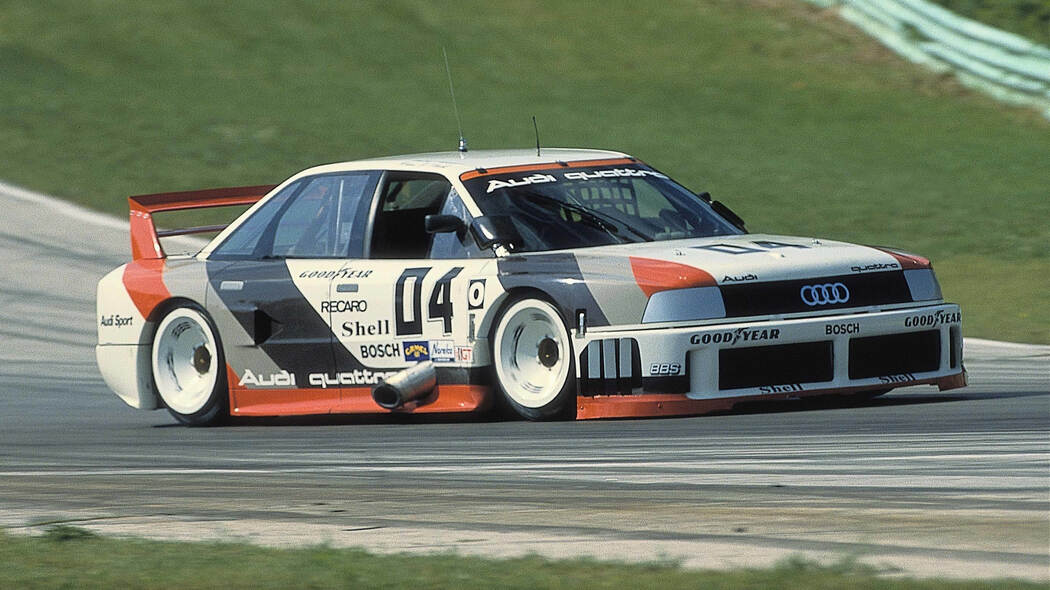
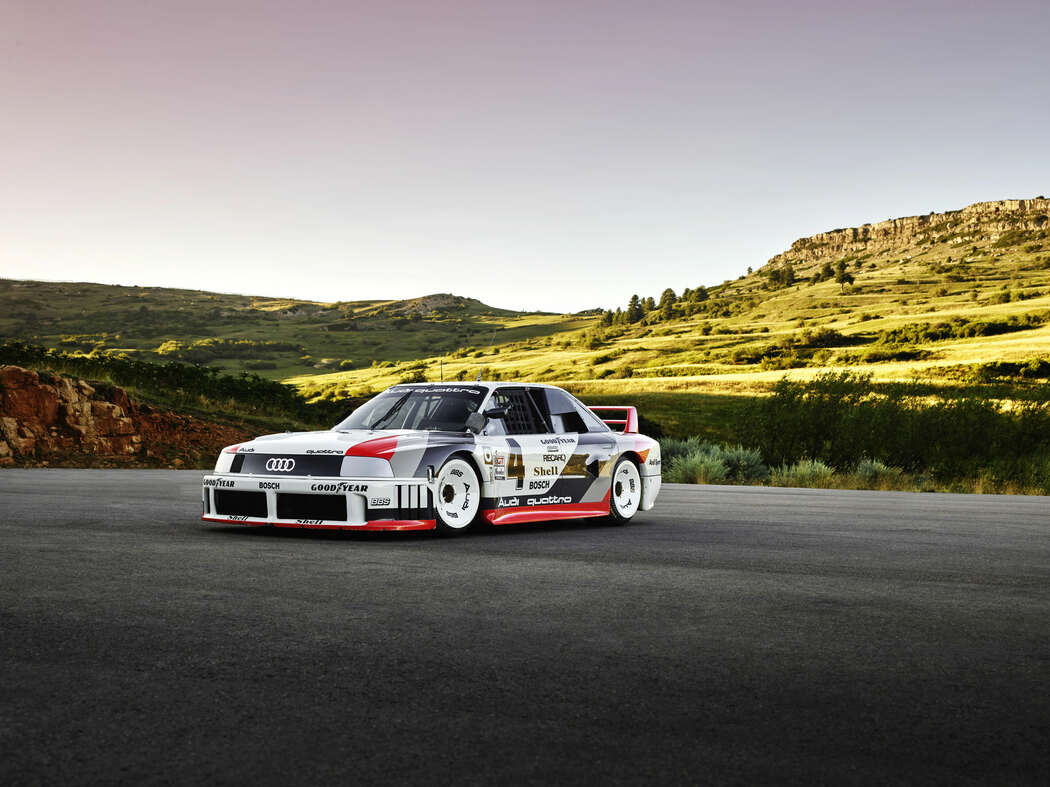
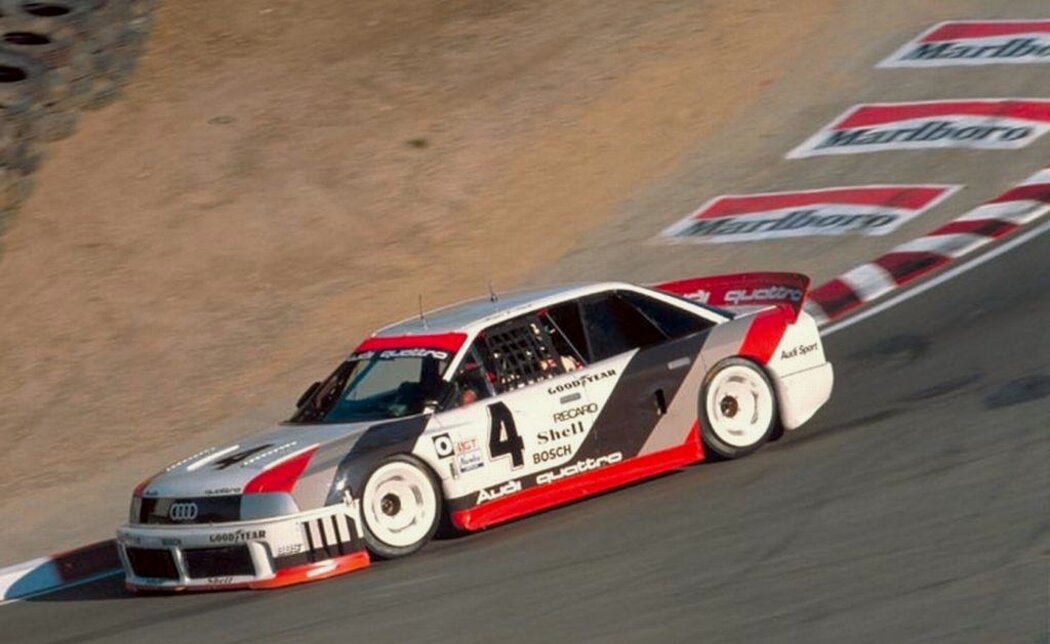
Image: Audi Quattro
The Audi Quattro didn’t just race—it rewrote the rules of rallying.
Its 2.1L turbocharged inline-5 engine delivered over 200 hp, but its true genius lay in its permanent all-wheel-drive system. This innovation provided unparalleled grip, allowing the Quattro to conquer the most treacherous terrains.
Debuting in 1980, the Quattro made an immediate impact. In 1981, Michèle Mouton became the first woman to win a WRC event at the Rallye Sanremo, piloting the Quattro to victory.
By 1982, Audi clinched the World Rally Championship Manufacturers’ title, solidifying the Quattro’s dominance.
The Quattro’s combination of power, innovation, and relentless performance didn’t just win races—it transformed rallying forever.
Highlights:
- Historic Victory: 1981 Rallye Sanremo (First WRC win by a female driver)
- Grand Races: WRC 1981–1984, Monte Carlo Rally, Rallye Sanremo
- Driven by: Michèle Mouton, Hannu Mikkola, Stig Blomqvist, Walter Röhrl
Specifications:
|
Engine |
2.1L turbocharged inline-5 |
|
Power |
200+ hp |
|
Top Speed |
210 km/h |
2. Ferrari 250 GT SWB Breadvan
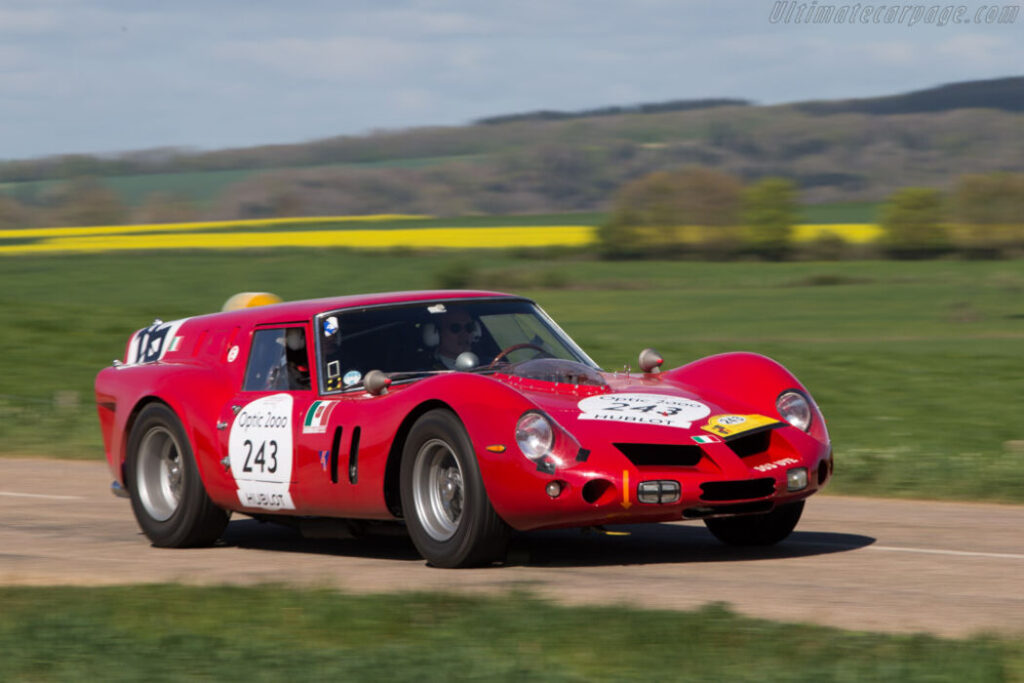
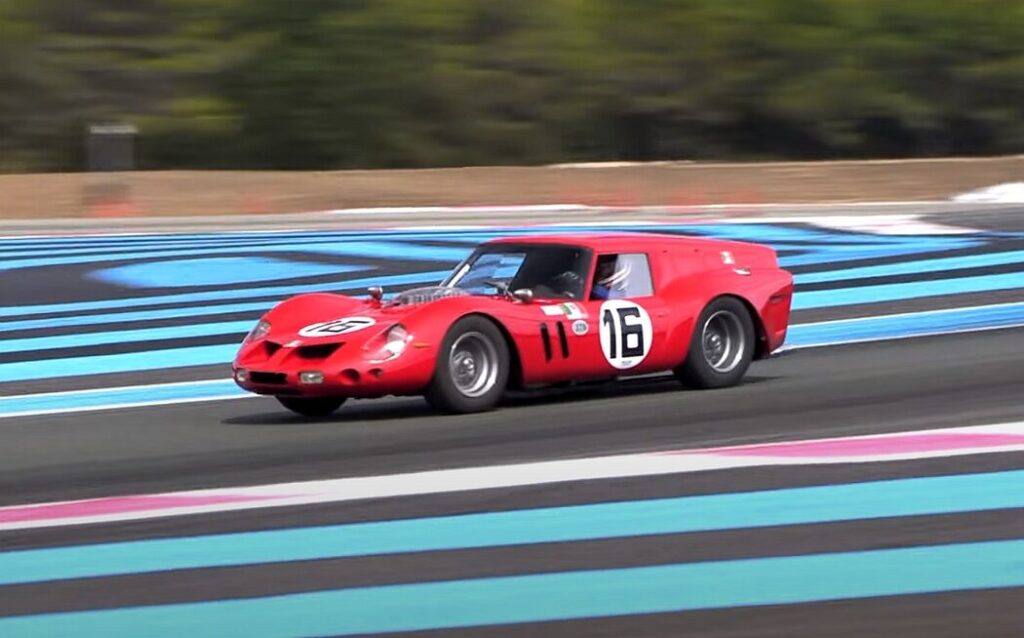


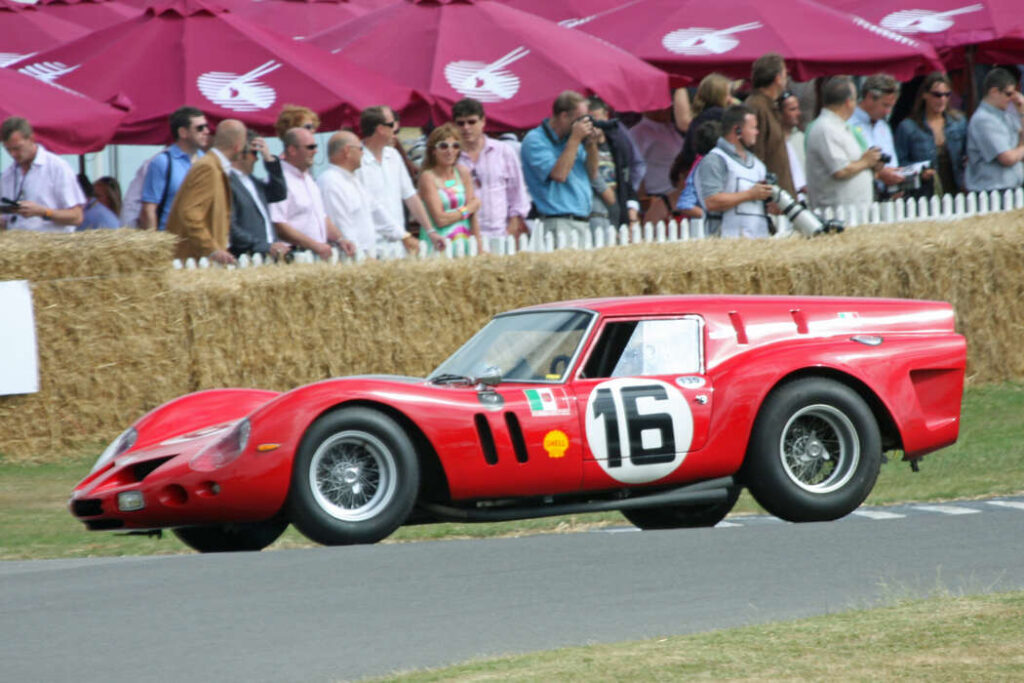
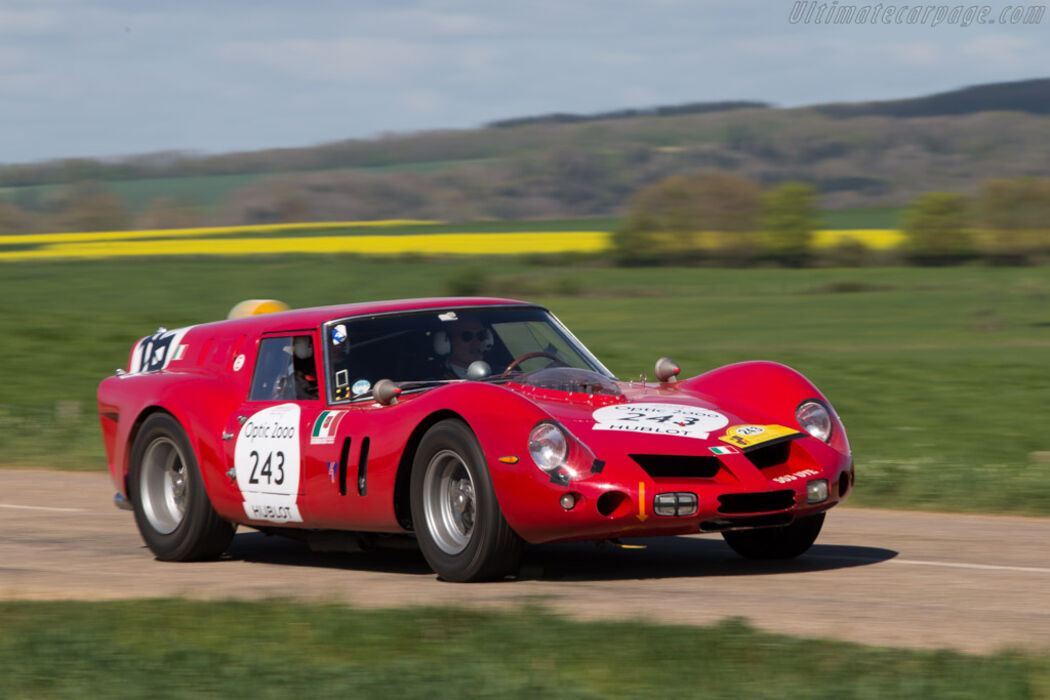
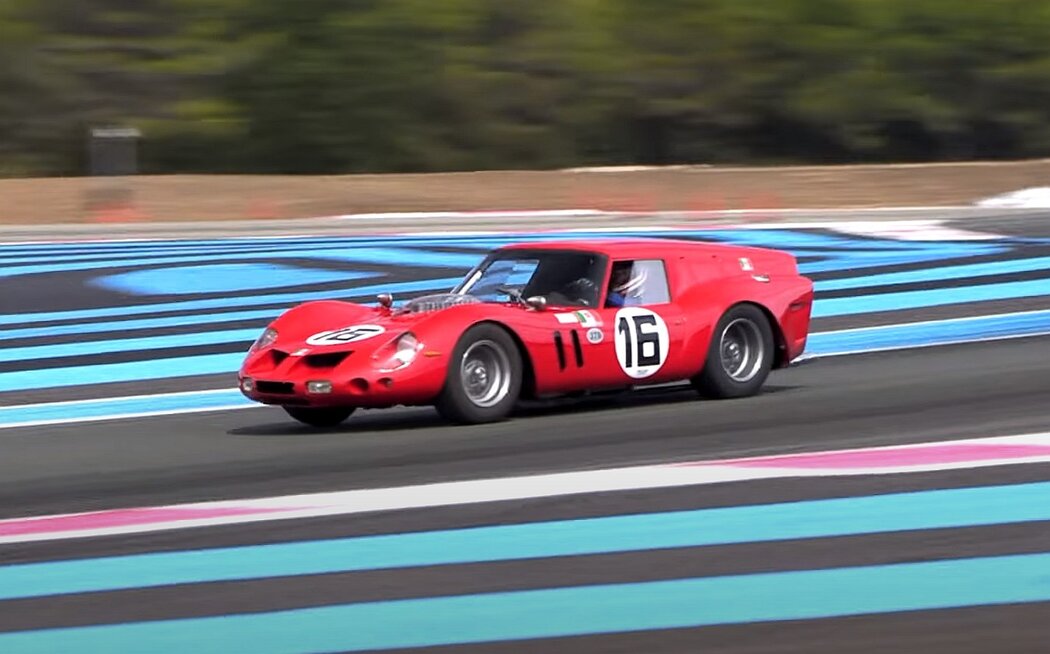
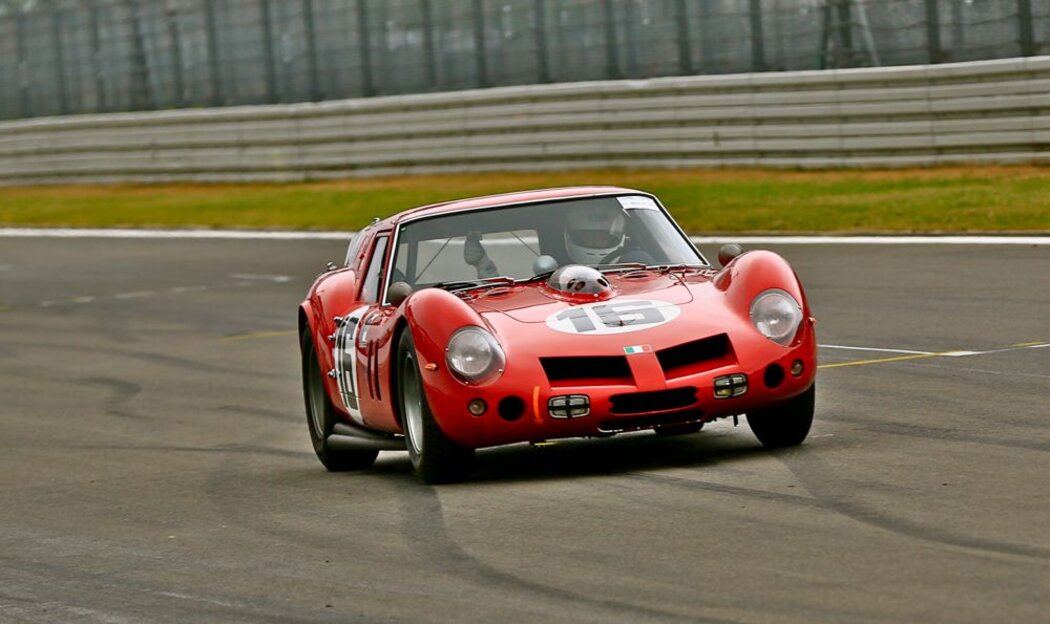
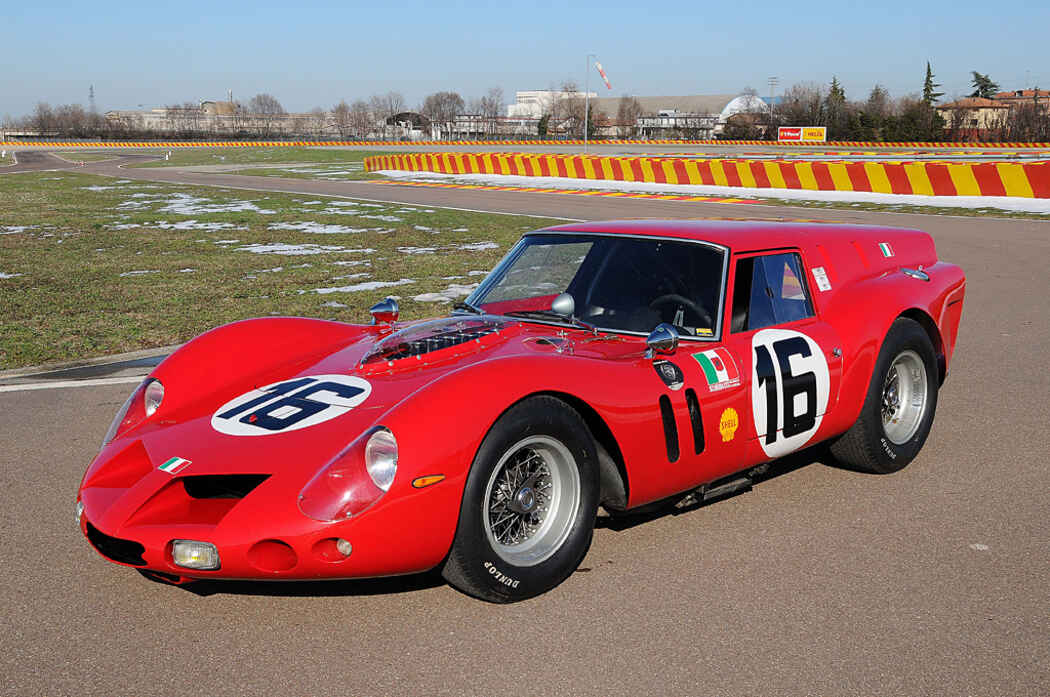
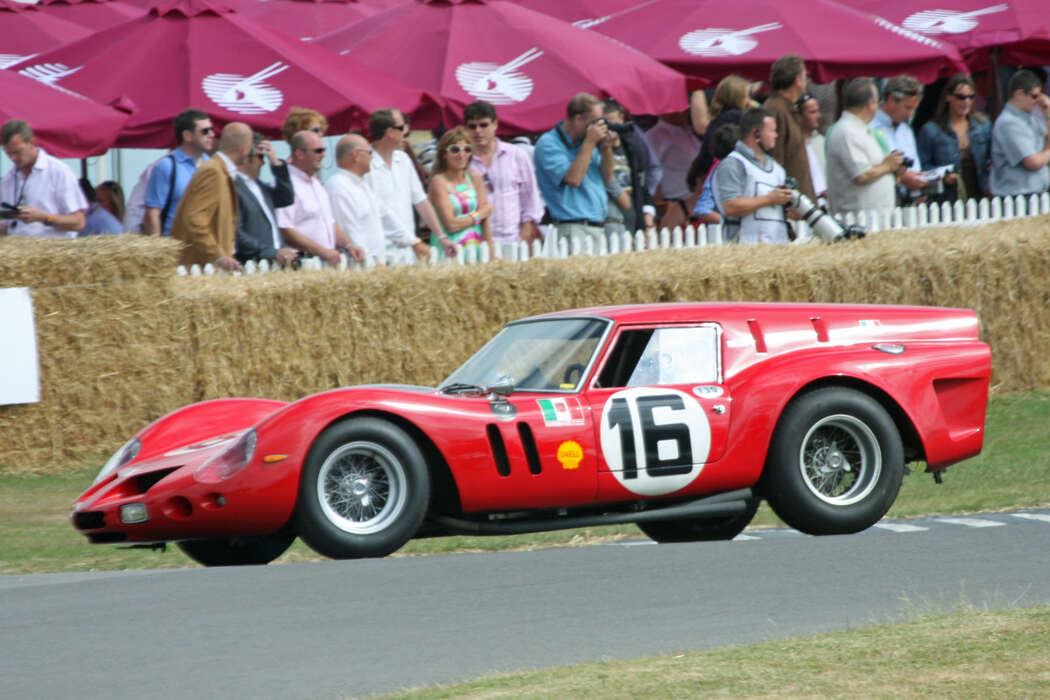
Image: Ferrari 250 GT SWB Breadvan
This car wasn’t born from Ferrari’s factory—it was born from defiance.
In 1962, Count Giovanni Volpi, denied a 250 GTO by Enzo Ferrari, commissioned Giotto Bizzarrini to create a rival. The result? A modified 250 GT SWB with a Kamm-tail design, earning it the nickname “Breadvan.”
Under the hood, a 3.0L V12 engine, repositioned and lowered, delivered 300 bhp. Its aerodynamic body, crafted by Piero Drogo, made it lighter and faster than the GTO.
At the 1962 Le Mans, it outpaced all GTOs before a driveshaft failure ended its race. Yet, it proved its prowess with GT class wins at Brands Hatch and Ollon-Villars.
The Breadvan wasn’t just a car—it was a statement. A testament to innovation born from rebellion.
Highlights:
- Historic Victory: 1962 Guards Trophy GT class win at Brands Hatch
- Grand Races: 1962 Le Mans, Guards Trophy, Ollon-Villars Hillclimb
- Driven by: Carlo Maria Abate, Colin Davis
Specifications:
|
Engine |
3.0L V12 |
|
Power |
240 hp |
|
Top Speed |
241 km/h |
1. Mercedes-Benz 300SLR
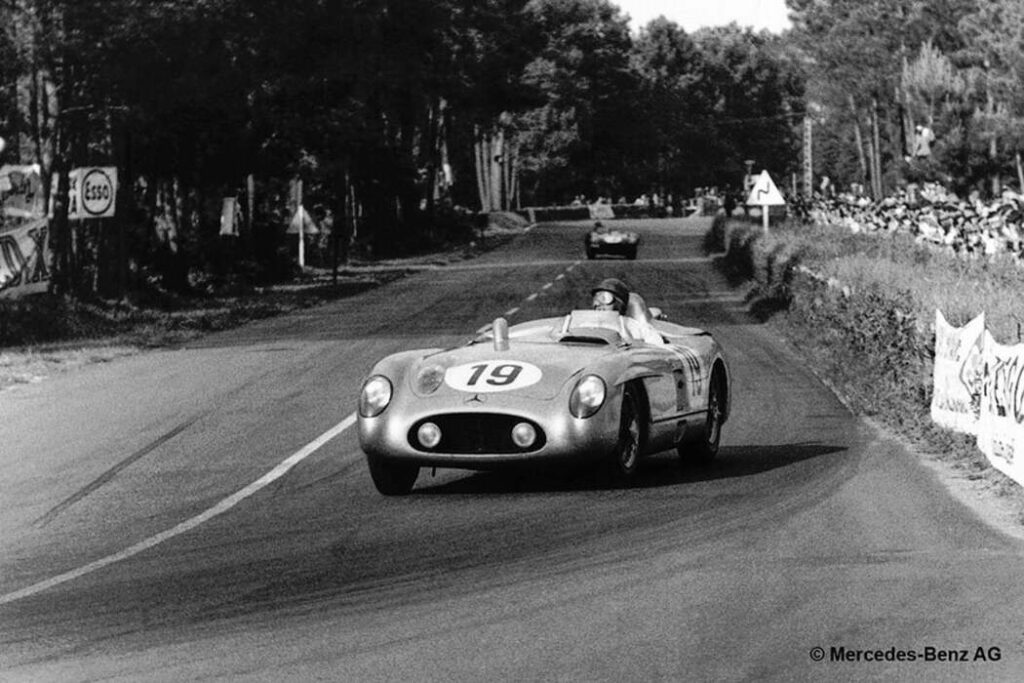

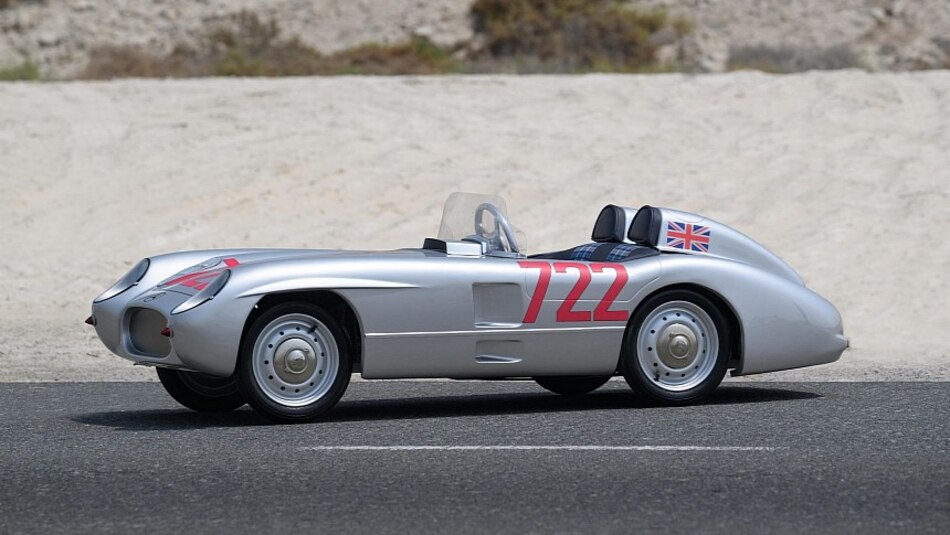
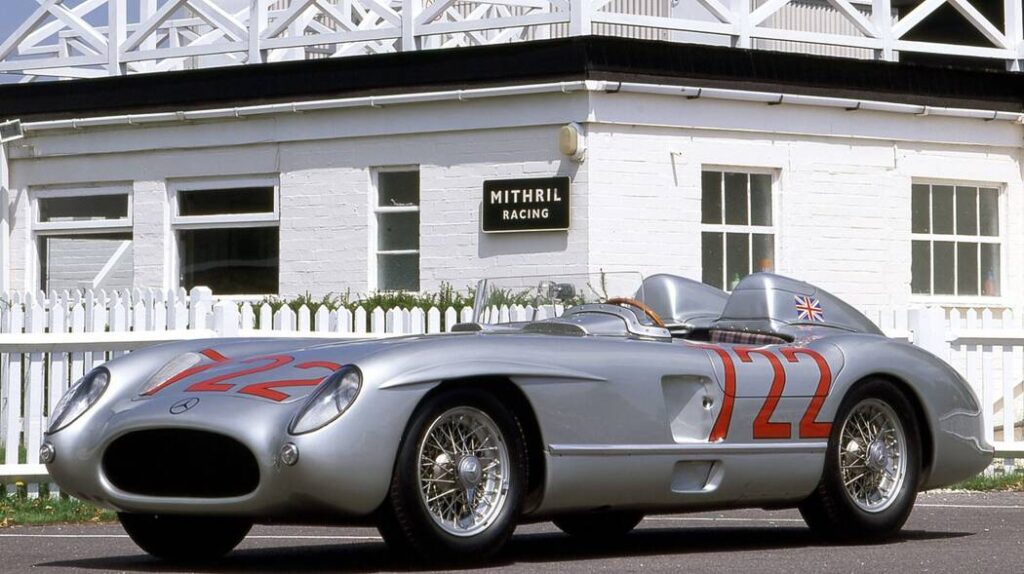
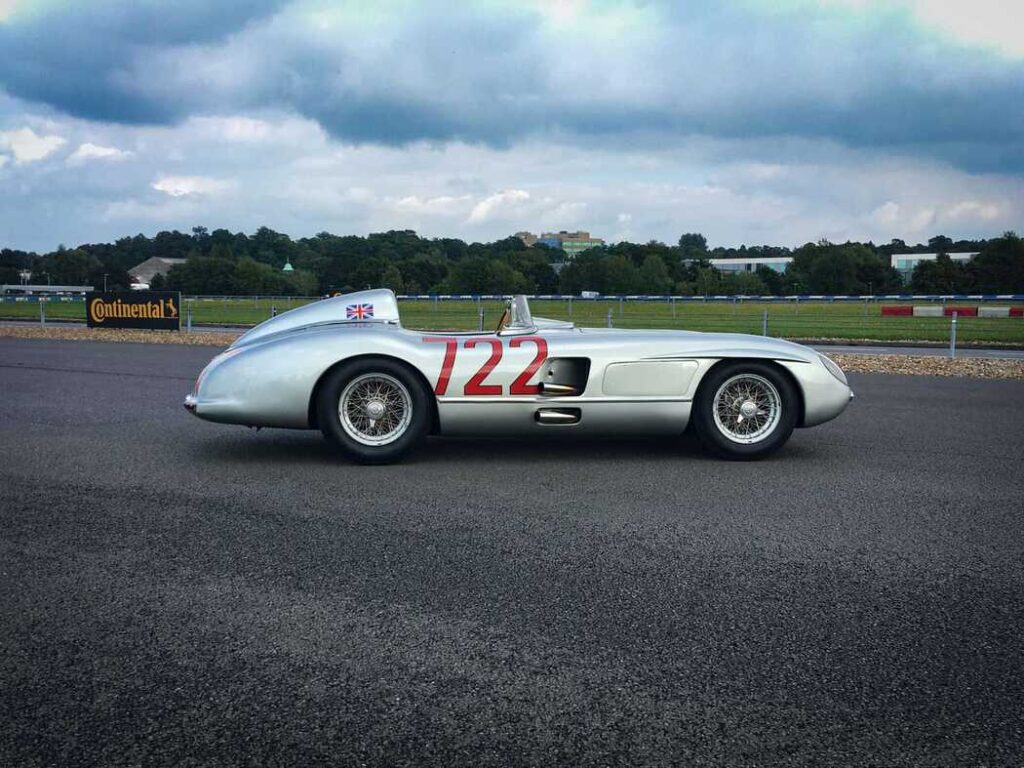
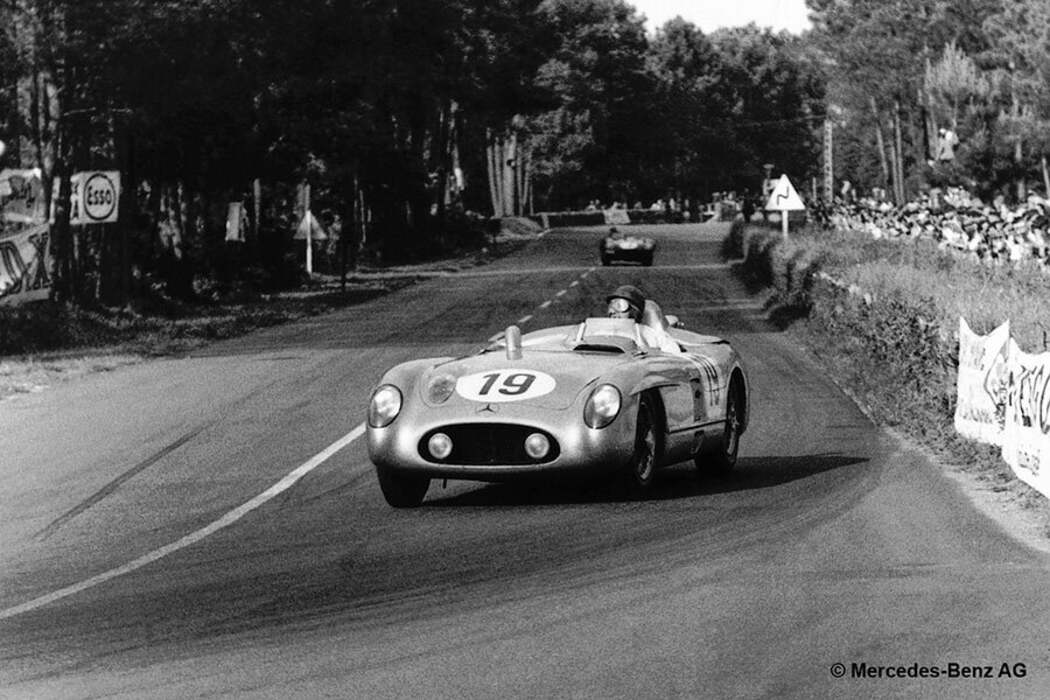
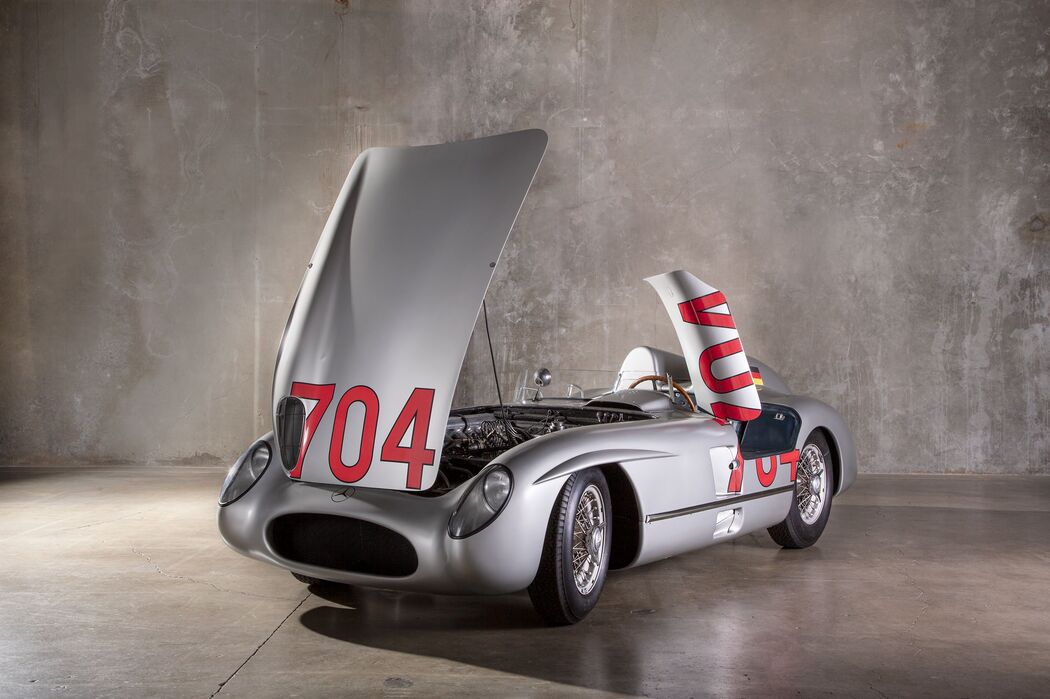
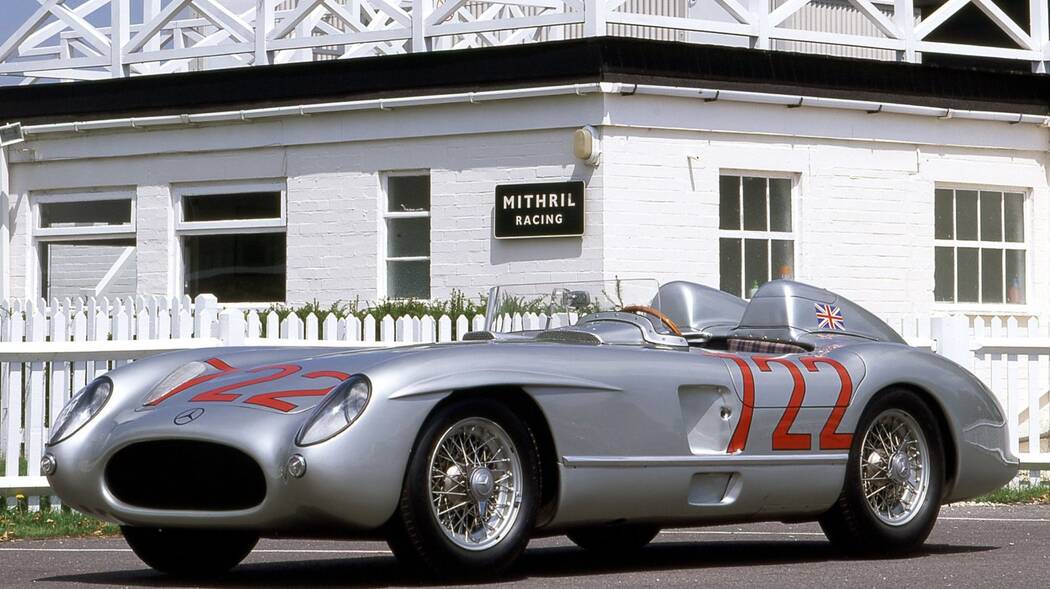
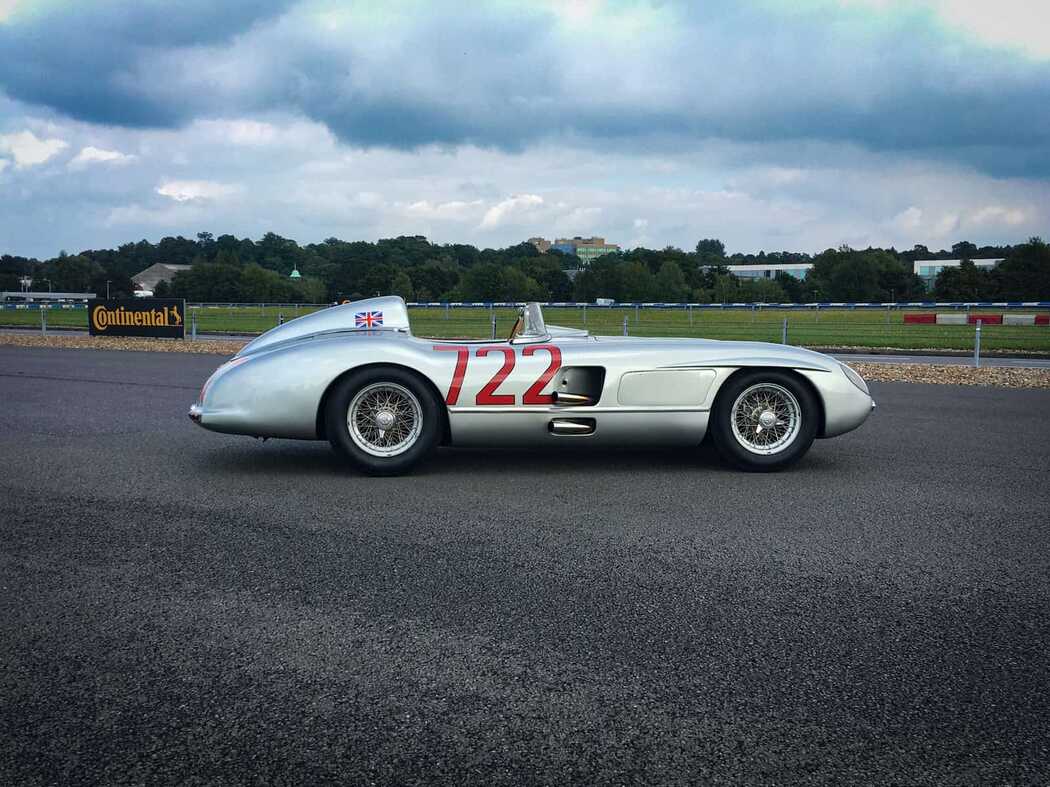
Image: Mercedes-Benz 300SLR
Mercedes-Benz 300 SLR was a revolution on wheels.
With a 3.0L straight-eight engine producing 310 hp, the 300 SLR could reach speeds over 180 mph (290 km/h). Its lightweight magnesium-alloy body and advanced aerodynamics set new standards in racing technology.
In 1955, Stirling Moss and Denis Jenkinson piloted the 300 SLR to victory in the Mille Miglia, completing the 1,000-mile race in just over 10 hours—a record that still stands. Their average speed of 97.96 mph was unprecedented.
The 300 SLR also dominated other major races that year, including the Targa Florio and the RAC Tourist Trophy, solidifying its legacy as one of the most successful race cars in history.
Beyond its performance, the 300 SLR’s design and engineering influenced generations of sports cars, making it a timeless symbol of automotive excellence.
Highlights:
- Historic Victory: 1955 Mille Miglia (Stirling Moss & Denis Jenkinson)
- Grand Races: Mille Miglia, Targa Florio, RAC Tourist Trophy
- Driven by: Stirling Moss, Juan Manuel Fangio, Karl Kling
Specifications:
|
Engine |
3.0L straight-eight |
|
Power |
310 hp |
|
Top Speed |
290 km/h |
Final Take
Racing isn’t just about cars going fast.
It’s about people chasing something bigger than themselves.
It’s danger, brilliance, failure, and glory—wrapped into one brutal, beautiful sport.
Every machine on this list wasn’t just engineered to win. It was crafted to push boundaries, test nerves, and make history.
Behind every lap, there’s sweat. Behind every win, there’s heartbreak, obsession, and years of sacrifice.
We watch not just for the speed—
but for the stories behind that speed.
Motorsport is about connection.
To risk. To precision. To emotion that erupts when man and machine get it just right.
And these 20 cars? They didn’t just race—they gave us memories we’ll never forget.
That’s why I love it. And enjoyed typing every word of this article.