
25 Car Brands That Don’t Exist Anymore
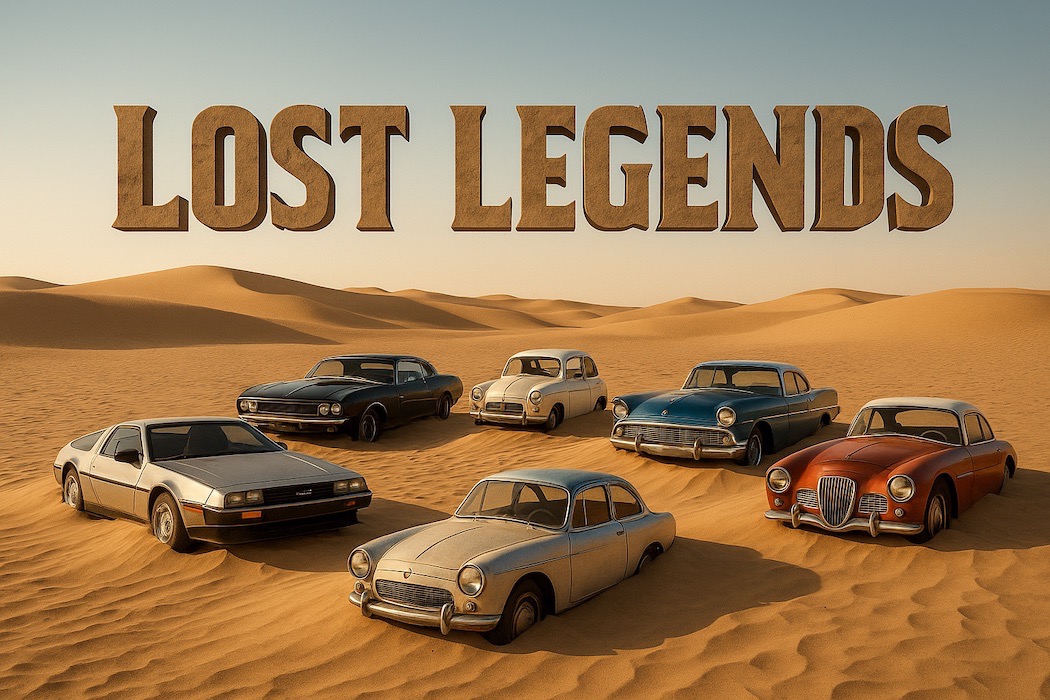
I’ve always been fascinated by the stories behind car brands—especially the ones that vanished. Some were ahead of their time, some were crushed by competition, and a few just made strange choices that sealed their fate. But every one of them had something unique to offer before they disappeared.
This isn’t just a list of forgotten logos. These are brands that once stood proudly on roads, racetracks, and in showrooms. Some built revolutionary machines, others defined entire eras of design, and a few were just flat-out weird—in the best way possible.
Whether you’re a car nerd, a history buff, or someone who just misses how cars used to look and feel, this list is for you. Let’s take a ride through time and remember the 25 car brands that are no longer around—but definitely not forgotten.
25. Cord (1929-1937)
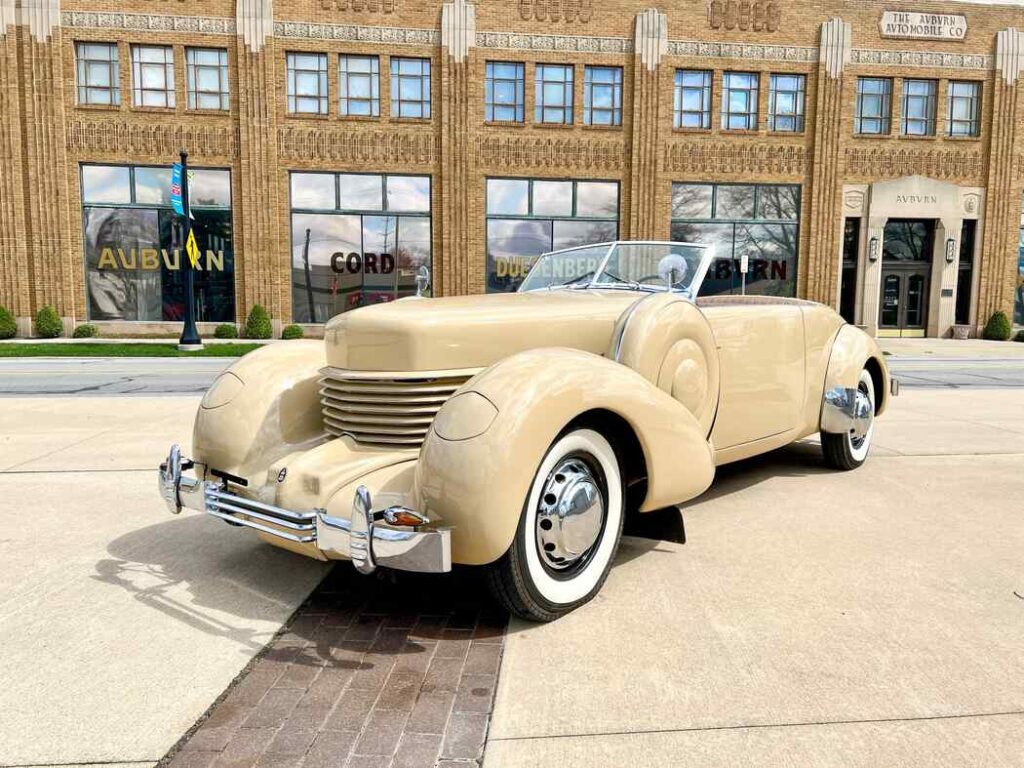
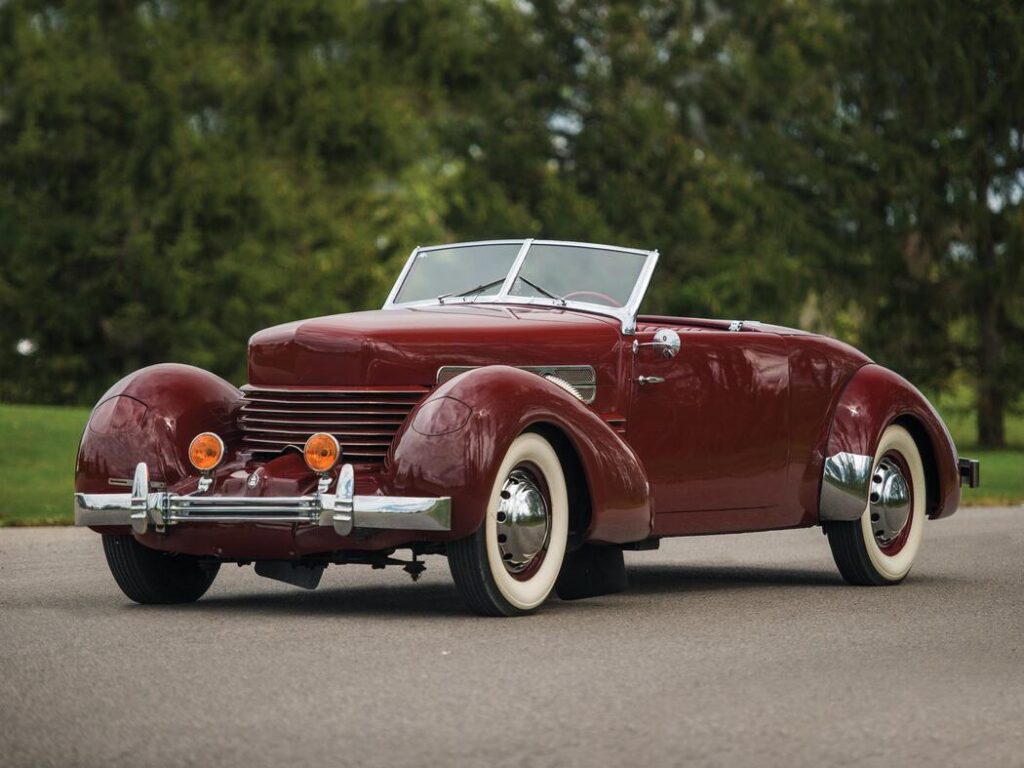


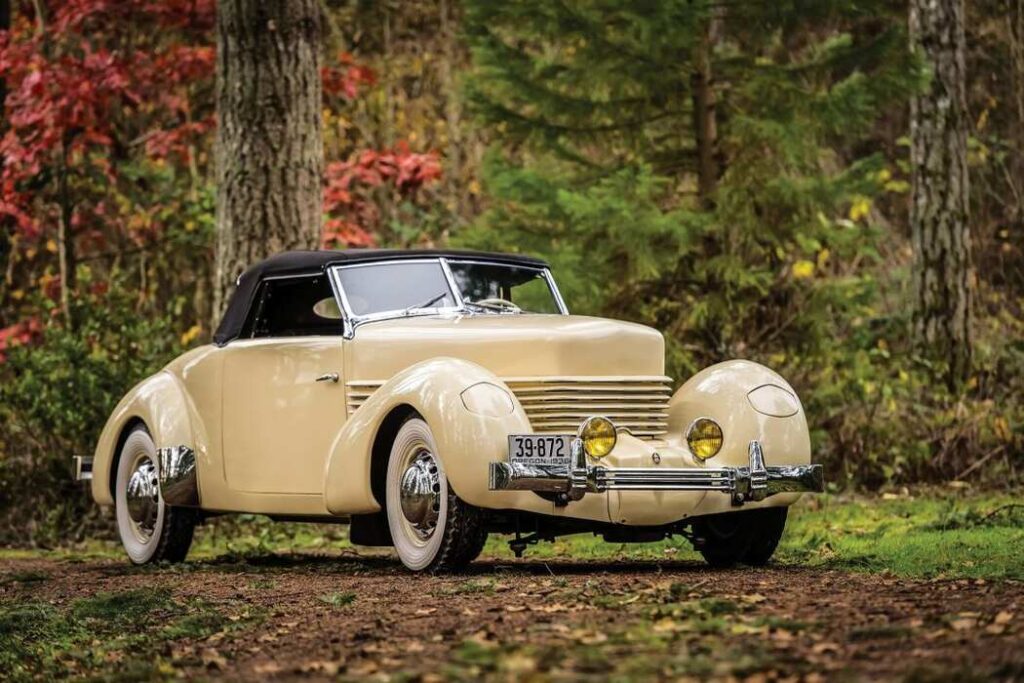
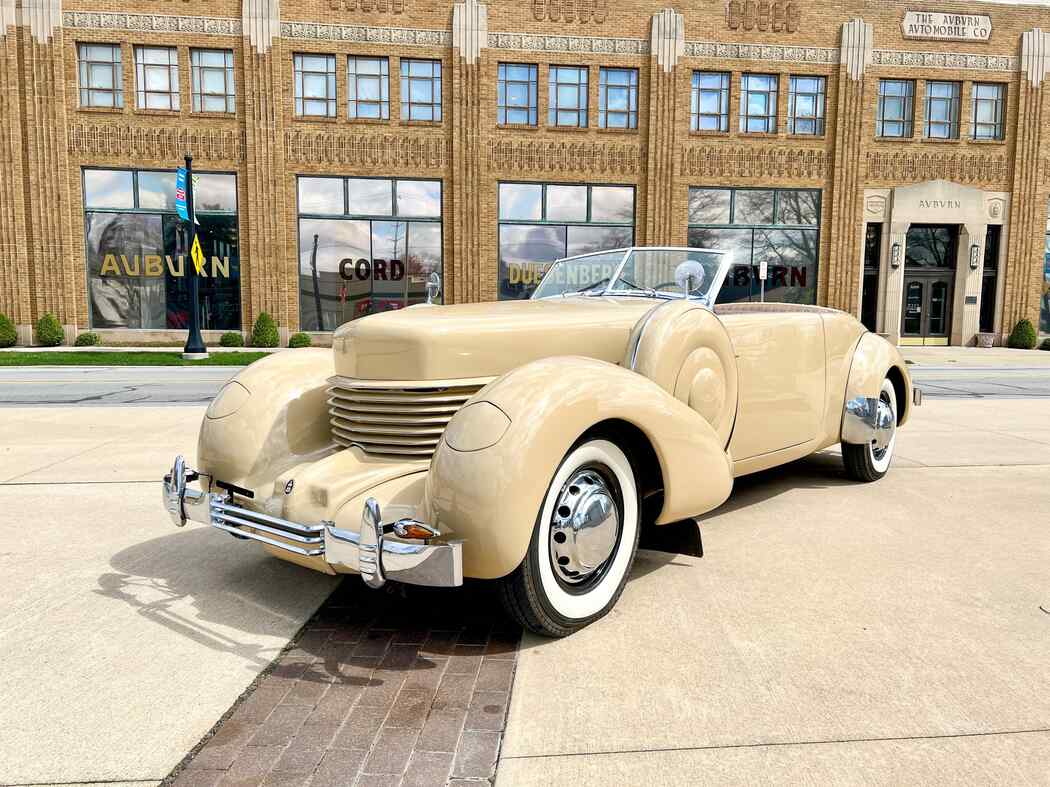
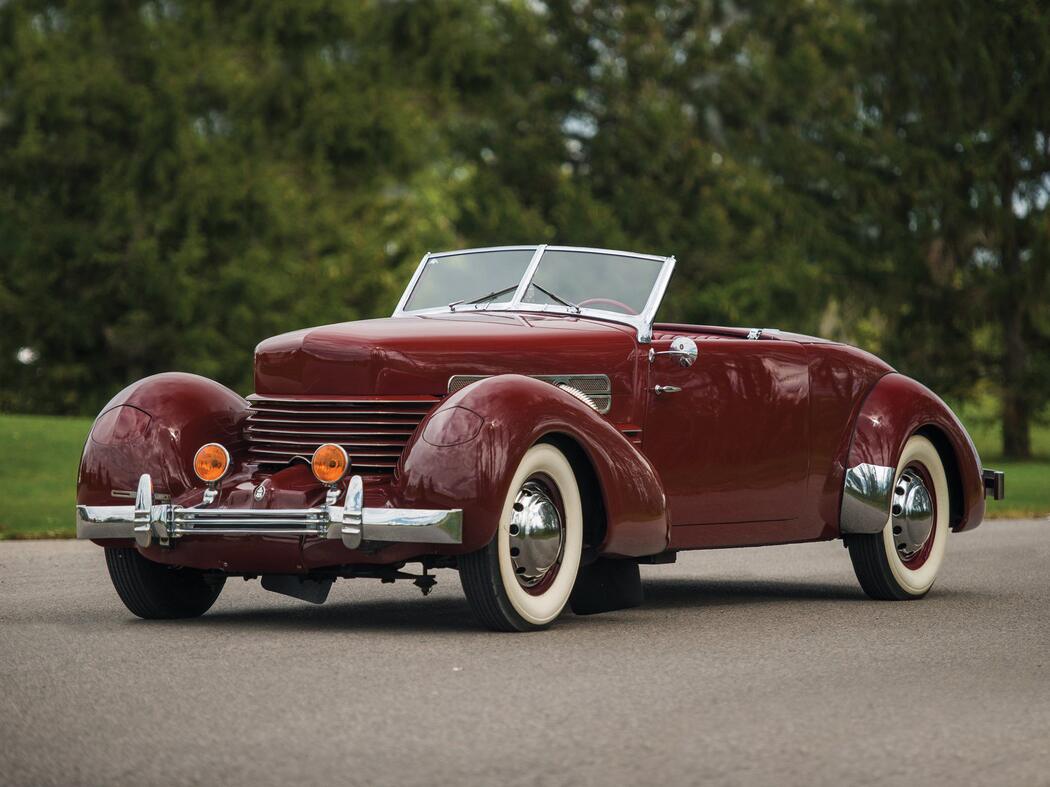
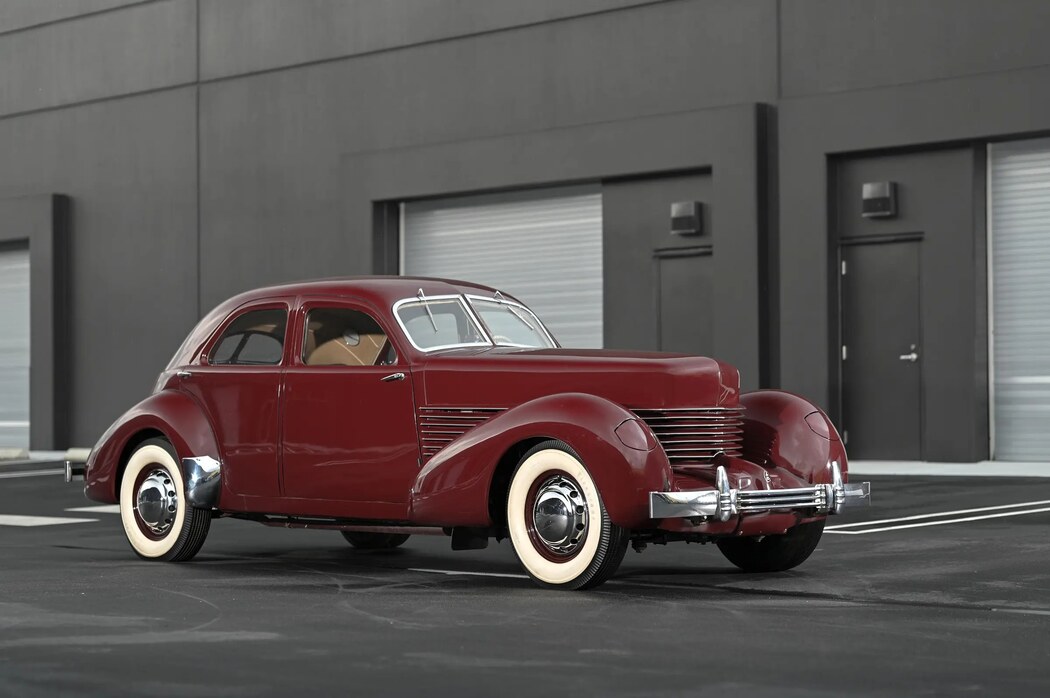
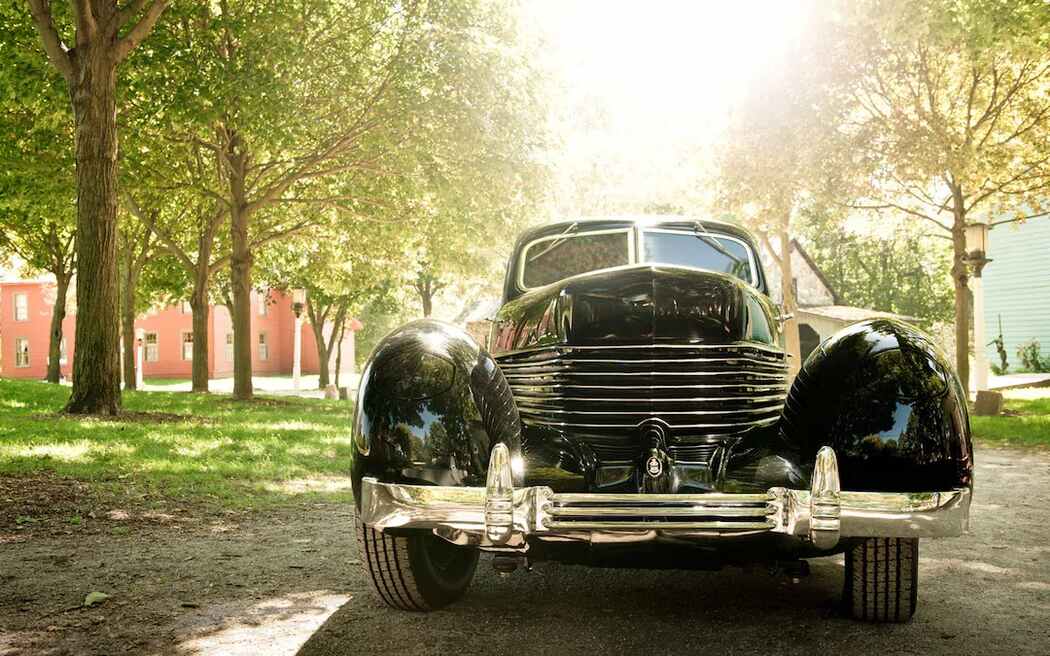
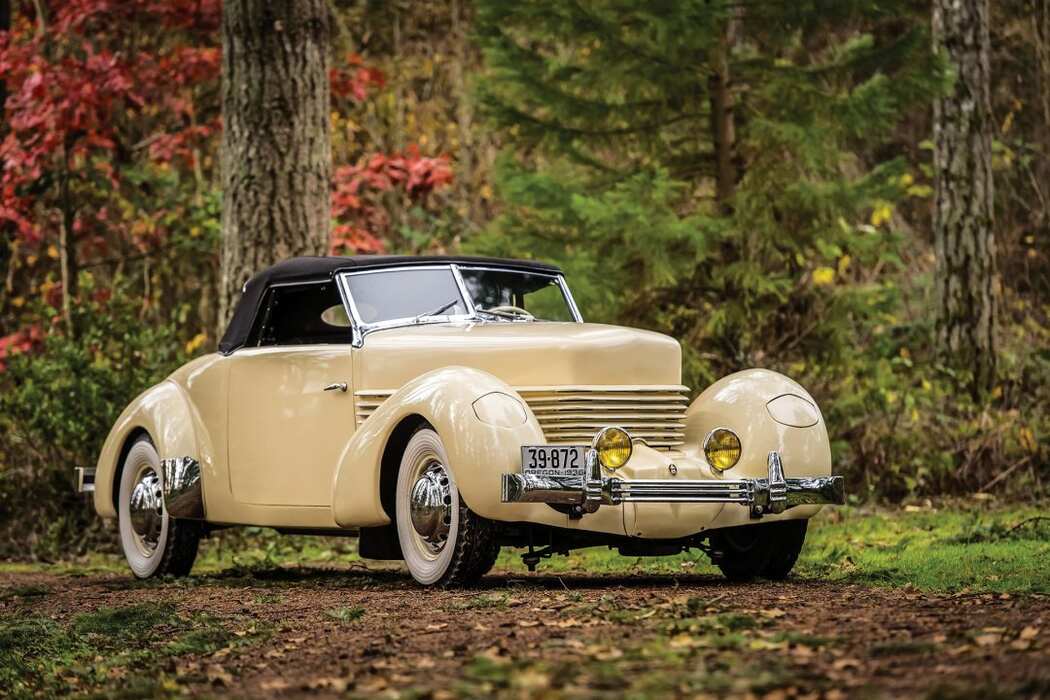
Image: Cord
Cord wasn’t just building cars—it was building the future. Founded in 1929 by E.L. Cord, this short-lived but visionary brand turned heads with innovations most automakers wouldn’t touch until decades later. If you’ve ever seen the Cord 810 or 812, you know exactly what I mean. Hidden headlights. Sleek, aircraft-inspired curves. And front-wheel drive… in the 1930s!
While the cars were futuristic, the business model wasn’t recession-proof. The Great Depression crushed luxury car sales, and despite their stunning looks and engineering, Cord shut its doors in 1937. But even in failure, it left a mark most brands only dream of.
Cord may be gone, but in collector garages and design books, it’s still a name that earns respect. It wasn’t around long—but it mattered.
Highlights:
- Founded: 1929
- Popular Model: Cord 810, Cord 812
- Defunct: 1937
- Why It Failed: Sales collapsed during the Great Depression despite revolutionary design
24. Duesenberg (1913-1937)
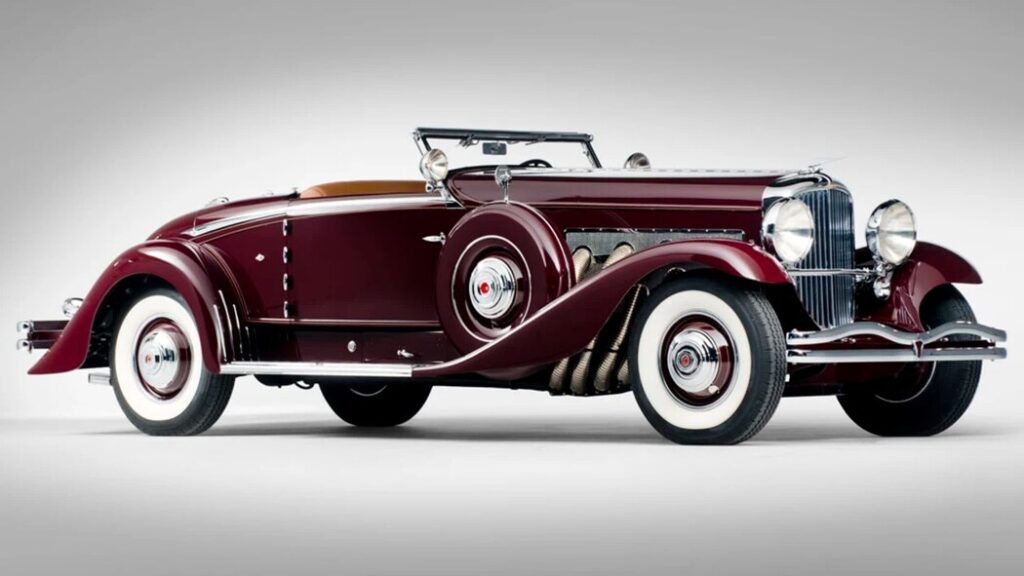
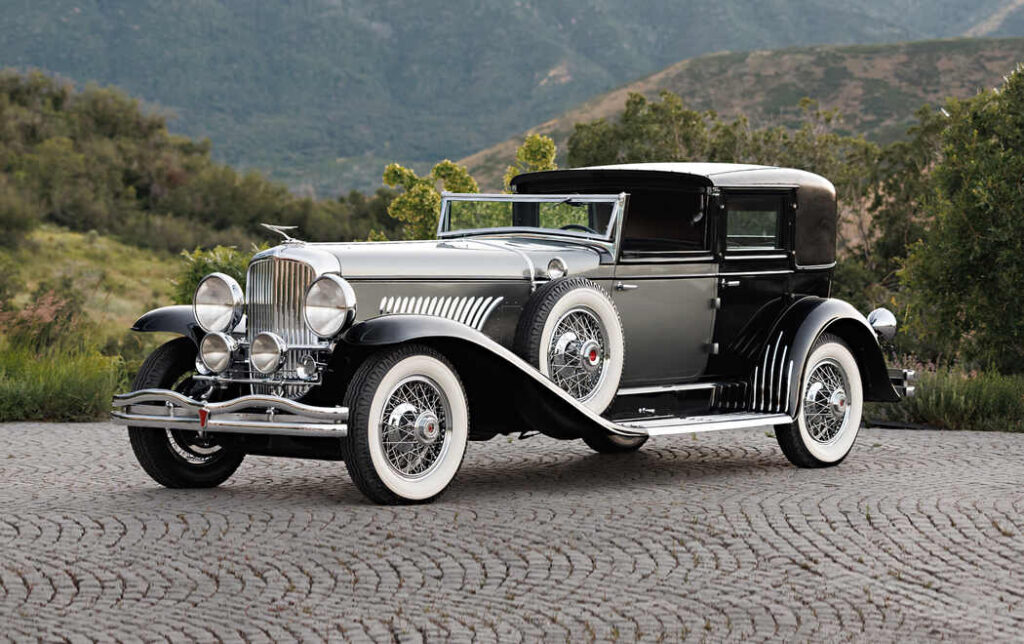
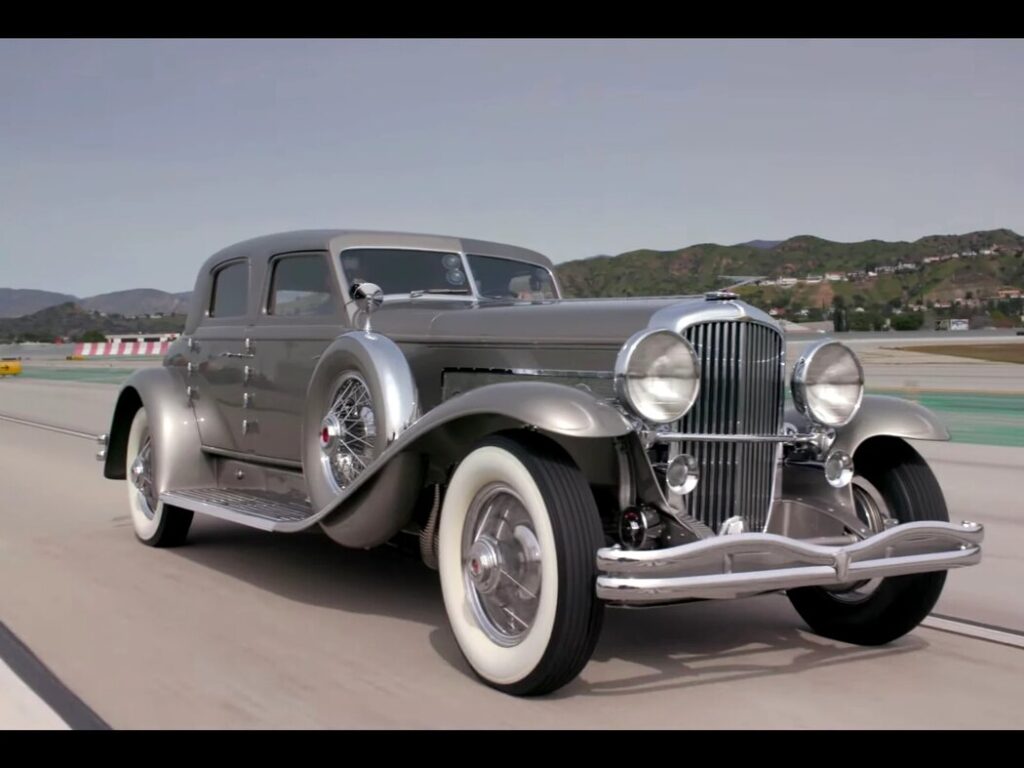
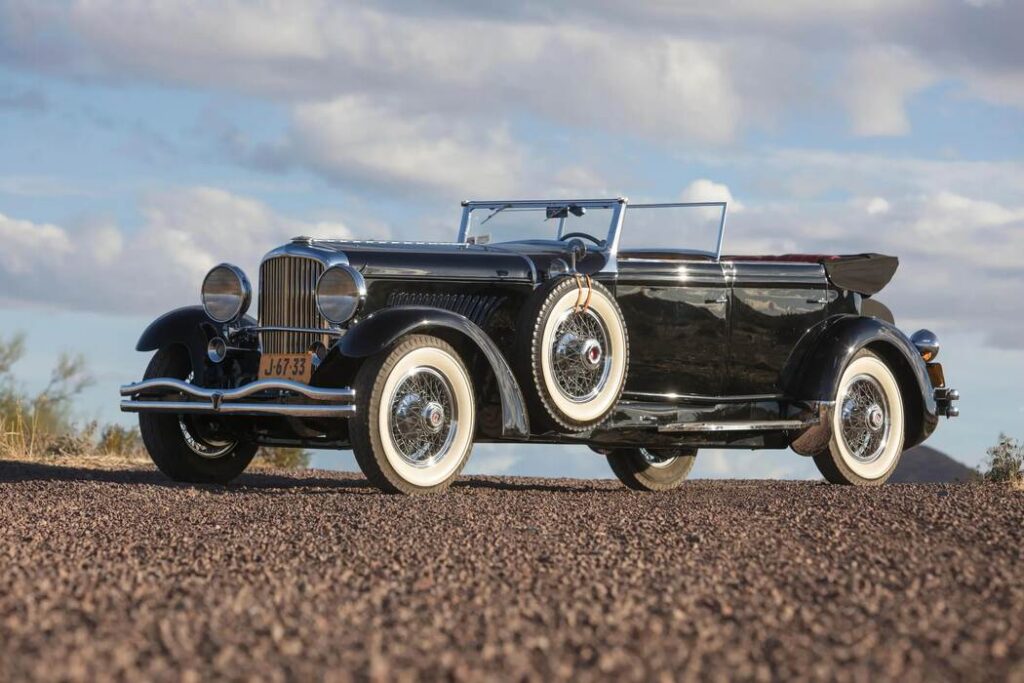

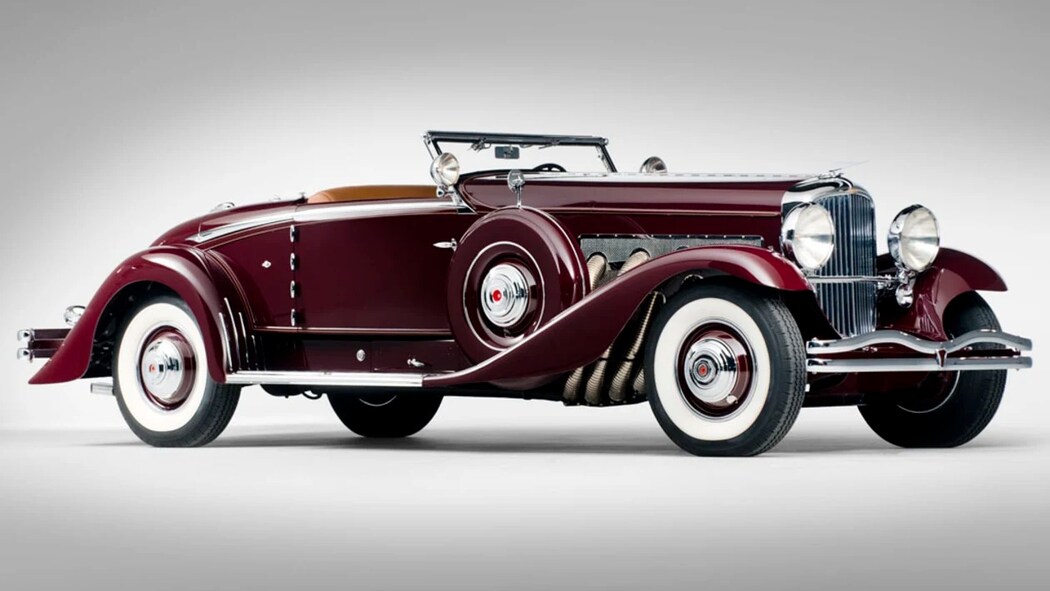
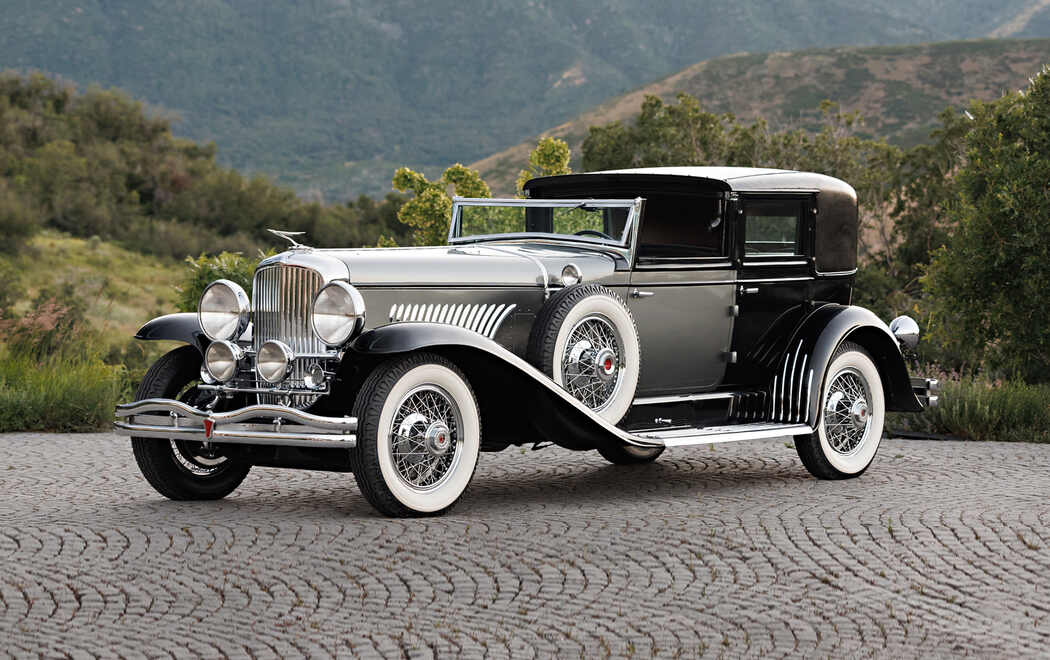
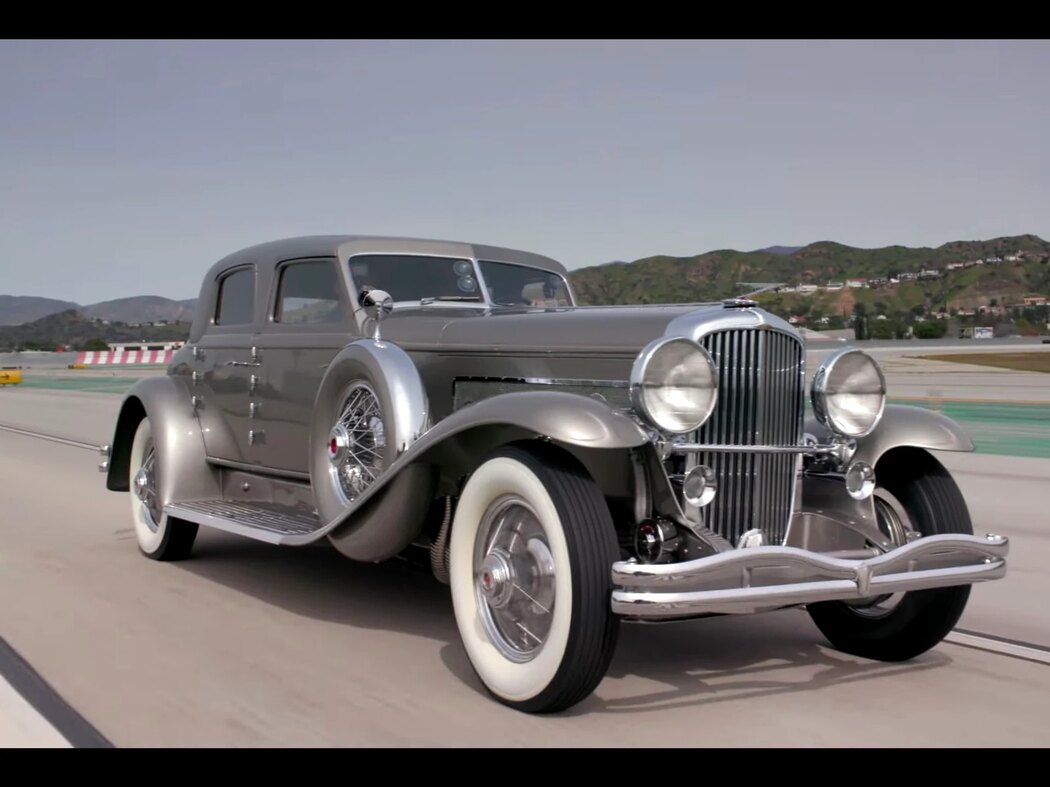
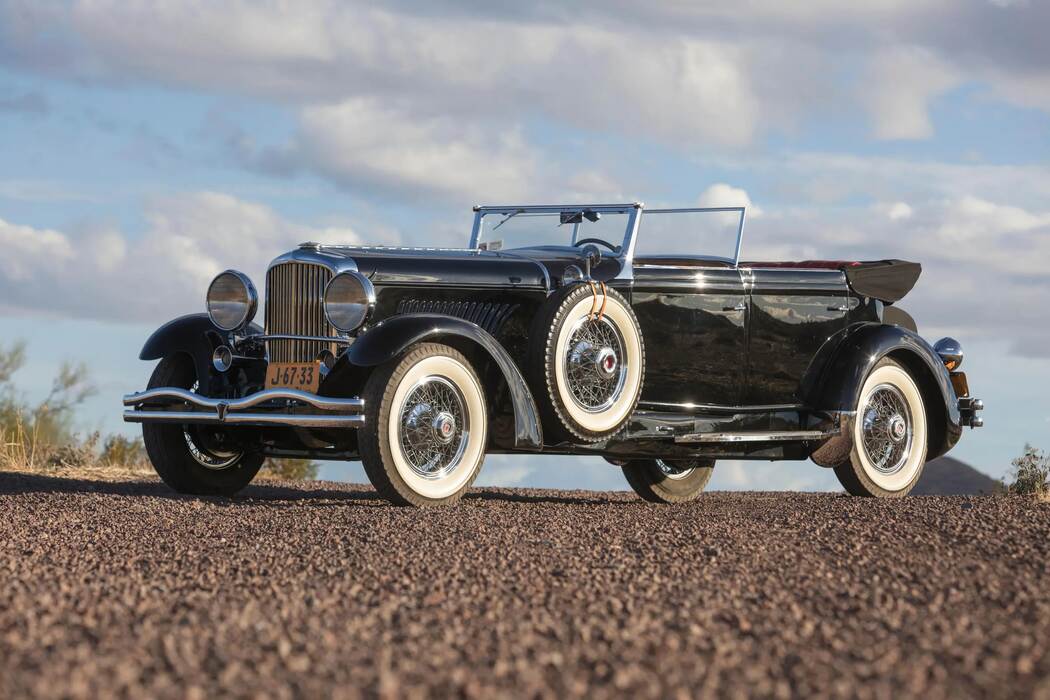
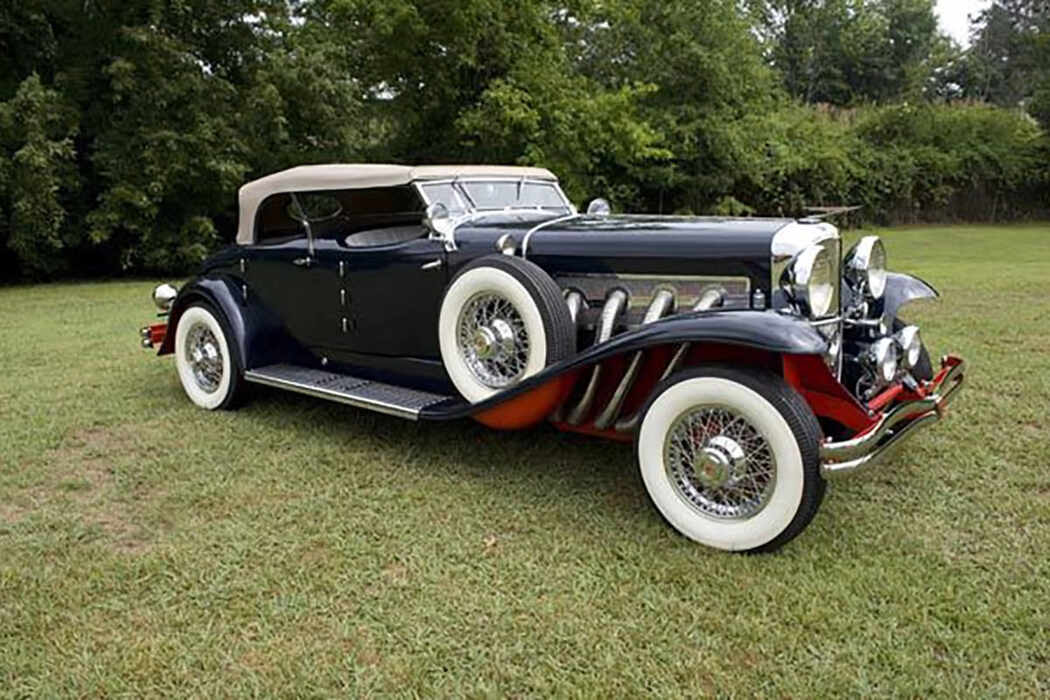
Image: Duesenberg
Duesenberg wasn’t just a car—it was a declaration. Born in 1913 from the vision of Fred and August Duesenberg, this American brand didn’t just build cars, it built legends. First known for race cars, they eventually turned to crafting luxury automobiles that were so advanced and extravagant, they made everything else feel ordinary.
The Model J? That thing was a mechanical masterpiece. Straight-eight engine, hand-finished details, and a price tag that only the world’s richest could afford. Kings, movie stars, and business titans all wanted one. Driving a Duesenberg wasn’t about getting from A to B—it was about arriving in style.
But even brilliance has its limits. The Great Depression hit hard, and ultra-luxury cars weren’t exactly flying off the shelves. In 1937, when their parent company Auburn folded, so did Duesenberg.
Still, their name lives on. Show up at a Concours d’Elegance in a Duesy and you’ll see heads turn. They may be gone, but they were never forgotten.
Highlights:
- Founded: 1913
- Popular Model: Duesenberg Model J
- Defunct: 1937
- Why It Failed: Luxury too steep for the Depression era
23. Edsel (1957-1959)
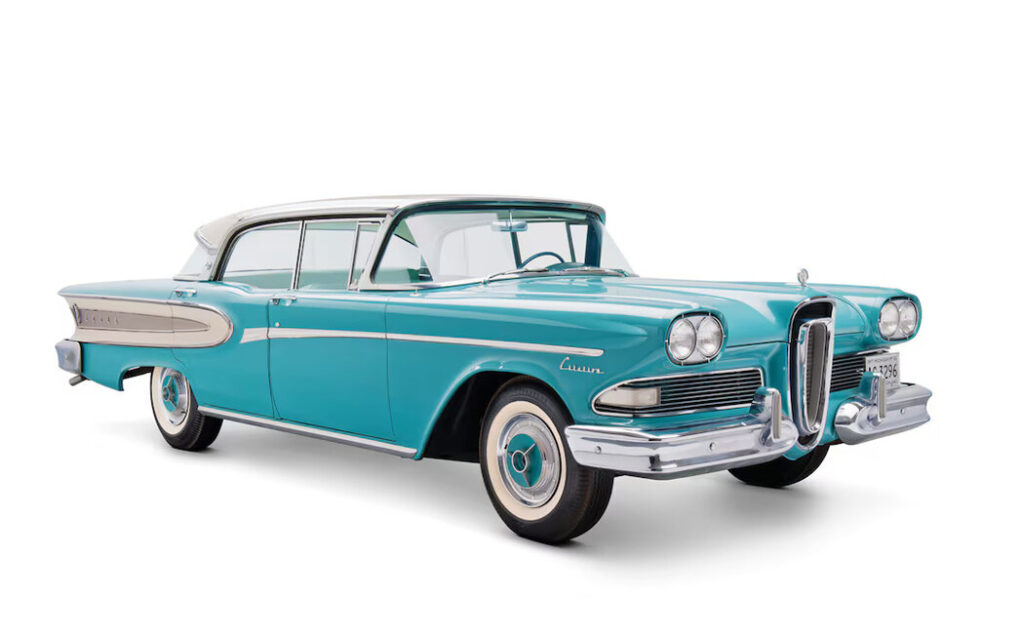
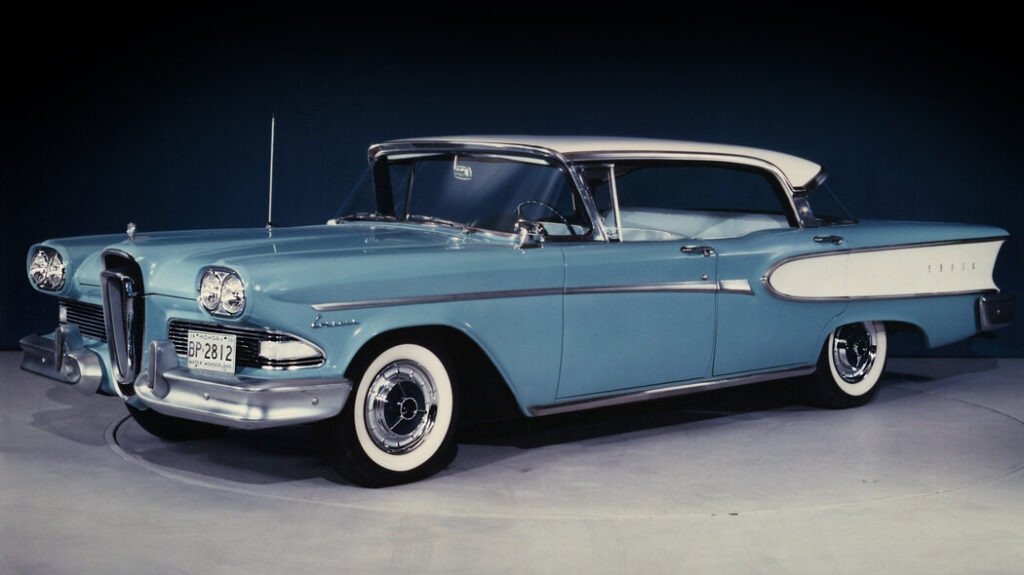
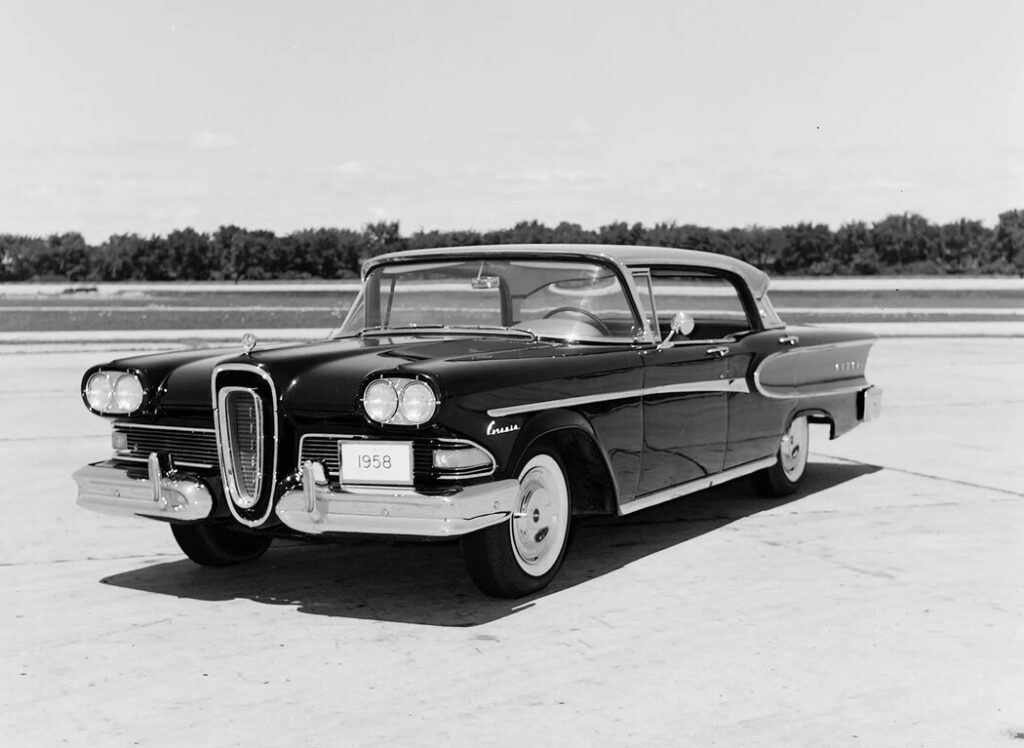
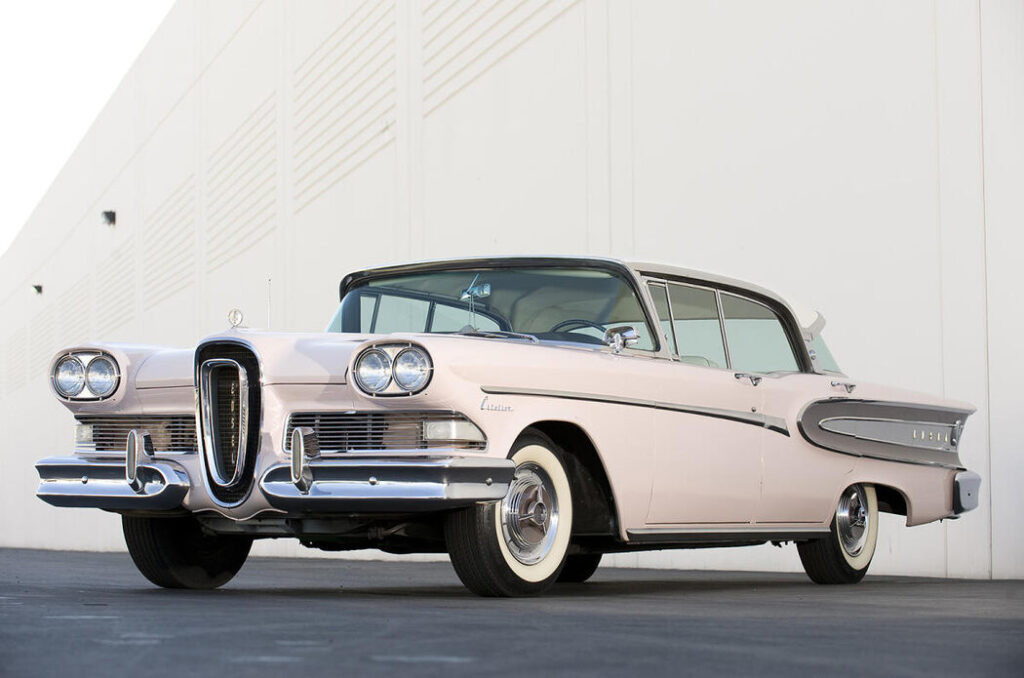
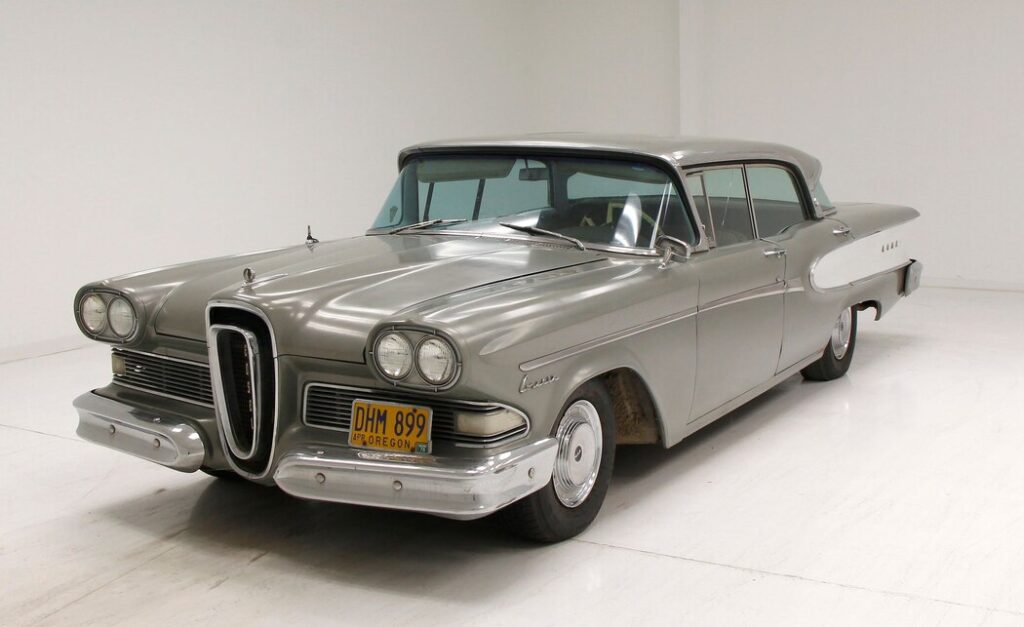
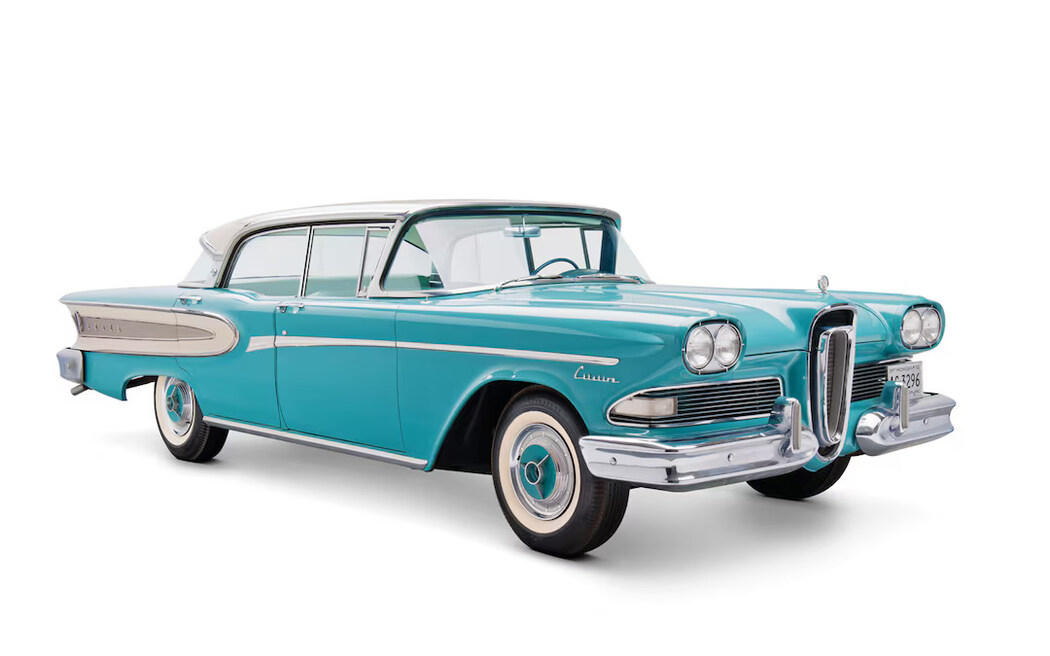
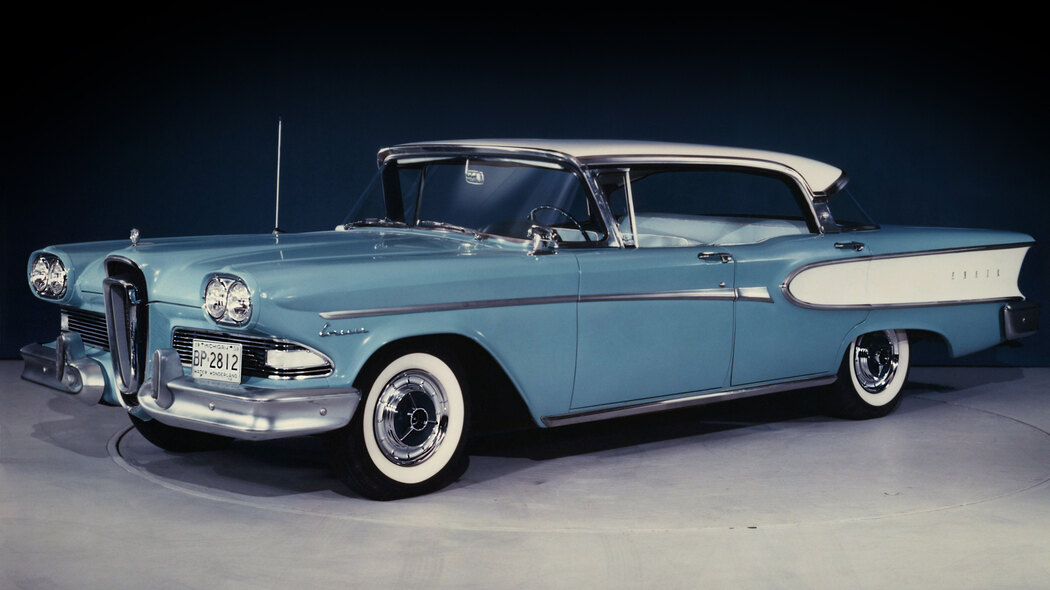
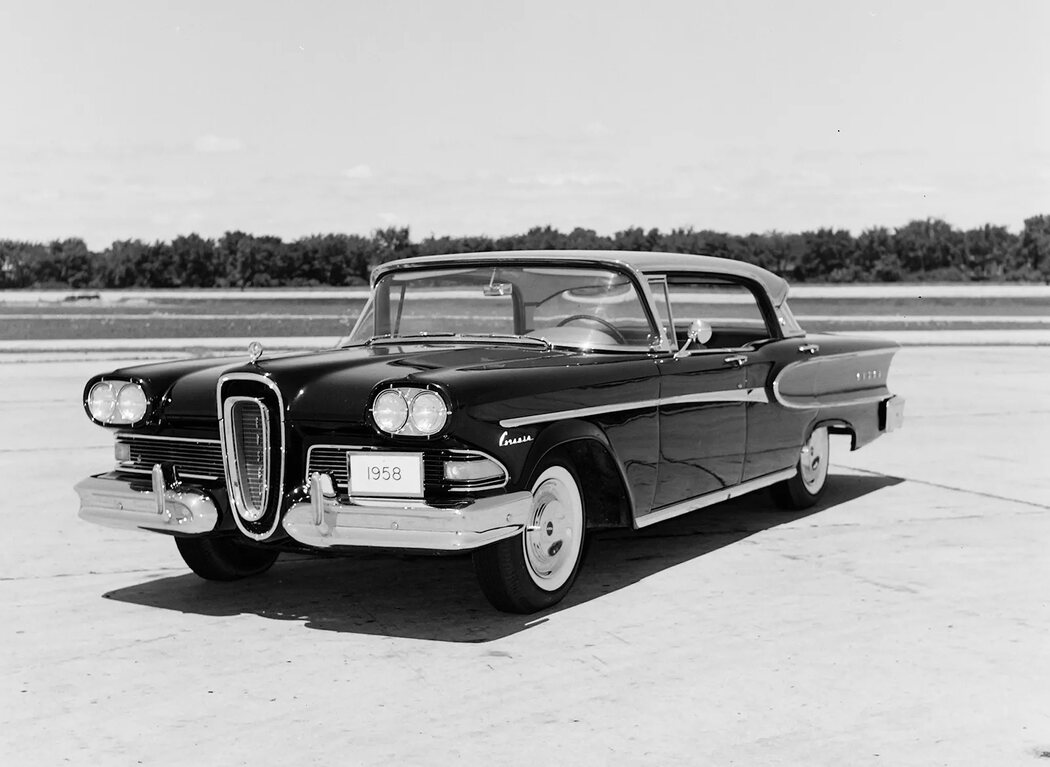
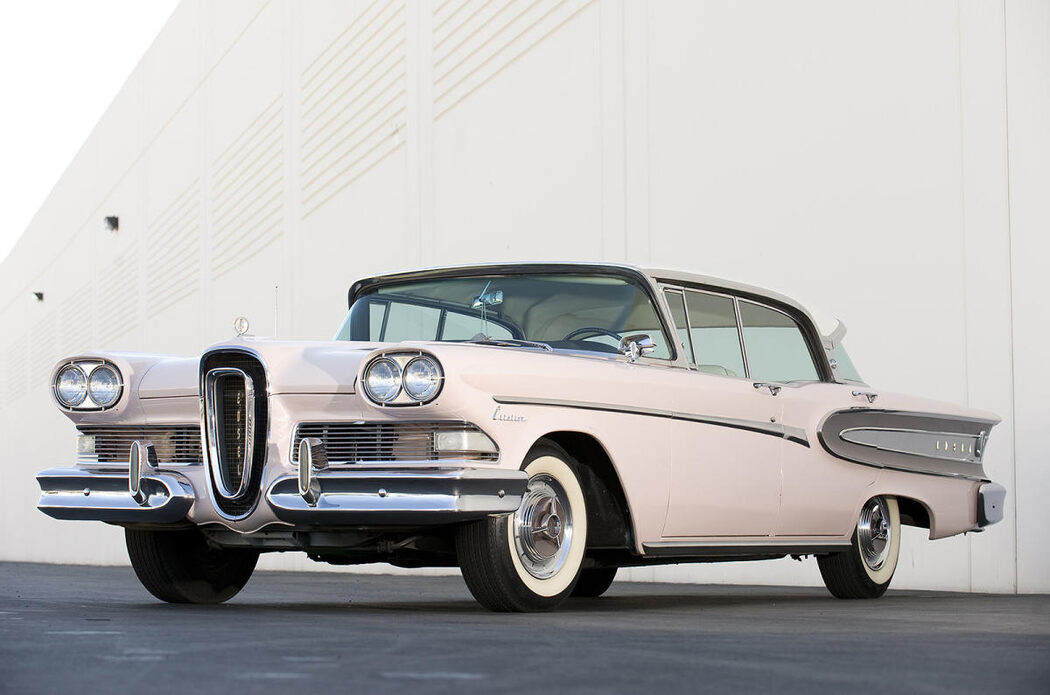
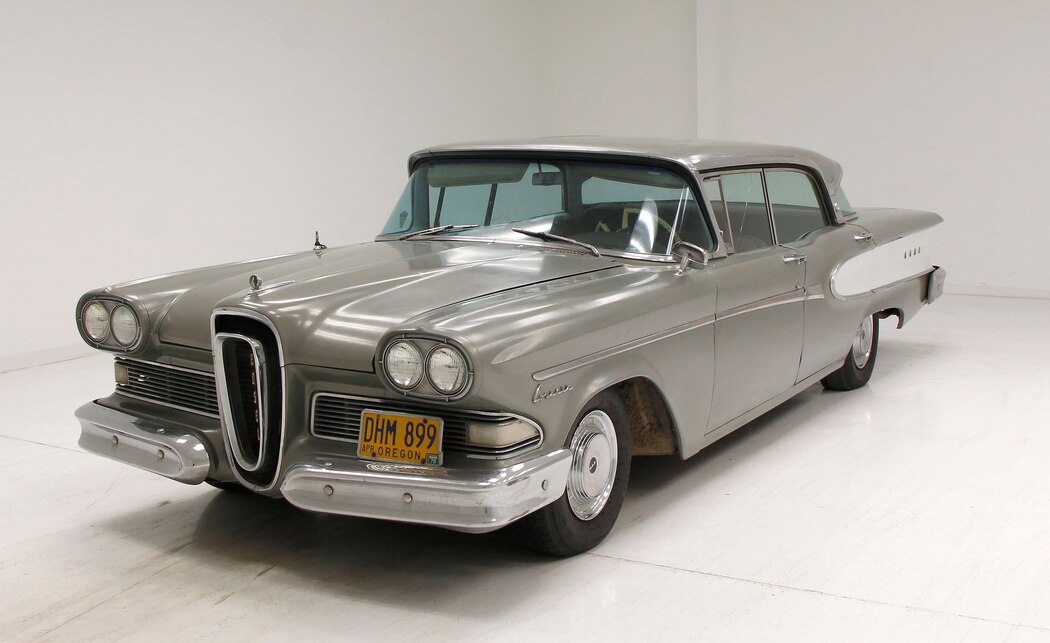
Image: Edsel
The Edsel was supposed to be Ford’s next big thing—an ambitious, futuristic brand named after Henry Ford’s son. Launched in 1957, it came with bold claims and even bolder styling. But instead of becoming a legend, Edsel turned into one of the most infamous flops in automotive history.
Its problems started right at the grille. That “horse-collar” design was meant to stand out—but it ended up turning buyers off. The pricing was all wrong, the marketing overpromised, and the timing couldn’t have been worse—America was slipping into a recession. Add sloppy build quality and a lack of identity, and Ford’s dream brand quickly turned into a costly disaster.
In just two short years, Edsel was gone. Ford pulled the plug in 1959 after pouring hundreds of millions into what many now call a masterclass in what not to do in car marketing.
Still, the story doesn’t end there. Because today, the very thing that made Edsel a failure—its rarity—makes it a collector’s prize. A failed revolution that still turns heads, decades later.
Highlights:
- Founded: 1957
- Popular Model: None
- Defunct: 1959
- Why It Failed: Overhyped, overpriced, and launched at the worst time possible
22. La Salle (1927-1940)
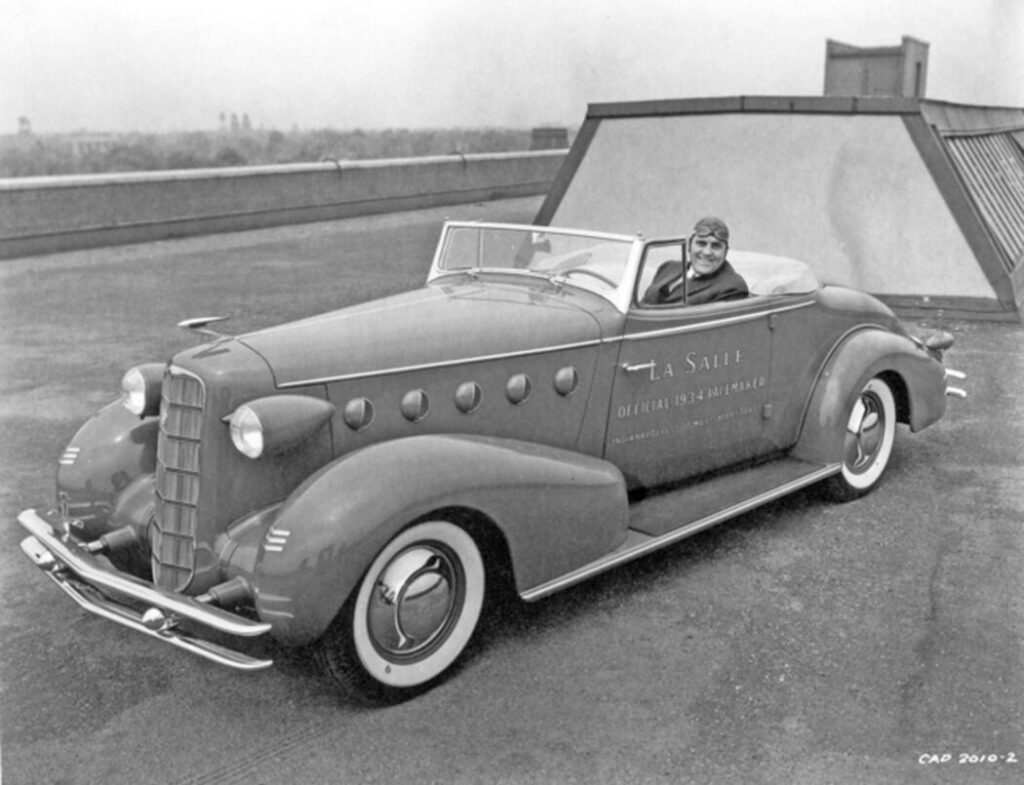


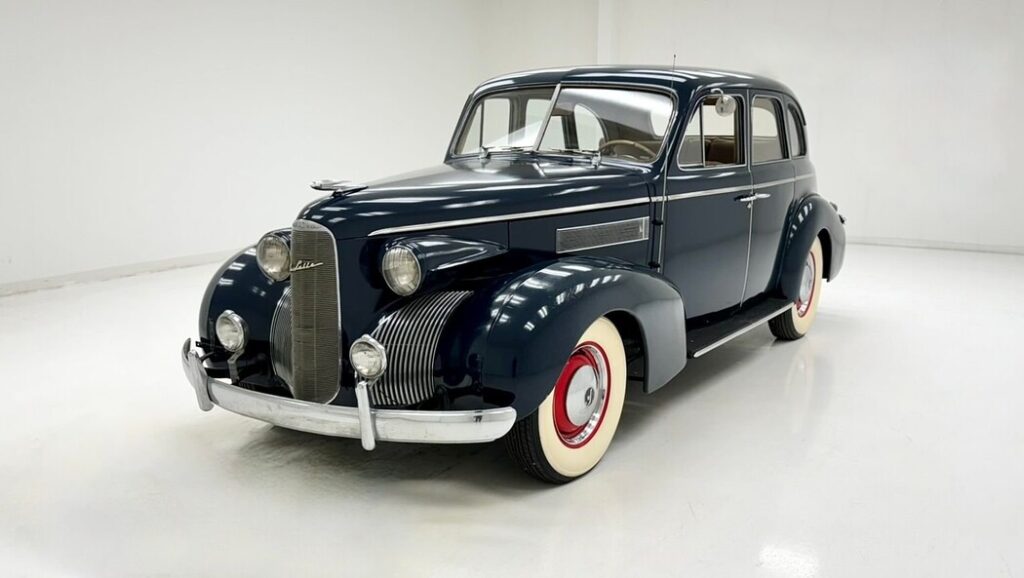
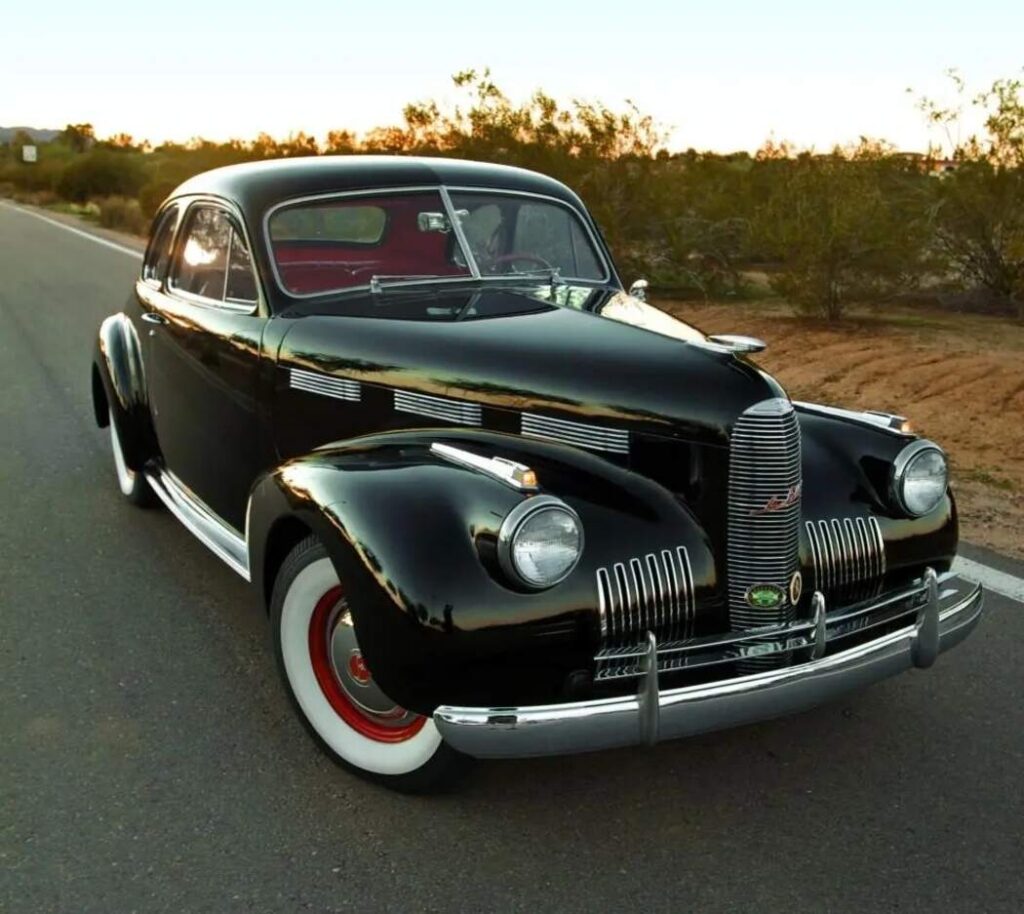
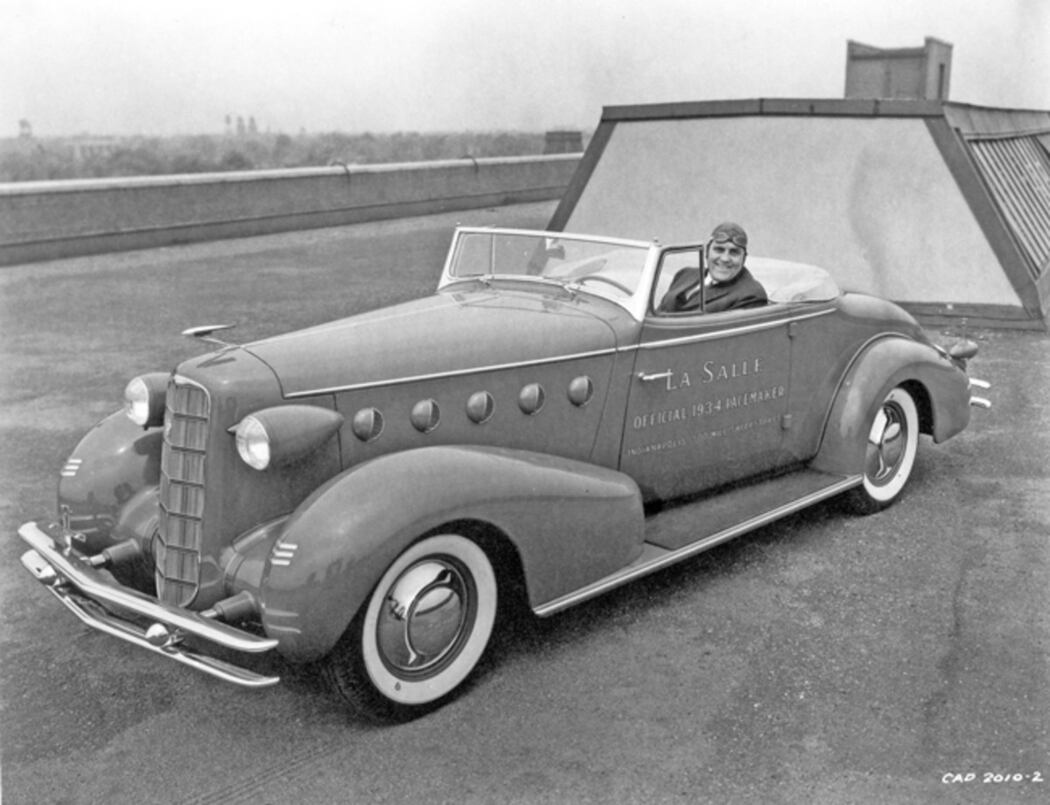
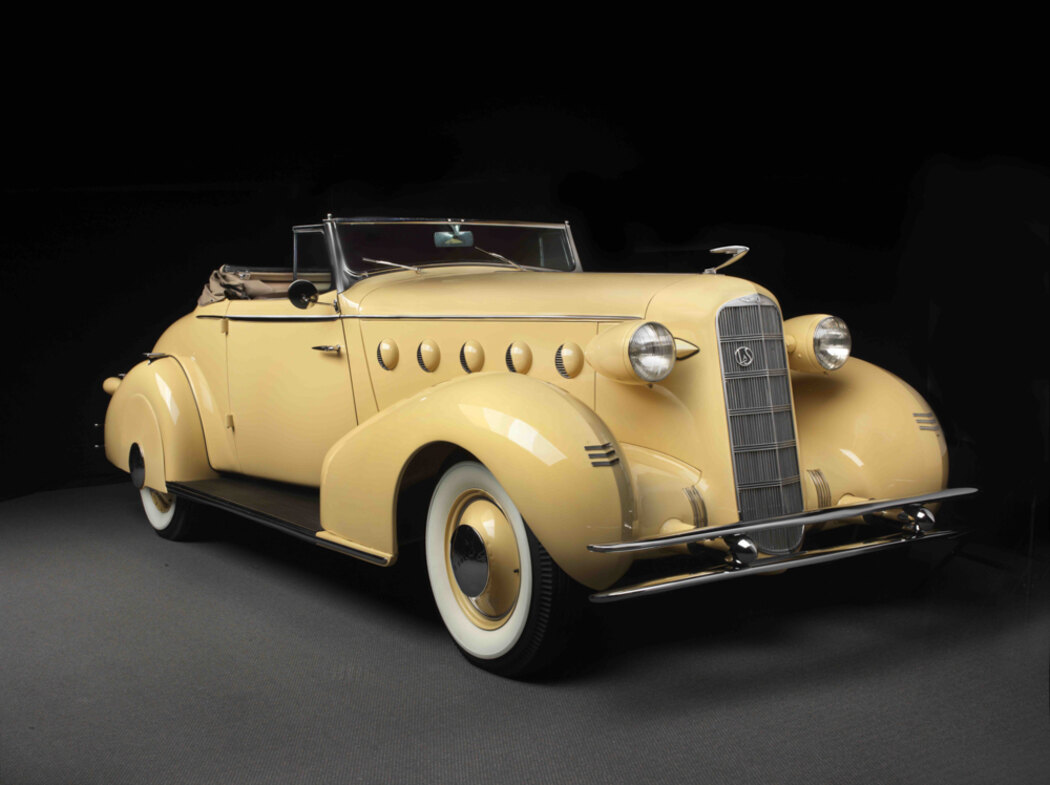
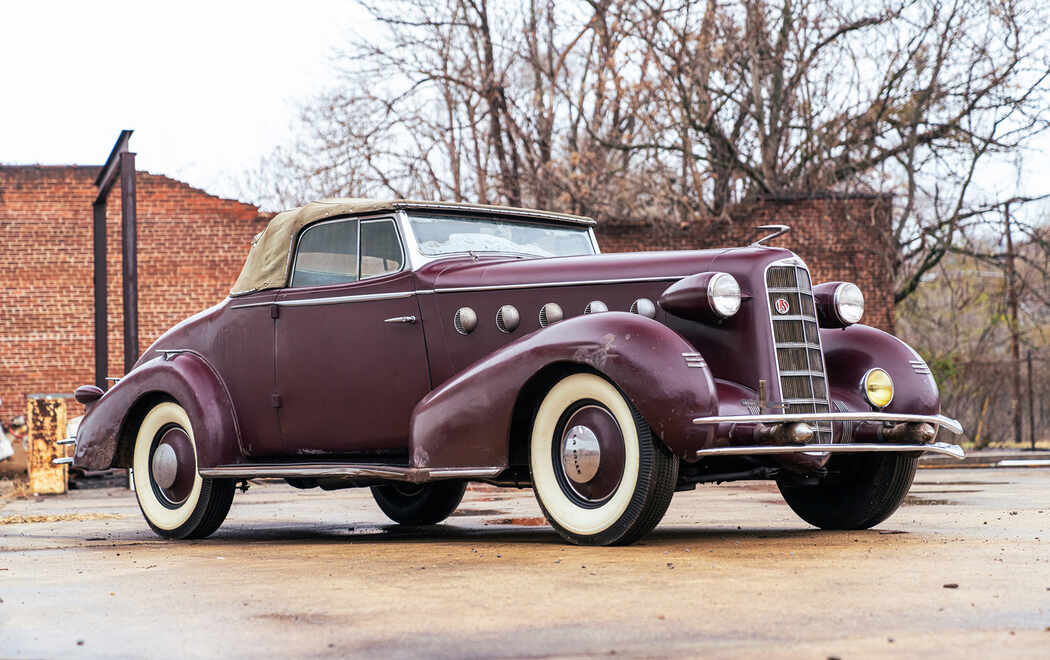
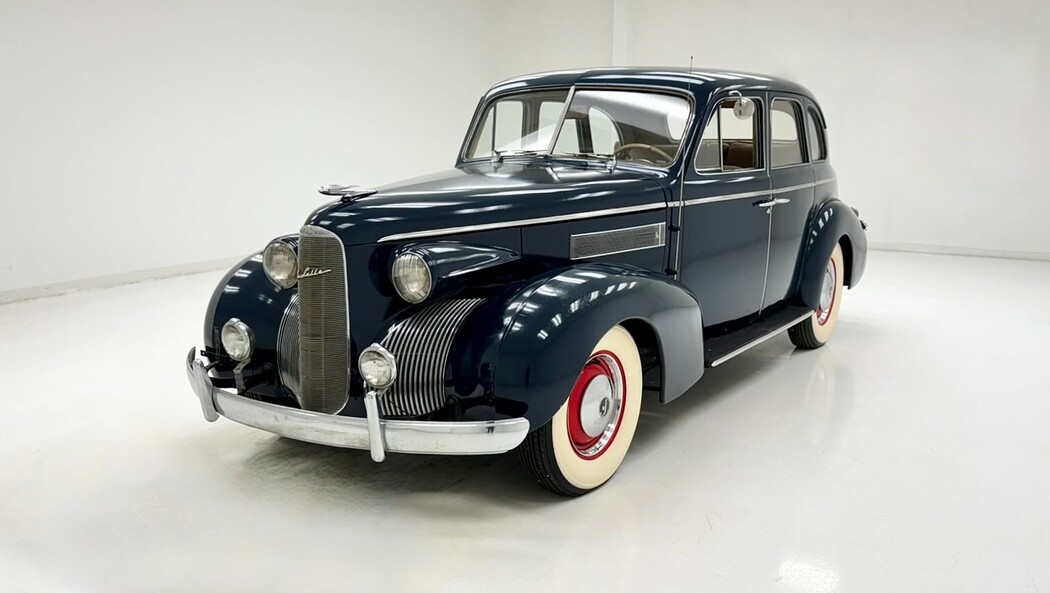
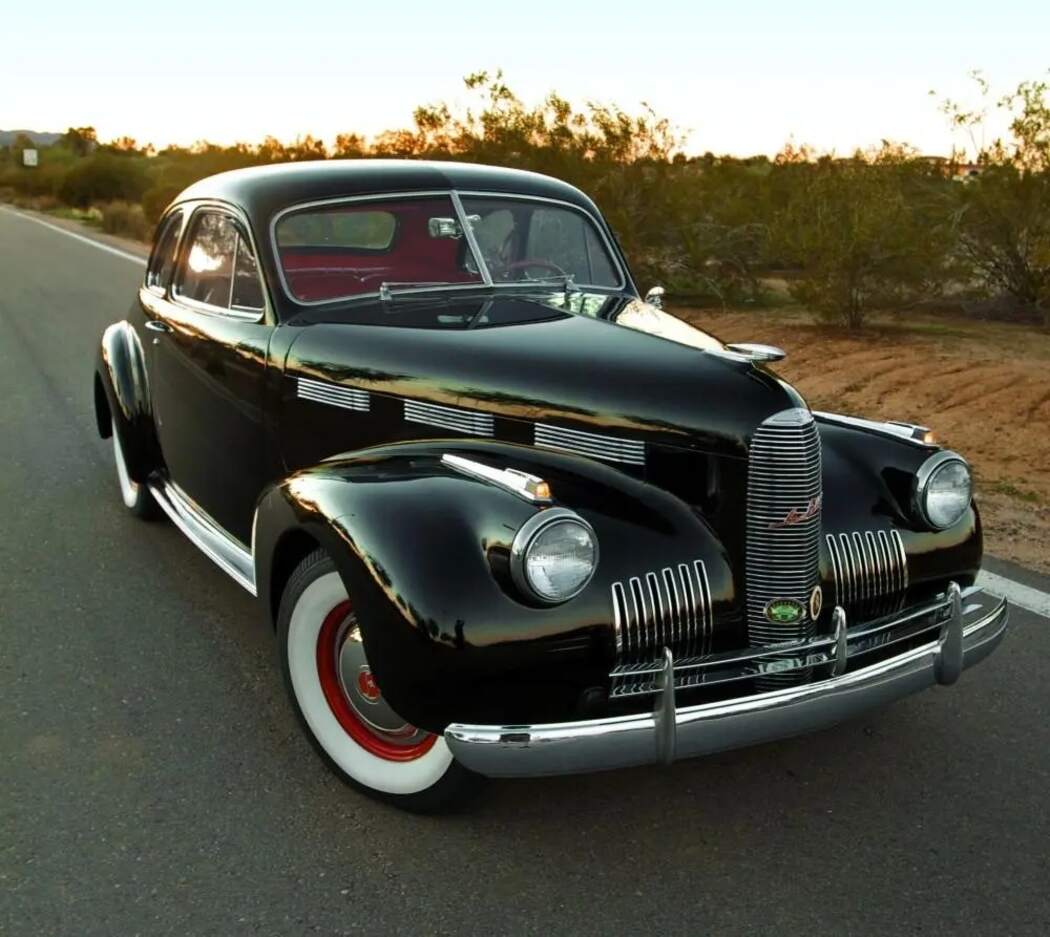
Image: La Salle
LaSalle wasn’t just a sub-brand—it was Cadillac’s daring little brother, born to inject youth, flair, and affordability into the luxury market. Introduced by General Motors in 1927, LaSalle carried the signature of Harley Earl, whose sleek, Art Deco lines would go on to shape the entire look of American cars for decades.
Placed between Buick and Cadillac, LaSalle delivered premium styling and Cadillac-grade performance without the Cadillac price tag. With smooth V8 engines and sharp, trend-setting designs, LaSalle quickly became the choice for buyers who wanted elegance with just a hint of rebellion.
But as Cadillac adjusted its pricing and absorbed LaSalle’s best features, the gap between the two brands began to blur. GM saw no reason to continue overlapping, and by 1940, LaSalle was quietly retired.
Still, LaSalle left its mark. It pushed boundaries, proved that luxury could be affordable, and helped lay the foundation for modern Cadillac design. A short chapter, but an unforgettable one in GM’s history.
Highlights:
- Founded: 1927
- Popular Model: LaSalle 303 Phaeton, LaSalle Series 340
- Defunct: 1940
- Why It Failed: Brand Overlap with Cadillac; GM Strategic Shift; Loss of Clear Market Identity
21. Tucker (1944-1949)
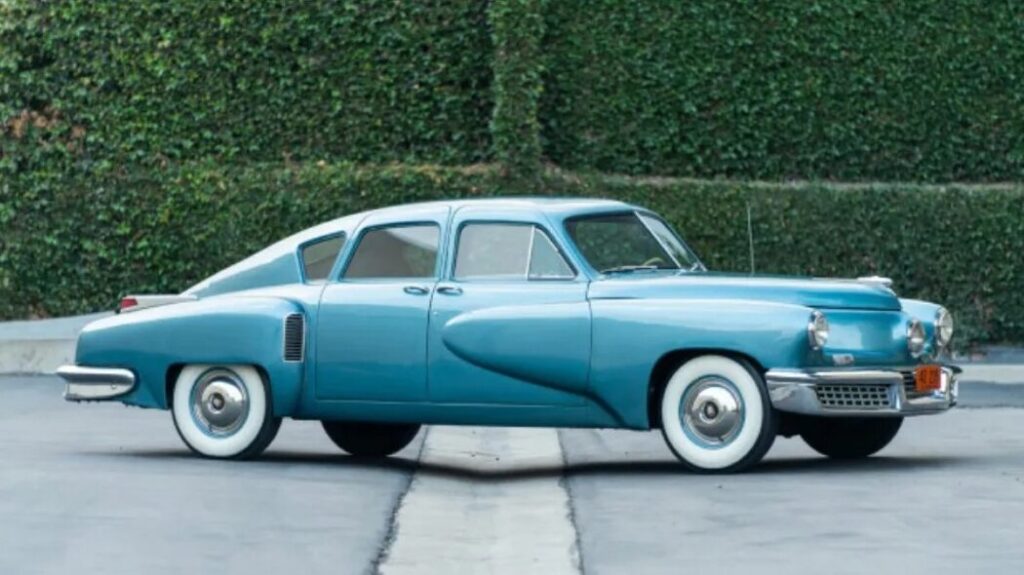

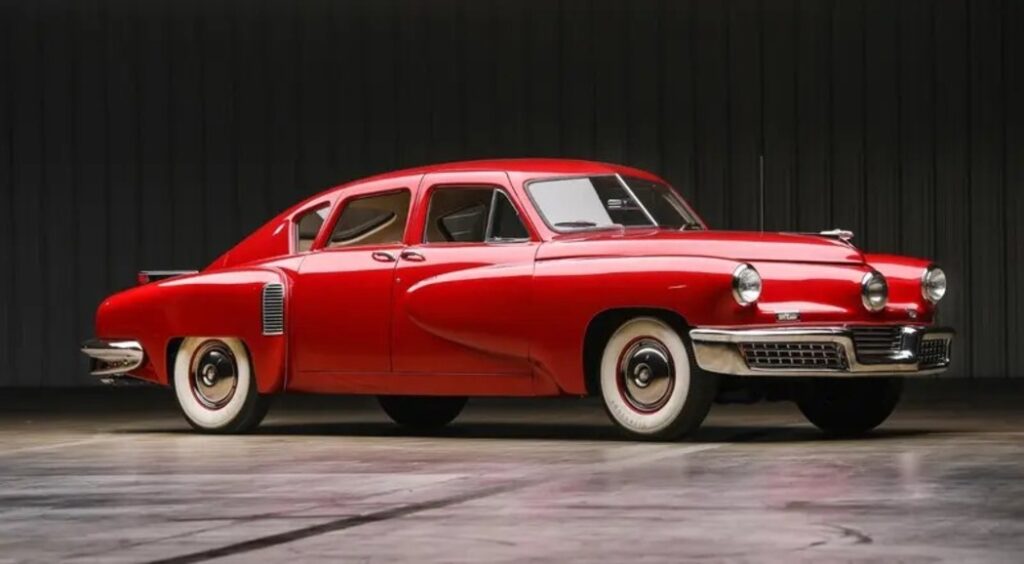
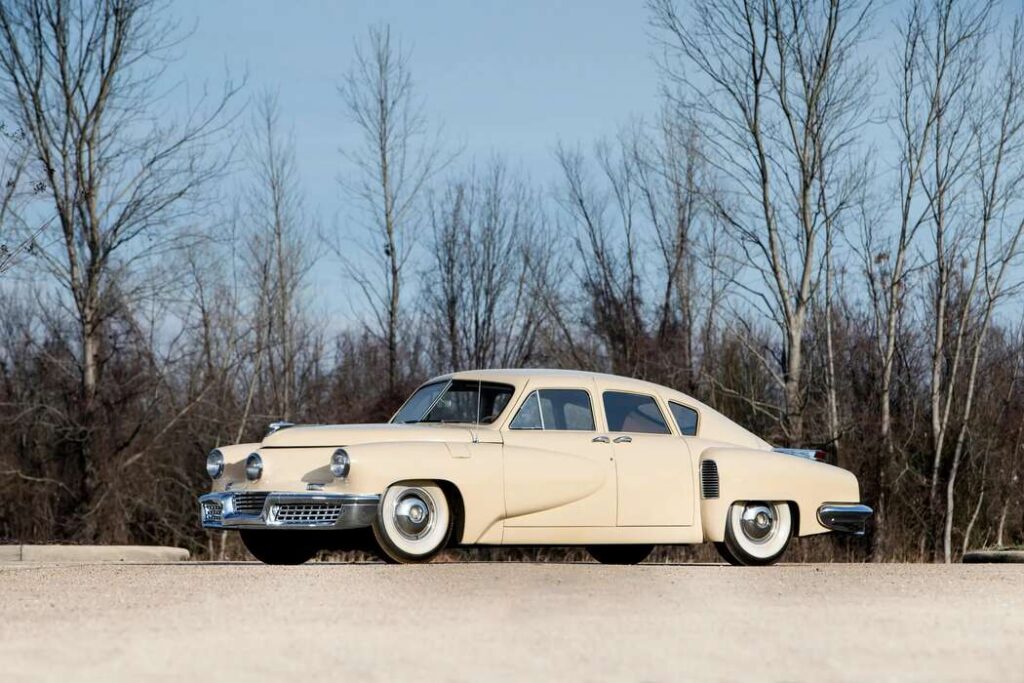

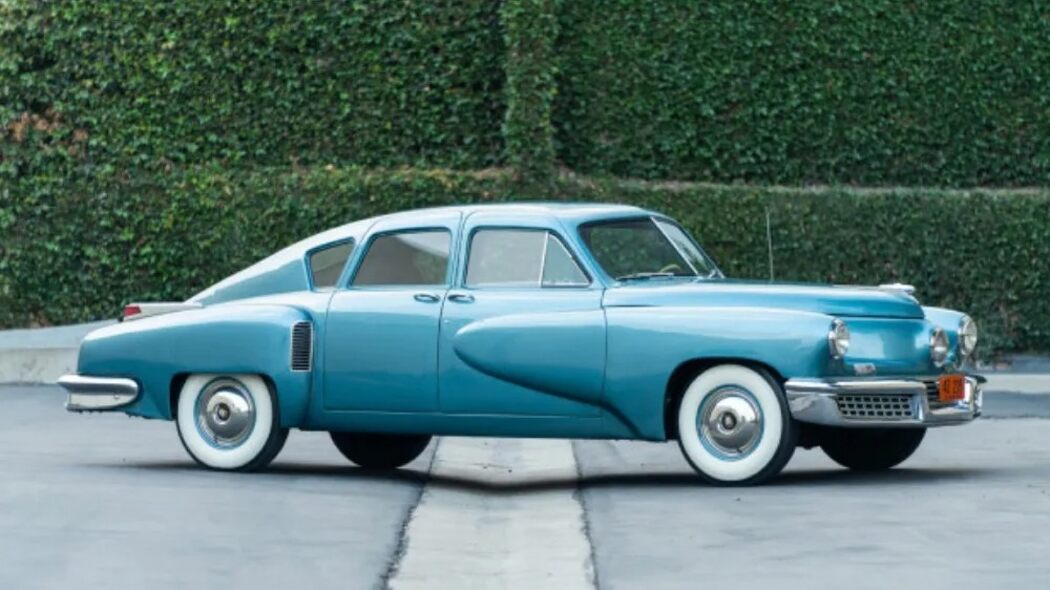
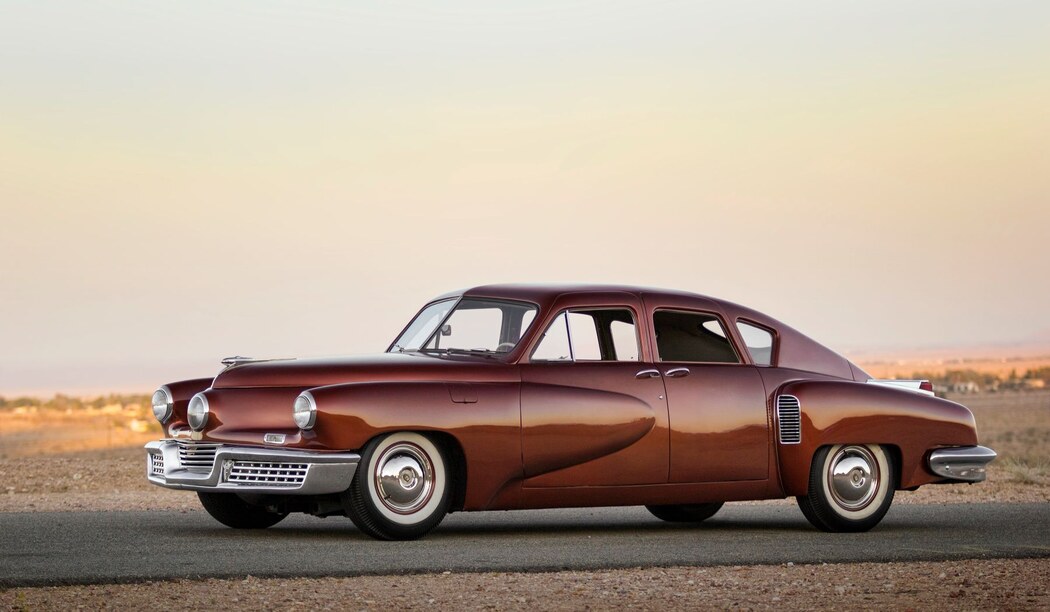
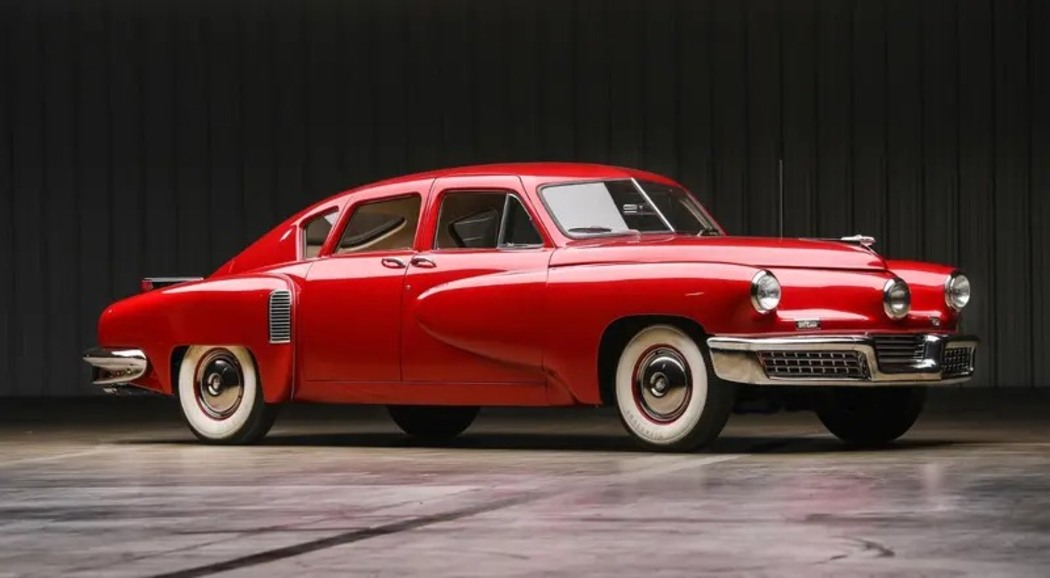
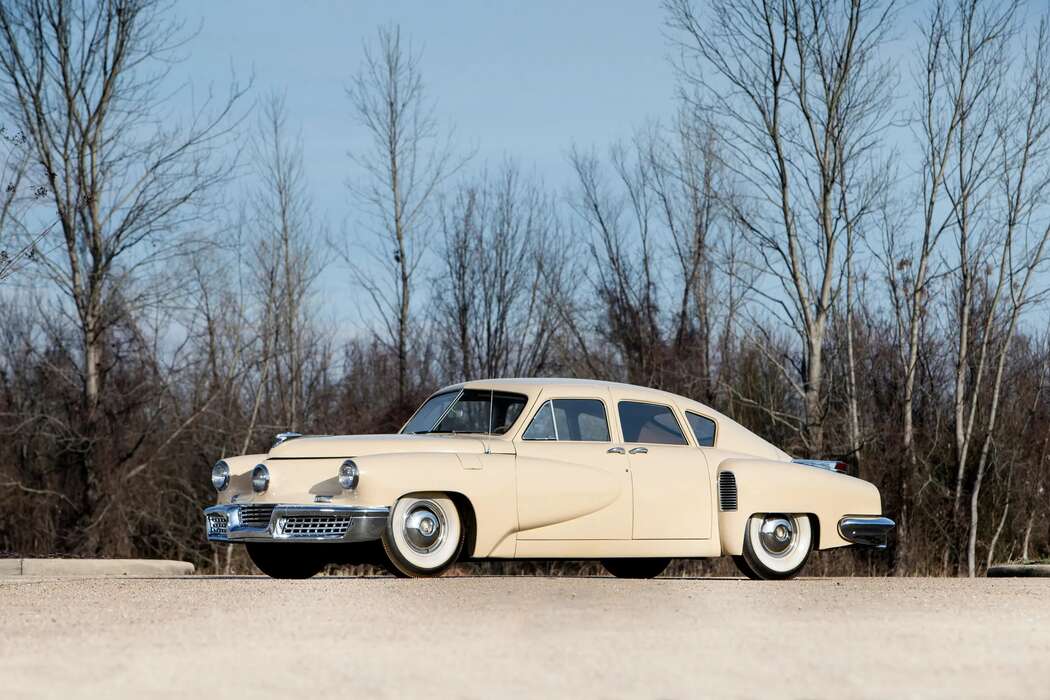
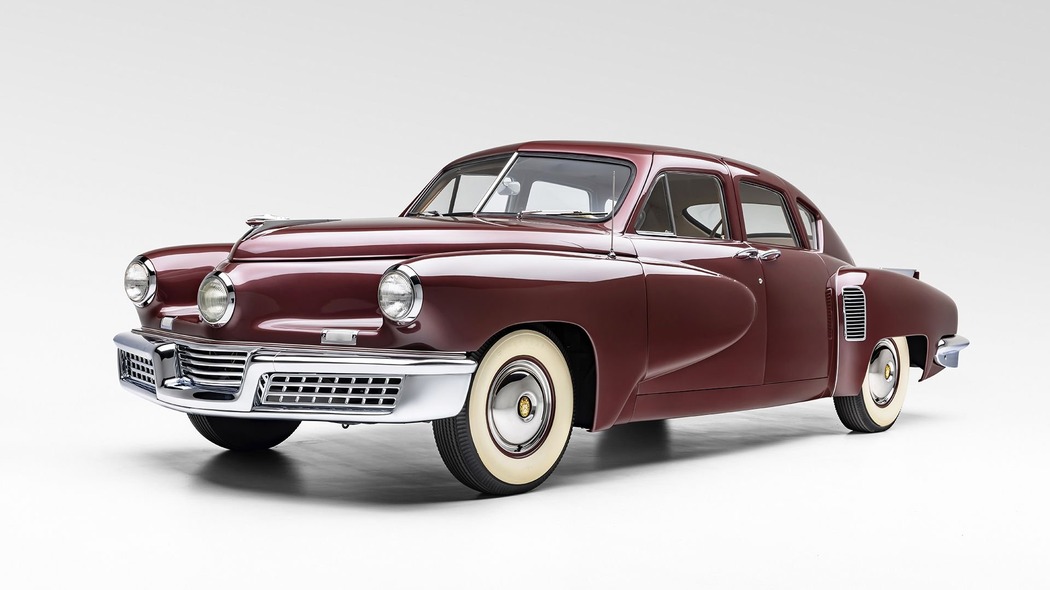
Image: Tucker
Tucker was a revolution in the car making. Founded in 1944 by Preston Tucker, this brand dared to reimagine what a car could be. And in 1948, it unveiled the Tucker 48, a vehicle so ahead of its time, it felt like it had rolled in from the future.
Rear-engine layout. A safety-focused frame with a roll cage. Pop-out windshields. A padded dashboard. And let’s not forget the wild “Cyclops Eye” third headlight that turned with the steering. These weren’t concepts—they were real features, in 1948. While the Big Three stuck to tradition, Tucker was chasing innovation like no one else.
But ambition doesn’t always survive the business world. Industry pressure, SEC investigations, and financial instability combined to shut Tucker down after just 51 cars were built. Many believe it was sabotage—a coordinated effort to crush a threat before it took hold.
Today, those 51 cars are holy grails for collectors. And Preston Tucker? He’s remembered not as a failure, but as a visionary who challenged a giant and nearly changed the game.
Highlights:
- Founded: 1944
- Popular Model: Tucker 48
- Defunct: 1949
- Why It Failed: Legal Pressure, Financial Collapse, Alleged Industry Sabotage
20. Nash Motors (1916-1954)
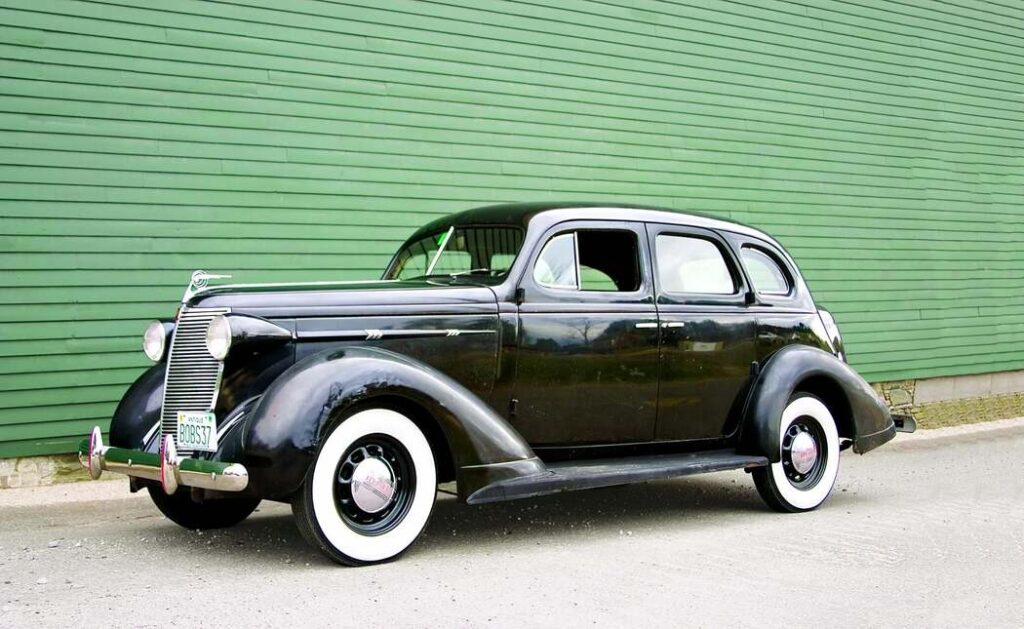
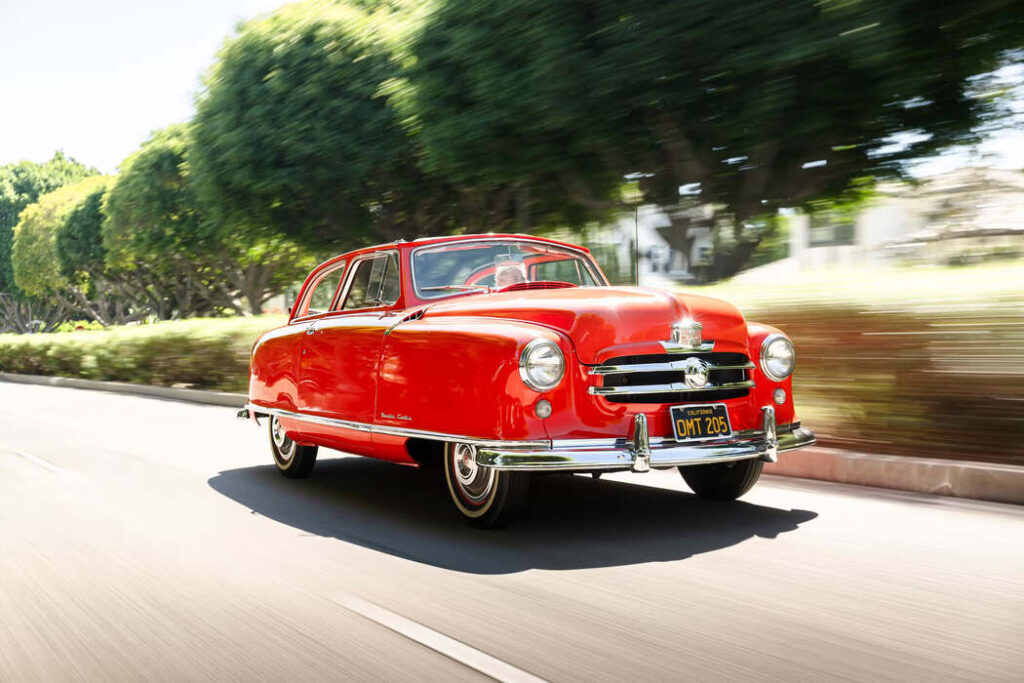

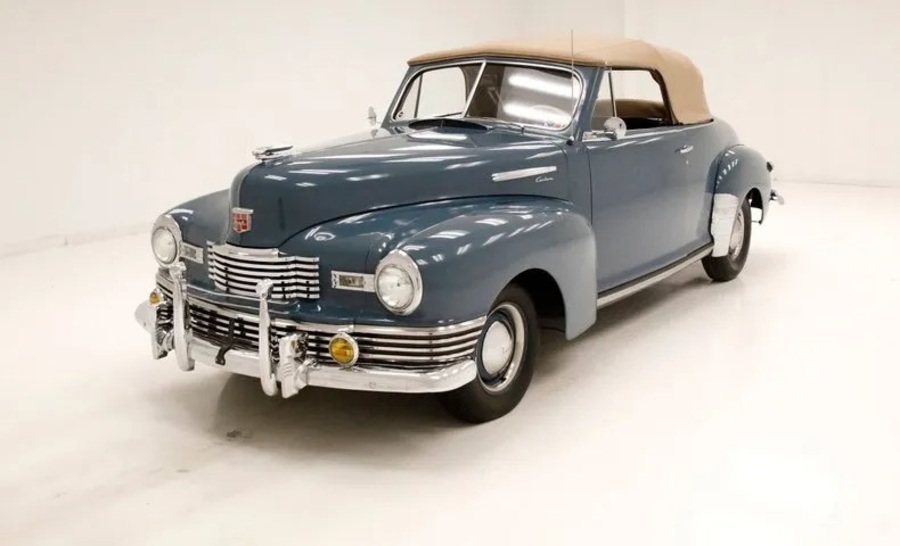
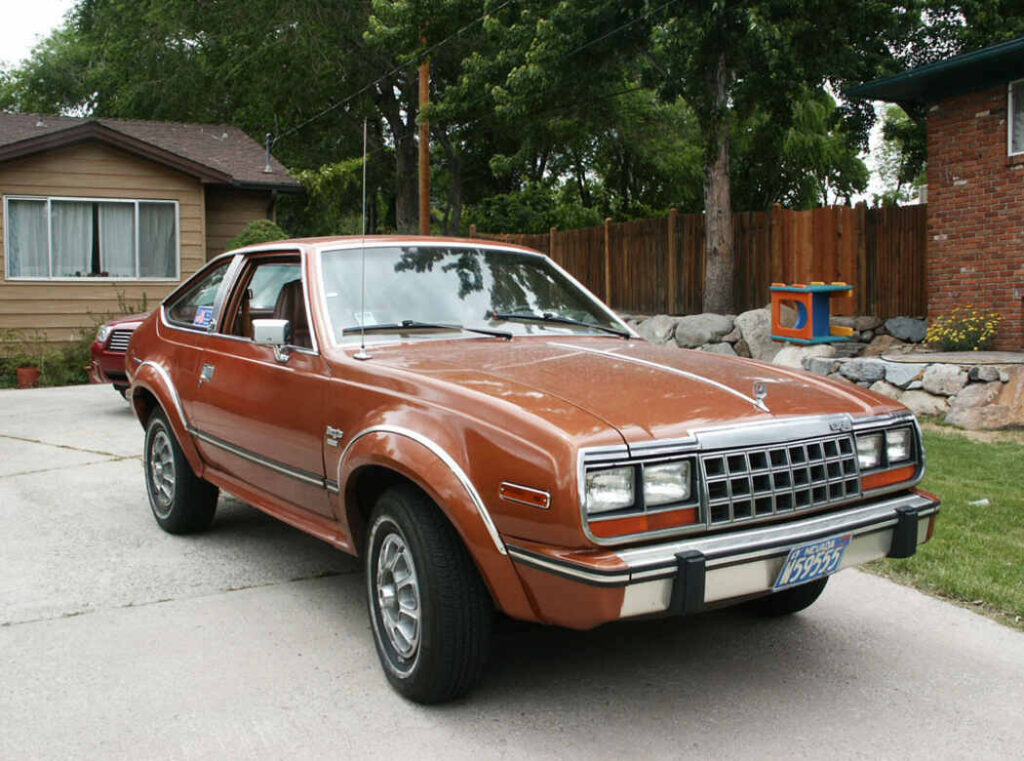

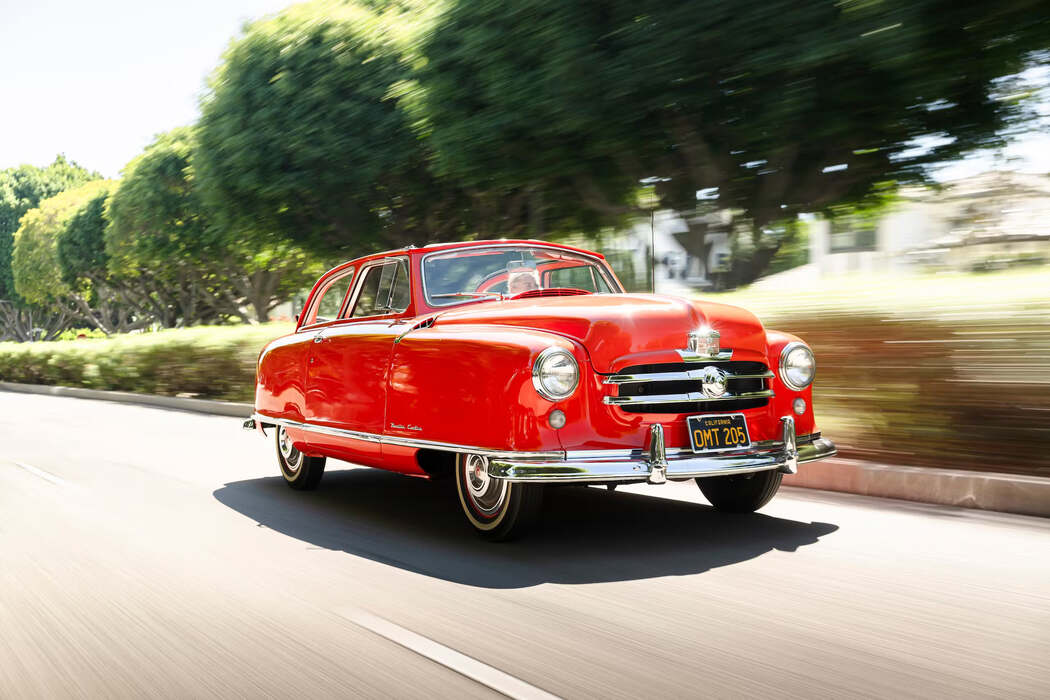

Image: Nash Motors
Nash Motors was the quiet revolutionary—the brand that didn’t shout but still changed the game. Founded in 1916 by former GM president Charles W. Nash, the company was all about smart design, solid engineering, and giving the everyday American something better than expected.
From the start, Nash built a reputation for dependability. But it was their innovations that really turned heads: unibody construction (decades before it was standard), reclining seats (turning cars into makeshift beds), and fresh-air ventilation systems that felt like science fiction at the time. Nash even championed compact cars before they were cool, proving that smaller could still mean smarter.
But brilliance doesn’t always beat scale. As the Big Three expanded, Nash felt the pressure. In 1954, the company merged with Hudson to form American Motors Corporation (AMC). While the Nash name disappeared, its spirit lived on—in AMC’s Rambler line, in early Jeeps, and eventually even in Chrysler DNA.
Today, Nash is remembered as the innovator that never played by the rules and left behind a legacy that still ripples through automotive history.
Highlights:
- Founded: 1916
- Popular Model: Nash Lafayette, Nash Ambassador
- Defunct: 1954 (Merged with Hudson to form AMC)
- Why It Disappeared: Swallowed by competition; merged to survive
19. Auburn (1900-1937)


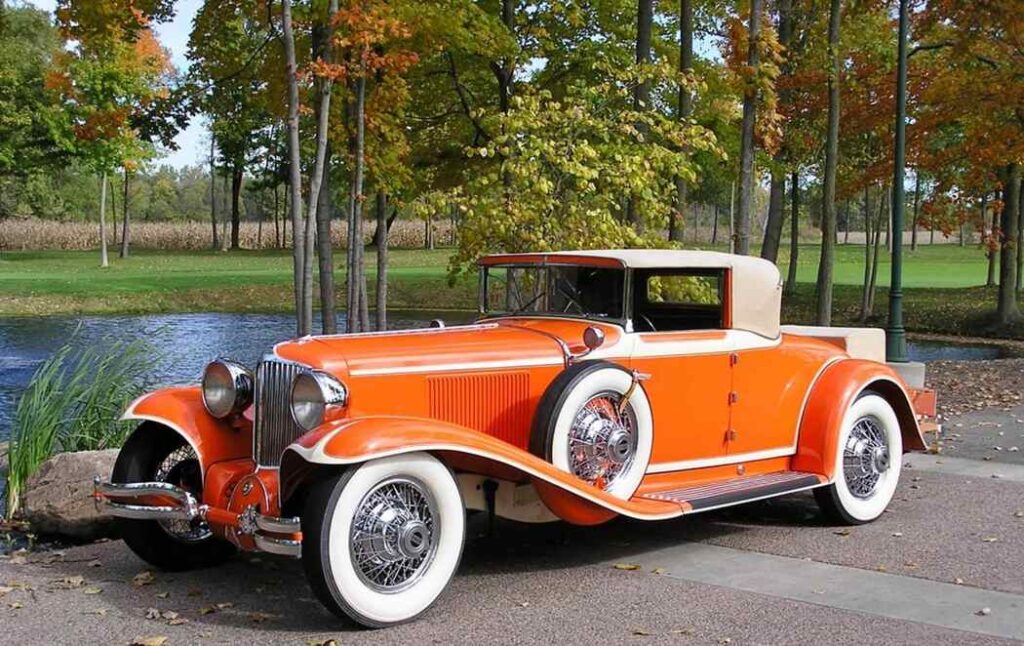
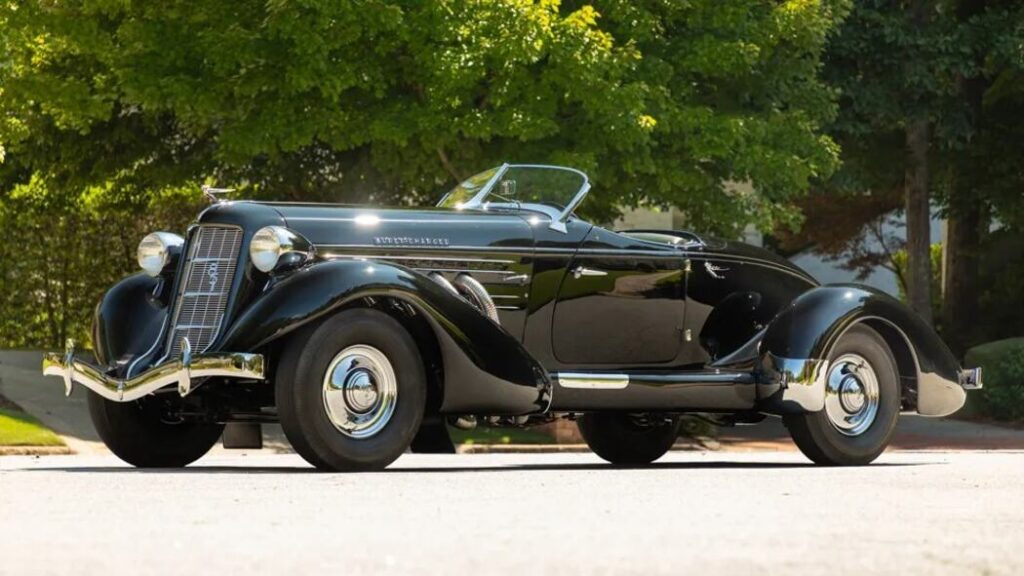

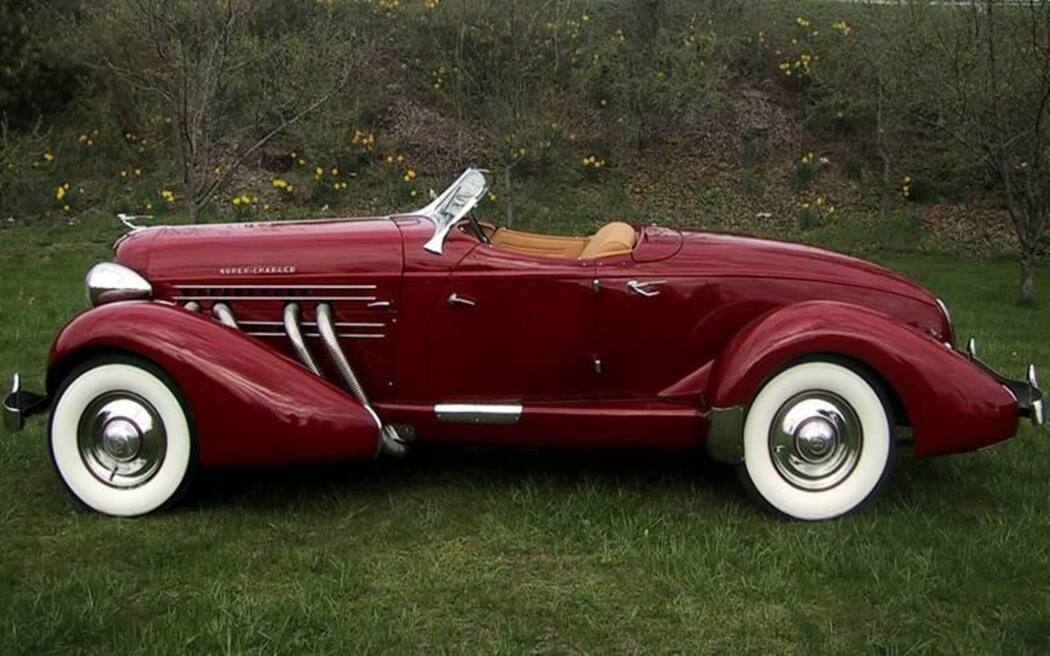
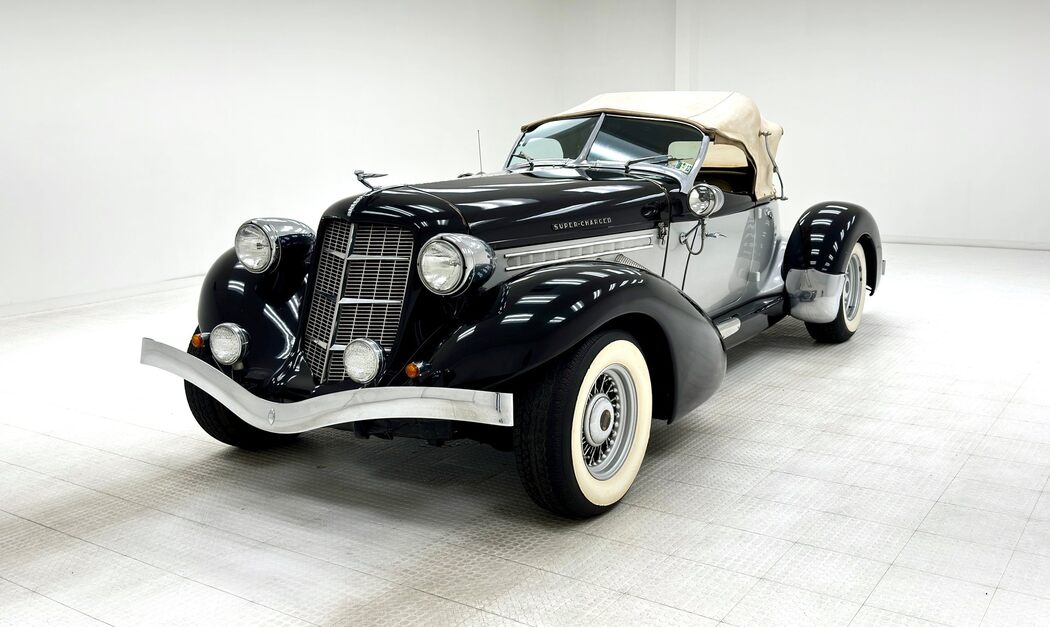

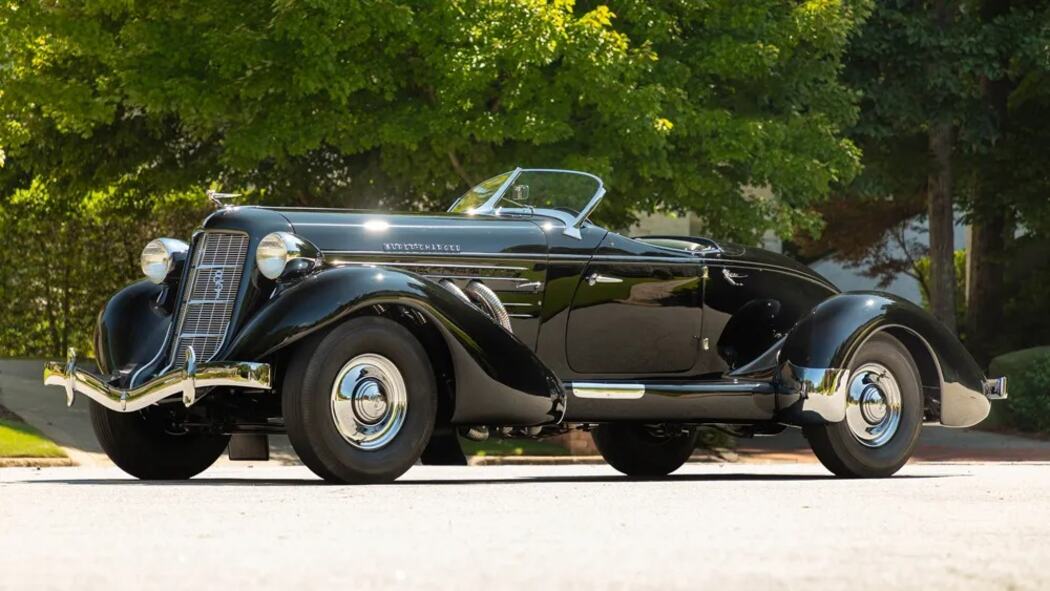
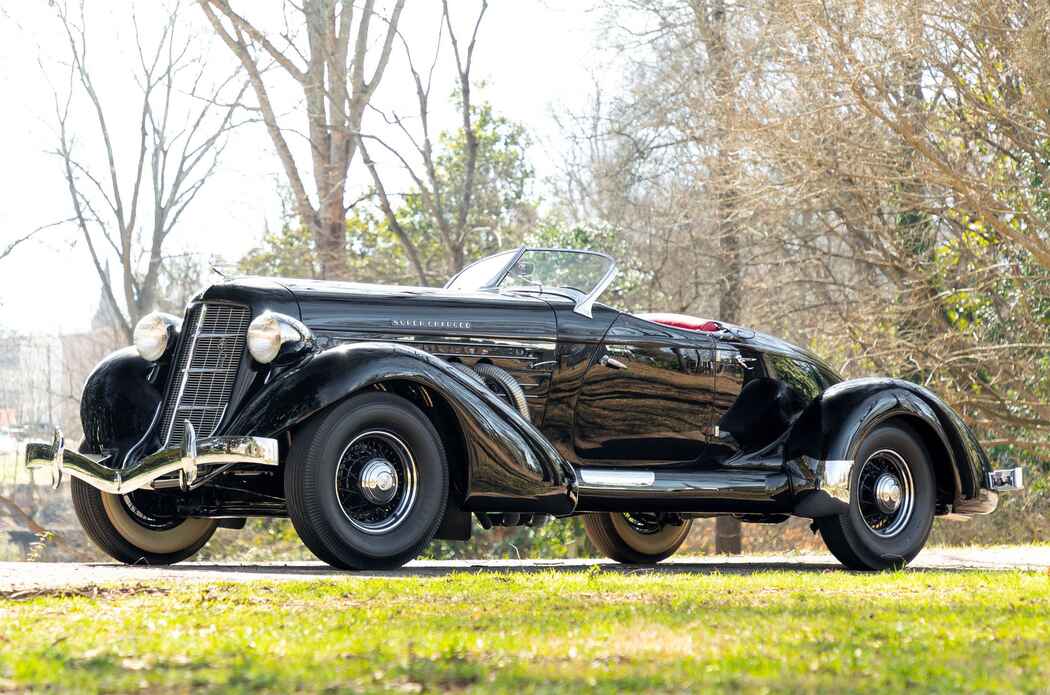
Image: Auburn
Auburn wasn’t just a car brand—it was a rolling expression of American elegance, performance, and daring design. Born in 1900 in Auburn, Indiana, the company found its stride when visionary businessman E.L. Cord took the wheel in the late 1920s. Under his leadership, Auburn transformed from a small-town manufacturer into a luxury powerhouse that produced some of the most striking vehicles of the pre-war era.
Their crown jewel? The Auburn Speedster—a boat-tail beauty with supercharged muscle that could top 100 mph. It wasn’t just fast; it looked fast standing still. With sweeping fenders, gleaming chrome, and a price that undercut many rivals, Auburn gave buyers a taste of the high life without the wallet shock.
But even style and speed couldn’t outrun the Great Depression. As the economy crumbled, so did demand for luxury performance. Auburn, along with its sister brands Cord and Duesenberg, couldn’t sustain operations and shut down in 1937.
Today, Auburn lives on as a symbol of America’s golden age of design. Restored Speedsters fetch fortunes at auction, and their legacy is honored in museums and concours events around the world.
Highlights:
- Founded: 1900
- Popular Model: Auburn 12-160 Speedster, Auburn E.L. Cord
- Defunct: 1937
- Why It Disappeared: Economic collapse during the Great Depression
18. Imperial (1926-1975)
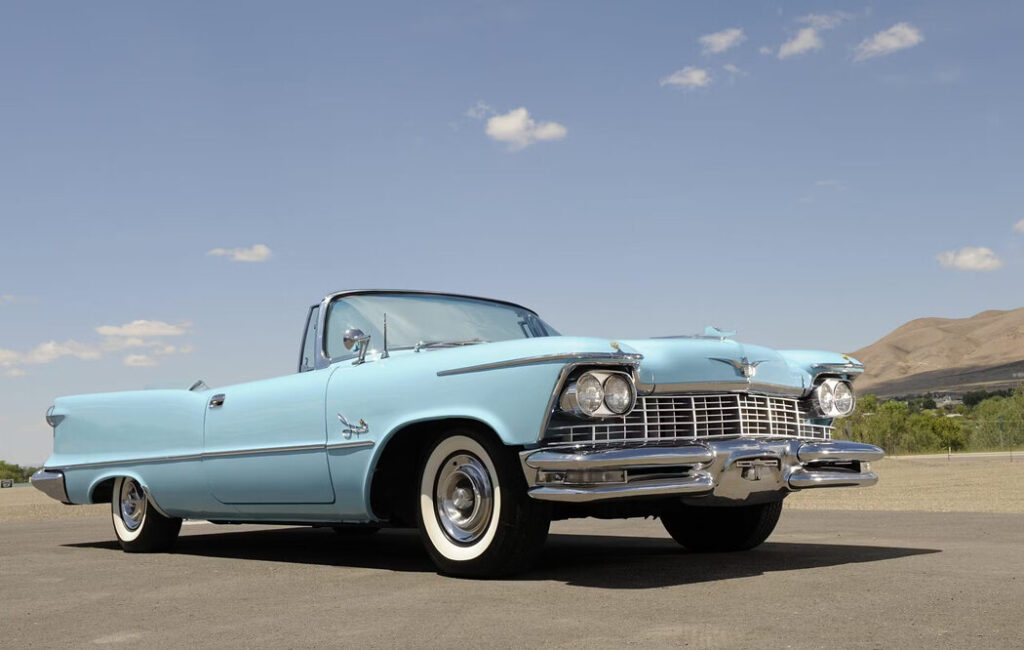
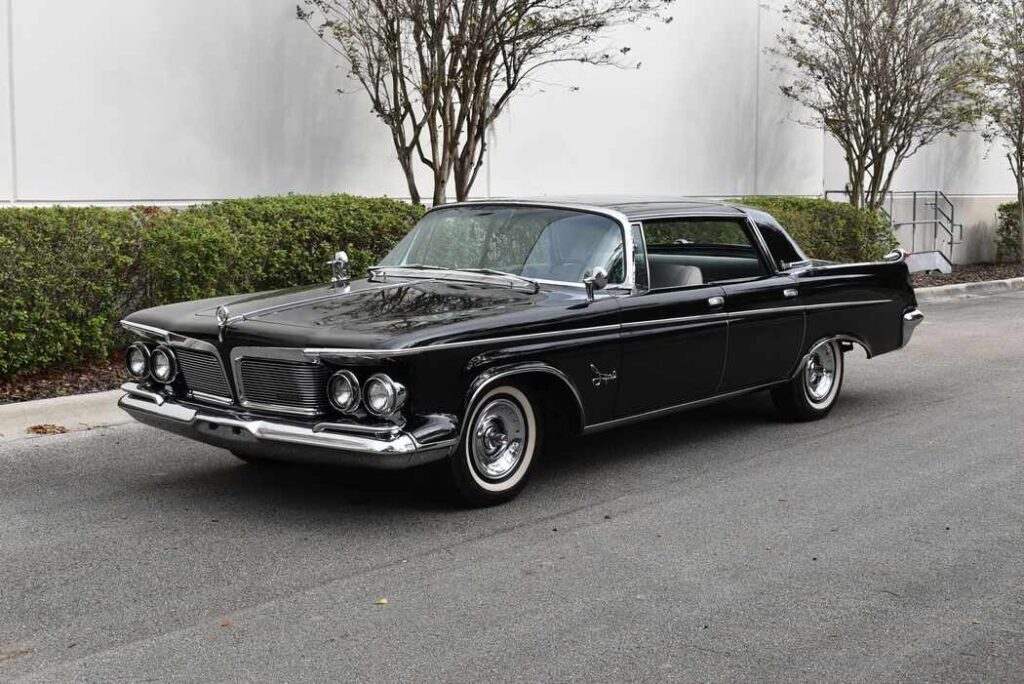
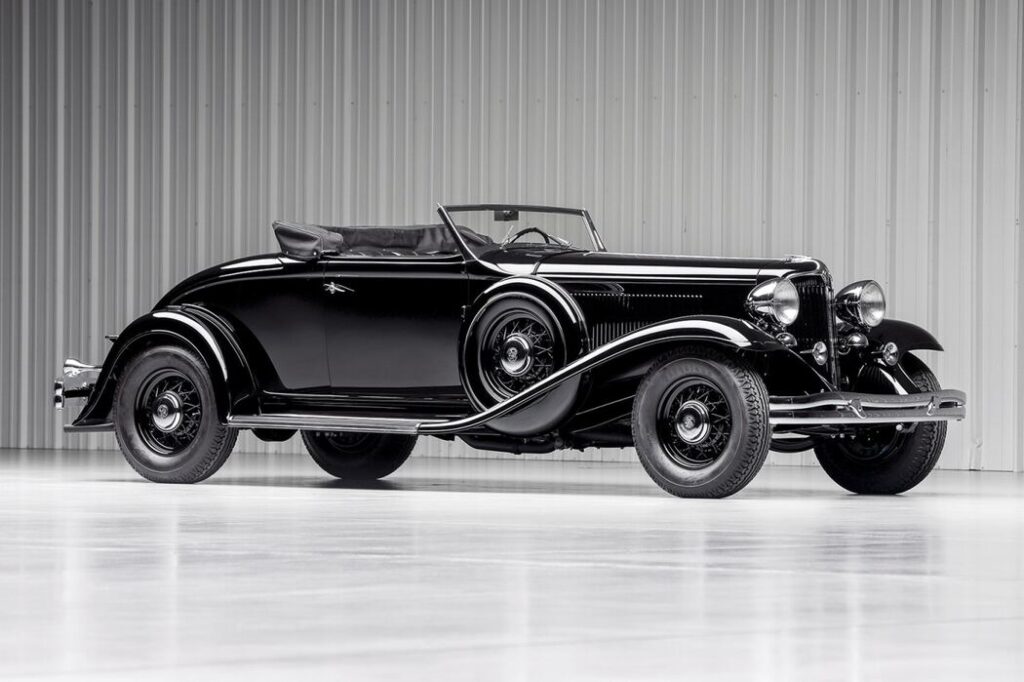
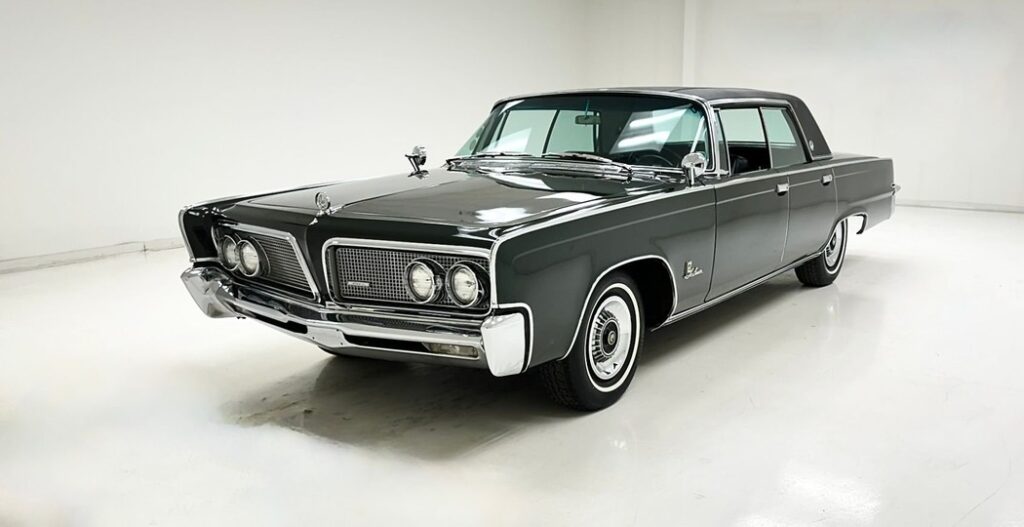

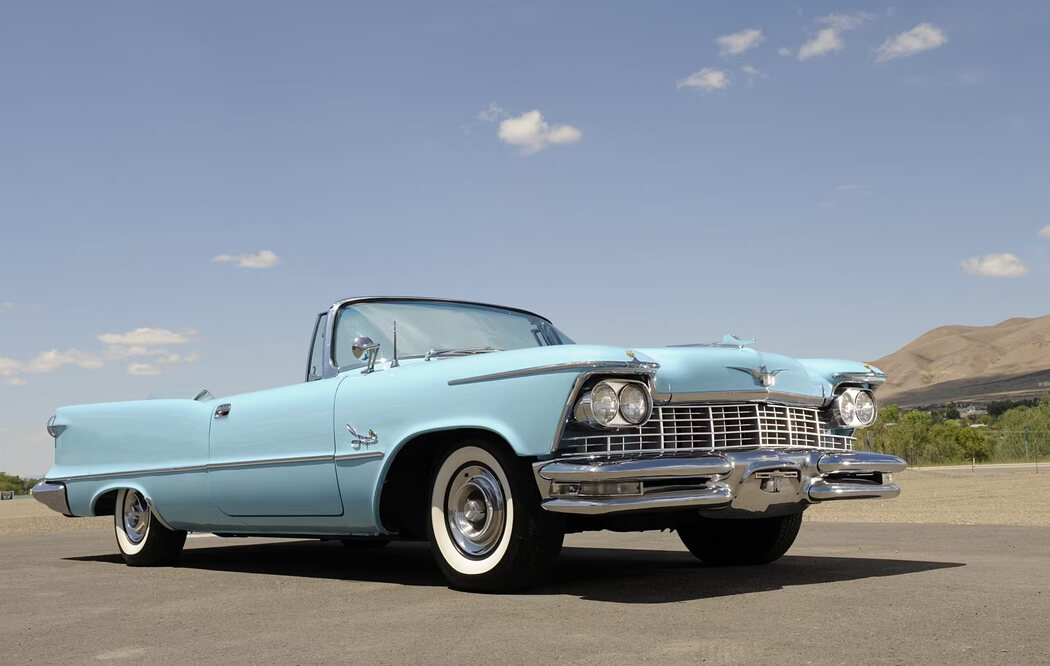
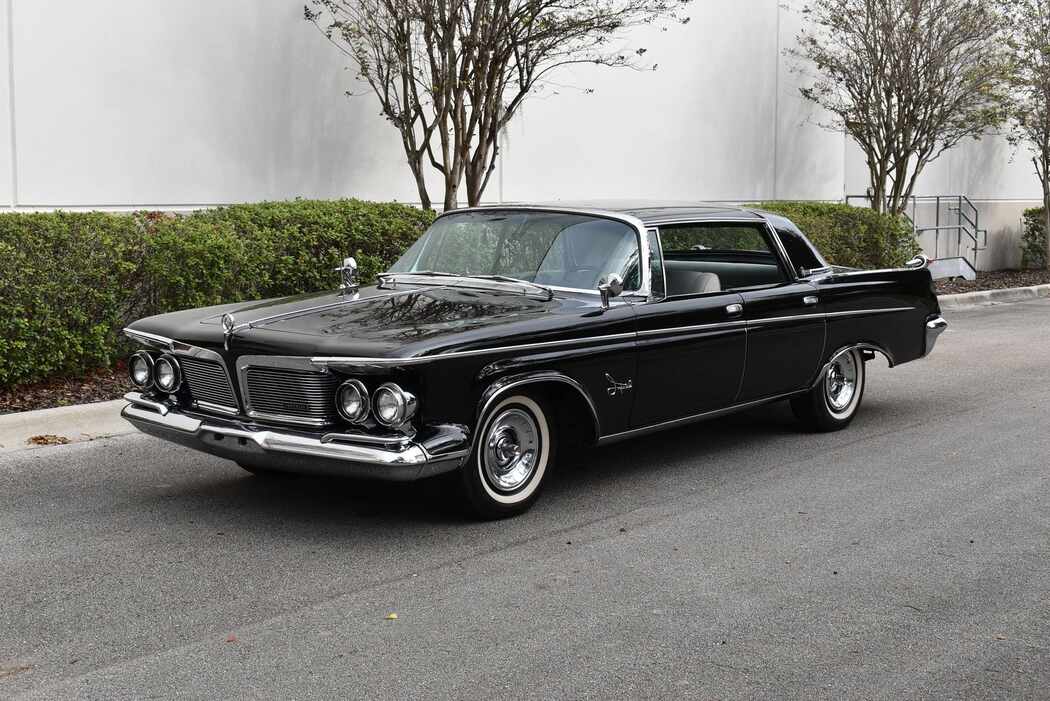
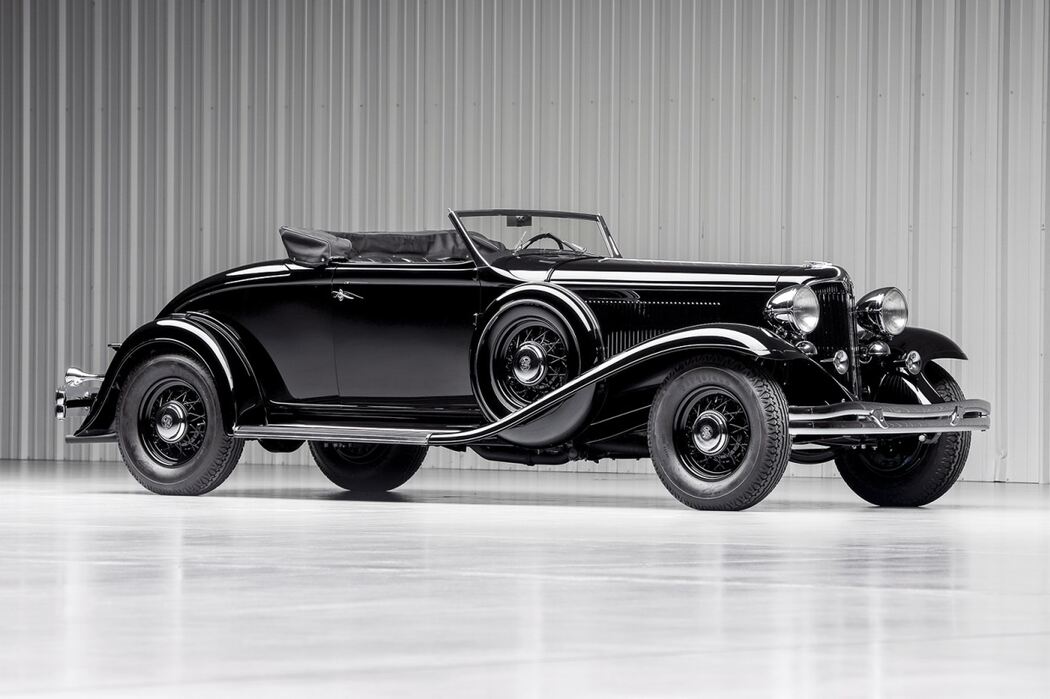
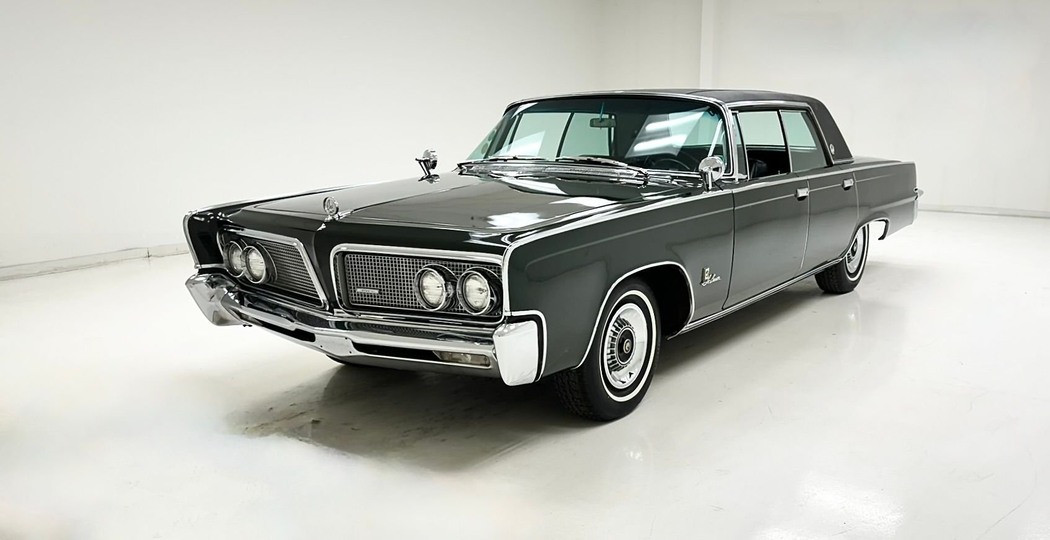
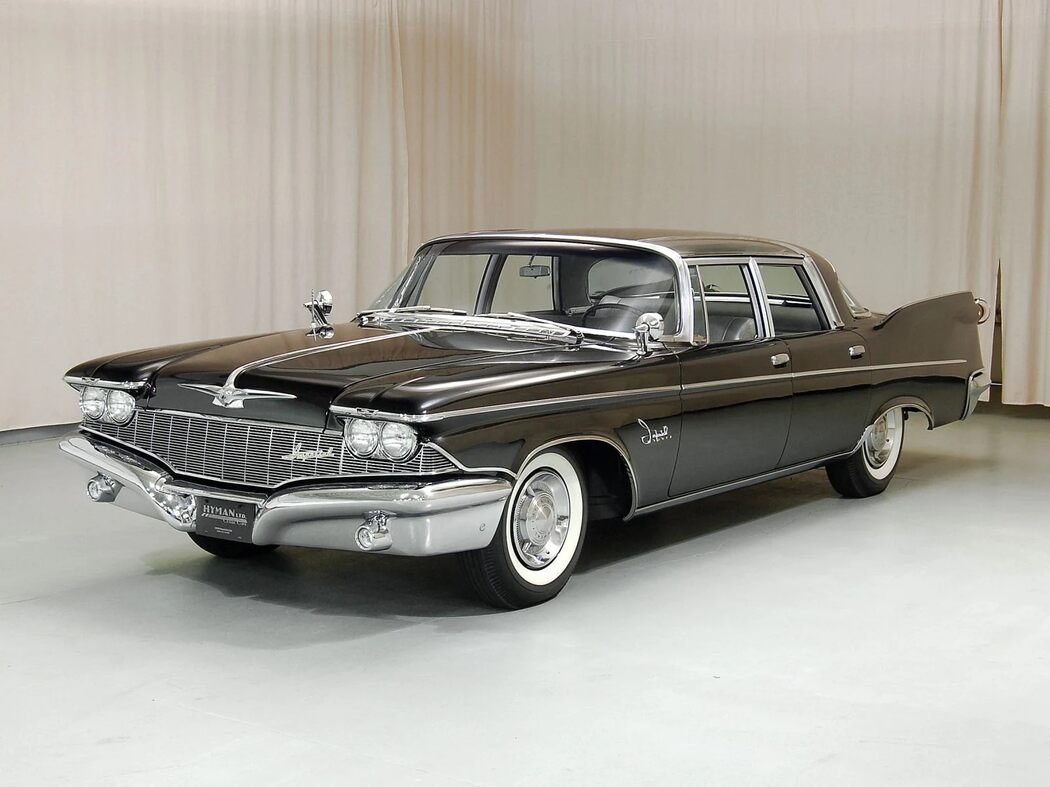
Image: Imperial
Imperial wasn’t just Chrysler’s luxury division—it was Chrysler’s answer to Cadillac and Lincoln, and for a while, it gave them a serious run for their money. Launched in 1926 as a standalone brand, Imperial was all about prestige—built to impress with bold styling, powerful V8s, and cutting-edge tech that screamed sophistication.
During the 1950s and ’60s, Imperial hit its stride. The 1957 Imperial Crown was a rolling sculpture with dramatic tailfins, wide grilles, and interiors that looked like first-class lounges. These weren’t just cars—they were status symbols, the kind driven by celebrities, diplomats, and anyone who wanted to arrive in style.
But times changed. By the 1970s, gas prices soared, tastes shifted, and Chrysler’s financial troubles deepened. Luxury car buyers began gravitating toward smaller, more efficient imports. Imperial—with its big body, big engine, and big personality—felt out of place in the new era. In 1975, Chrysler quietly ended the Imperial nameplate.
Still, the legacy lives on. Today, surviving Imperials are collector gold, reminders of a time when American luxury meant size, presence, and unmistakable road dominance.
Highlights:
- Founded: 1926
- Popular Model: 1957 Imperial Crown, 1927 Imperial Series E-80 Roadster
- Defunct: 1975.
- Why It Disappeared: High production costs, changing consumer tastes, and Chrysler’s financial struggles
17. Rover (1904-2005)
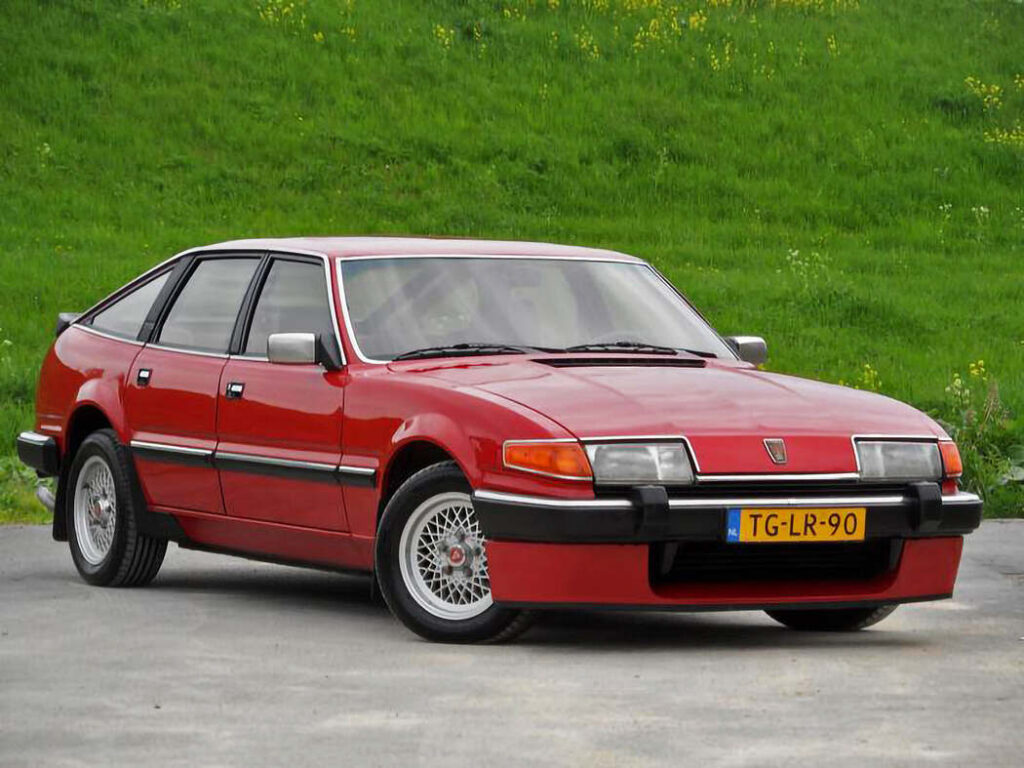
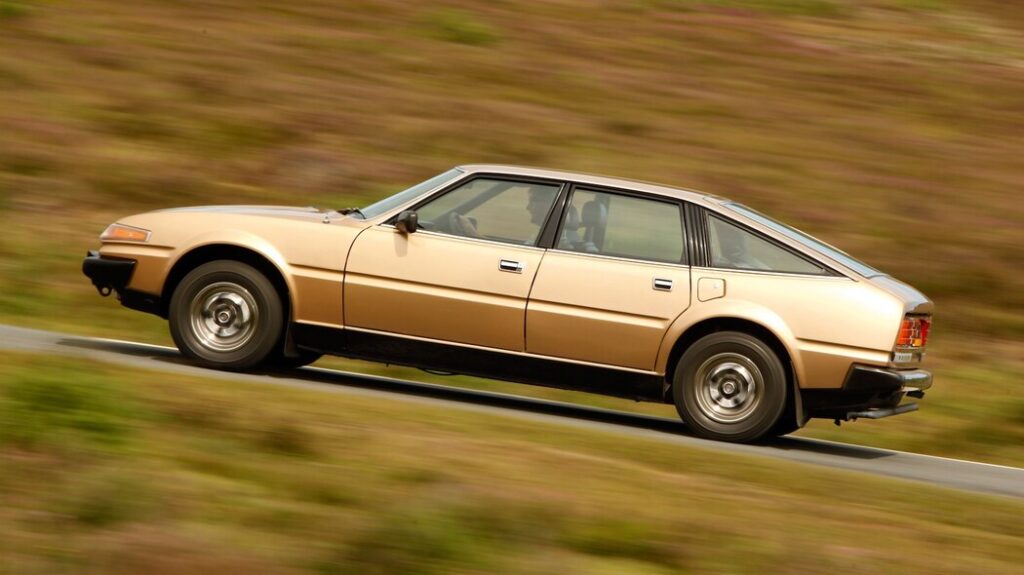
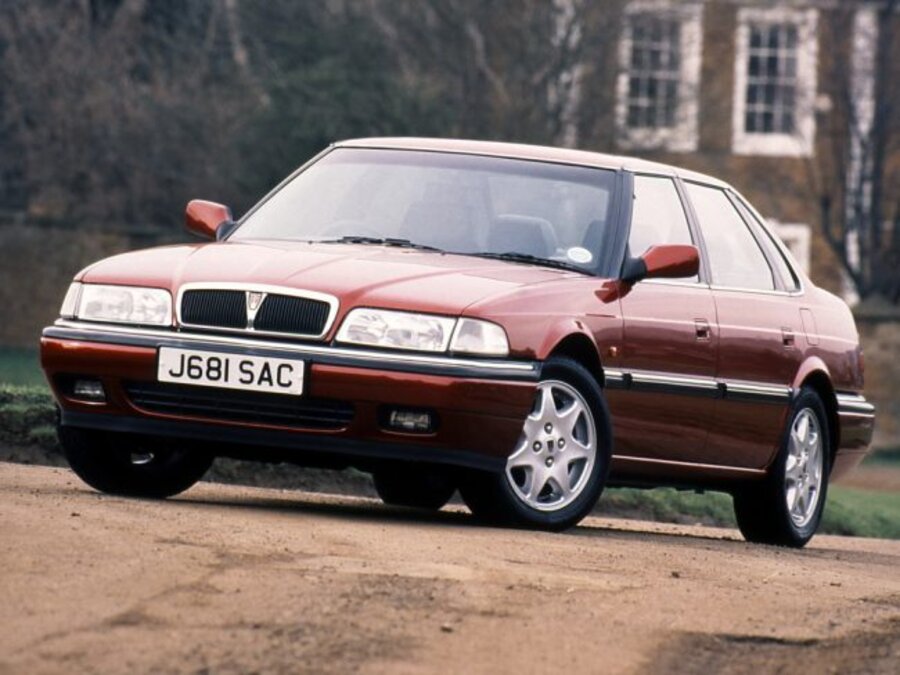
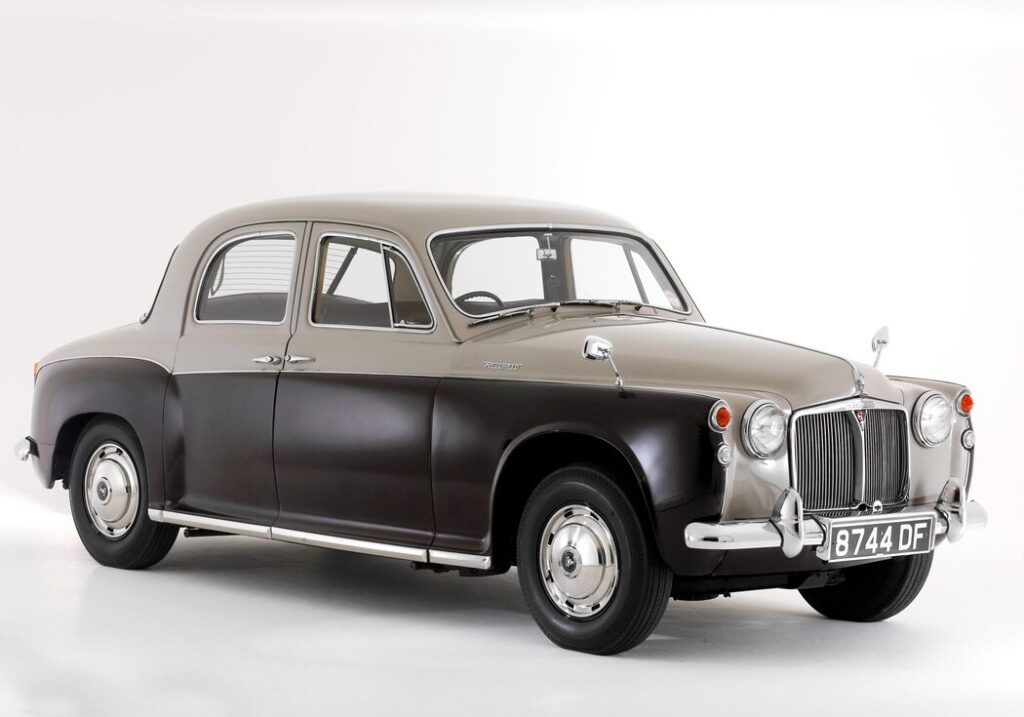
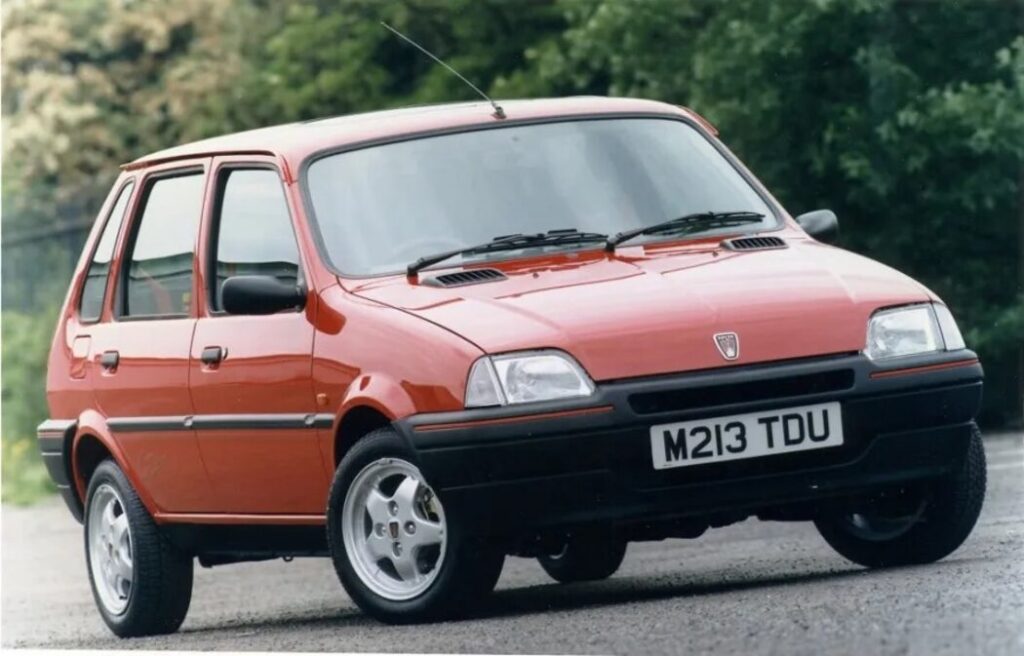
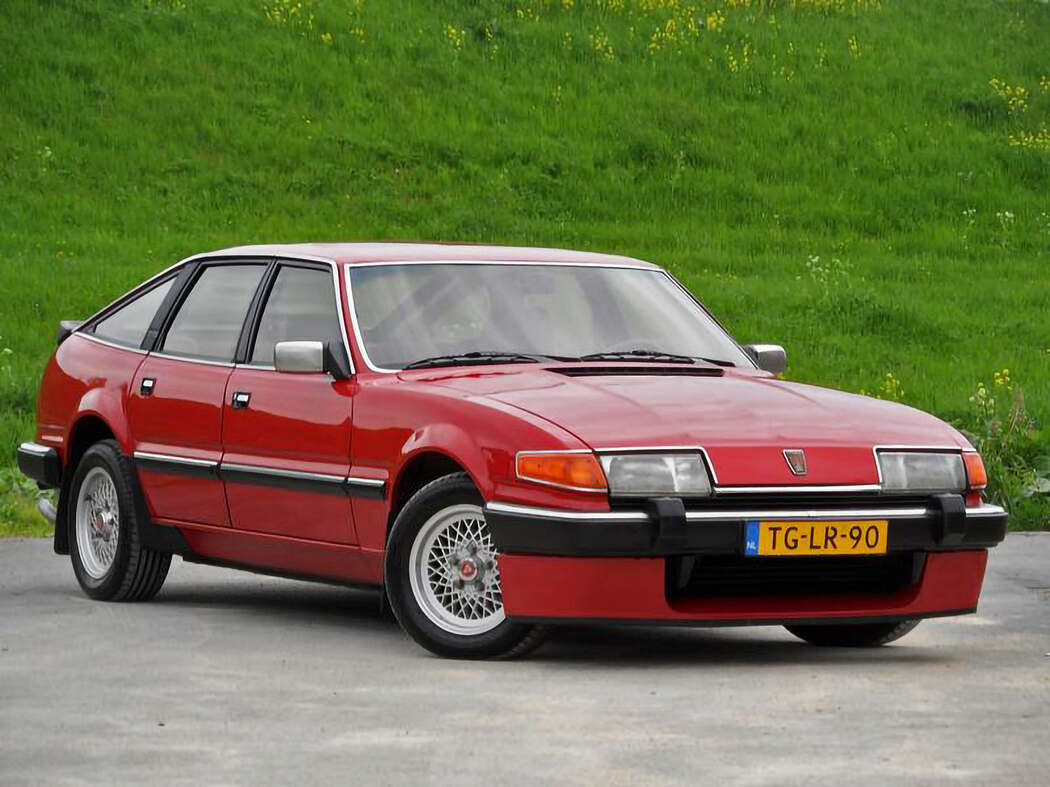
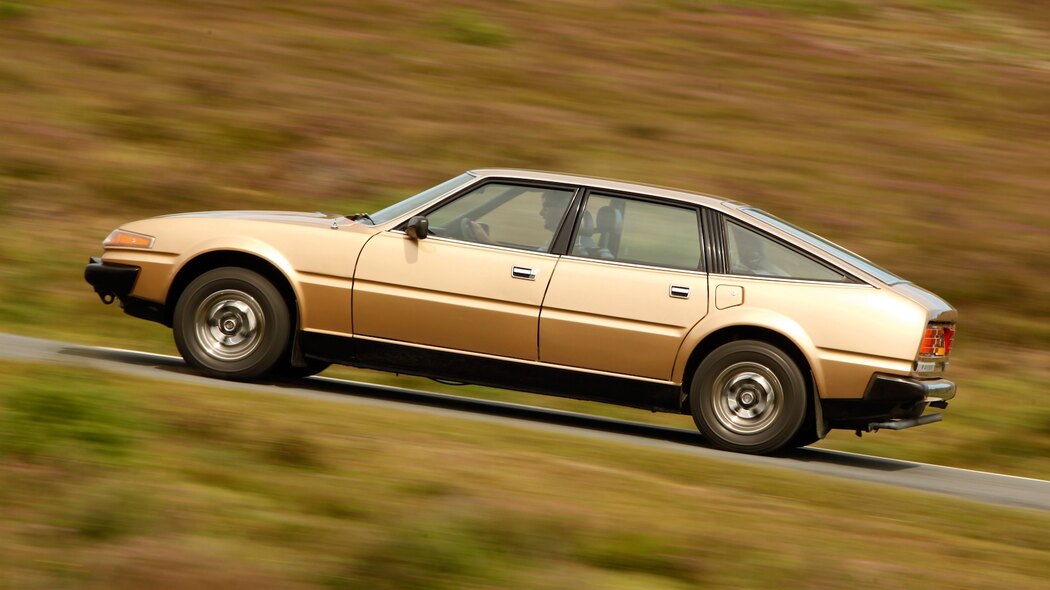

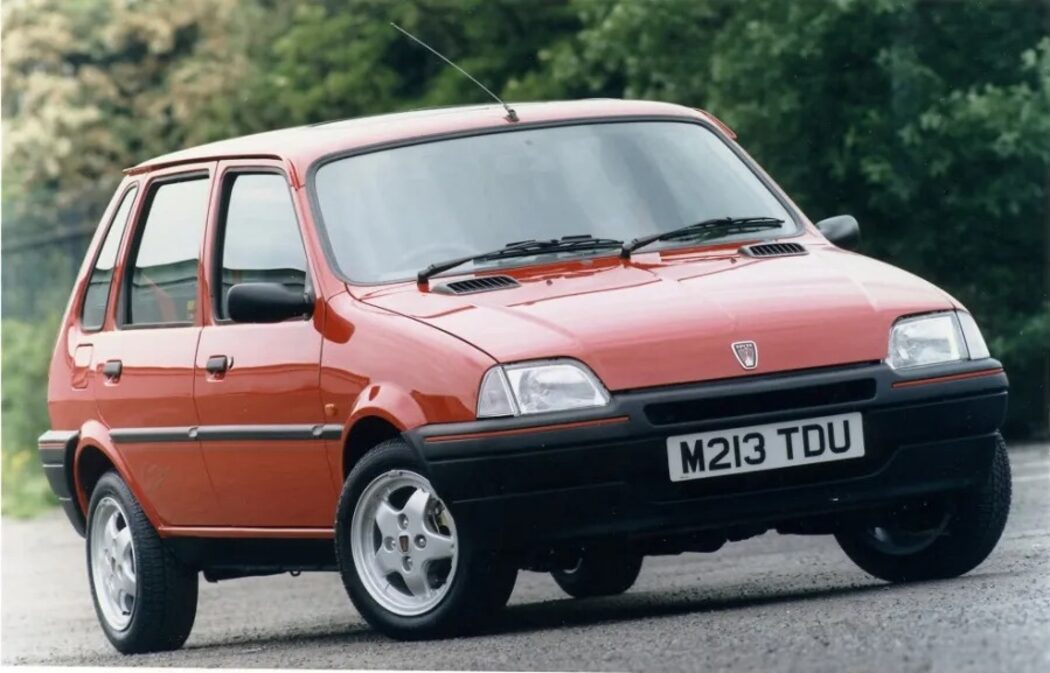
Image: Rover
Rover wasn’t just a car brand—it was a British institution, one of those names that meant something more than just metal on wheels. Founded in 1904, Rover started humble, building bicycles and motorcycles before stepping into the world of cars. But once it got going, it carved out a space of its own.
You probably think of Land Rover when you hear the name—and for good reason. The original Land Rover, launched under Rover’s badge in 1948, didn’t just change off-roading—it defined it. These weren’t flashy cars; they were built to work, to climb, to conquer. And somehow, they still managed to look cool doing it.
Through the mid-1900s, Rover also built some pretty brilliant sedans—the P6, SD1, 75—cars that felt sophisticated without being snobby. But the trouble started when the brand got tossed around like a hot potato. It went from British Leyland to BMW to MG Rover, and with every shuffle, something got lost—money, trust, momentum. By 2005, after decades of struggle and a final failed attempt to stay alive, Rover was gone.
But here’s the thing—Rover didn’t really vanish. You can still see its DNA in Land Rover, and if you ask around in Britain, especially among older drivers, they’ll tell you Rover was part of their story. It wasn’t perfect, but it had heart.
Highlights:
- Founded: 1904
- Popular Model: Land Rover Series I, Rover P6
- Defunct: 2005
- Why It Failed: Financial problems, too many ownership changes, and a loss of direction over time
16. Hummer (1992-2010)


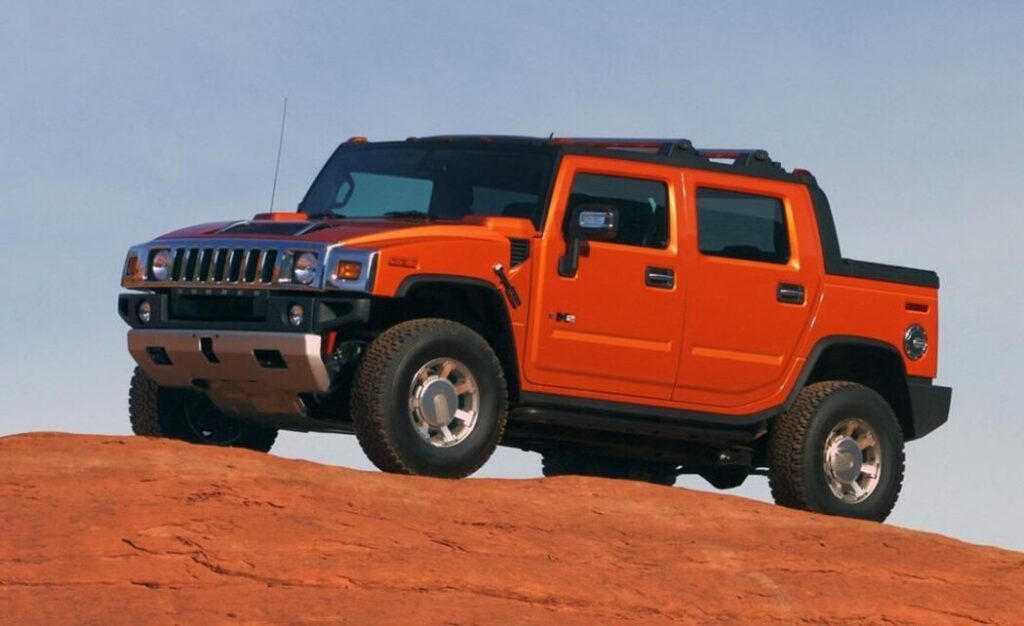

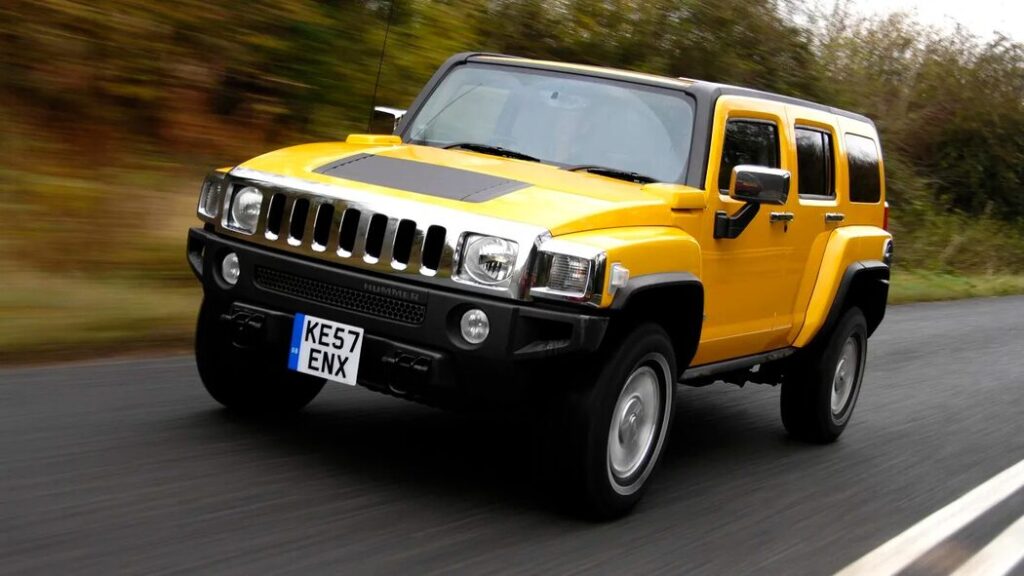

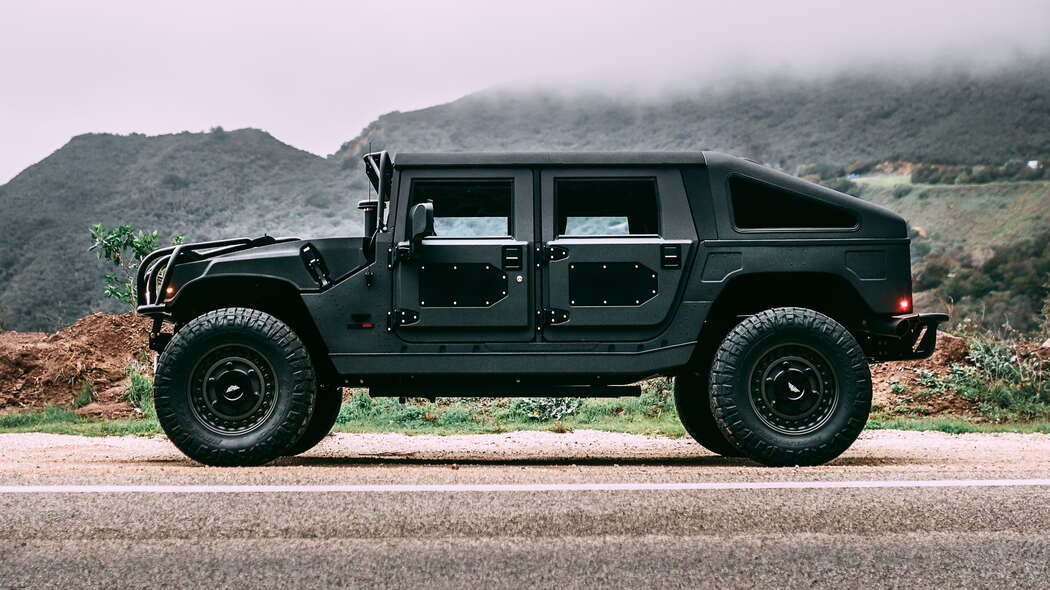
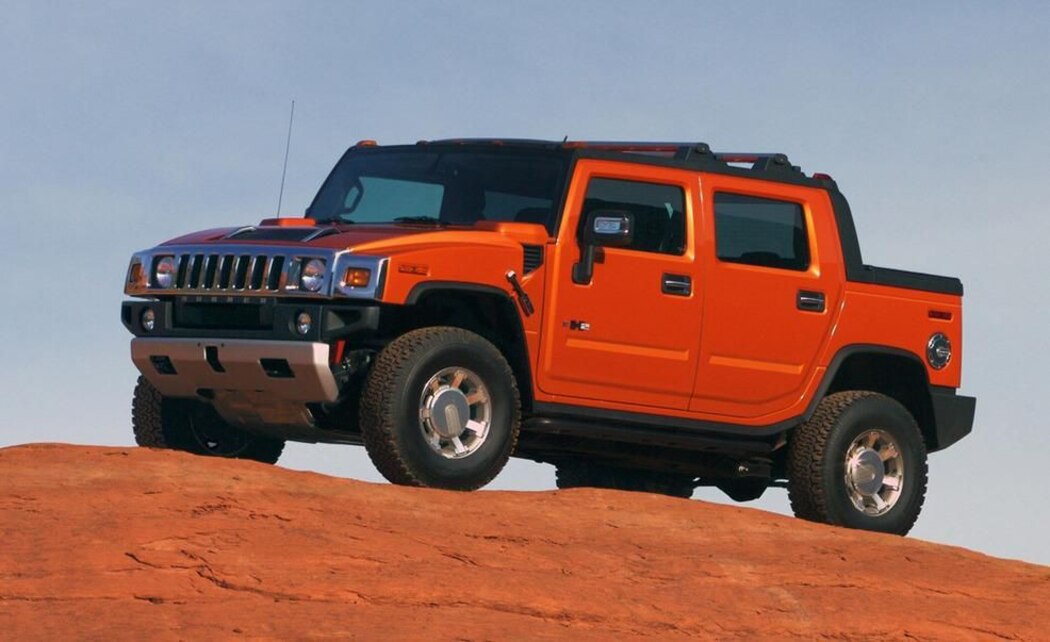

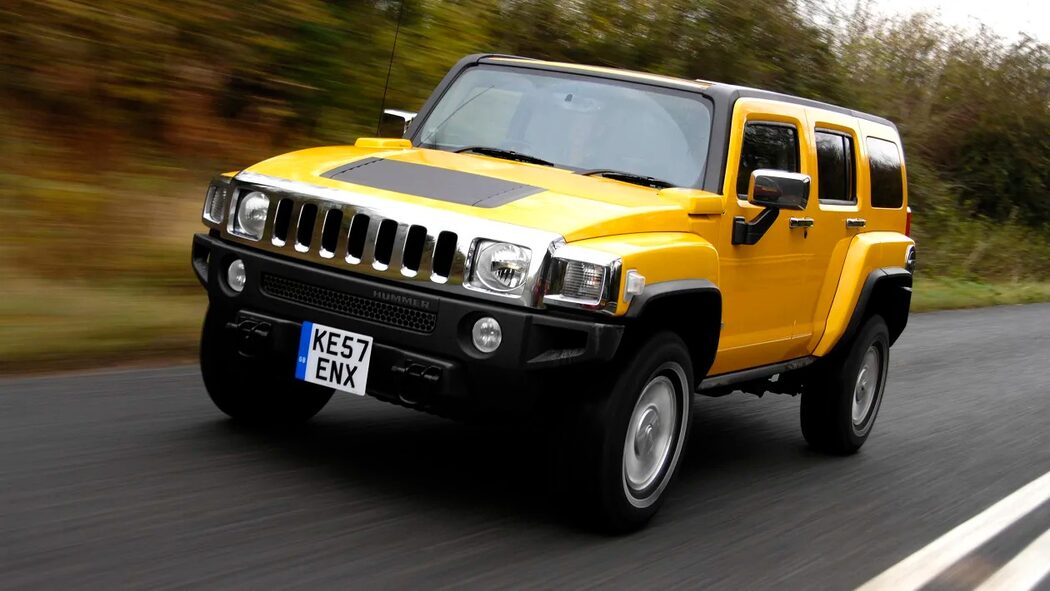
Image: Hummer
Hummer wasn’t built to blend in. It rolled in loud, wide, and unapologetically bold—the kind of vehicle you bought when you wanted to make a statement, not when you were worried about miles per gallon.
Originally born from the military-grade Humvee used in the Gulf War, Hummer hit the civilian market in 1992 and went full Hollywood after GM took over in 1998. The H1 looked like it could survive an apocalypse. The H2 and H3 brought that same tough image to city streets, and let’s be honest—for a while, everyone wanted one. If you spotted a Hummer, chances were it had a celebrity behind the wheel or someone who just really loved the feel of a tank on wheels.
But then the world changed. Gas prices spiked, the economy crashed, and suddenly Hummer didn’t look so cool—it looked out of touch. It was everything people didn’t want: heavy, expensive, and thirsty. By 2010, GM pulled the plug.
Still, Hummer left its mark. Its comeback in 2020 as an all-electric beast under the GMC name proved that bold doesn’t have to mean wasteful. It’s still big. It’s still badass. Just… quieter.
Highlights:
- Founded: 1992
- Popular Models: Hummer H1, H2, H3
- Defunct: 2010
- Why It Disappeared: Soaring fuel prices, the 2008 economic crisis, high maintenance costs
15. Daewoo Motors (1972-2011)

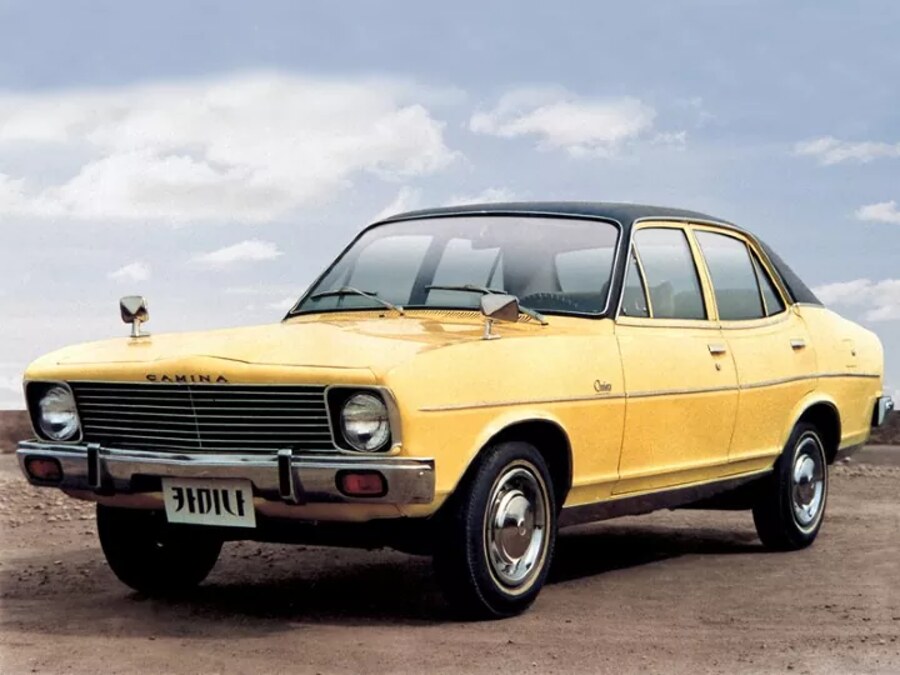
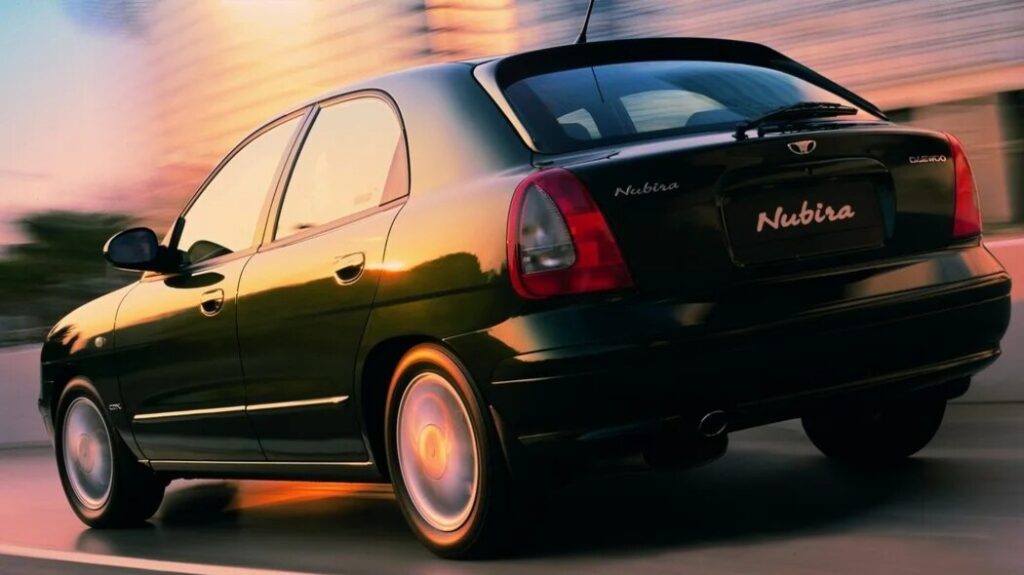
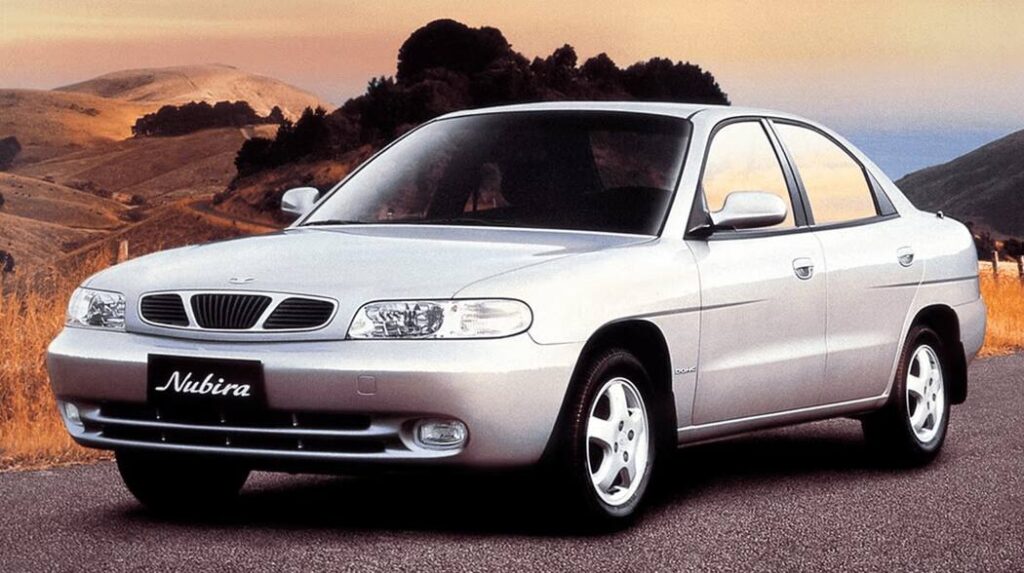

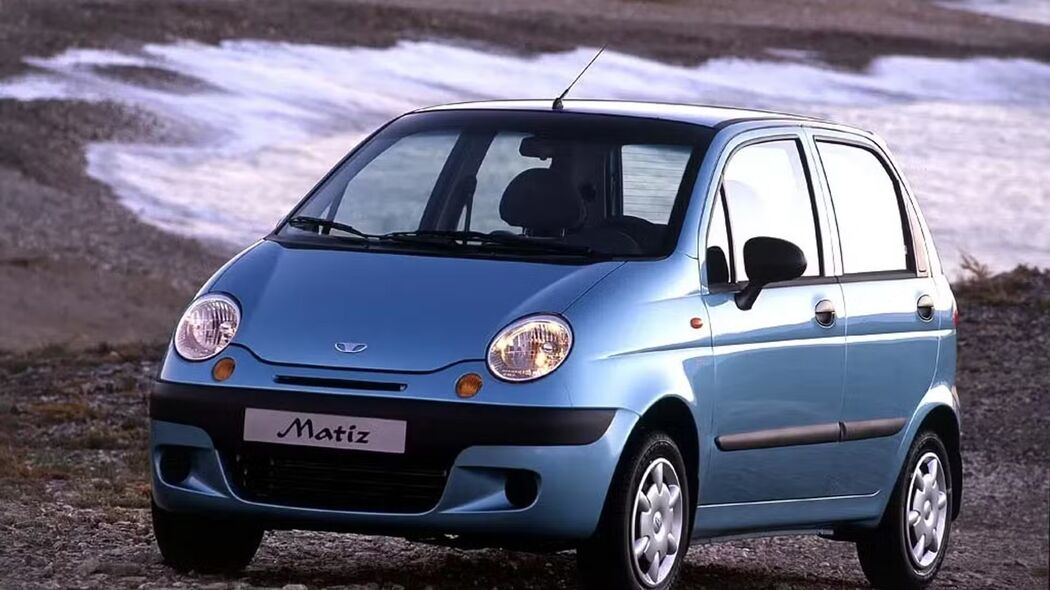
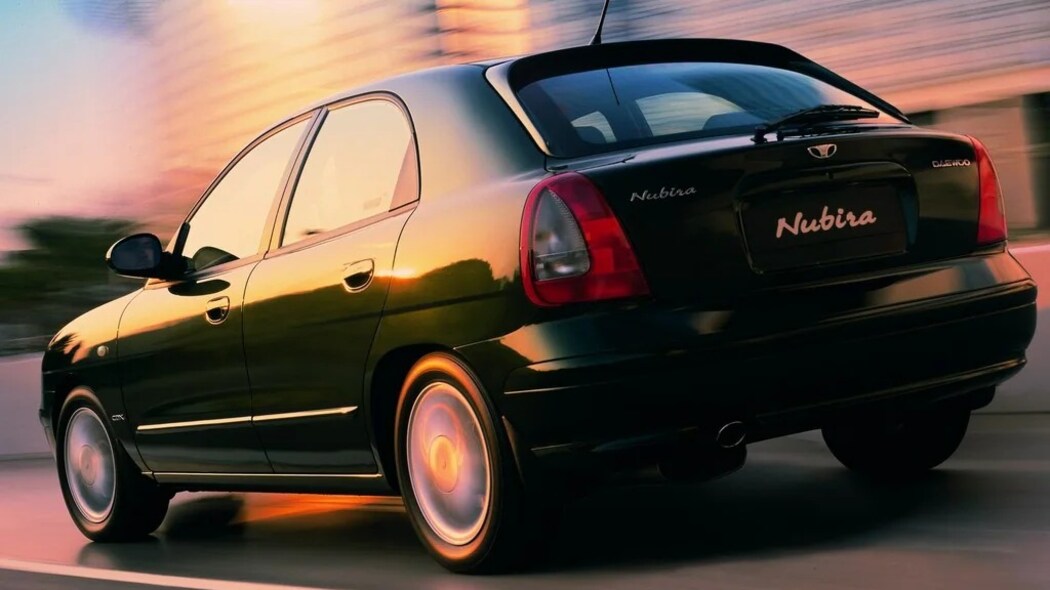

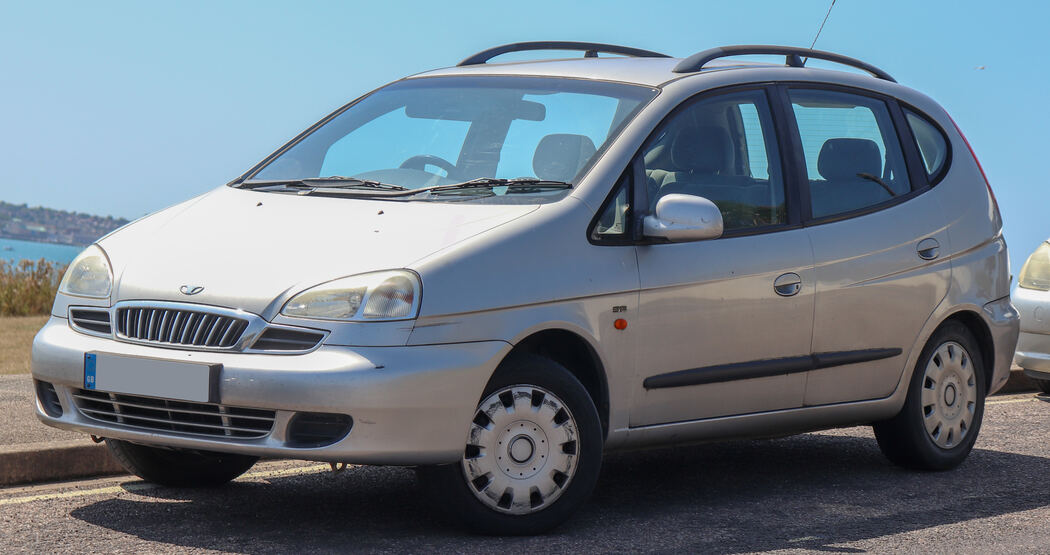
Image: Daewoo Motors
Daewoo Motors was never flashy, but for millions of drivers, it was their very first car, their affordable way into independence. Founded in South Korea in 1972 (though its roots trace back to 1937 as a textile firm), Daewoo entered the auto scene with one mission—build budget-friendly cars people could actually afford. And for a while, it worked.
By the 1990s, Daewoo went global with compact cars like the Matiz and Lanos—small, efficient, and priced just right. They weren’t performance machines or luxury cruisers, but they were dependable, cheap to maintain, and available in markets from Europe to South America. Daewoo wasn’t trying to be cool—it was trying to be practical.
But behind the scenes, things weren’t running so smoothly. Financial mismanagement, over-expansion, and the Asian financial crisis in 1997 knocked the brand off balance. In 2002, General Motors stepped in, absorbing Daewoo into its global lineup. For a few years, the cars kept coming—just under different names like Chevrolet or Holden. By 2011, the Daewoo badge quietly vanished.
Even though it’s gone, Daewoo still means something to a lot of people. It’s a name that reminds us good cars don’t have to be expensive, and that sometimes, the underdog really does make it worldwide.
Highlights:
- Founded: 1972
- Popular Models: Daewoo Matiz, Daewoo Lanos
- Defunct: 2011
- Reasons for Defunct: Financial troubles, poor management, fallout from the 1997 Asian financial crisis
14. Fisker Automotive (2007-2013)
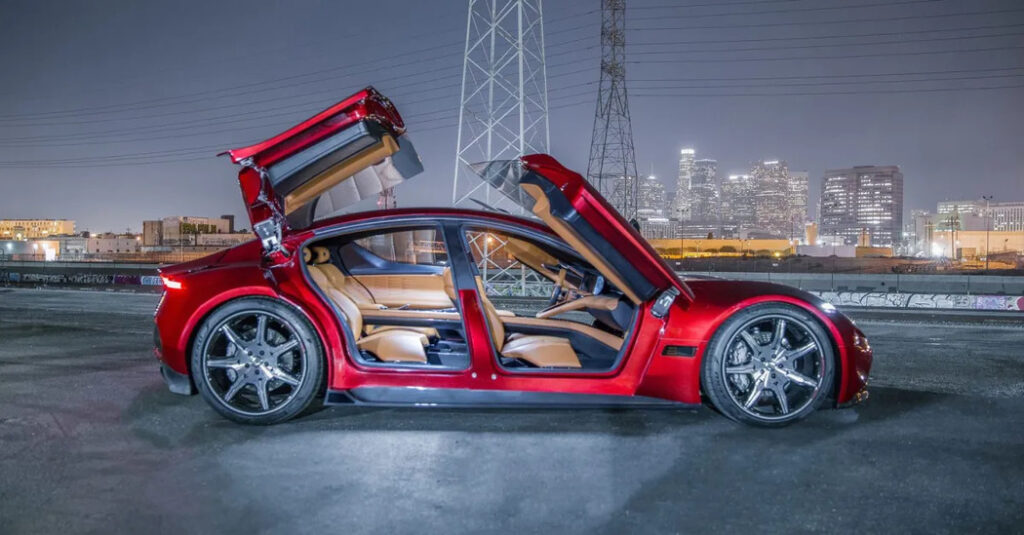

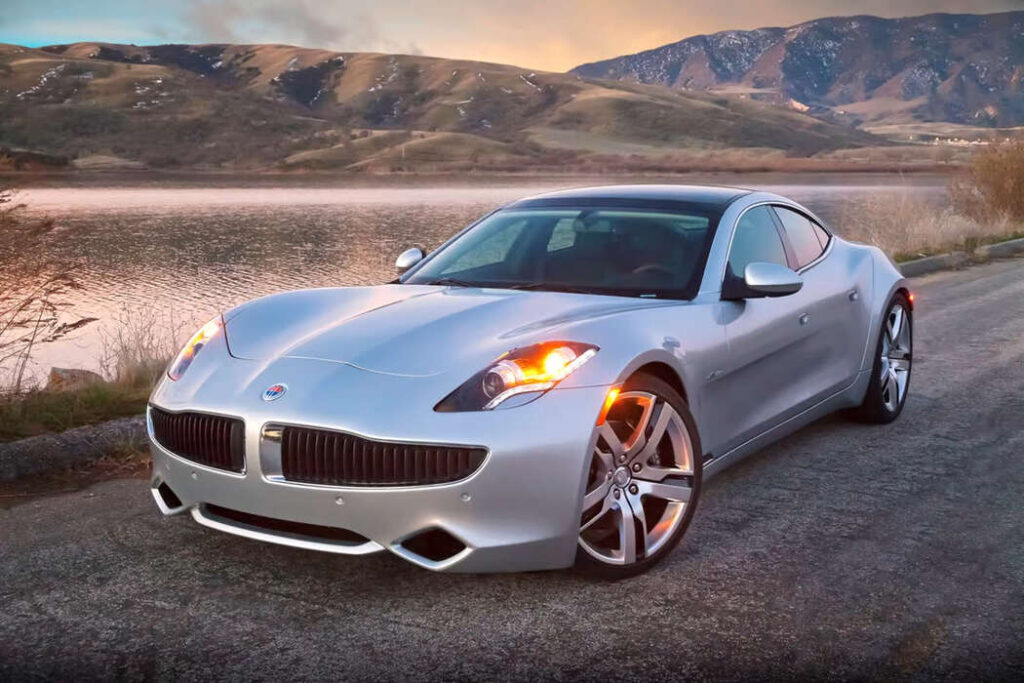

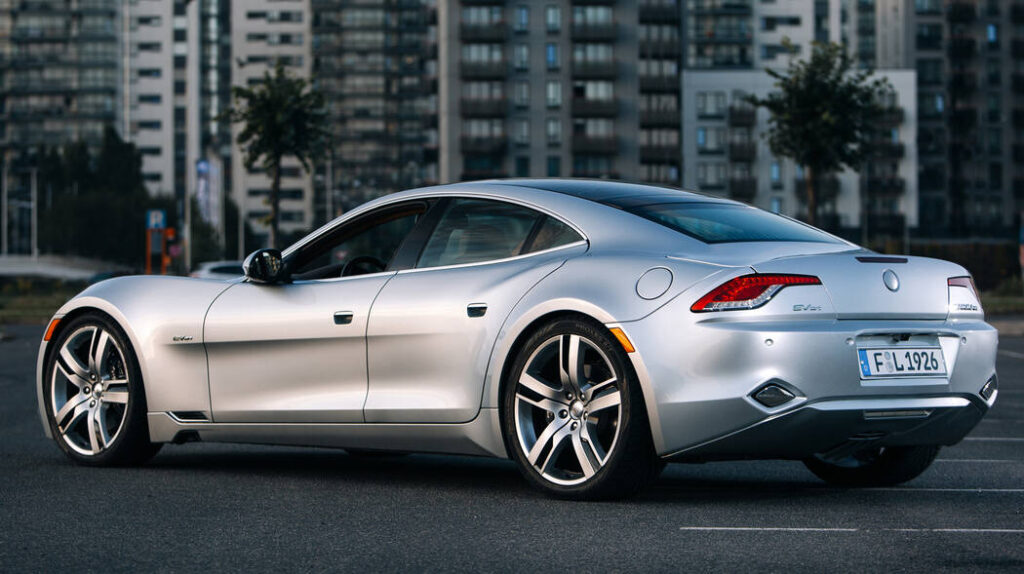

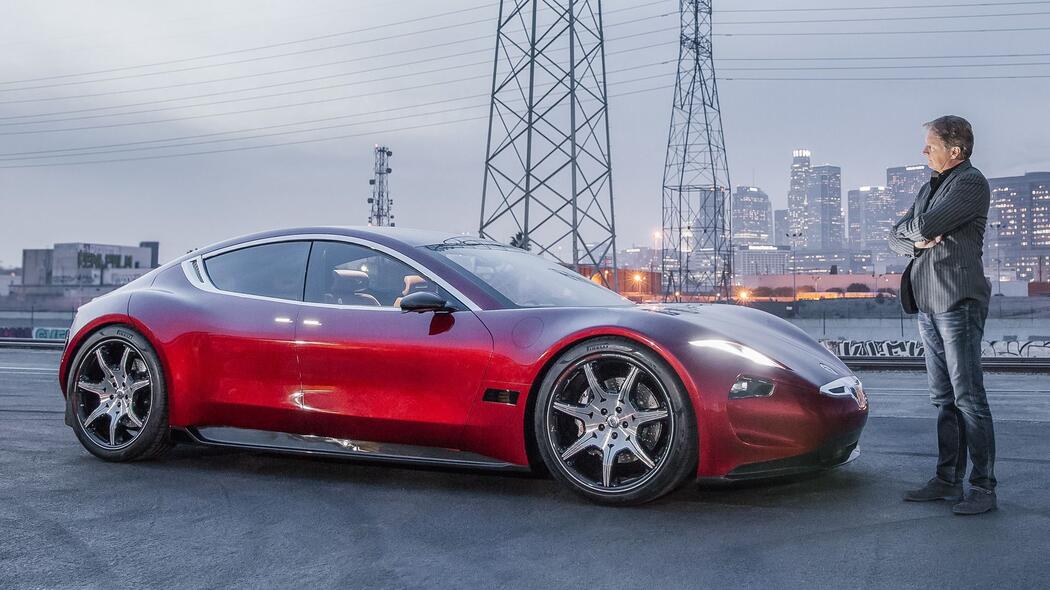
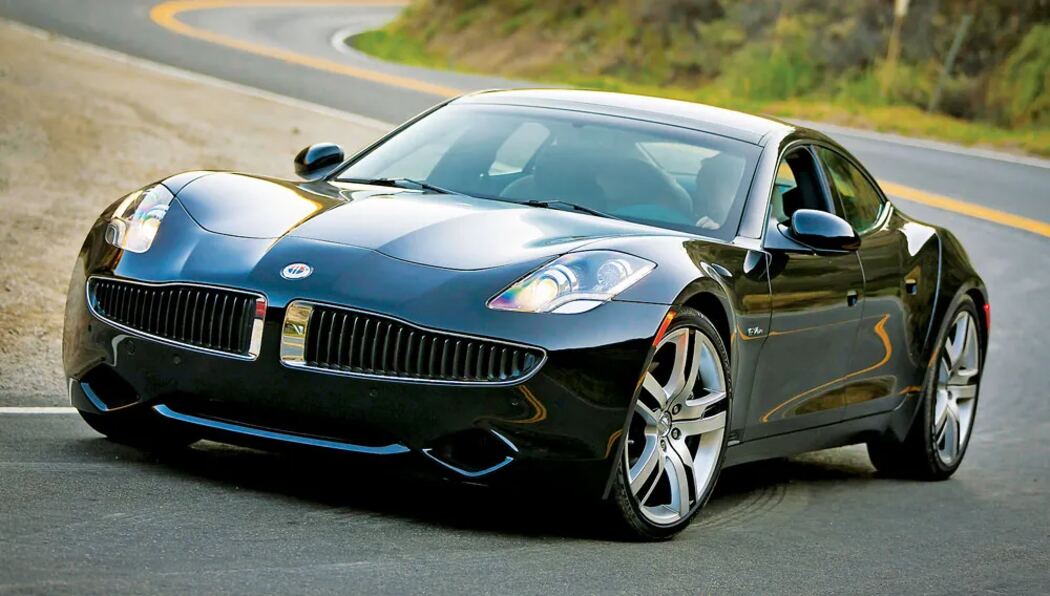

Image: Fisker Automotive
Fisker Automotive wasn’t just a car company—it was a statement. Founded in 2007 by famed designer Henrik Fisker, the brand dared to dream big: a luxury car that looked like a supermodel and ran like a whisper. In 2011, the Fisker Karma hit the road—a plug-in hybrid wrapped in jaw-dropping design and wrapped in the promise of sustainability.
It was elegant, exotic, and eco-conscious before those buzzwords became trendy. Celebrities bought it, magazines raved about it, and for a brief moment, Fisker looked like the future.
But big dreams hit big walls. The Karma suffered from battery problems, production delays, and a major recall that sent shockwaves through its already fragile finances. Add in a supplier bankruptcy and some tough breaks from nature (like Hurricane Sandy destroying a shipment of Karmas), and by 2013, Fisker Automotive filed for bankruptcy.
Still, the story didn’t end there. In true comeback fashion, Henrik Fisker returned in 2016, launching Fisker Inc., this time with a sharper focus on full electric vehicles. The new Fisker Ocean SUV is his attempt to rewrite the past—and maybe, this time, stick the landing.
Highlights:
- Founded: 2007
- Popular Model: Fisker Karma
- Defunct: 2013
- Reasons for Defunct: Financial instability, production delays, battery and technical issues
13. SAAB (1945-2011)

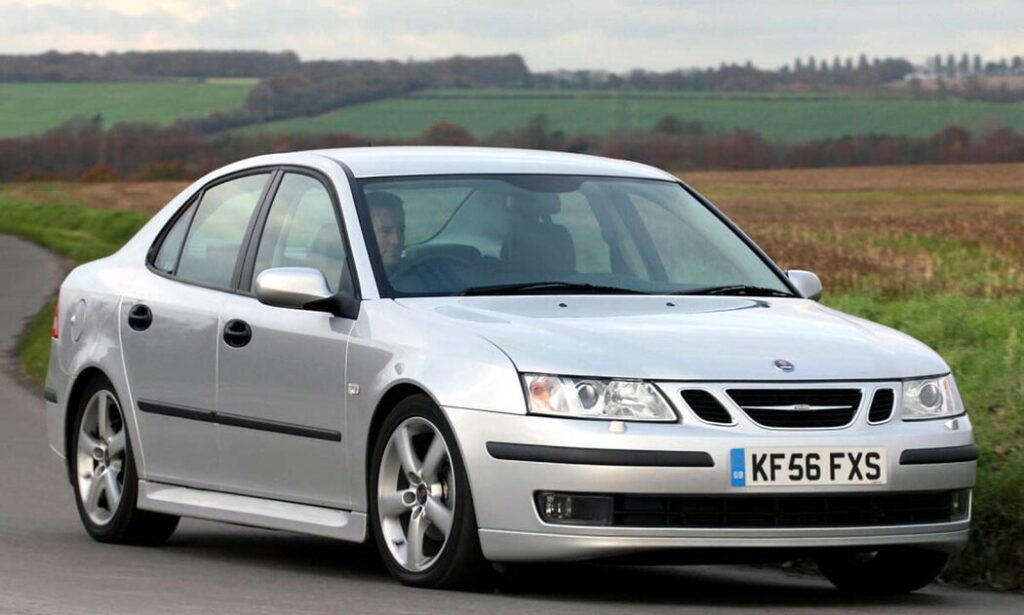
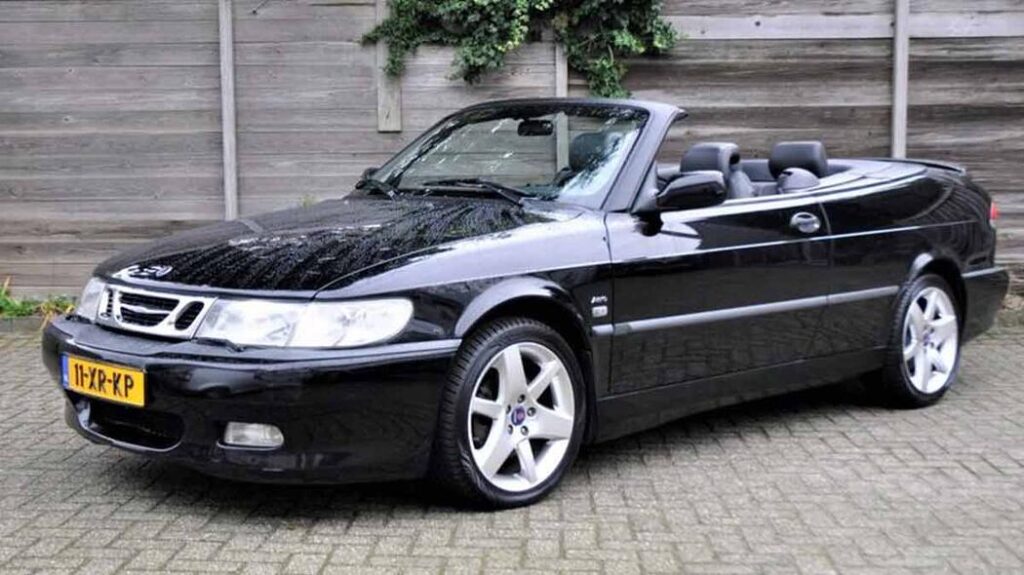
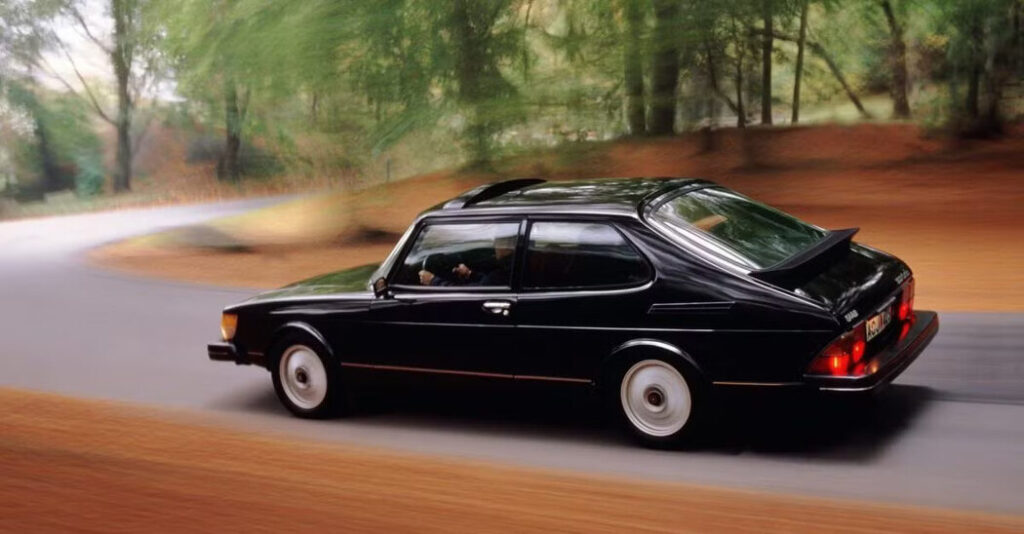

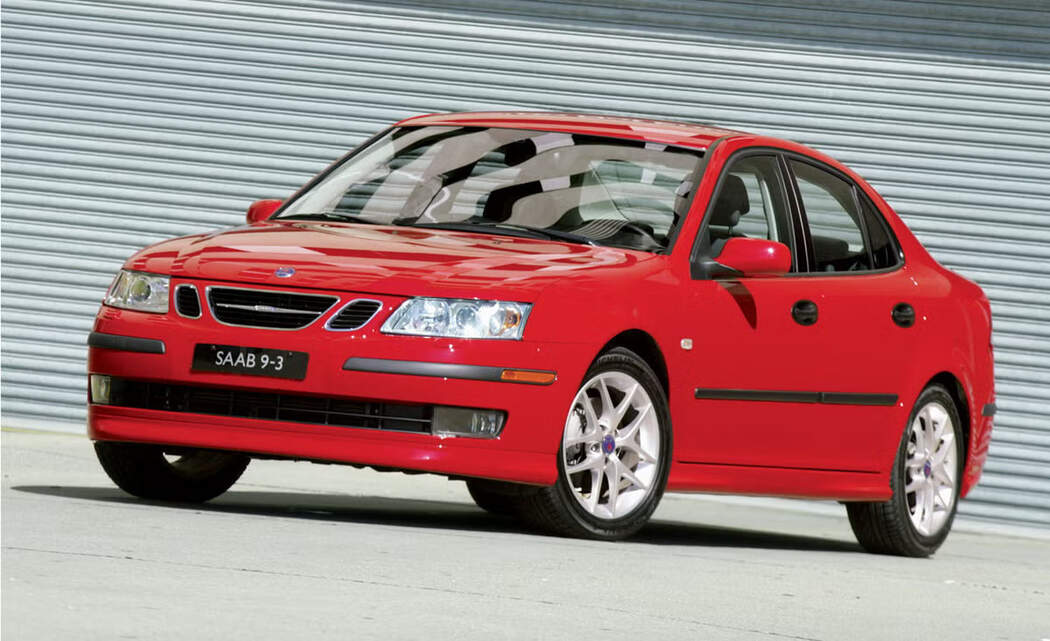
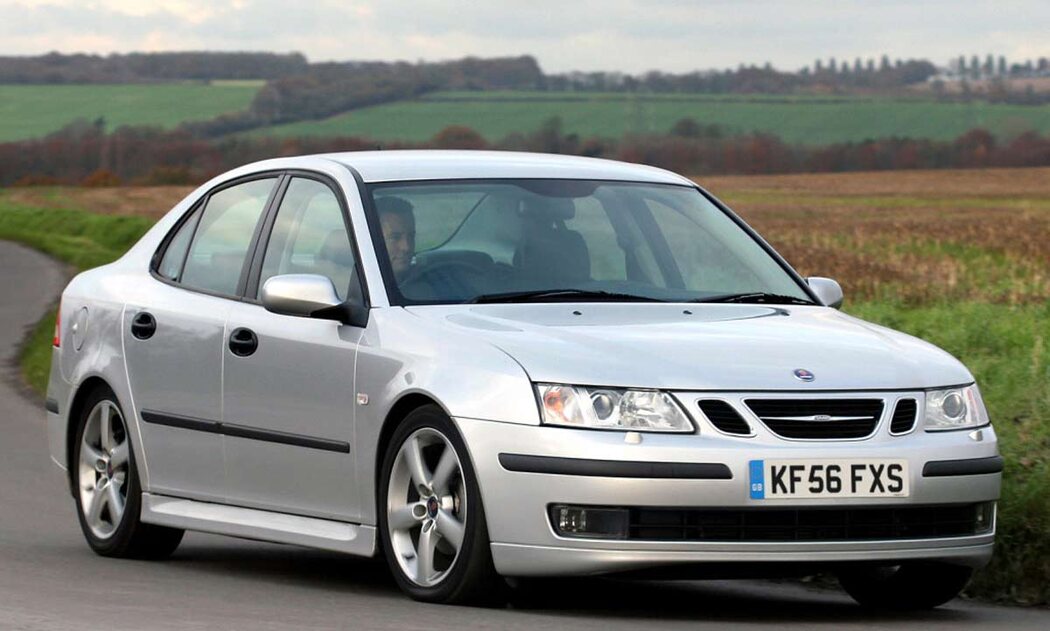
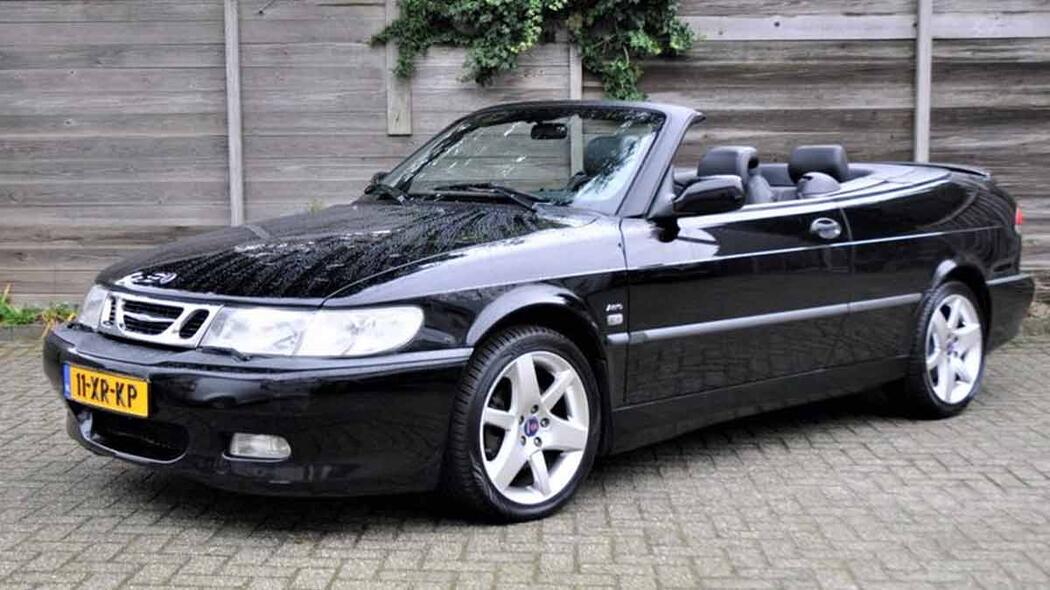
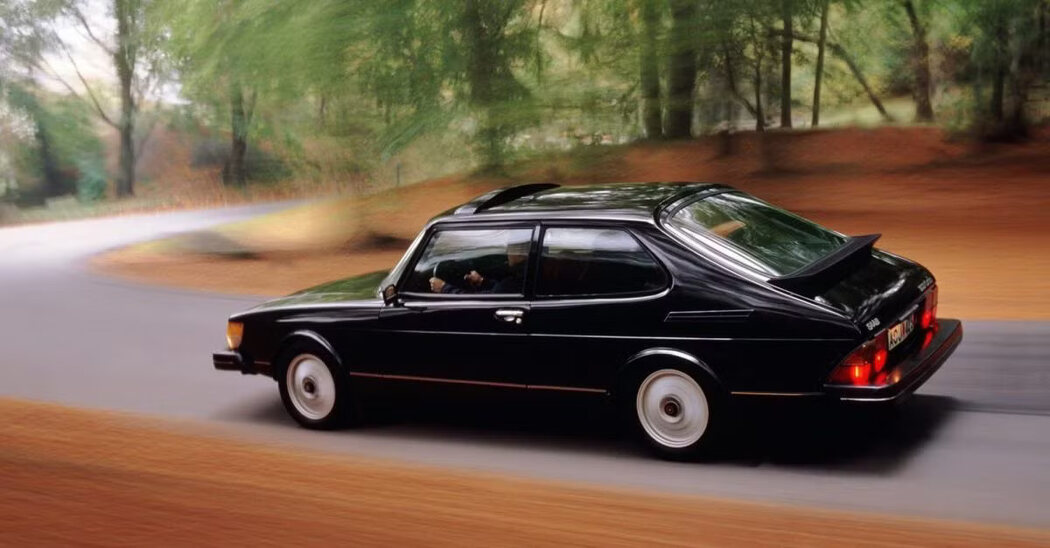
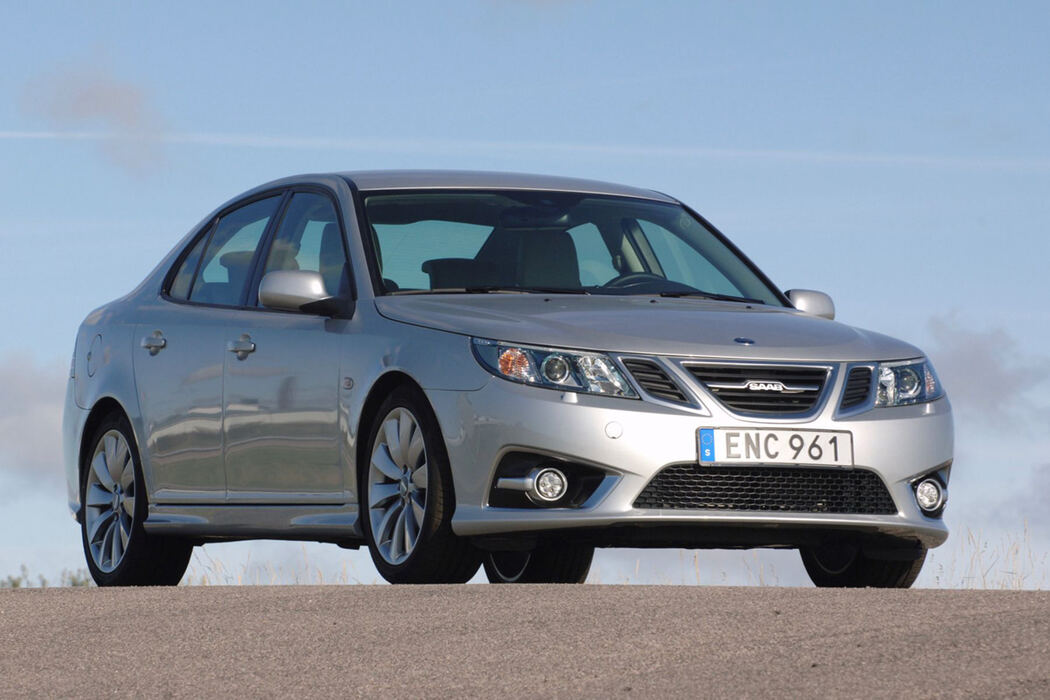
Image: SAAB
SAAB wasn’t built to impress the masses—it was built for thinkers. Born from the minds of Swedish aerospace engineers in 1945, SAAB started as part of Svenska Aeroplan AB, a company that built fighter planes before turning its eye to cars. That DNA never left—the brand became known for turbocharged engines, quirky but aerodynamic designs, and a relentless obsession with safety and functionality.
For years, driving a SAAB meant you were different. You didn’t buy one because it was trendy—you bought one because it made sense. Models like the SAAB 99 and SAAB 900 had cult followings for their durability, innovation, and that unmistakable aircraft-inspired dashboard.
In the 1980s and ’90s, SAAB hit its stride, but turbulence followed. General Motors took over in 1989, and despite some successes, the soul of SAAB slowly faded under corporate pressure. The brand struggled to keep up with global competitors and was hit hard by shrinking sales and rising debts.
By 2011, the factory went silent. SAAB declared bankruptcy, and just like that, one of the most distinct voices in automotive design was gone. But it wasn’t forgotten. Today, SAAB is still revered by loyalists who value its eccentricity, its safety-first mindset, and its “built different” spirit.
Highlights:
- Founded: 1945
- Popular Model: SAAB 99, SAAB 900
- Defunct: 2011
- Reasons for Defunct: Declining sales, mounting debts
12. Holden (1908- 2020)
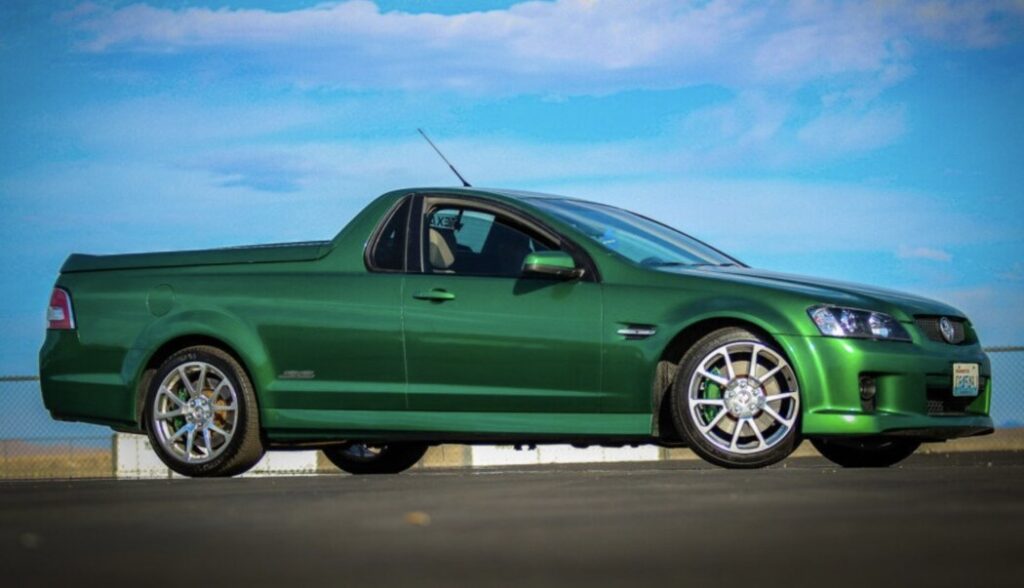
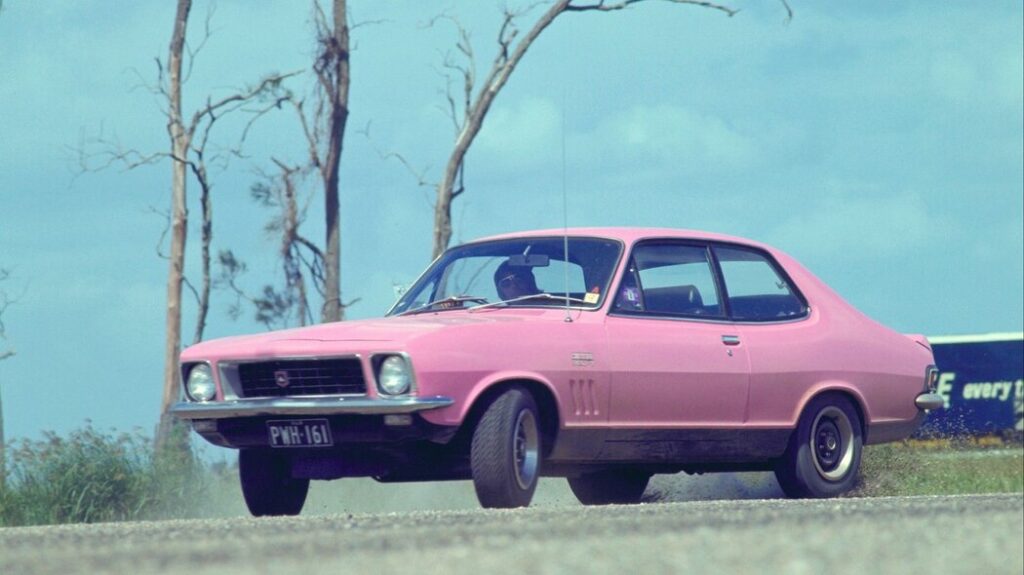


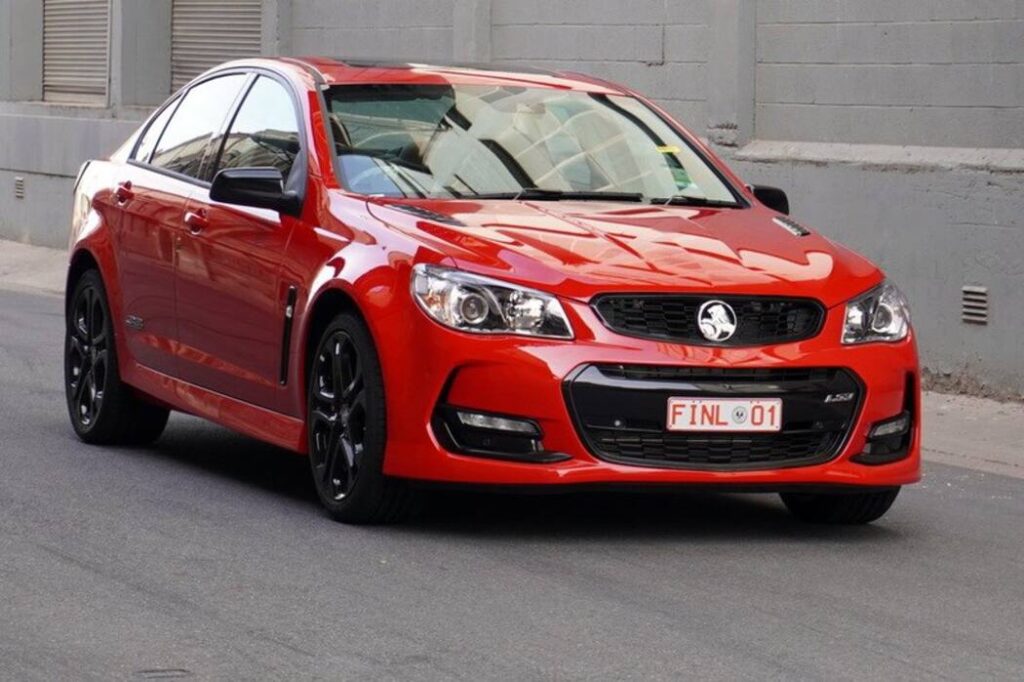

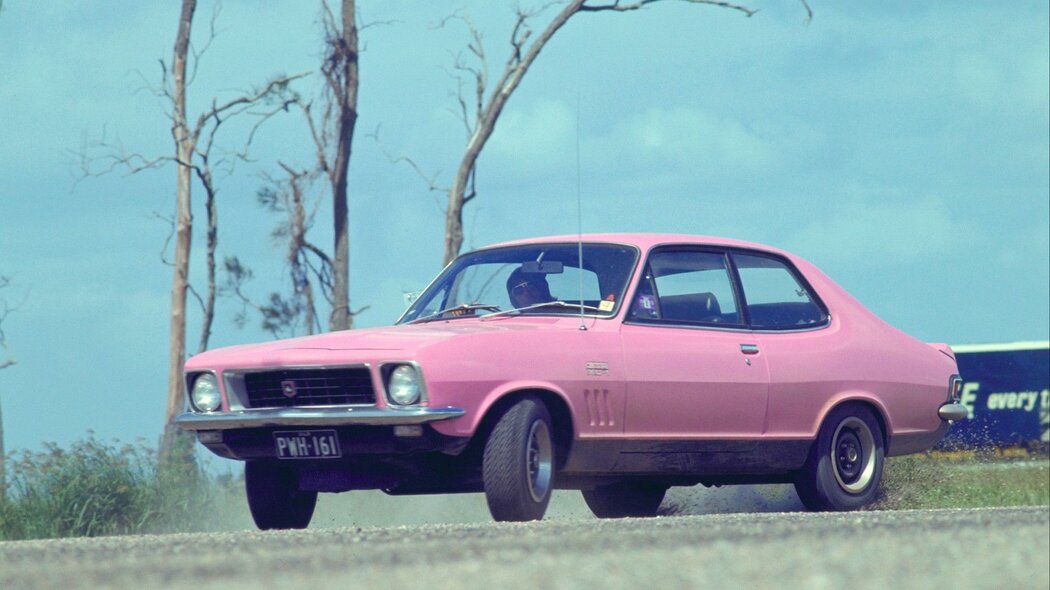
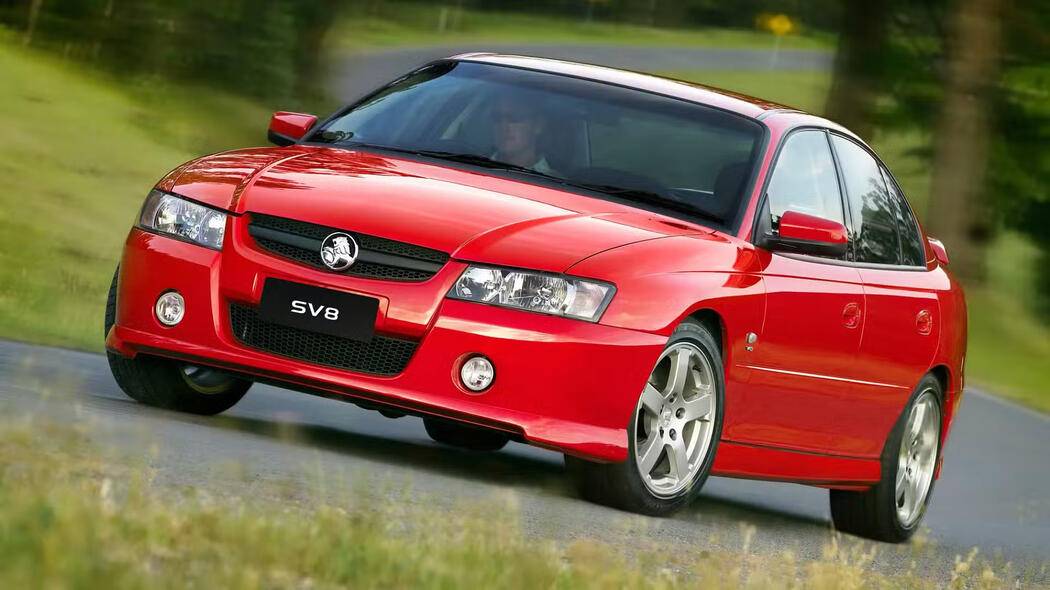
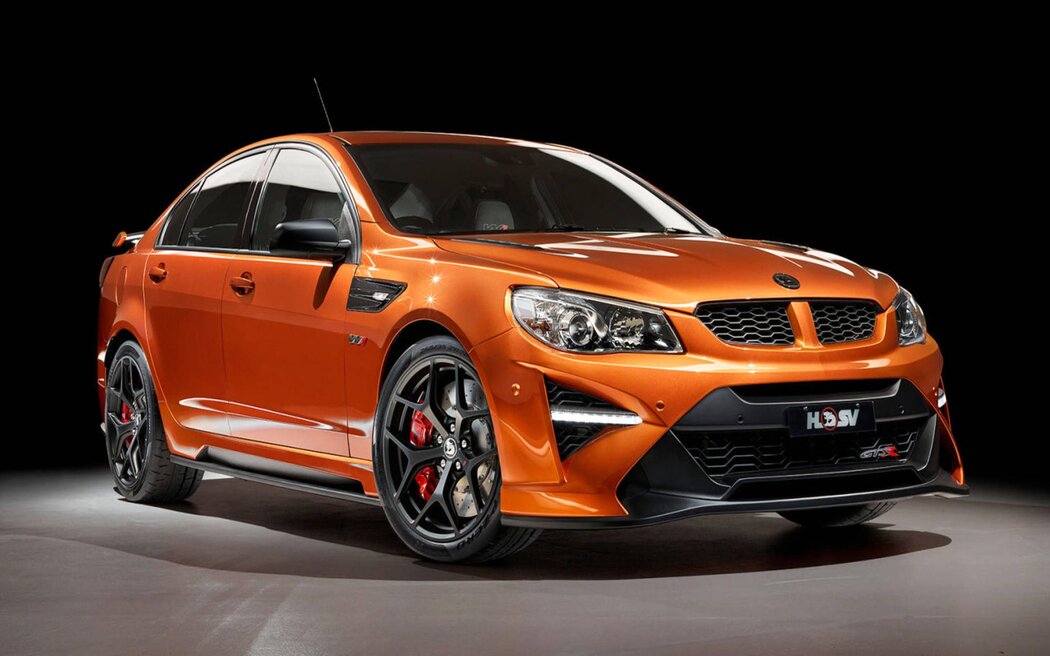
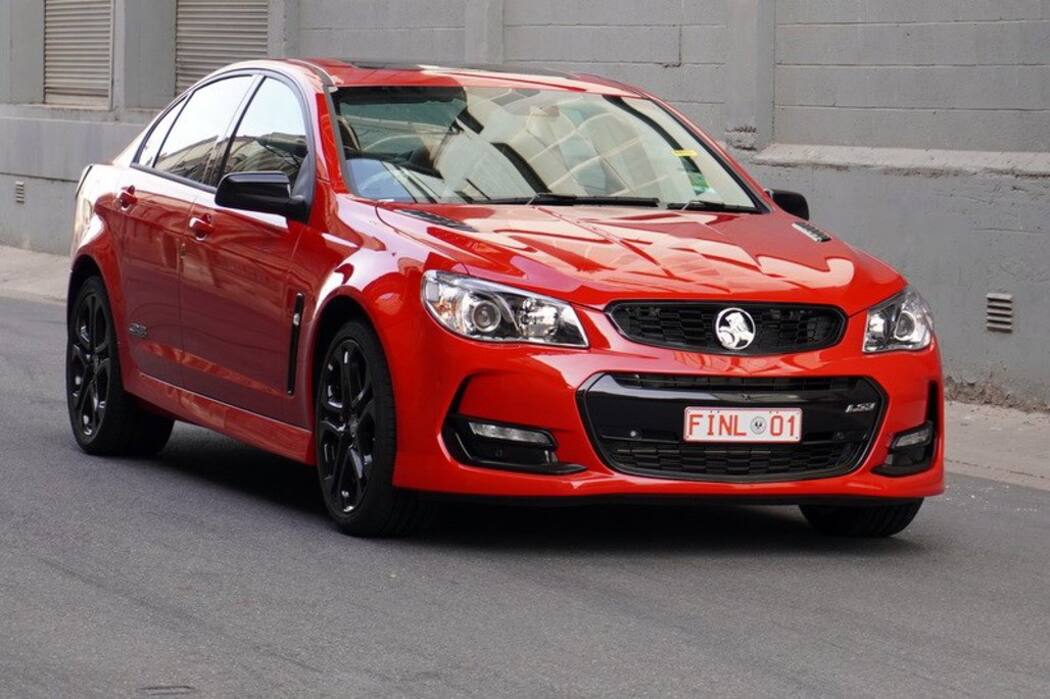
Image: Holden
Holden wasn’t just a car brand in Australia—it was a way of life. Born from humble beginnings as a saddlery in 1856, Holden shifted gears into the auto industry in 1908 and never looked back. When the 48-215 “Holden FX” rolled off the line in 1948, it wasn’t just Australia’s first locally-produced car—it was a symbol that the country could build tough, stylish, world-class machines.
For generations, Holden was stitched into Australian identity. From the family-favorite Commodore to the no-nonsense Ute, Holden delivered cars that felt like they were designed for real people—rugged, reliable, and distinctly Aussie.
But as global markets shifted and the auto industry evolved, Holden started to feel the pressure. Cheaper imports, shrinking local demand, and high production costs slowly chipped away at what once seemed untouchable. By 2020, General Motors pulled the plug—closing the curtain on over a century of Australian automotive pride.
Still, Holden’s story isn’t just about the end. It’s about how a local brand became a national treasure—and how it’s still remembered with love by drivers who grew up riding in the backseat of something built with grit, purpose, and pride.
Highlights:
- Founded: 1908
- Popular Model: Holden FX; Holden HK Monaro
- Defunct: 2020
- Why It Disappeared: Changing market conditions, economic challenges, competition from overseas brands
11. Borgward (1929-1961)
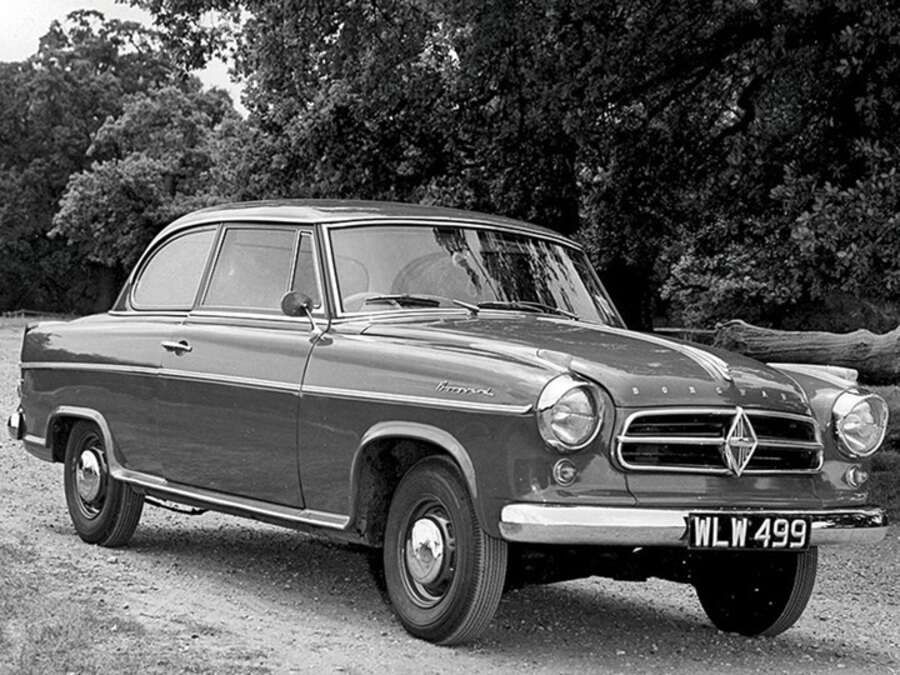

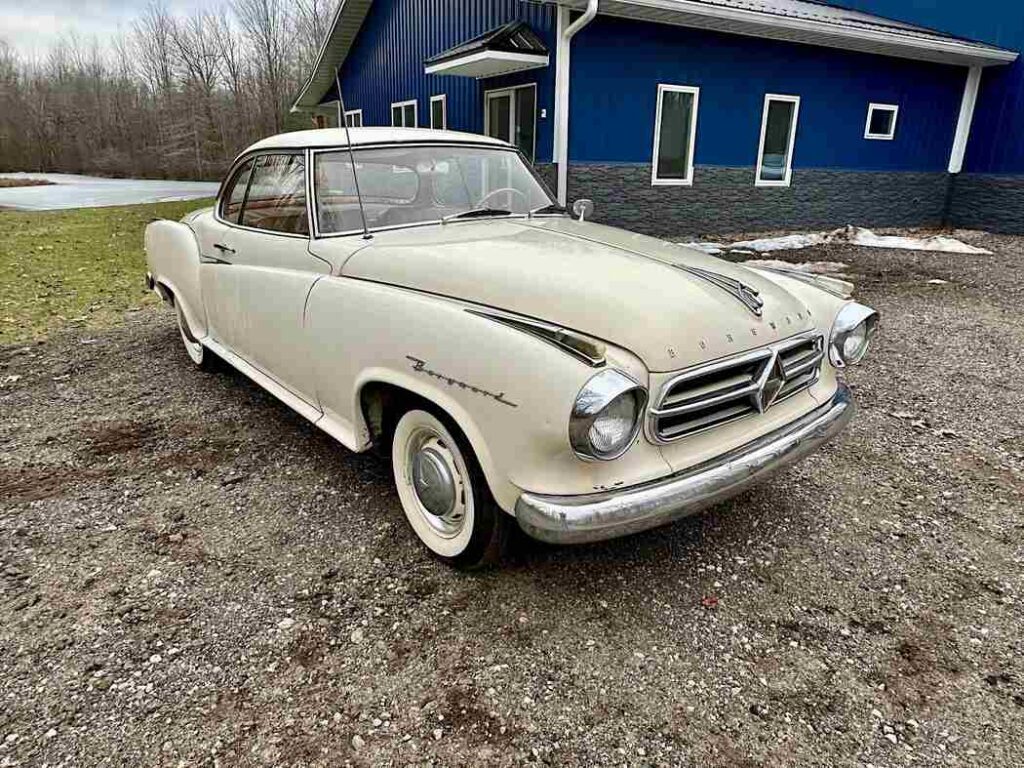
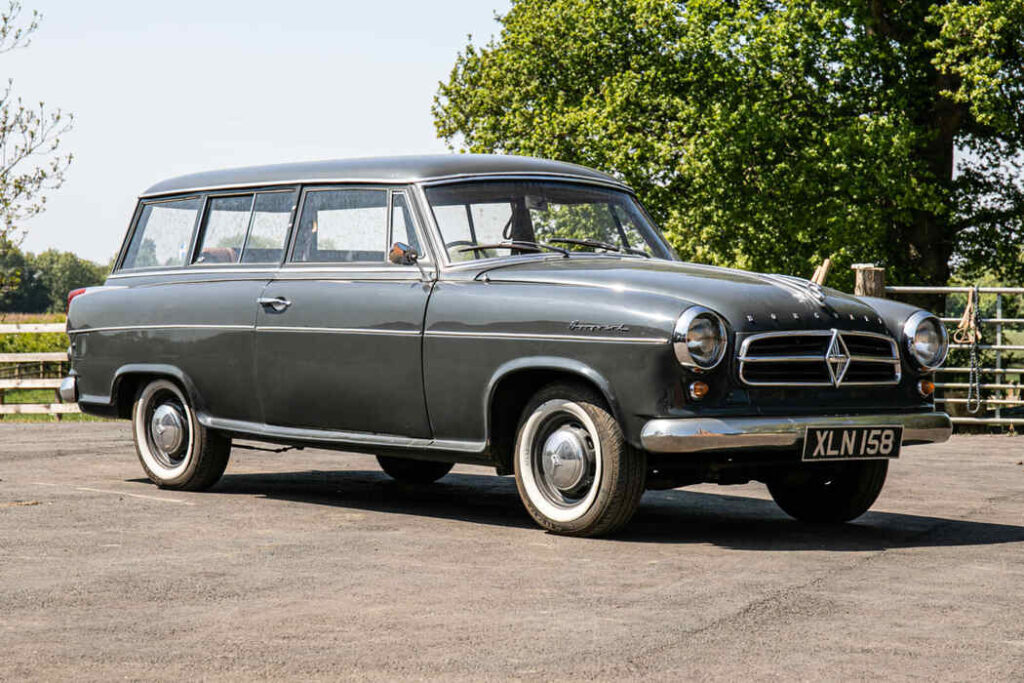

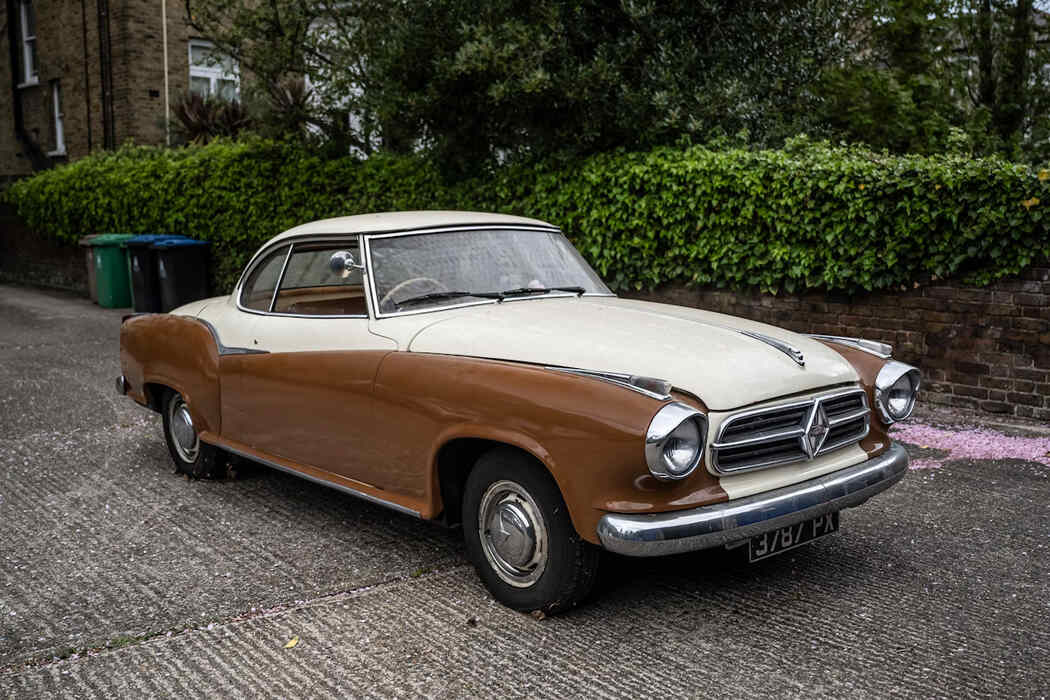
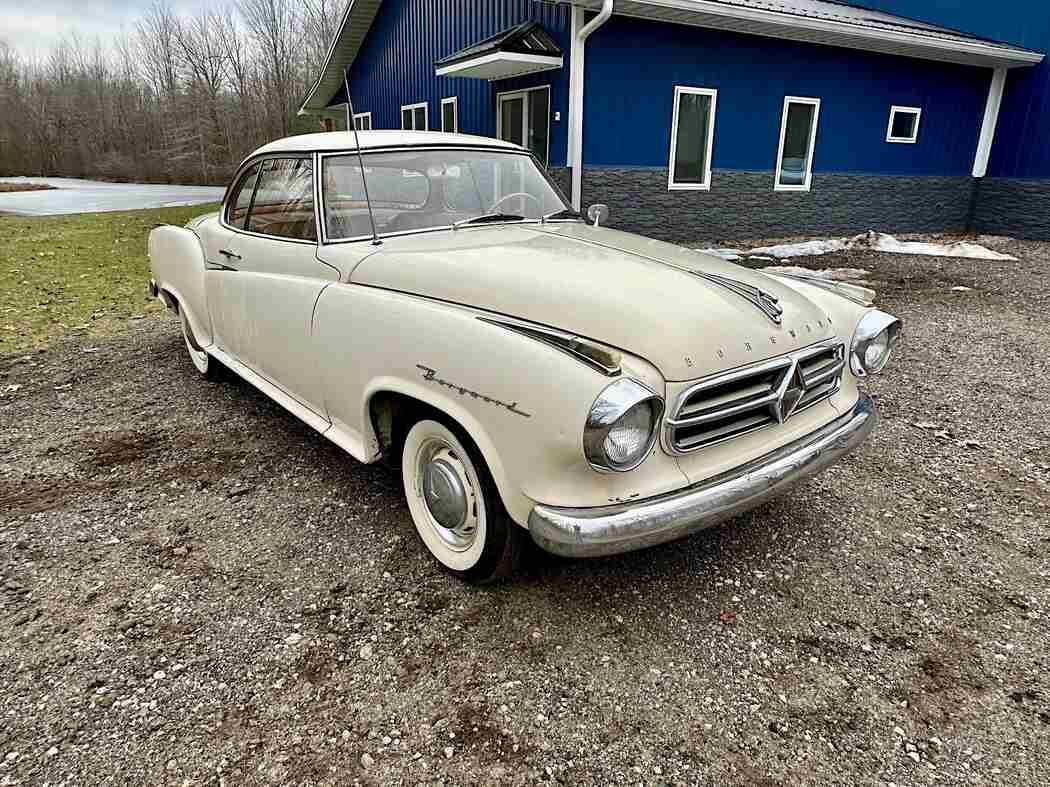

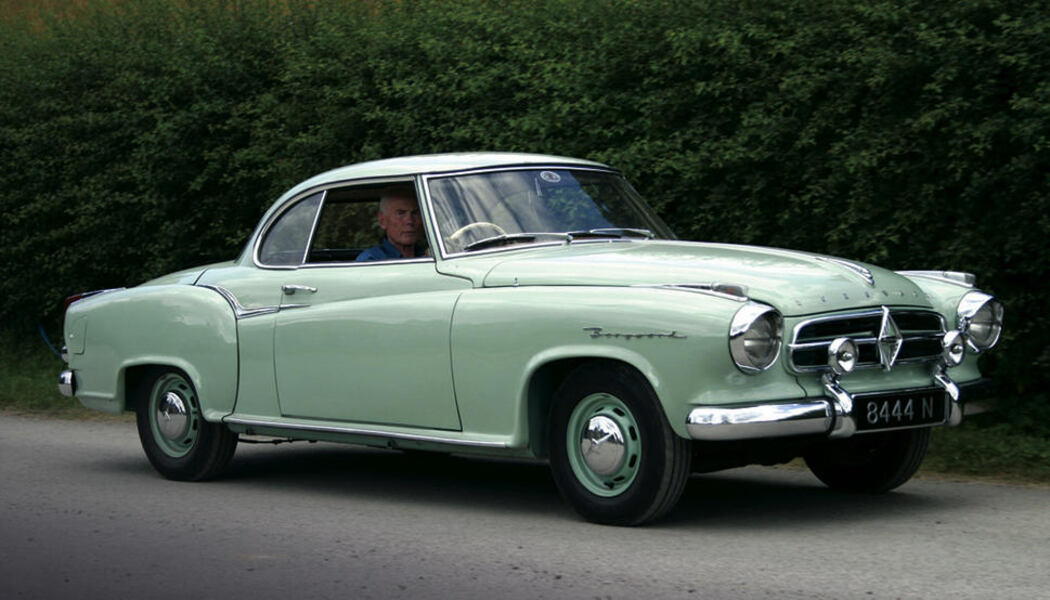
Image: Borgward
Borgward was Germany’s bold dreamer—an automaker that dared to go toe-to-toe with giants by blending elegance, engineering, and forward-thinking features. Founded in 1929 by Carl F. W. Borgward, the company rose from producing small utility vehicles to crafting some of the most admired mid-century European cars.
By the 1950s, Borgward was riding high. Its most famous model, the Isabella, wasn’t just stylish—it came packed with innovations like independent suspension and impressive safety features that many competitors lacked. In post-war Germany, the Isabella became a symbol of recovery, progress, and everyday luxury.
But while the cars were ahead of their time, the business wasn’t. Poor financial management, overexpansion, and growing competition from German heavyweights like Mercedes-Benz put pressure on the brand. By 1961, the company folded—leaving behind a legacy of what could’ve been one of Germany’s great automotive empires.
Decades later, in 2008, the Borgward name made a comeback under new ownership. The revival brought a few modern vehicles to life, but the spark that once defined the brand never quite reignited. Still, the original Borgward era lives on, especially in the hearts of collectors and enthusiasts who know just how special this brand once was.
Highlights:
- Founded: 1929
- Popular Models: Borgward Isabella, Borgward Hansa 1800 D
- Defunct: 1961
- Why It Disappeared: Mismanagement, overexpansion, strong competition
10. Oldsmobile (1897-2004)

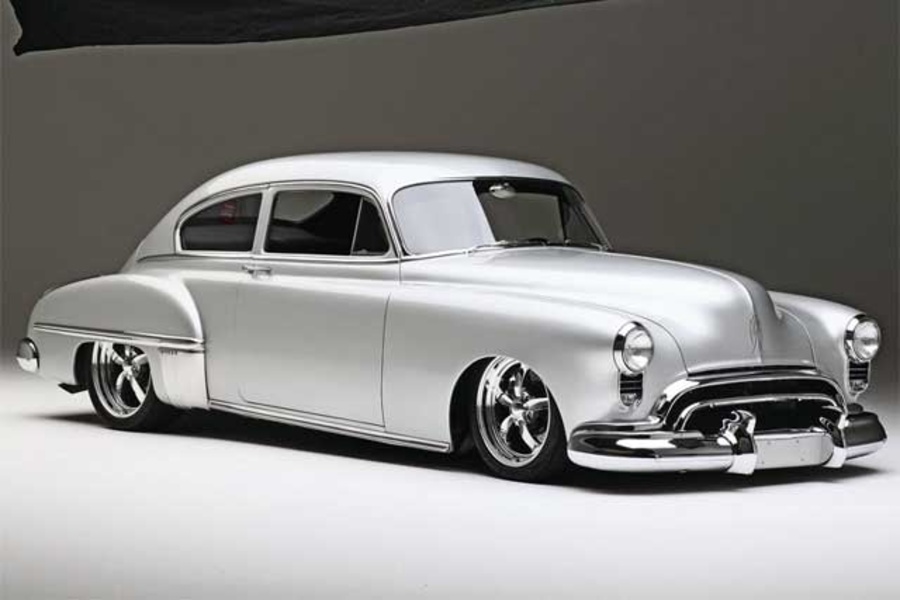
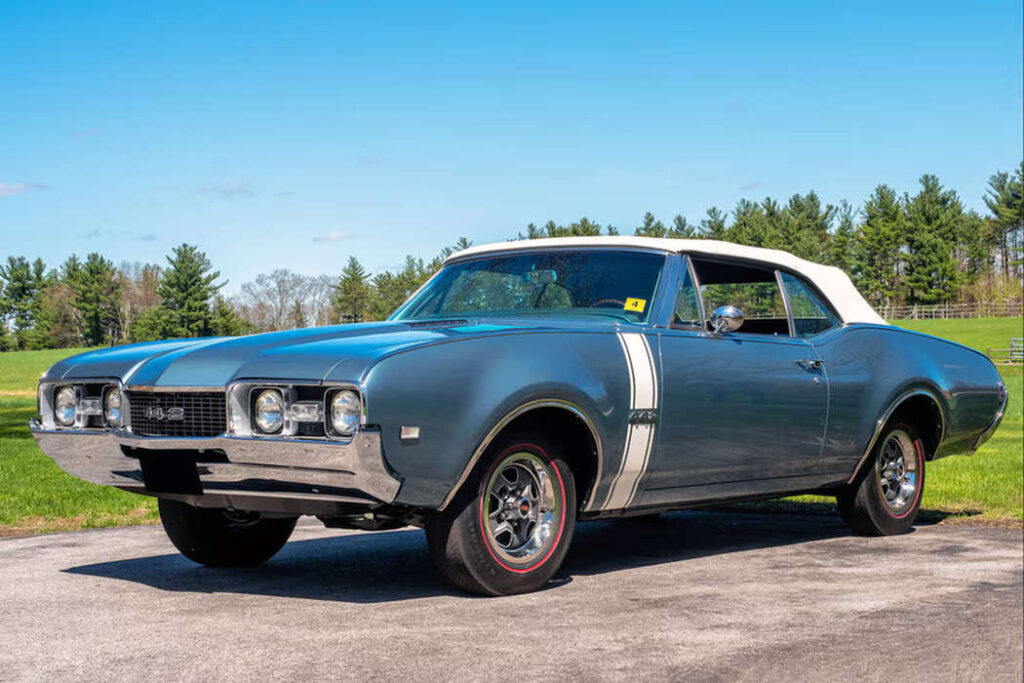


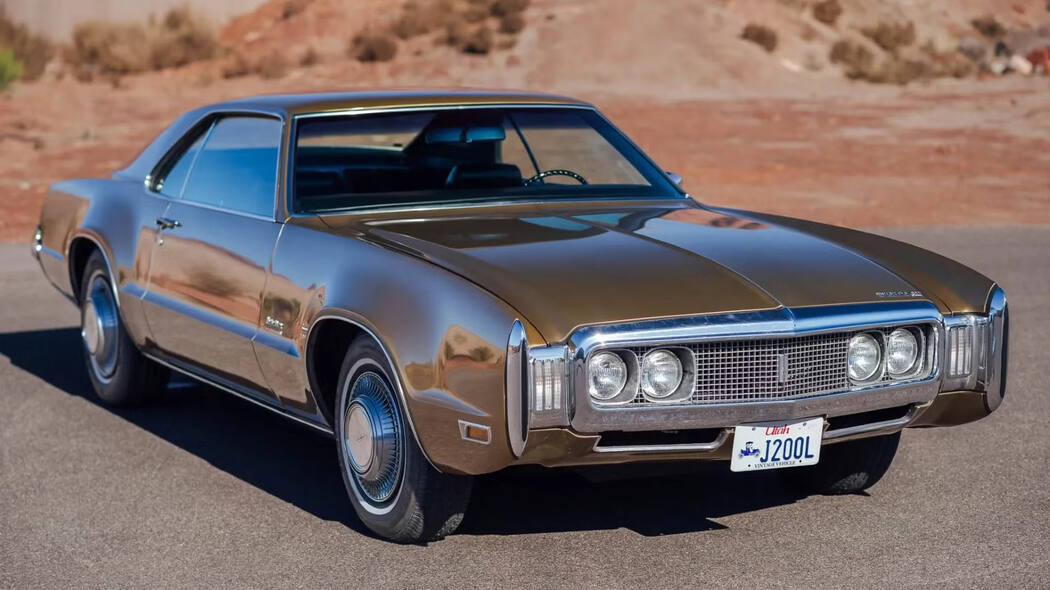
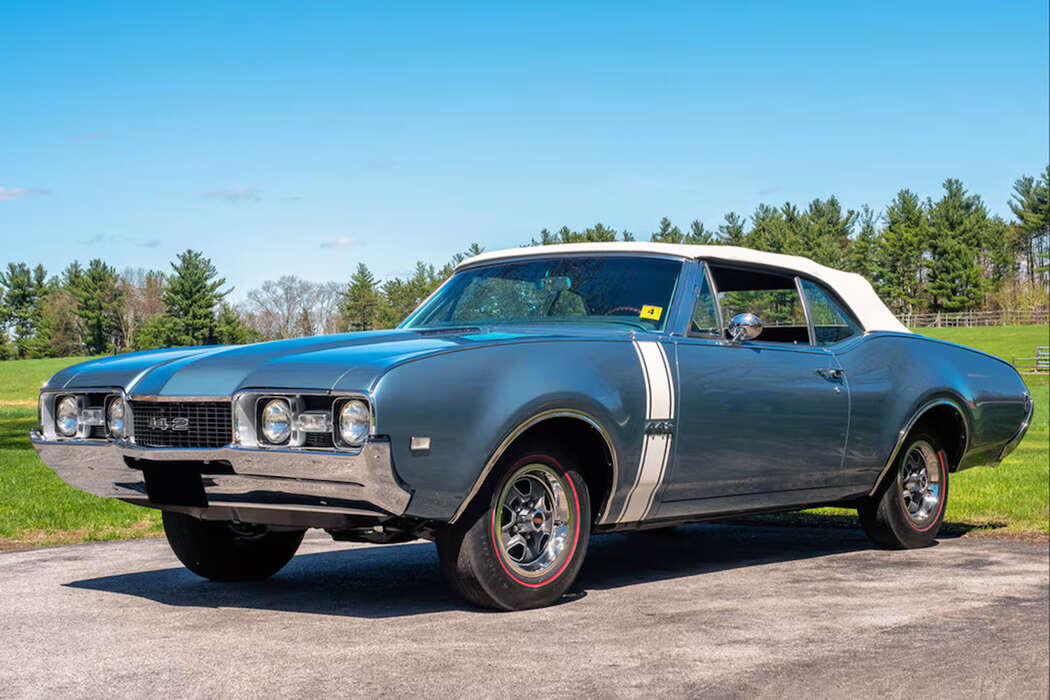
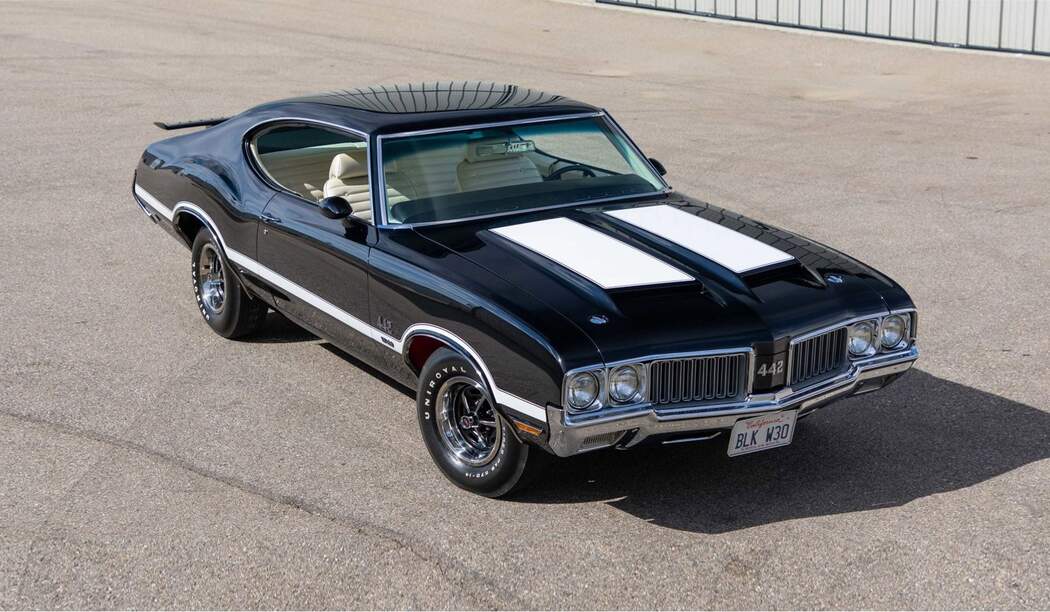
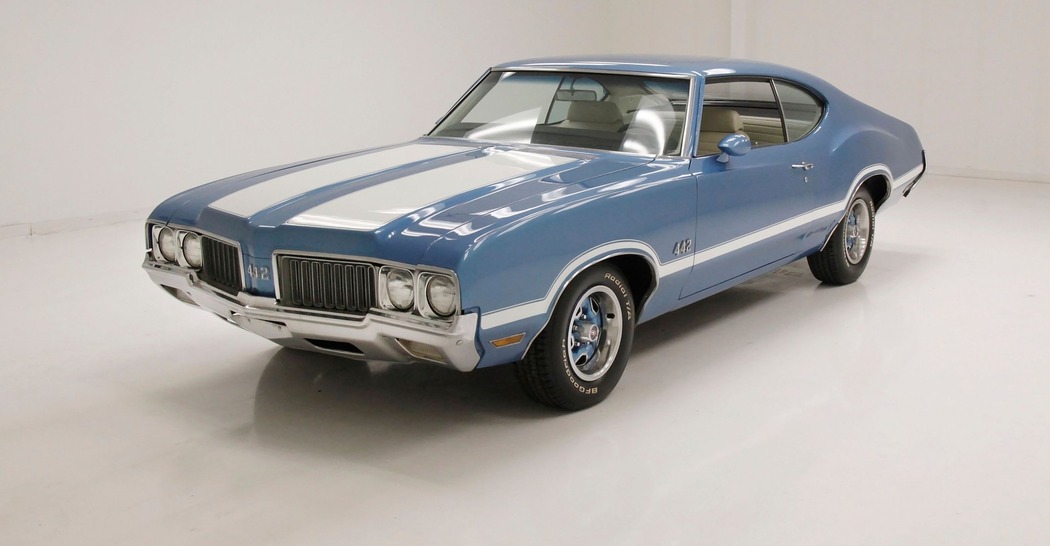
Image: Oldsmobile
Oldsmobile wasn’t just a car brand—it was part of America’s automotive DNA. Founded in 1897 by Ransom E. Olds, it holds the honor of being one of the first mass-production car companies in the world. The 1901 Curved Dash wasn’t just innovative—it practically wrote the blueprint for what a car could be in the U.S.
As the decades rolled on, Oldsmobile never stopped pushing boundaries. It gave us the Rocket 88, often hailed as America’s first muscle car, powered by a V8 that roared louder than anything in its class. Through the mid-20th century, Oldsmobile was the brand for drivers who wanted performance, comfort, and just a little flair without going over the top.
But by the late 1990s, Oldsmobile had lost its identity. It got squeezed between Buick and Pontiac, and failed to connect with younger buyers. Sales dropped. The designs didn’t excite. And in 2004, General Motors finally pulled the plug—ending a remarkable 107-year run.
Still, the Olds legacy is hard to ignore. It’s the brand that helped launch the American auto industry and shape what a car could be. Whether it was innovation, performance, or just good-old family reliability, Oldsmobile had it all—until it didn’t.
Highlights:
- Founded: 1897
- Popular Models: Oldsmobile Rocket 88, Oldsmobile Rallye 350
- Defunct: 2004
- Reasons for Defunct: Rapidly changing market, decline in consumer interest
9. Triumph (1885-1984)
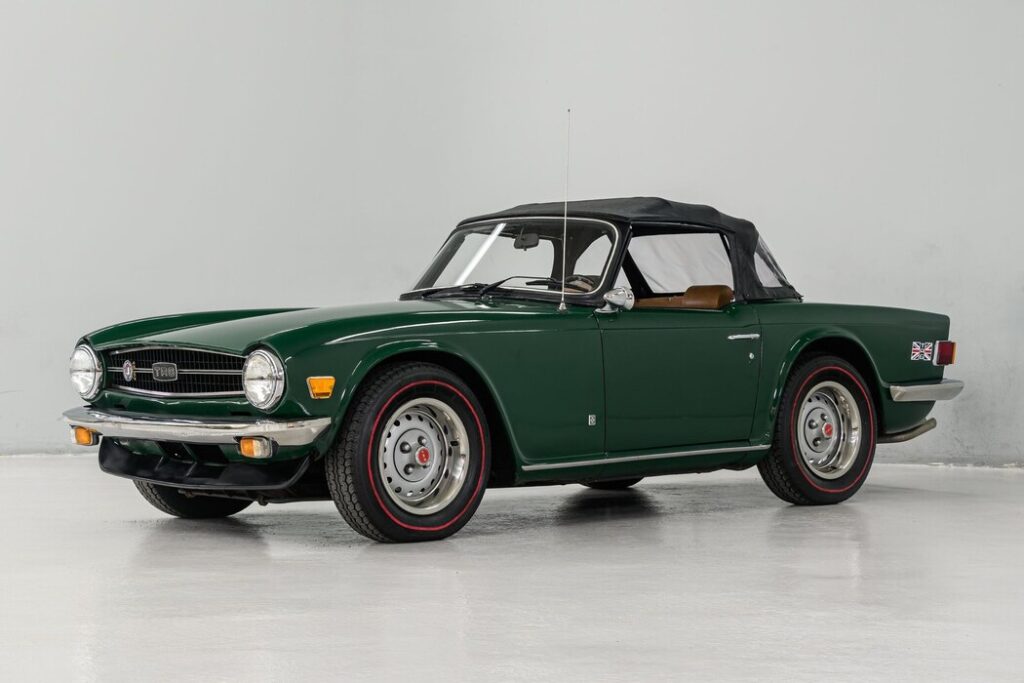
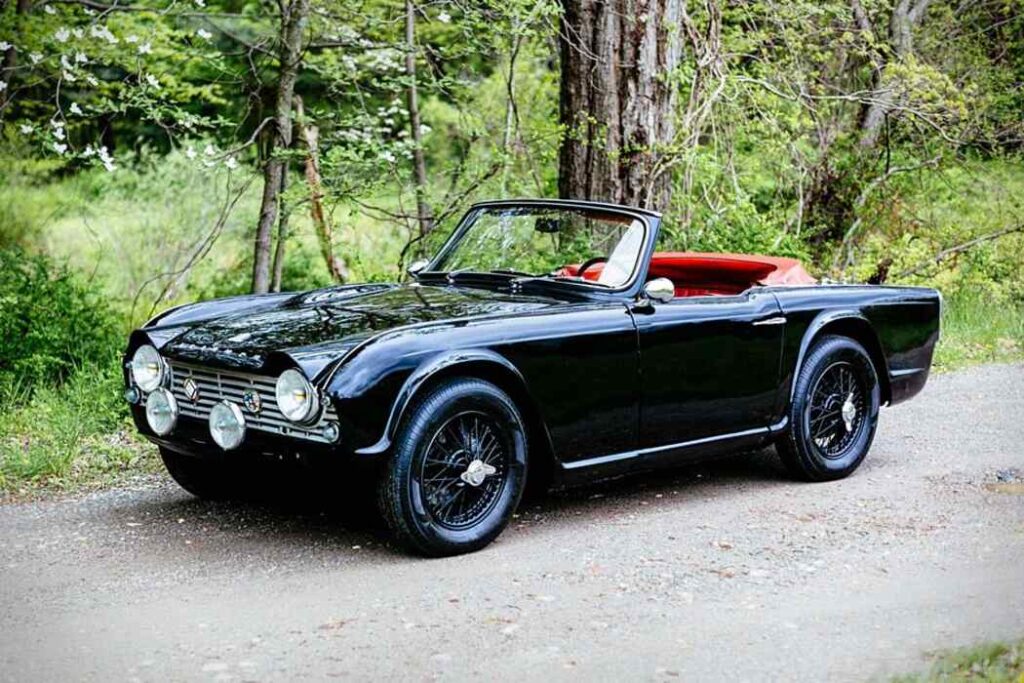
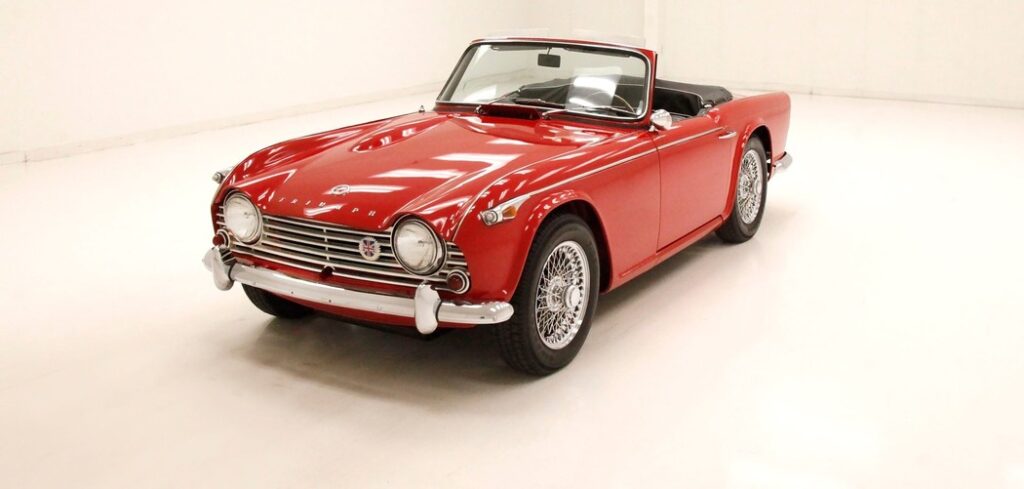


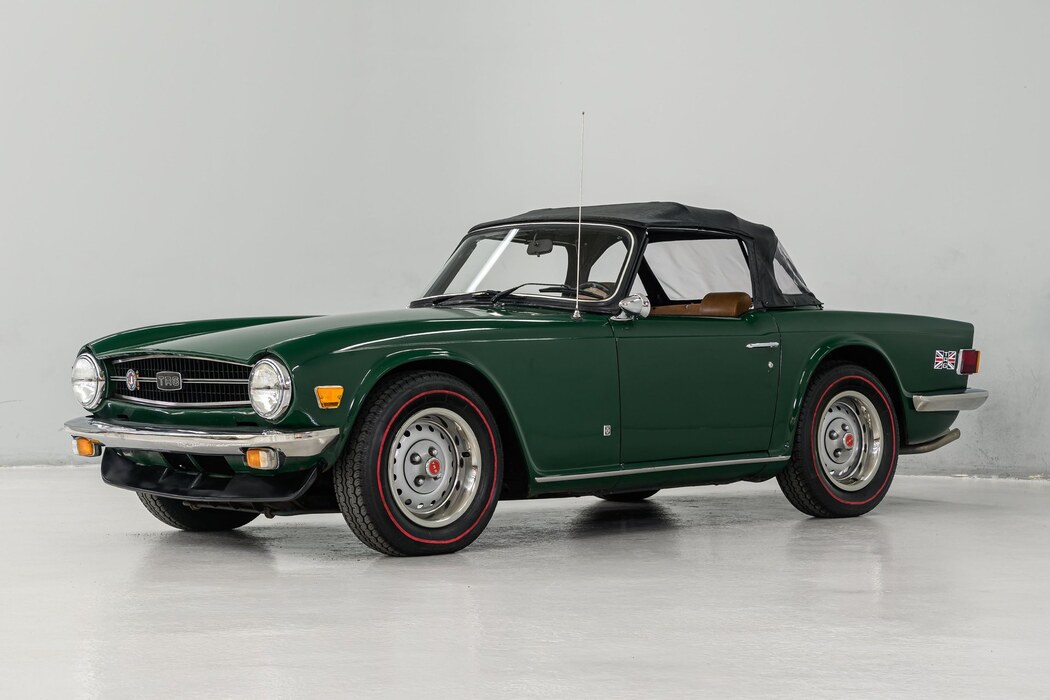

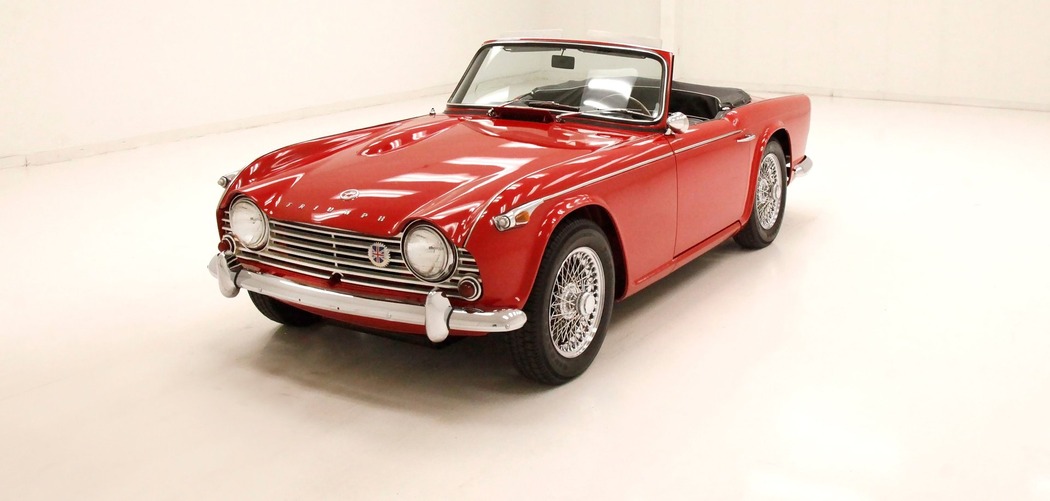

Image: Triumph
Triumph wasn’t just a car brand—it was an attitude. Born in Coventry, England in 1885, Triumph started out crafting bicycles, then motorcycles, before steering into the world of automobiles in the 1920s. What followed was a string of elegant, spirited, and unmistakably British cars that left their mark on roads across Europe and beyond.
By the mid-20th century, Triumph had become the go-to for drivers who craved something fun, lightweight, and full of charm. Models like the Triumph Roadster and the beloved Spitfire were stylish, affordable, and oozed personality. And when the TR series hit the market, it gave sports car fans a reason to smile with its raw performance and open-top thrill.
But like many icons, Triumph’s story had a turning point. Quality issues crept in, the market shifted, and the brand couldn’t keep pace with rising competition—especially from Japan. It was eventually absorbed into British Leyland, and in 1984, Triumph quietly disappeared from showrooms.
Yet, for many, Triumph never really died. Its legacy lives on at classic car shows, in enthusiast clubs, and in every rev of a vintage TR6. It was never about just getting from A to B—Triumph was about loving the drive in between.
Highlights:
- Founded: 1885
- Popular Models: Triumph Roadster, Triumph Spitfire, Triumph TR6
- Defunct: 1984
- Why It Disappeared: Declining quality, rising competition, absorbed by British Leyland
8. Pontiac (1926-2009)

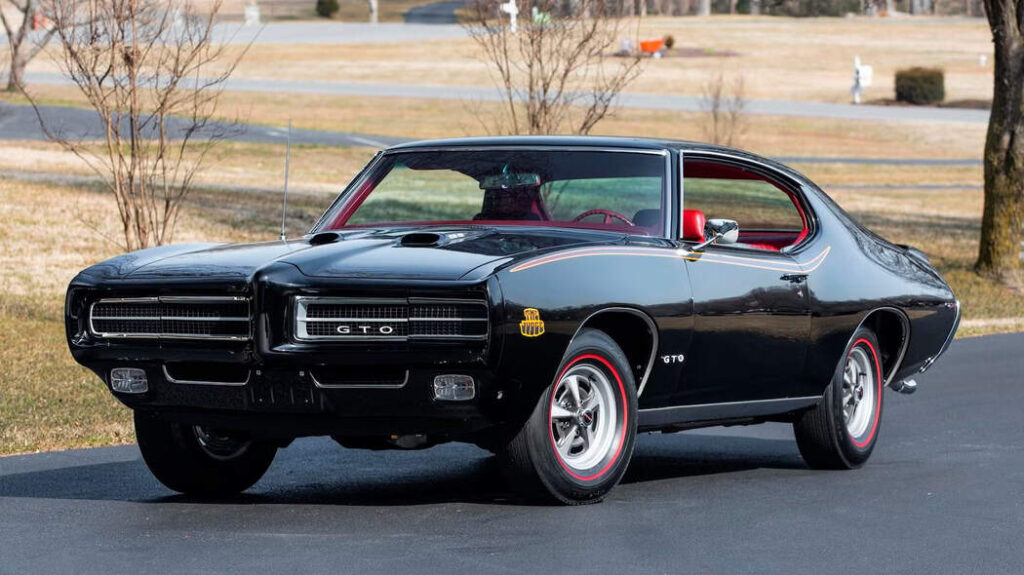
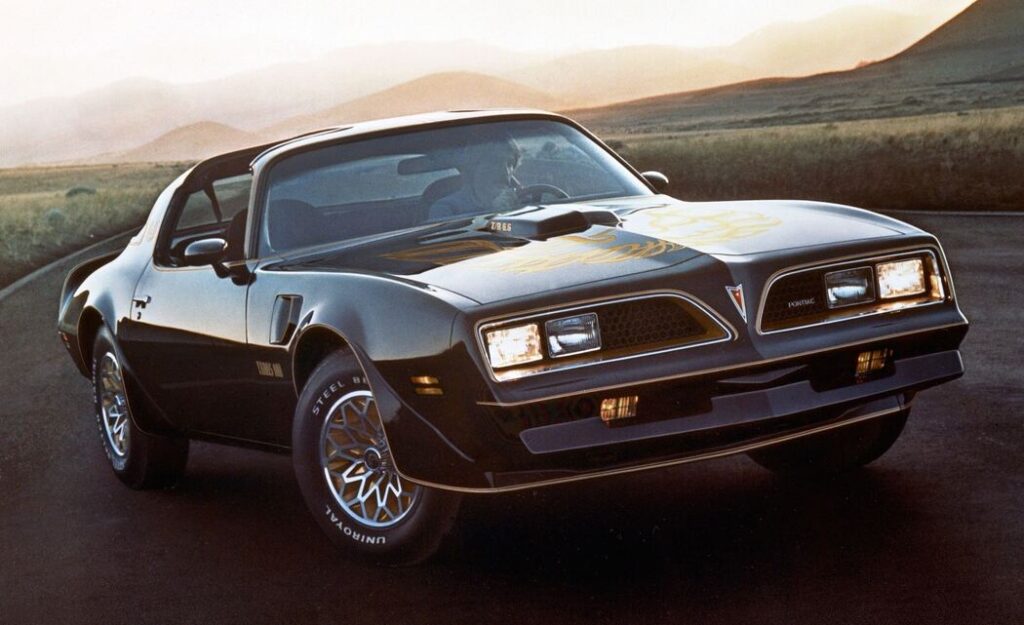
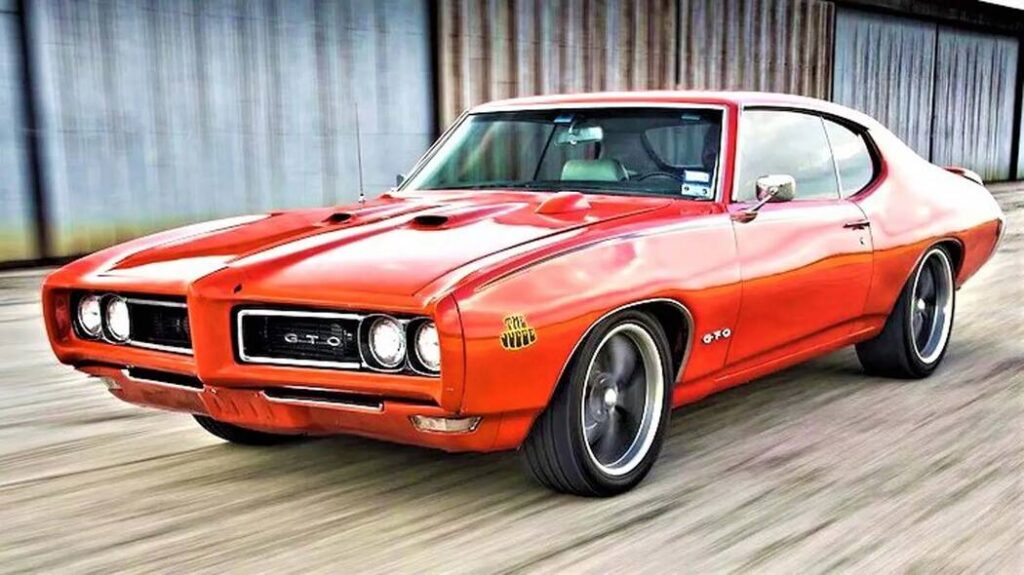
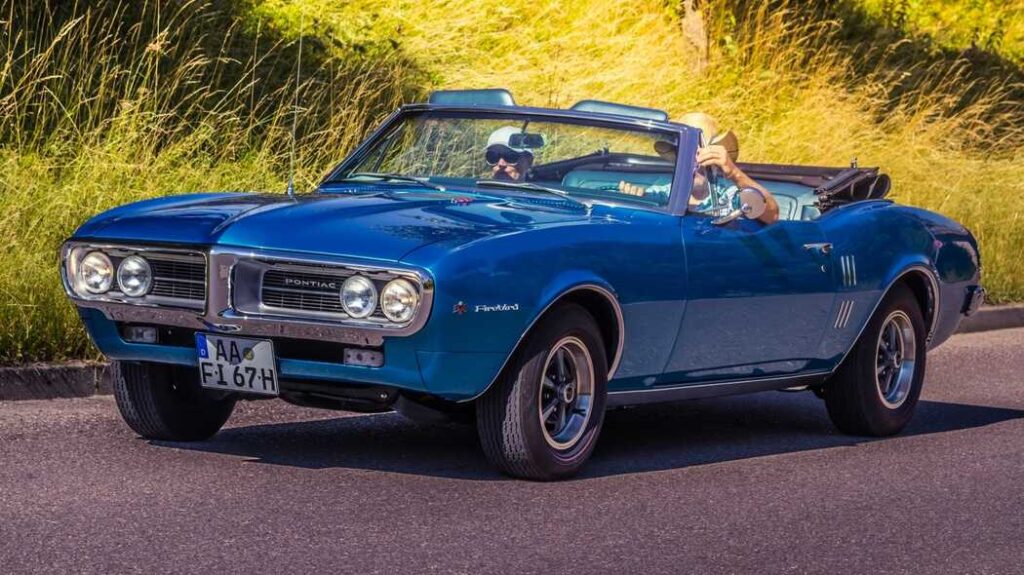
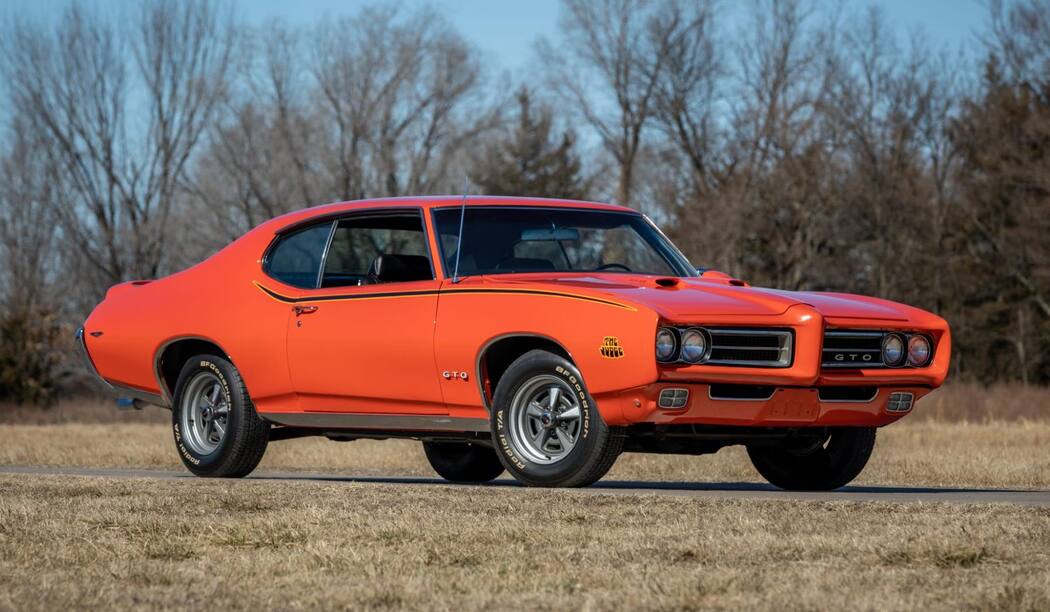
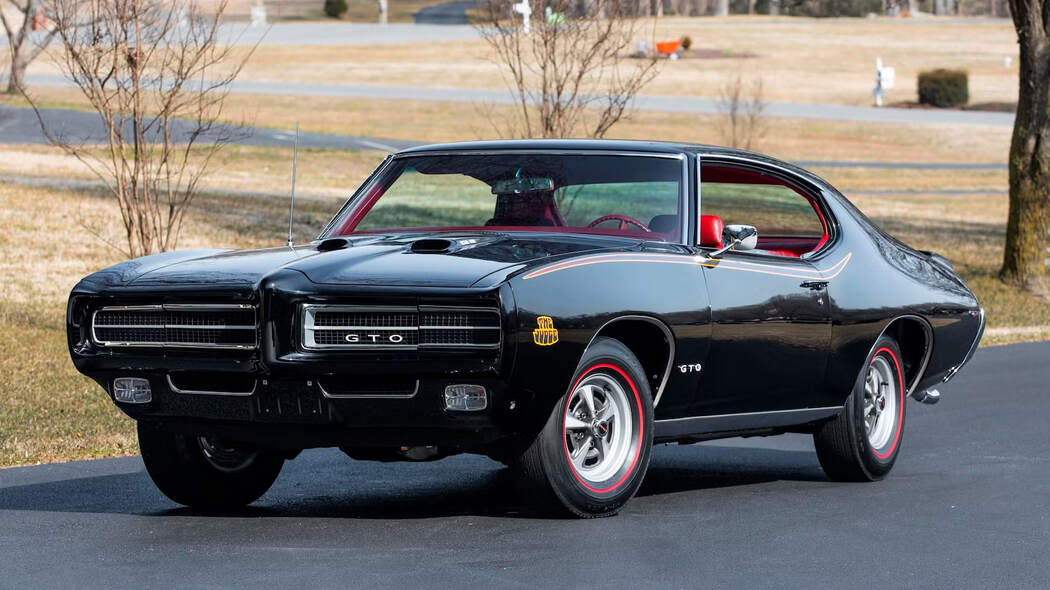


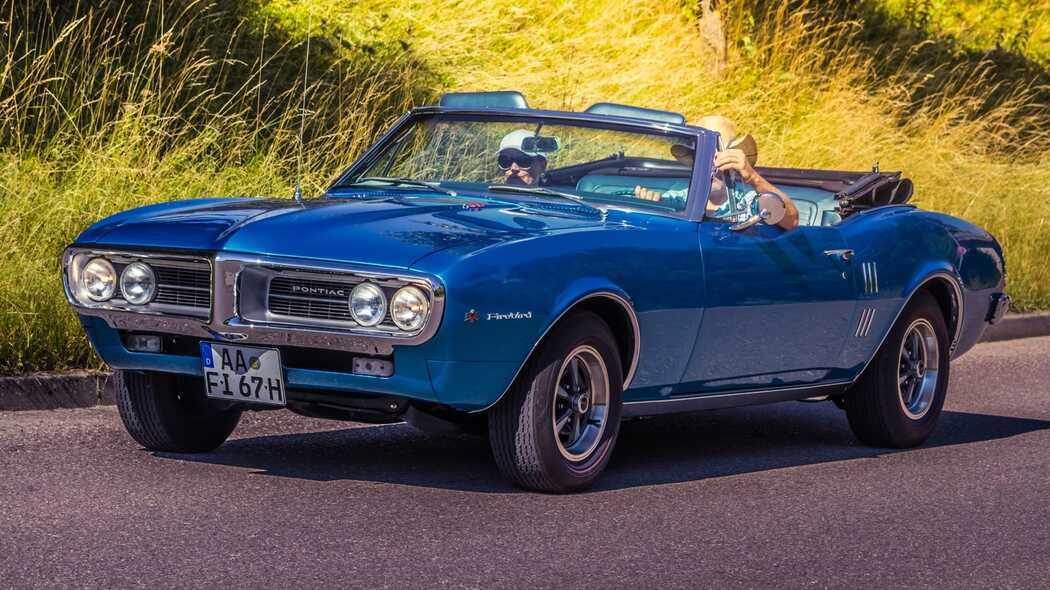
Image: Pontiac
Pontiac was never meant to blend in—it was built to stand out. Launched in 1926 under the General Motors umbrella, this all-American brand quickly gained a reputation for offering bold design, accessible performance, and a rebellious streak that made it a favorite on the streets and the track.
Things really took off in the ‘50s and ‘60s. That’s when Pontiac gave us machines like the Bonneville, the fire-breathing Firebird, and the legendary GTO—a car many still call the godfather of muscle. These weren’t just cars; they were statements. With stacked headlights, hood scoops, and growling V8s, Pontiacs owned the fast lane and didn’t care who they passed on the way.
But by the 2000s, the magic started to fade. GM’s lineup grew crowded, consumer tastes shifted, and Pontiac began losing its identity. The final blow came during the 2008 financial crisis, when General Motors filed for bankruptcy and chose to shut down Pontiac in 2009 as part of its restructuring.
Still, Pontiac’s soul never left. You’ll see it every time a classic GTO rumbles by, or when someone fires up a Trans Am at a car meet. It wasn’t just a badge—it was a feeling.
Highlights:
- Founded: 1926
- Popular Models: Pontiac GTO, Firebird, Bonneville
- Defunct: 2009
- Reasons for Defunct: Declining Sales; GM Bankruptcy & Restructuring
7. AMC (1954-1987)
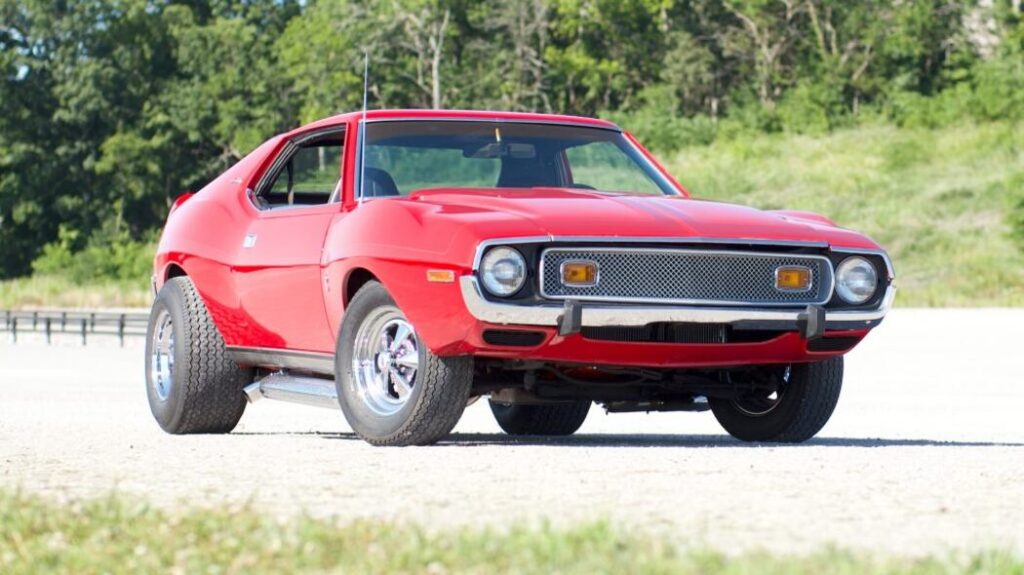
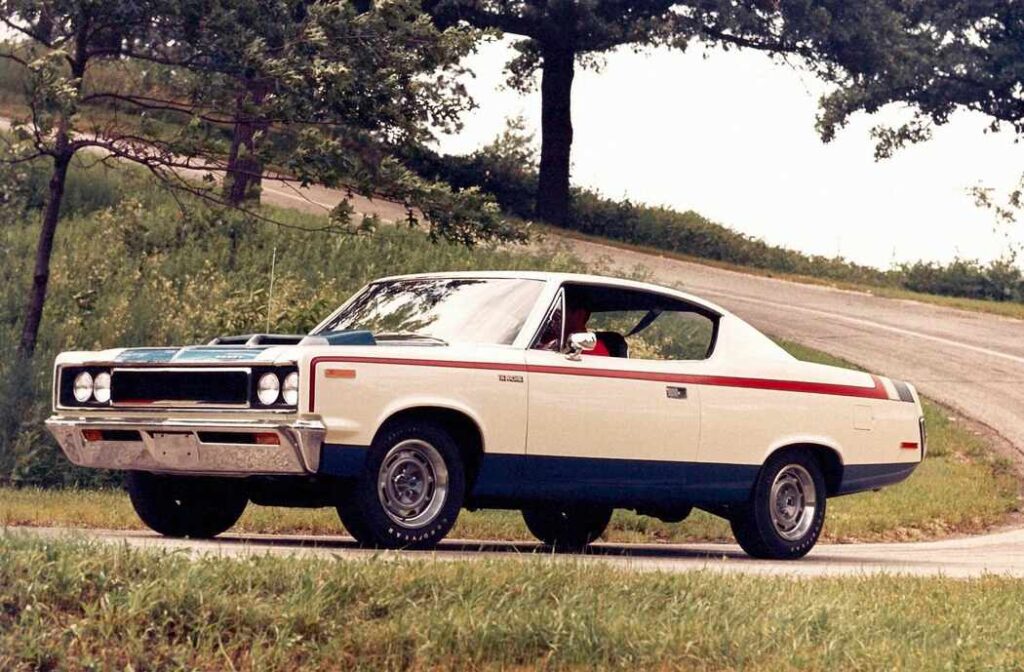


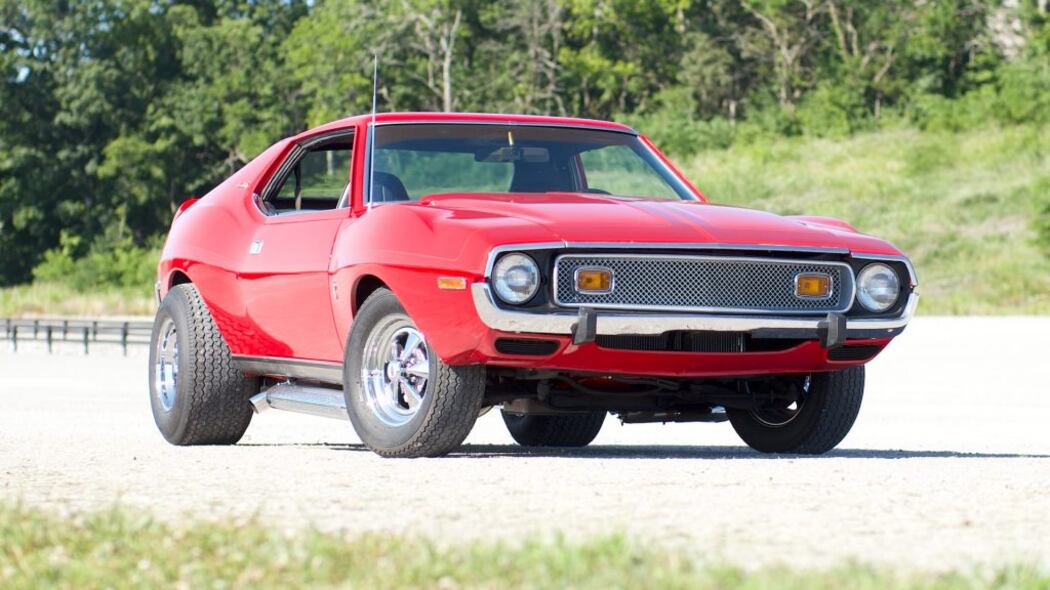
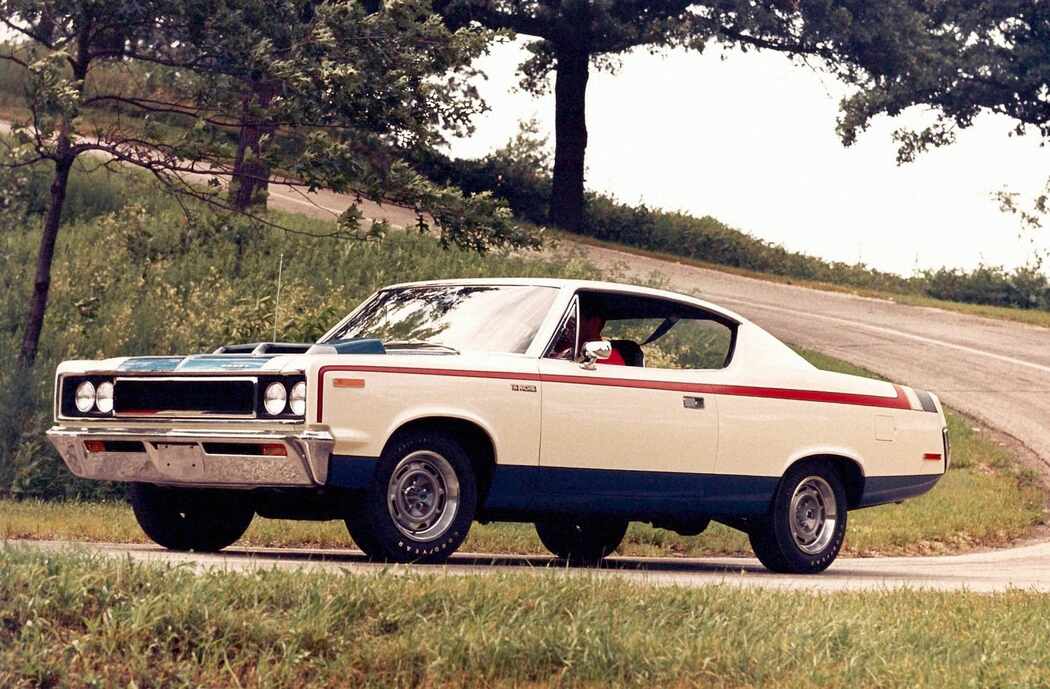
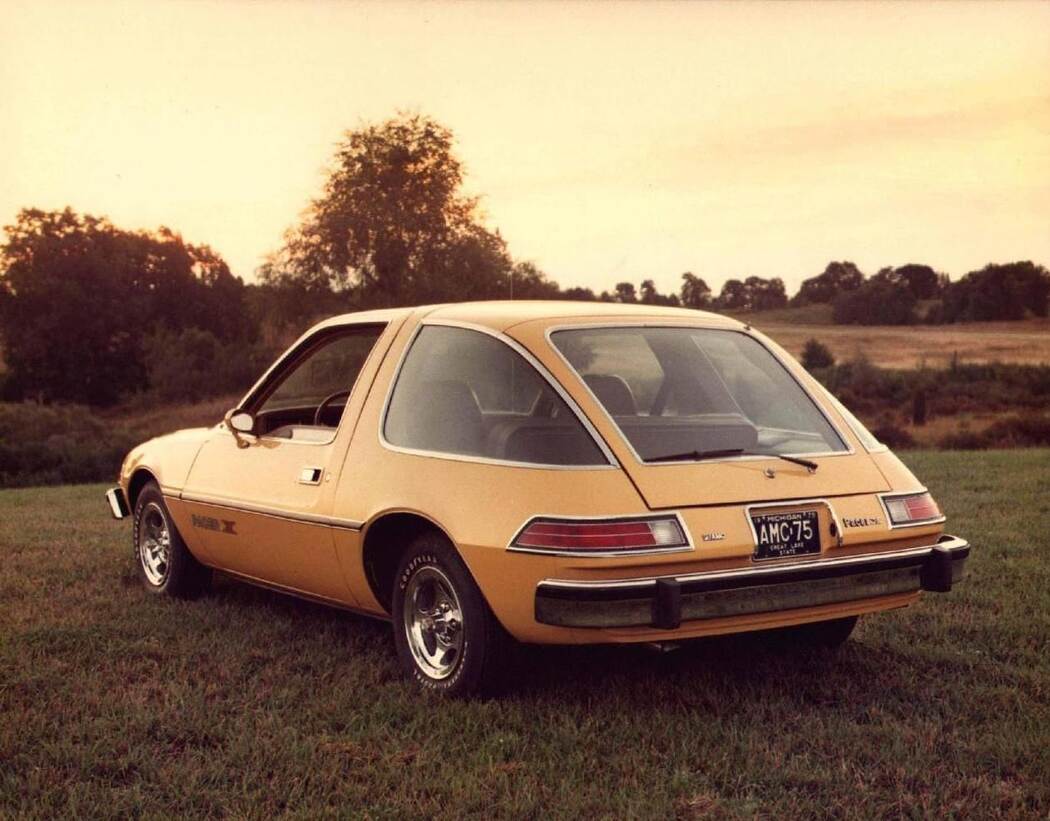
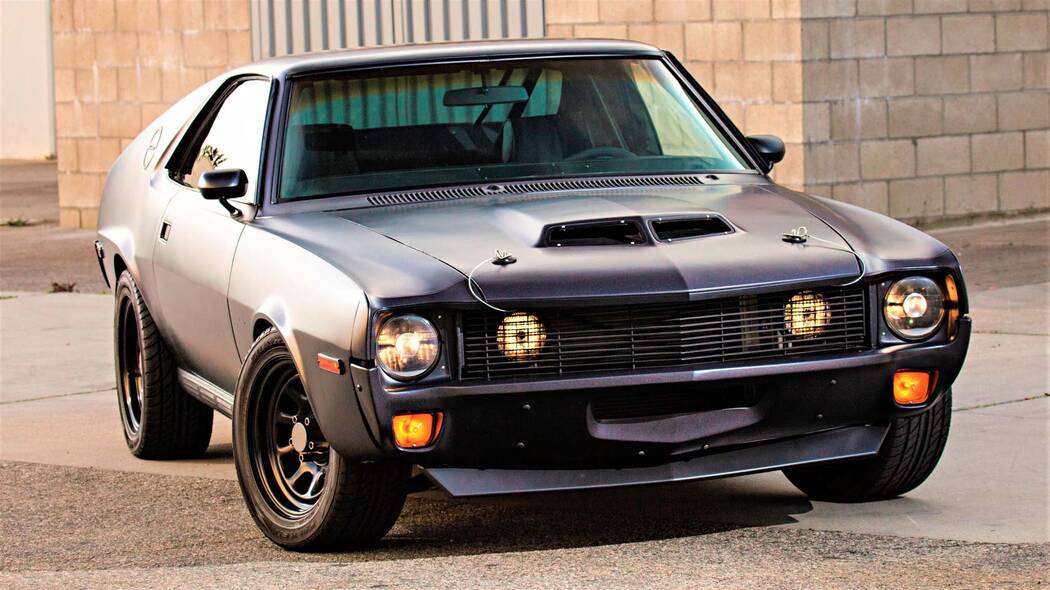

Image: AMC
AMC wasn’t the biggest name in the game, but it was definitely one of the boldest. Born in 1954 from the merger of Nash-Kelvinator and Hudson, American Motors Corporation set out to carve its own lane in a market dominated by the Big Three. And it did—by thinking differently.
AMC was scrappy, resourceful, and unafraid to experiment. It gave us the compact Rambler before small cars were cool, the muscle-bound Javelin, and quirky legends like the Gremlin and Pacer—vehicles that still spark debates at car shows. The brand dared to be weird, and sometimes, it worked beautifully.
Throughout the ‘60s and ‘70s, AMC thrived on innovation and niche appeal. But as the automotive world got tougher, AMC started to struggle. Larger competitors had deeper pockets, and despite memorable attempts (like reviving performance through the AMX), the pressure mounted. By 1987, after a partnership and eventual buyout by Chrysler, AMC was officially shut down.
Yet, AMC’s fingerprints are still on the industry—from its early push into compacts to its legacy in off-road culture (hello, Jeep). It may be gone, but it’s far from forgotten.
Highlights:
- Founded: 1954
- Popular Models: AMC Rambler, AMC Javelin, AMC Gremlin
- Defunct: 1987
- Reasons for Defunct: Financial Troubles; Market Competition; Chrysler Acquisition
6. Ascari (1995-2010)

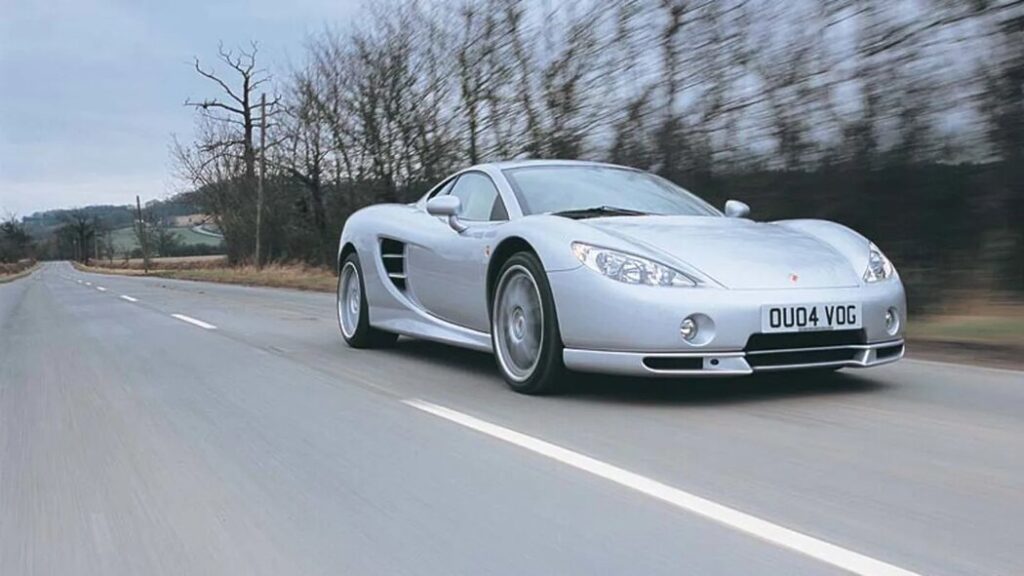
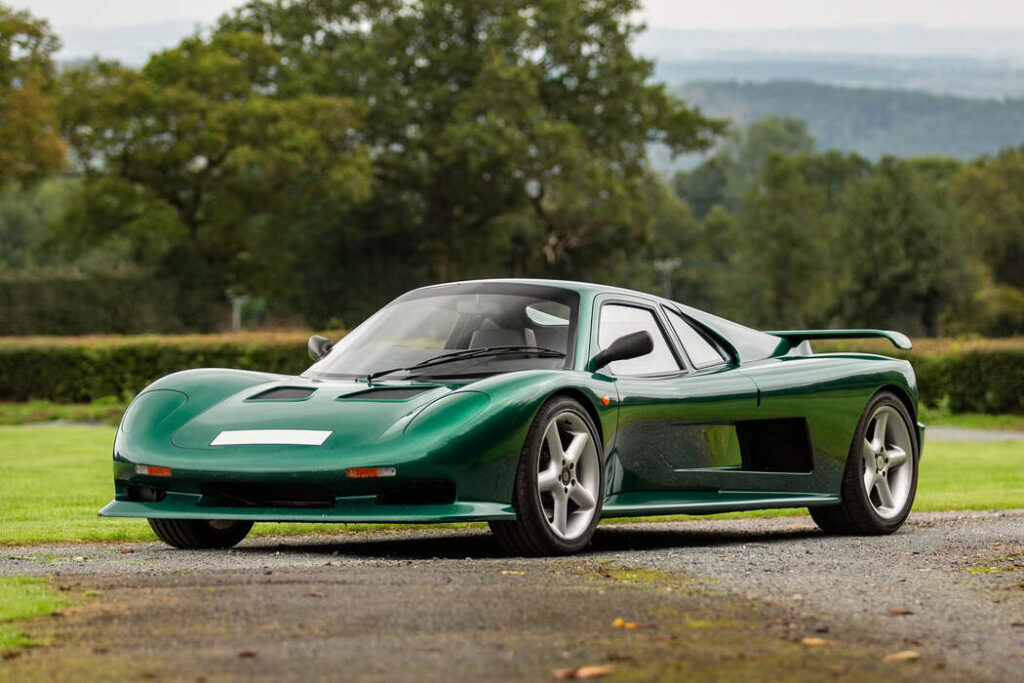

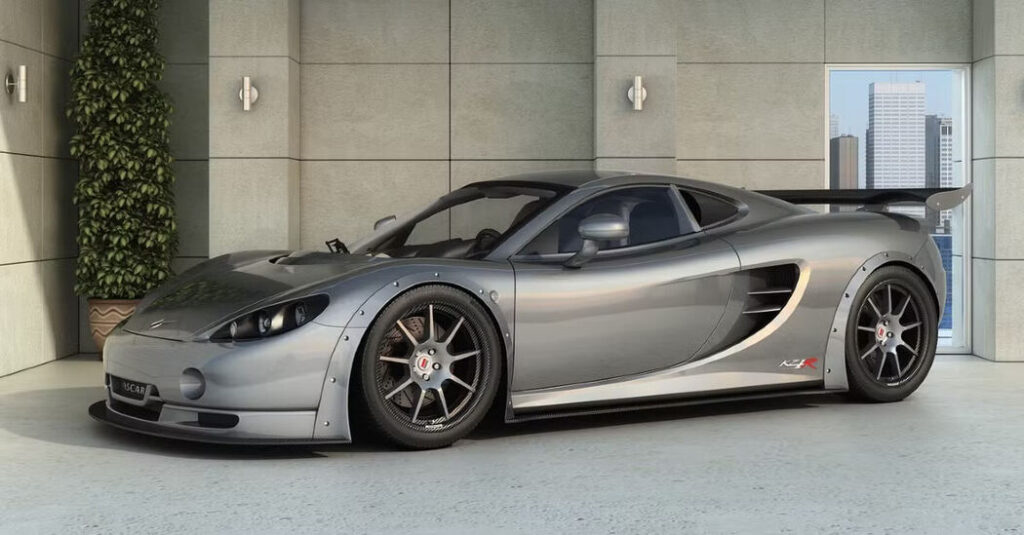
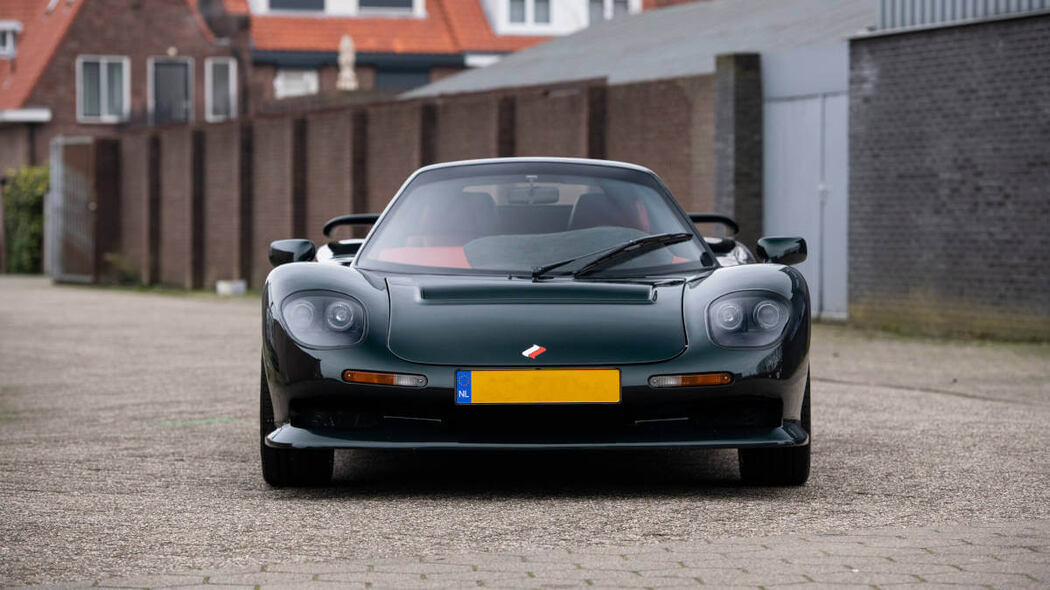


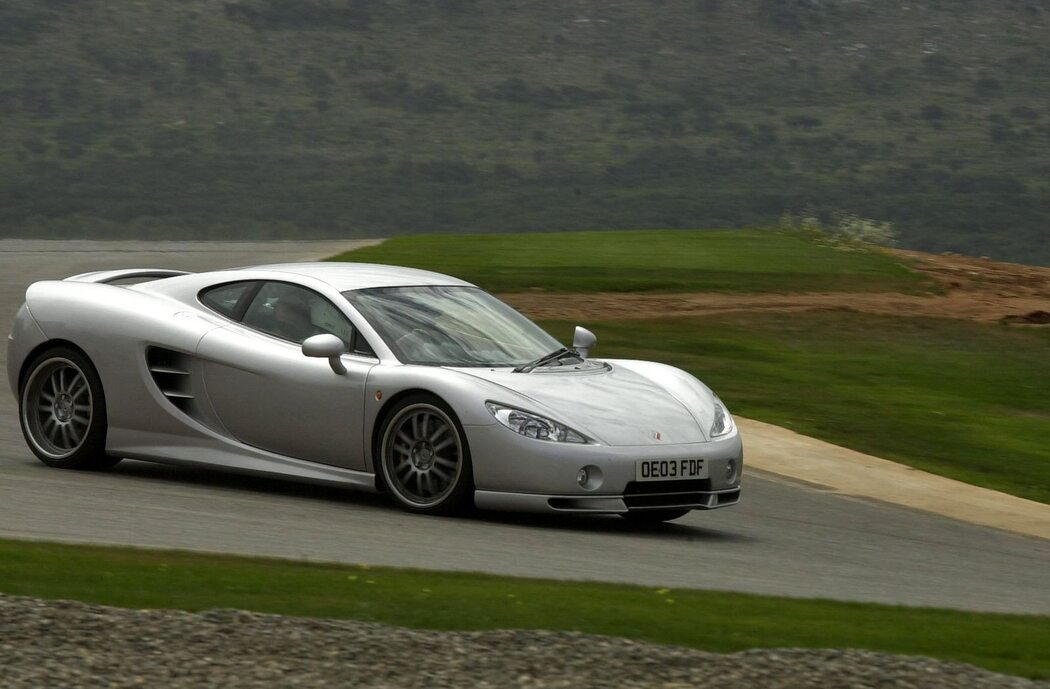
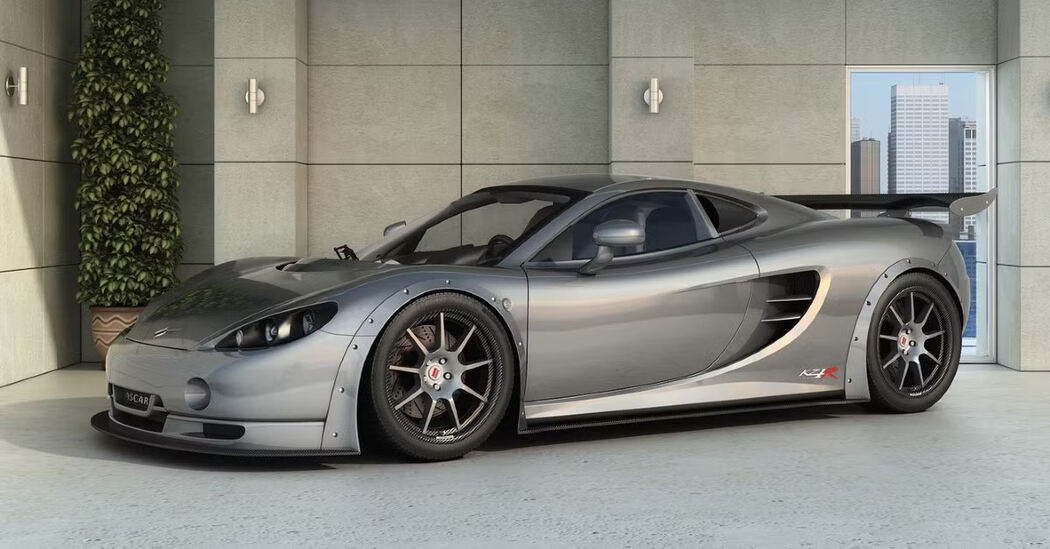
Image: Ascari
Ascari was never about selling thousands—it was about building the few that turned heads and raised pulses. Founded in 1995 by Dutch-born British entrepreneur Klaas Zwart, Ascari wasn’t trying to chase Ferrari or Lamborghini in name—but in spirit, it absolutely did.
Named after the legendary Italian driver Alberto Ascari, the brand oozed motorsport DNA from day one. Its debut, the Ascari FGT (later known as the Ascari Ecosse), was a V8-powered statement. But it was the Ascari KZ1, sleek, fast, and ferociously capable, that truly marked Ascari’s peak. Track-focused yet road-legal, the KZ1 offered exclusivity you couldn’t buy from mainstream supercar makers.
Ascari even built its own racetrack—the Ascari Race Resort in Spain, a playground for wealthy enthusiasts and test ground for its cars.
But great cars don’t always mean great sales. Limited production, high price tags, and niche appeal meant Ascari struggled to stay afloat. By 2010, it quietly disappeared, taking its world-class ambition with it.
Still, for a brief moment, Ascari showed what happens when racing obsession meets supercar dreams.
Highlights:
- Founded: 1995.
- Popular Models: Ascari FGT / Ecosse, Ascari KZ1
- Defunct: 2010
- Reasons for Defunct: Financial Difficulties; Couldn’t Scale to Mass Market
5. DMC (1975-1982)
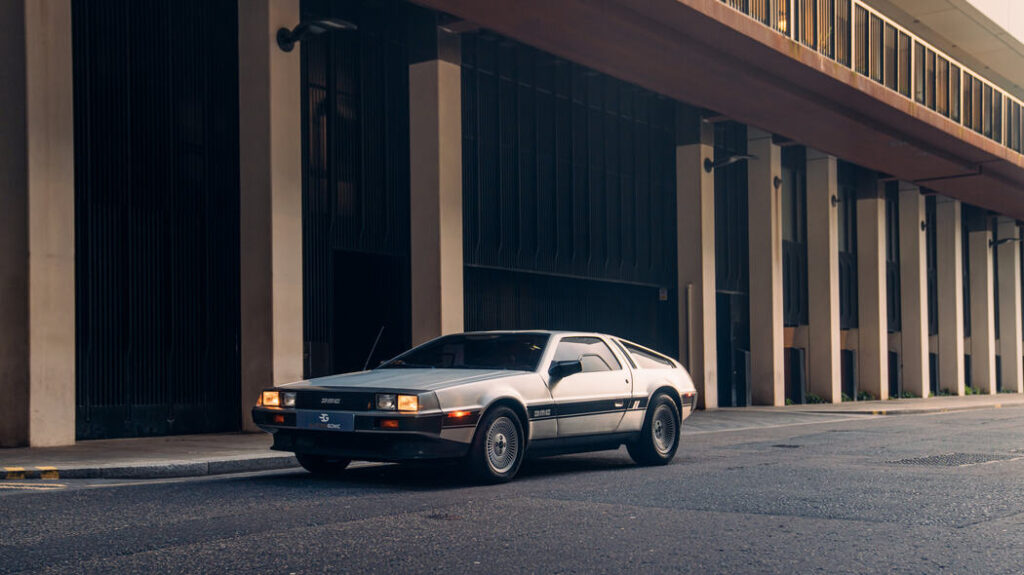

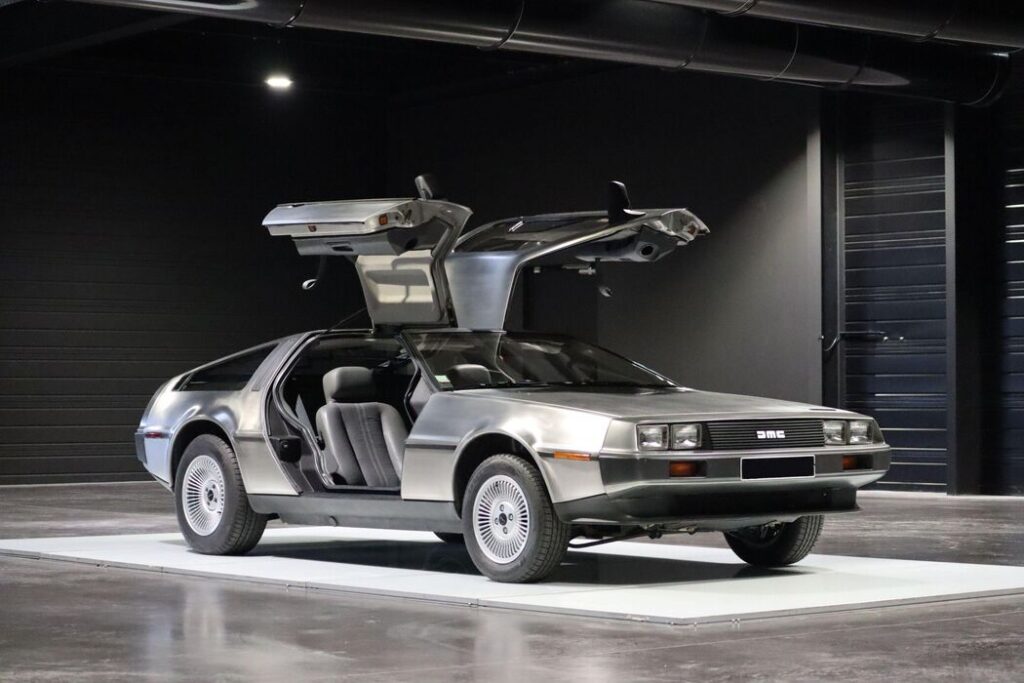
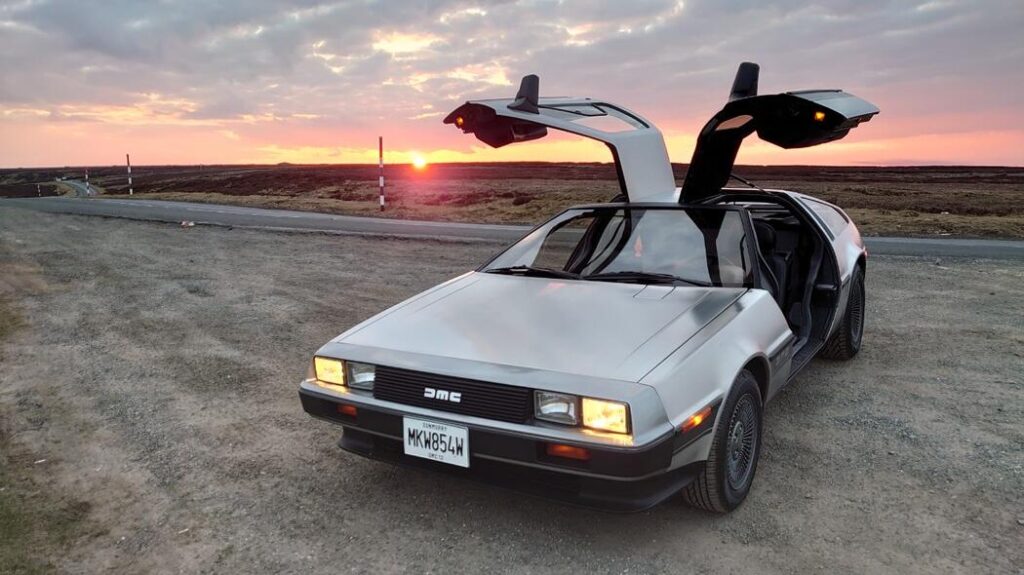
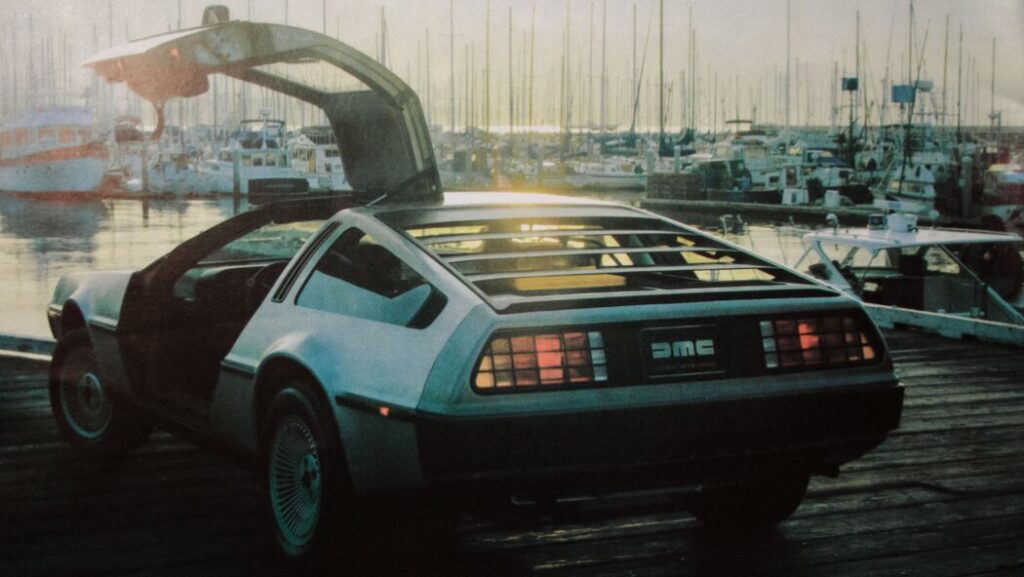
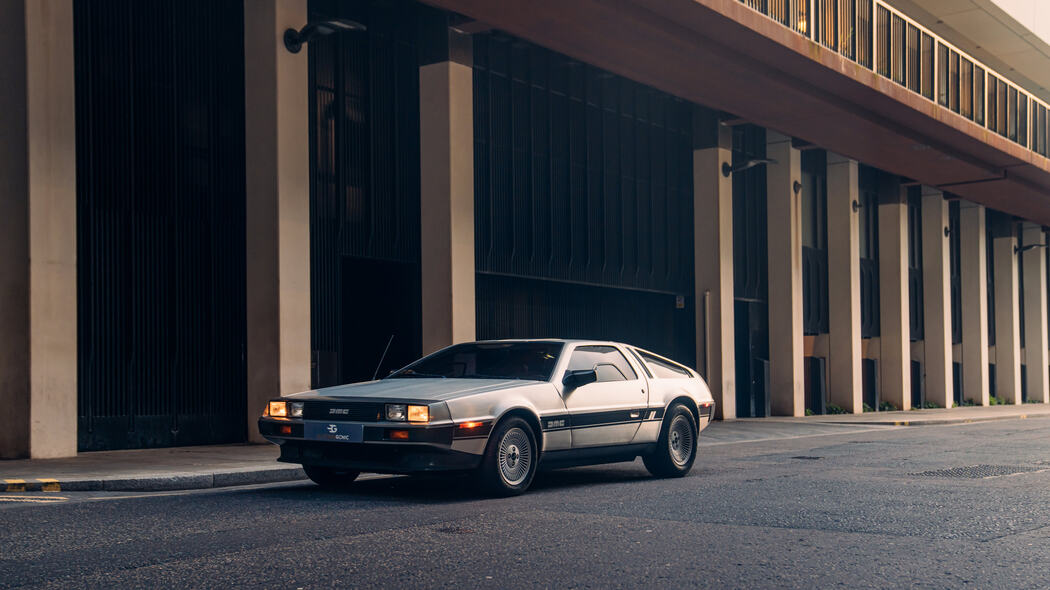

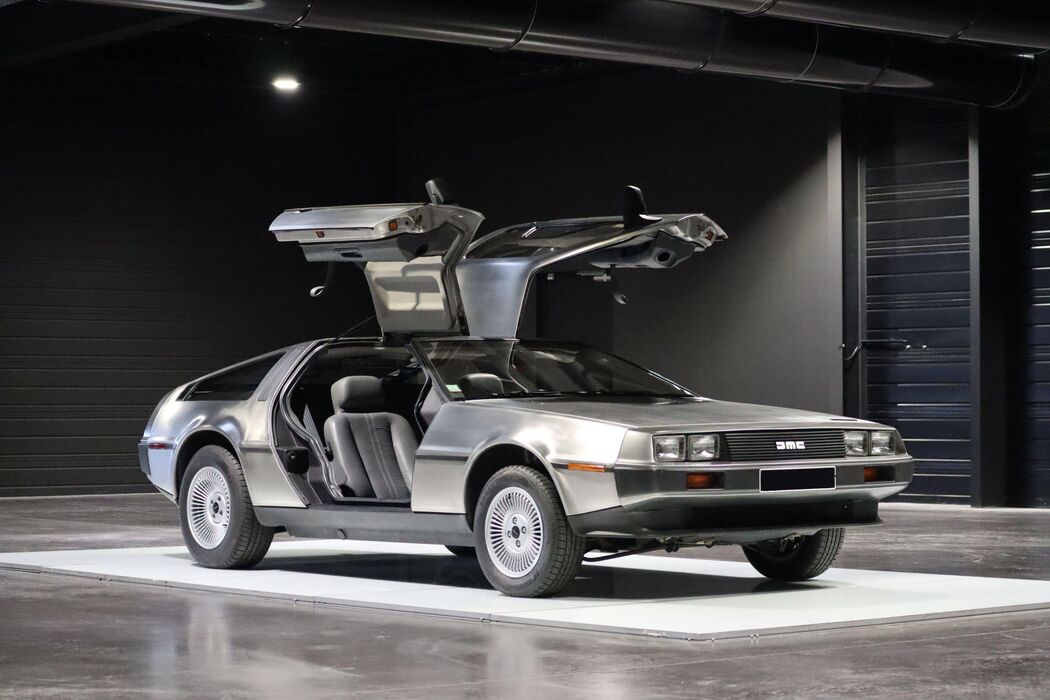
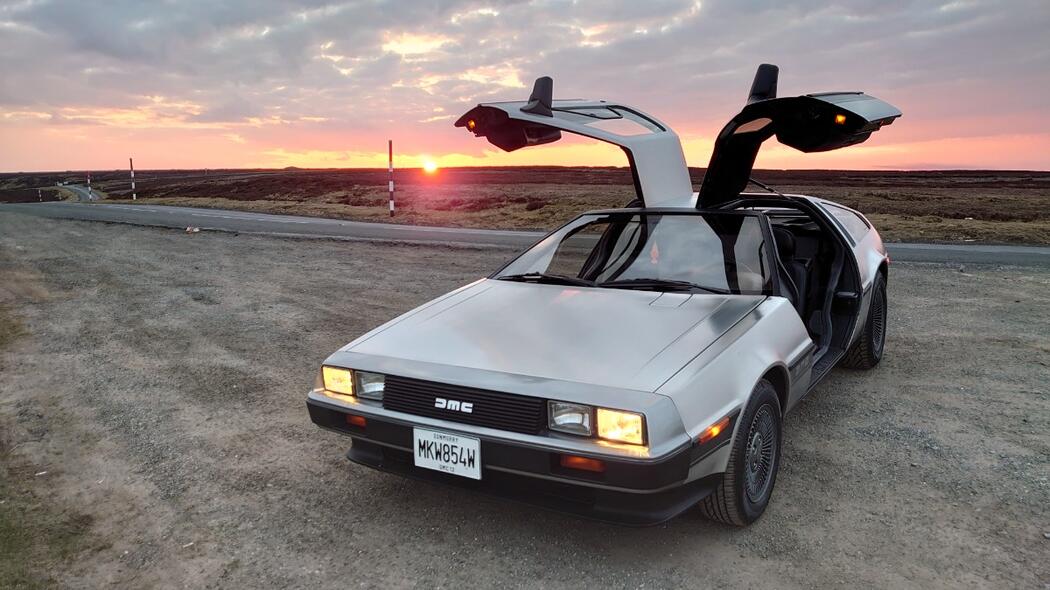
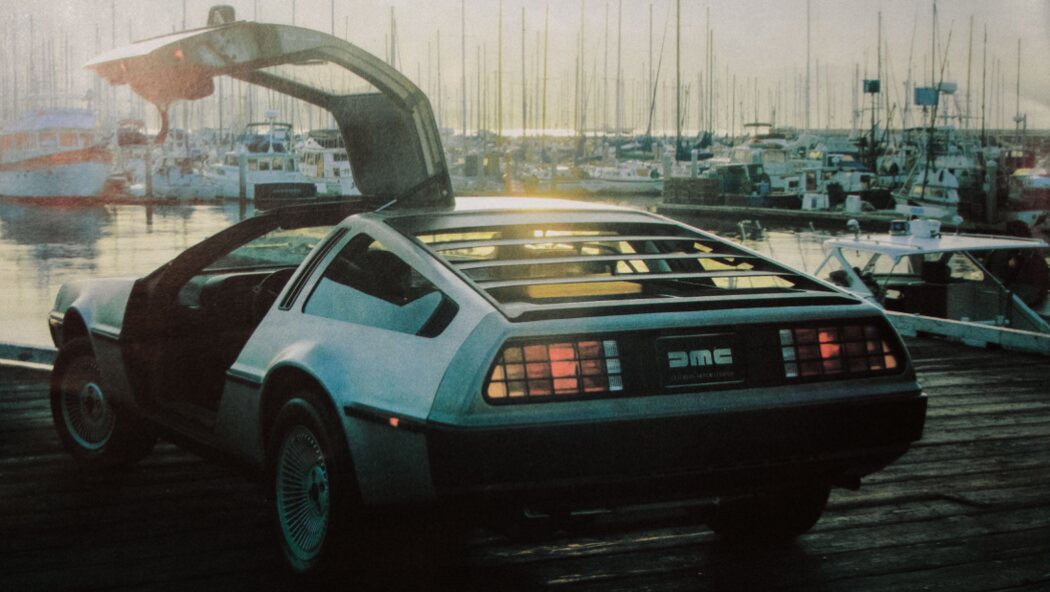
Image: DMC
You don’t have to be a car fanatic to recognize a DeLorean. All it takes is one look at those gull-wing doors and brushed stainless steel body, and suddenly, you’re thinking about time travel and 88 miles per hour. But before Hollywood made it immortal, DMC—DeLorean Motor Company—was a bold automotive gamble led by former GM executive John DeLorean.
Founded in 1975, the company set out to do something radically different. The DMC-12 looked like a spaceship, promised cutting-edge innovation, and was supposed to break the mold of cookie-cutter car design. But ambition ran faster than execution. The car’s underwhelming performance, combined with production delays, quality control issues, and sky-high costs, turned dreams into debt.
Things got worse when DeLorean himself was caught up in a high-profile drug sting—though he was later acquitted, the damage was already done. DMC officially went bankrupt in 1982 after producing just about 9,000 cars.
Still, that’s not the end of the story. Thanks to the Back to the Future films, the DeLorean lives on as one of the most recognizable cars ever made. It’s a cult classic—flawed, fascinating, and unforgettable.
Highlights:
- Founded: 1975
- Popular Model: DeLorean DMC-12
- Defunct: 1985
- Reasons for Defunct: Financial Troubles; Quality Issues; Scandal Fallout
4. Autobianchi (1955-1989)
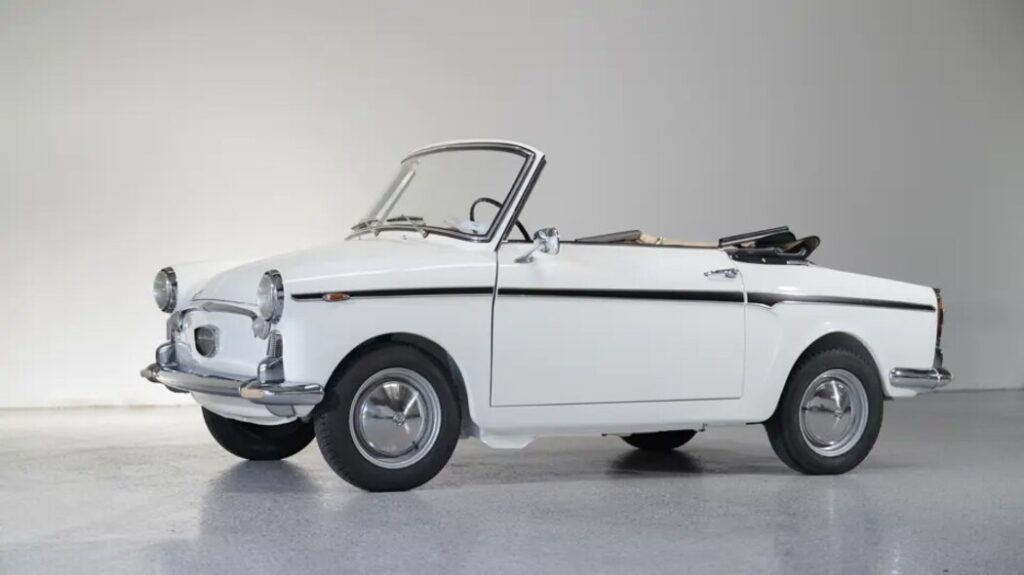

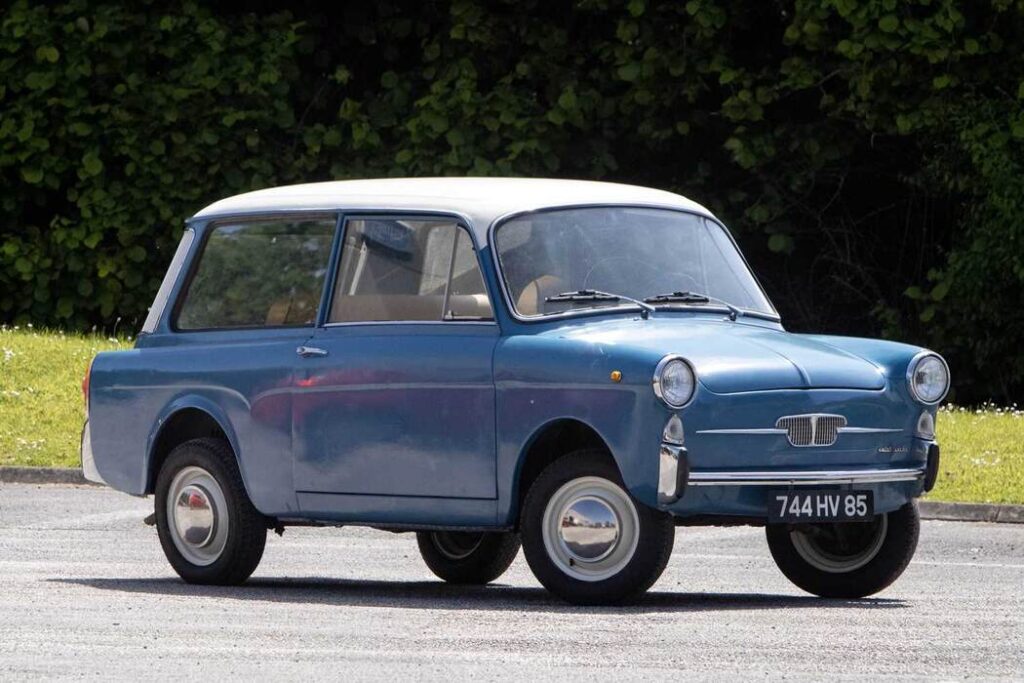
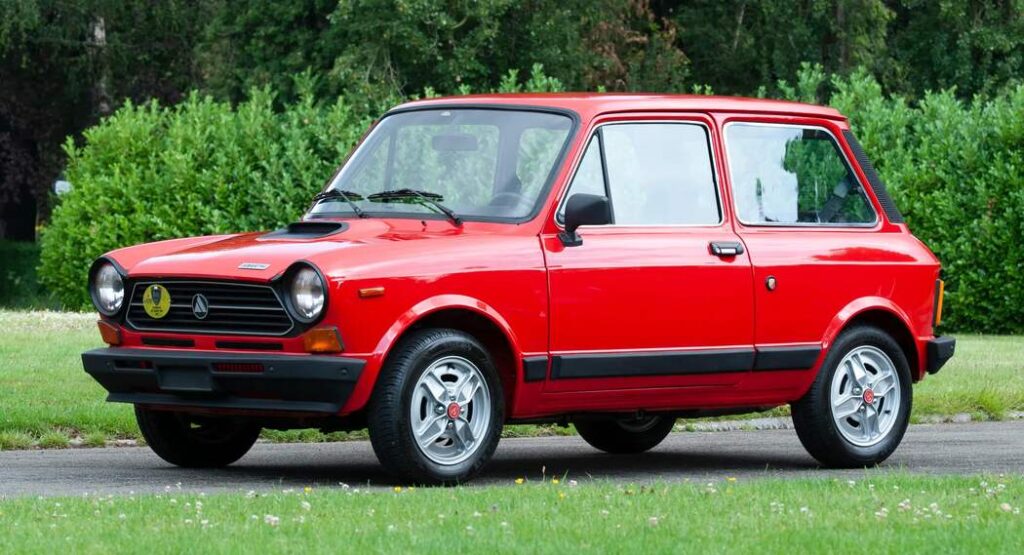
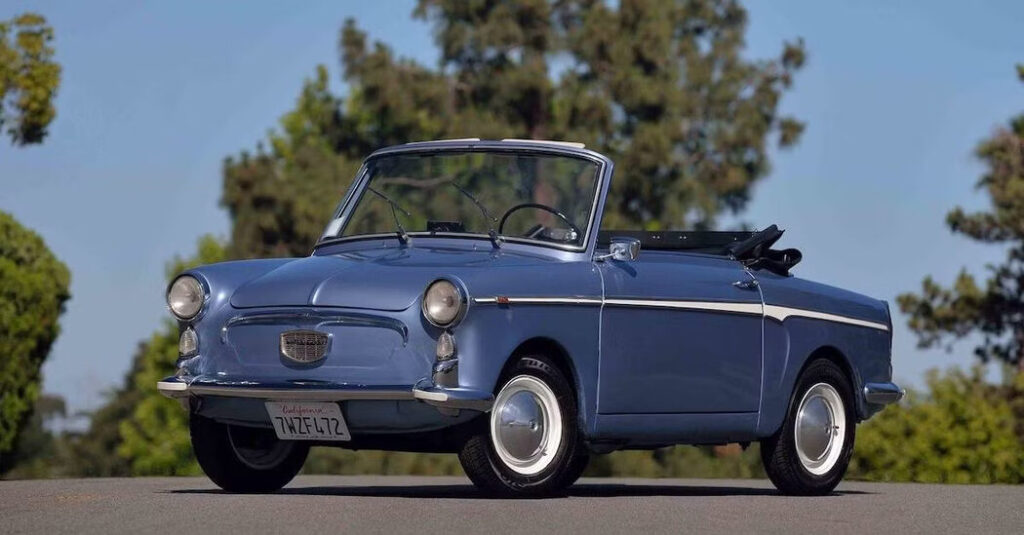
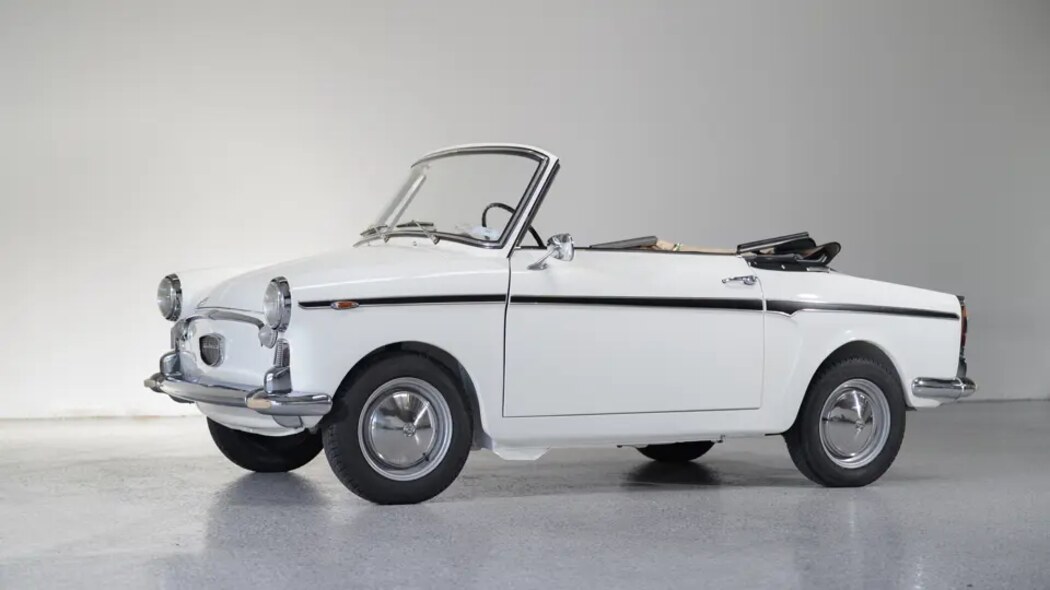
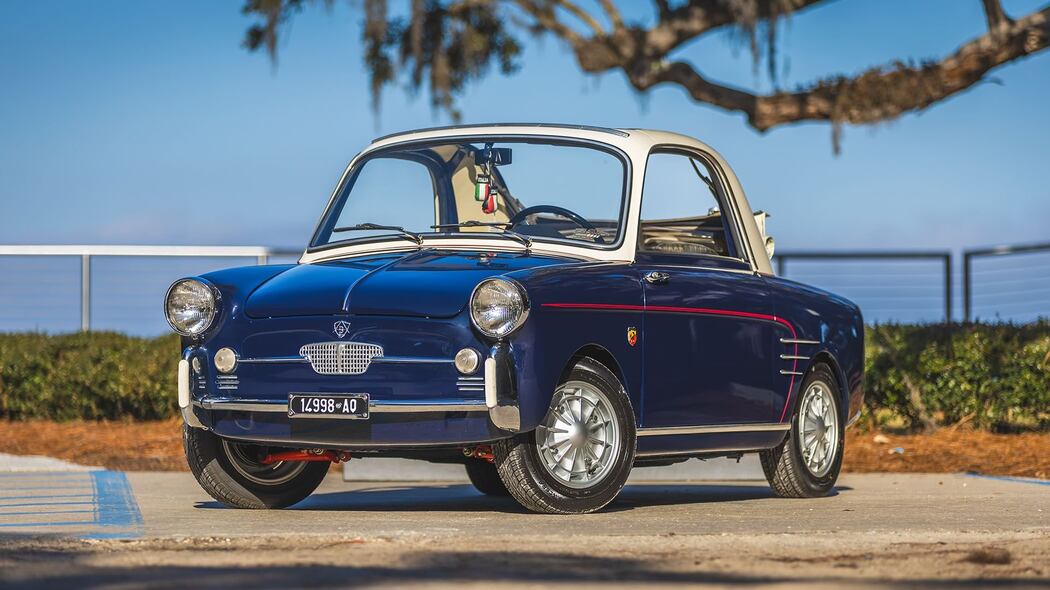

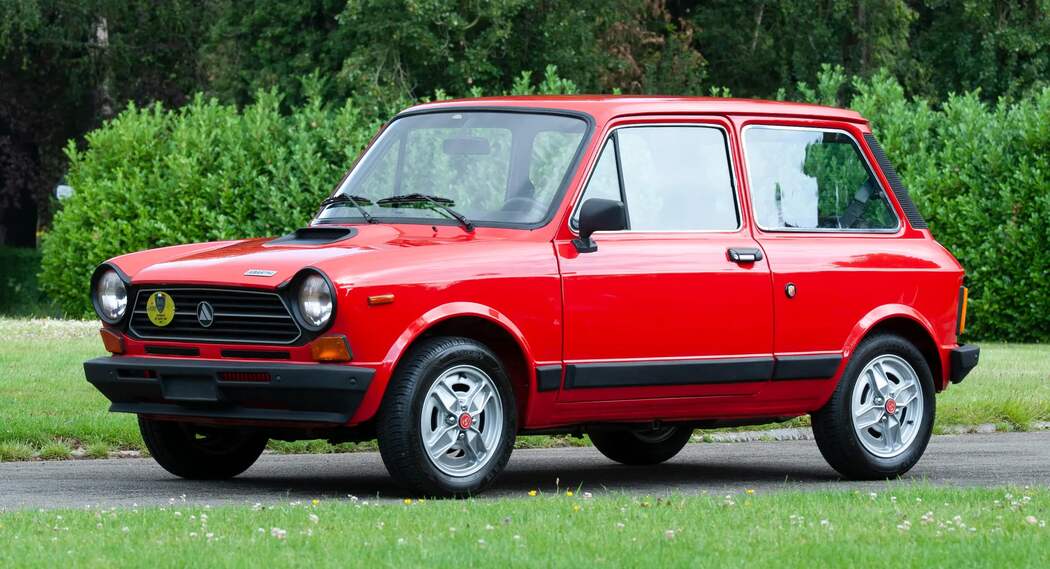

Image: Autobianchi
Autobianchi was never a big name, but it was always a stylish one. Born in 1955 from a three-way partnership between Fiat, Bianchi, and Pirelli, the brand was Italy’s answer to affordable elegance—small cars with personality. Autobianchi wasn’t trying to change the world; it was simply trying to make it a bit more charming to drive through.
One of its most lovable creations was the Autobianchi Bianchina, a tiny but classy ride that became a symbol of post-war Italy’s economic optimism. Cute, functional, and oddly fashionable, it captured the hearts of urban drivers who wanted more flair than Fiat could offer on its own.
Then came the Autobianchi A112, a feisty little hatch that gained popularity in the ‘70s among young drivers and small-car enthusiasts. It had just the right mix of city smarts and playful character. But as Fiat started tightening its operations and trimming down its brand portfolio, Autobianchi got pulled deeper into the corporate fold.
By 1989, Fiat officially shut the doors on Autobianchi—but the cars? Still cherished by collectors who know how to spot Italian soul packed into a tiny frame.
Highlights:
- Founded: 1955
- Popular Model: Autobianchi Bianchina; Autobianchi A112
- Defunct: 1989
- Reasons for Defunct: Streamlining within Fiat Group; Brand Absorption
3. Plymouth (1928-2001)

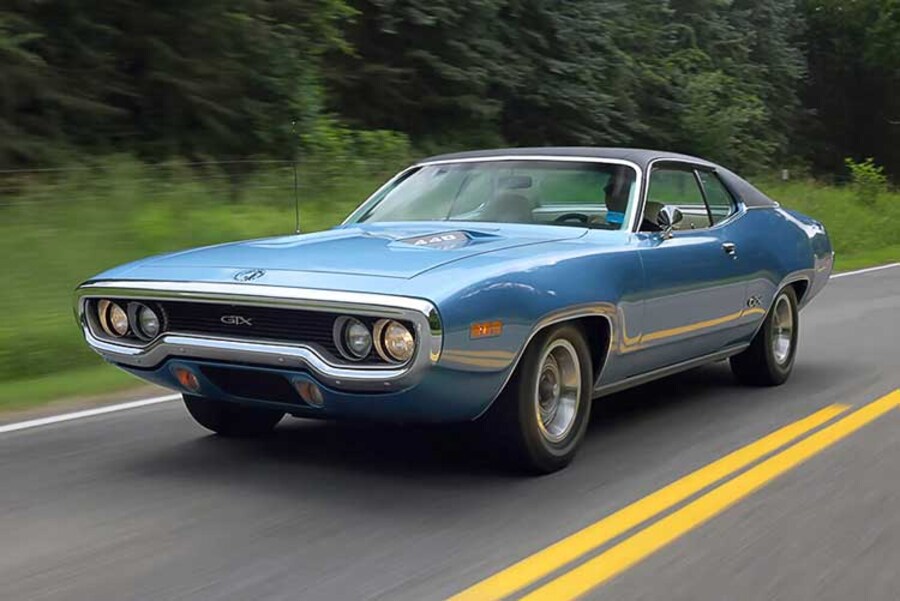
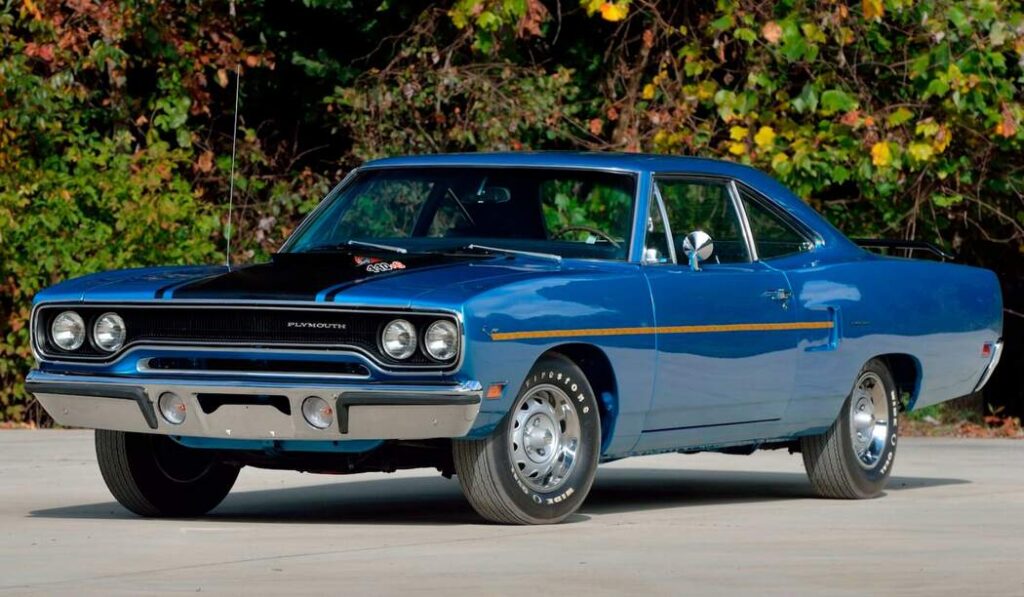


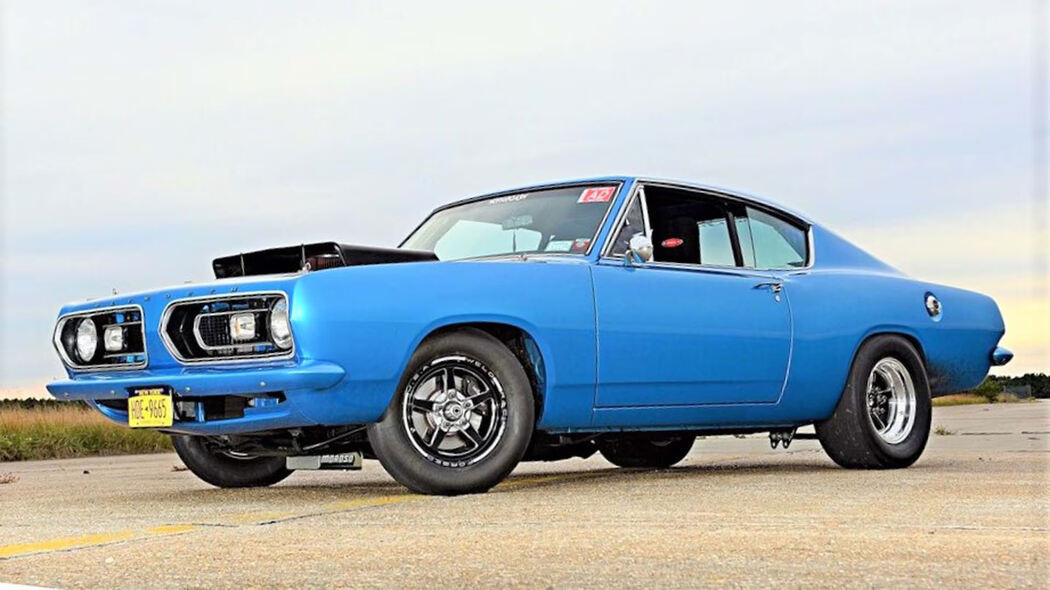
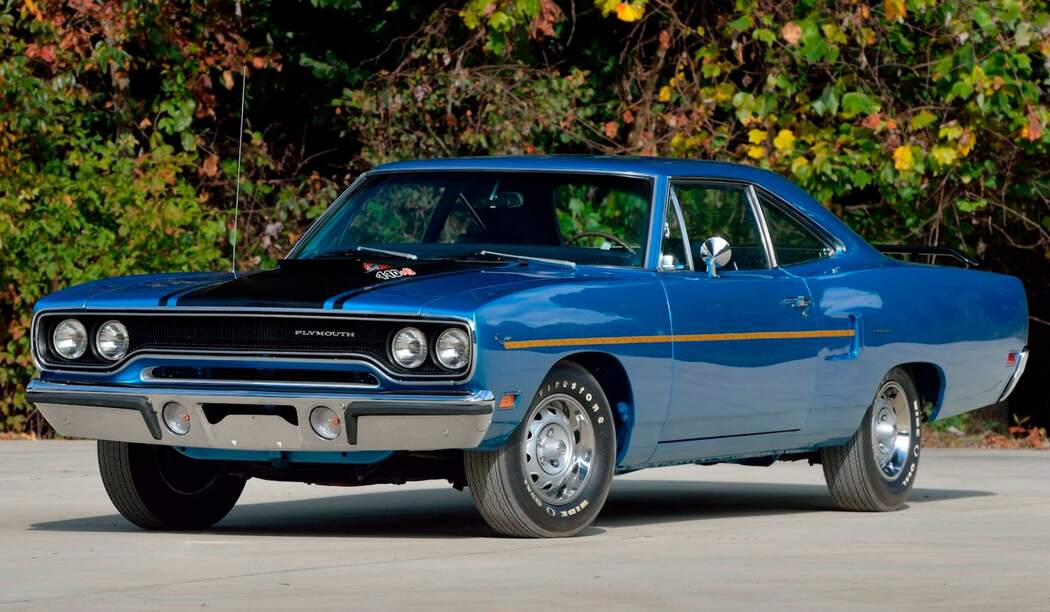
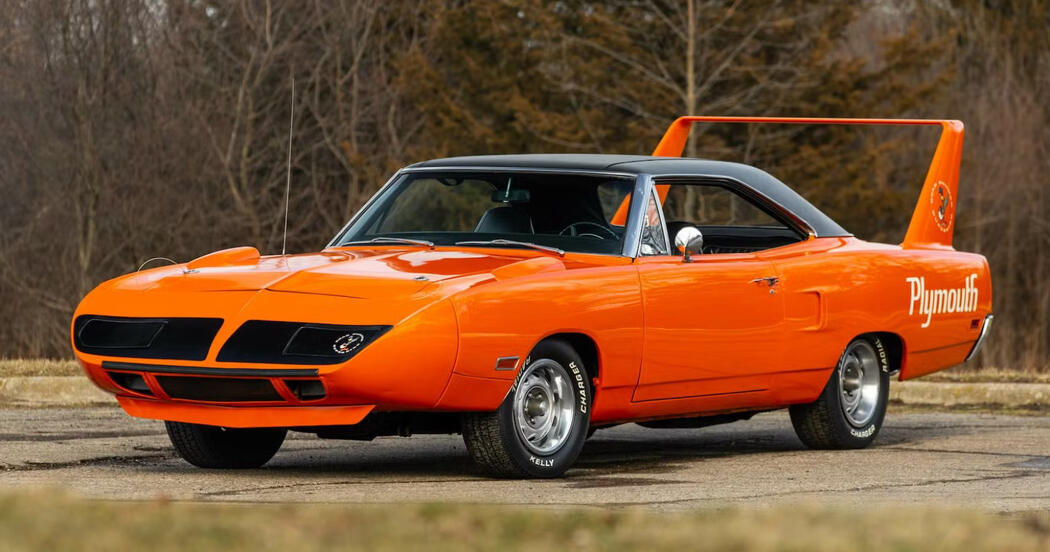
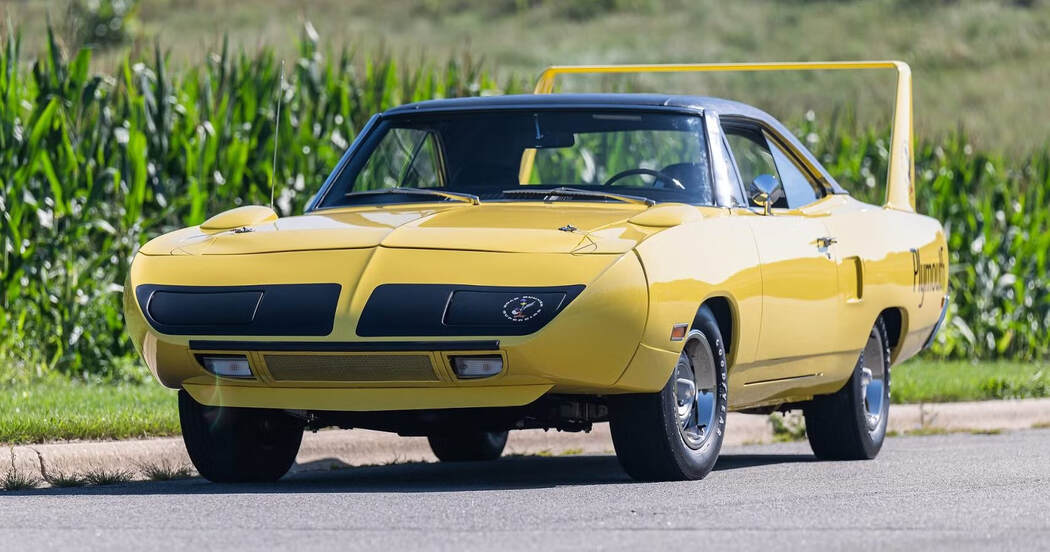
Image: Plymouth
Plymouth was like America on wheels. Launched by Chrysler in 1928, Plymouth was built for the working class, offering dependable rides that didn’t skimp on style or performance. And for decades, that’s exactly what it delivered.
In the muscle car era, Plymouth hit its stride. Cars like the Plymouth Road Runner and GTX weren’t just cool—they were loud, fast, and unapologetically bold. They gave young drivers a shot at performance without breaking the bank and left tire marks all over American car culture. From family sedans to drag-strip legends, Plymouth wore many hats—and wore them well.
But by the 1990s, the brand began to lose its voice. Its lineup started blending too closely with Chrysler’s other offerings, and the excitement that once defined Plymouth started to fade. When Chrysler hit financial turbulence, Plymouth became one of the casualties.
In 2001, the last Plymouth rolled off the line, marking the end of a brand that once ruled suburban driveways and high school parking lots alike. Even though it’s gone, Plymouth’s impact on American roads and garages hasn’t been forgotten.
Highlights:
- Founded: 1928.
- Popular Model: Plymouth Road Runner; Plymouth GTX
- Defunct: 2001
- Reasons for Defunct: Financial Struggle; Streamlining Needs of Chrysler
2. Studebaker (1902-1966)

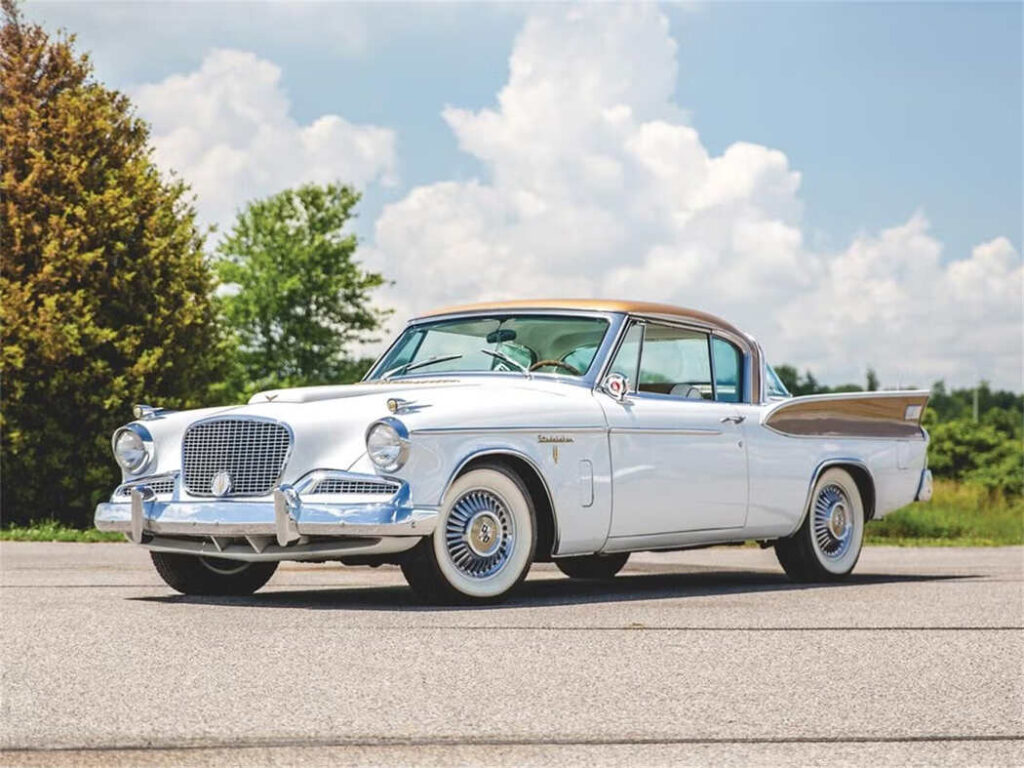

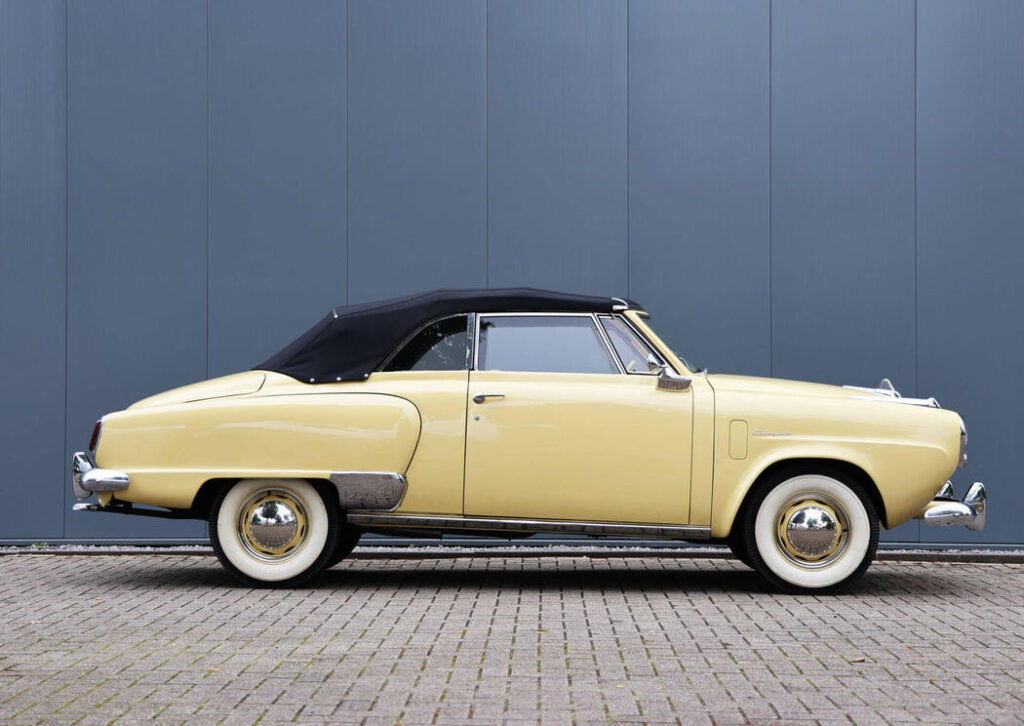

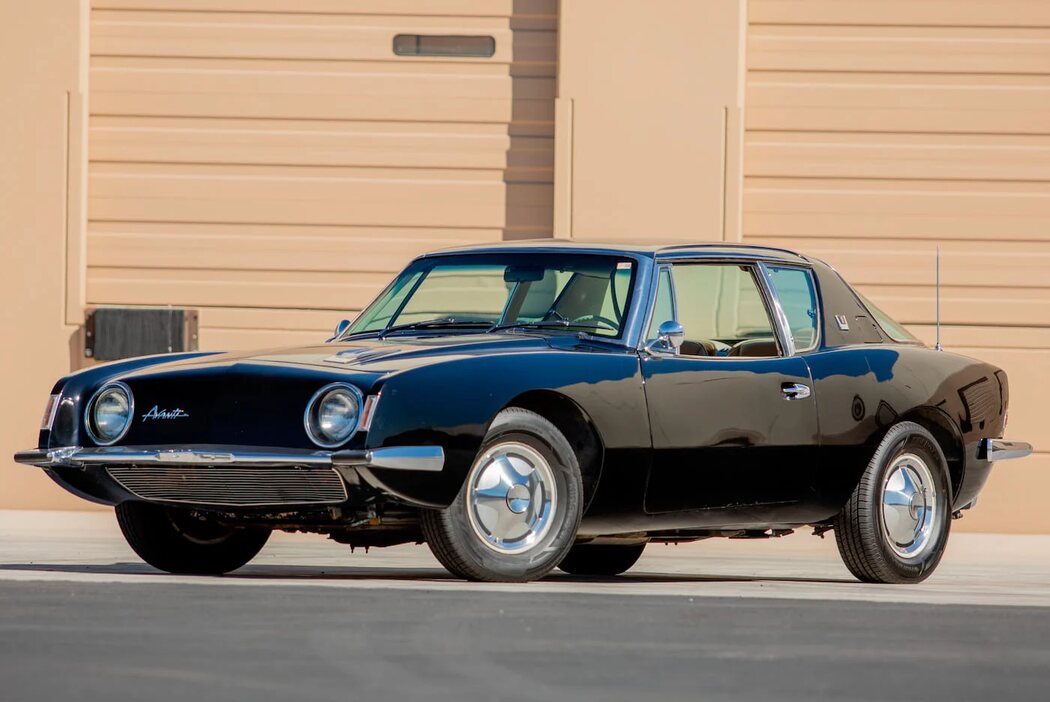
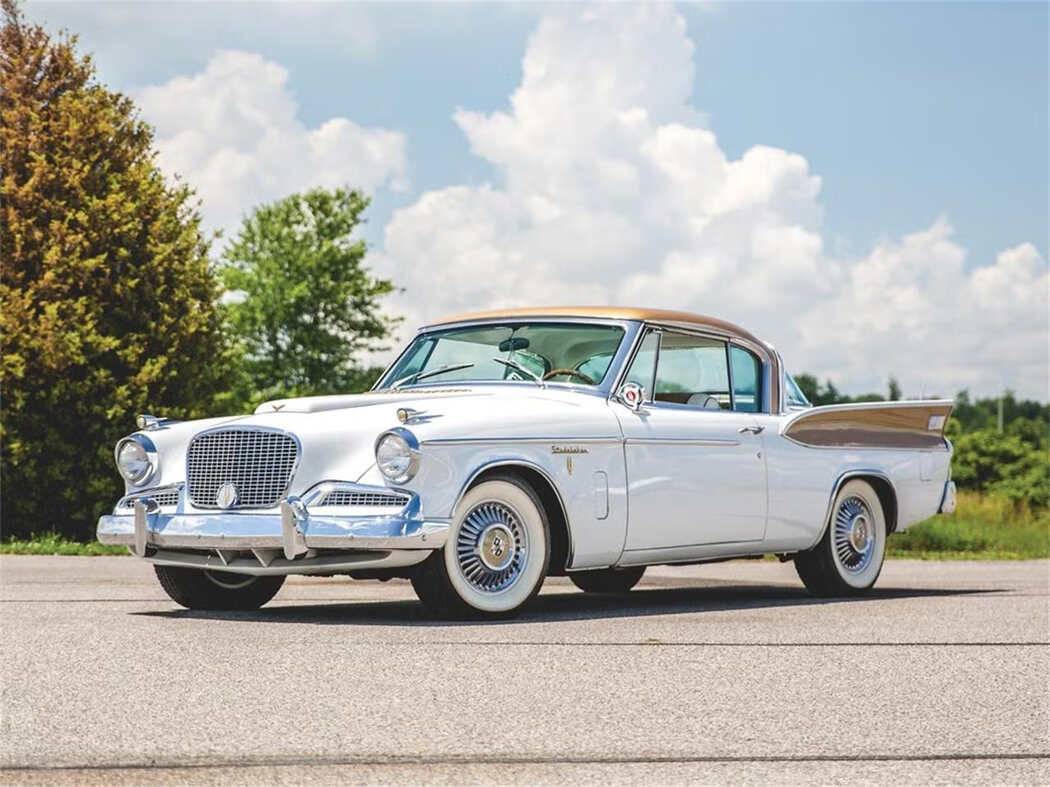
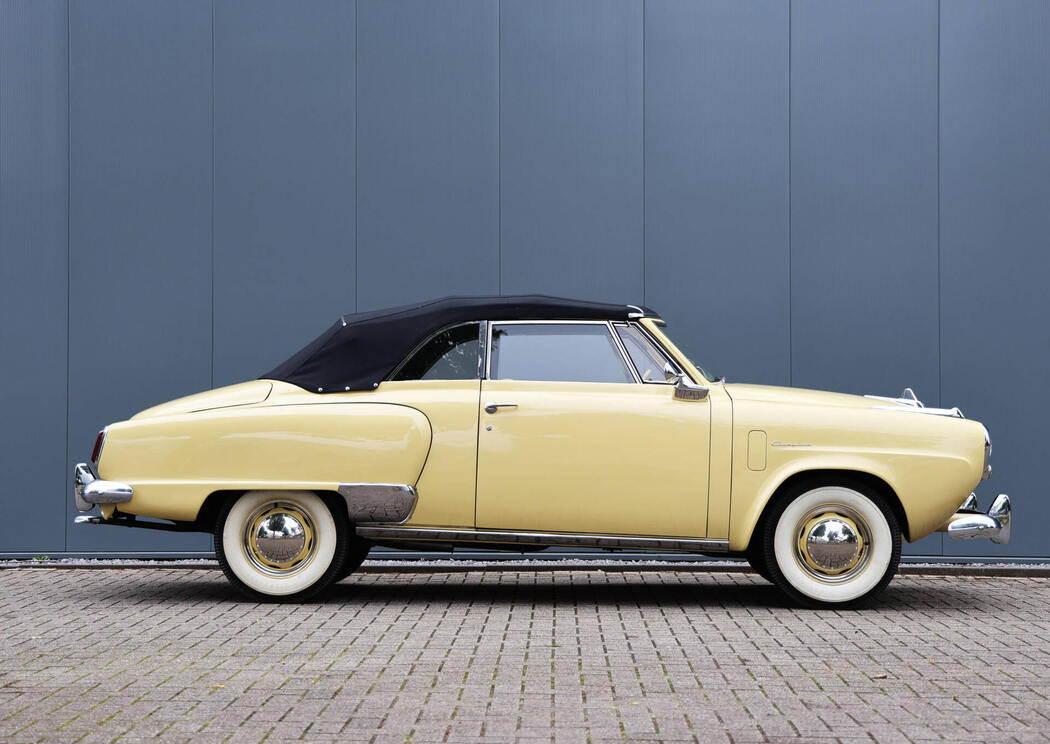
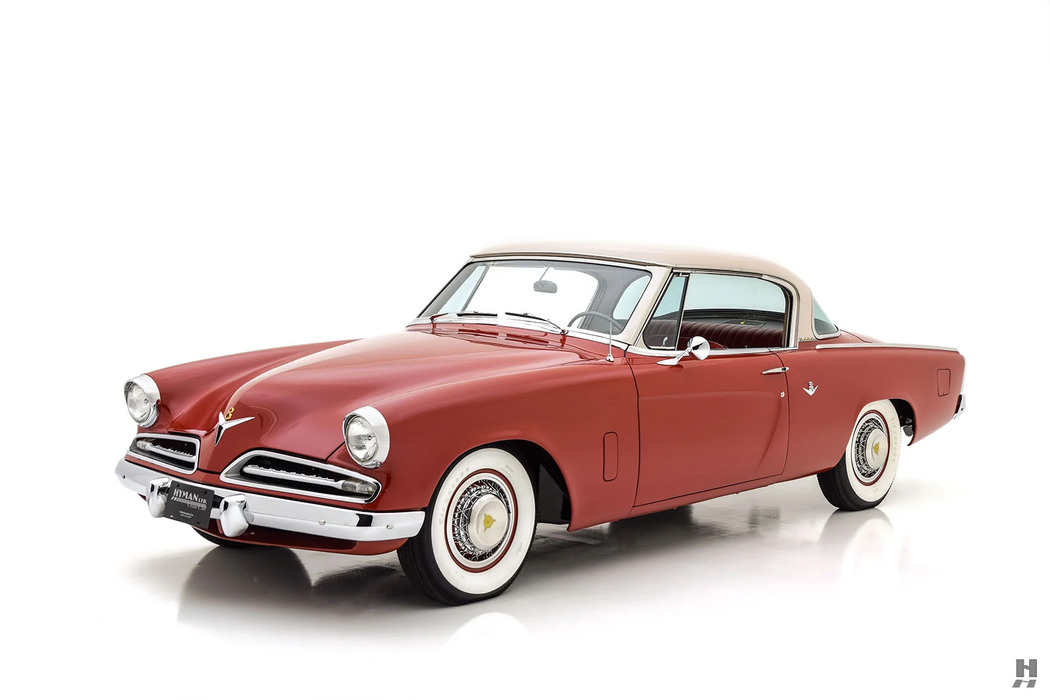
Image: Studebaker
Studebaker was more than a car company—it was an American original. Starting all the way back in 1852 as a wagon builder, it made the leap to automobiles in 1902 and quickly earned a reputation for solid engineering and style that stood out. From sleek sedans to tough trucks, Studebaker found its way into the hearts (and driveways) of millions of Americans.
The brand really hit its stride in the post-war era. Cars like the 1953 Starliner, Champion, and Avanti looked like they came from the future. Studebaker wasn’t afraid to take risks—its designs were daring, its engineering bold, and it never settled for being just “another” car company.
But innovation alone wasn’t enough. As the Big Three (Ford, GM, Chrysler) tightened their grip on the market, Studebaker struggled to keep up. Financial troubles mounted, and consumer tastes shifted toward newer, flashier competitors. U.S. production stopped in 1963, and by 1966, even the Canadian factories went silent.
Studebaker might be gone, but its name still carries weight in classic car circles. It’s remembered as a brand that dared to be different—an underdog that left behind a legacy of style, grit, and ambition.
Highlights:
- Founded: 1902
- Popular Model: Studebaker Champion; Studebaker Lark; Studebaker Avanti
- Defunct: 1966
- Reasons for Defunct: Rise of Competitors; Changing Consumer Tastes; Financial Difficulties
1. De Tomaso (1959- 2004)
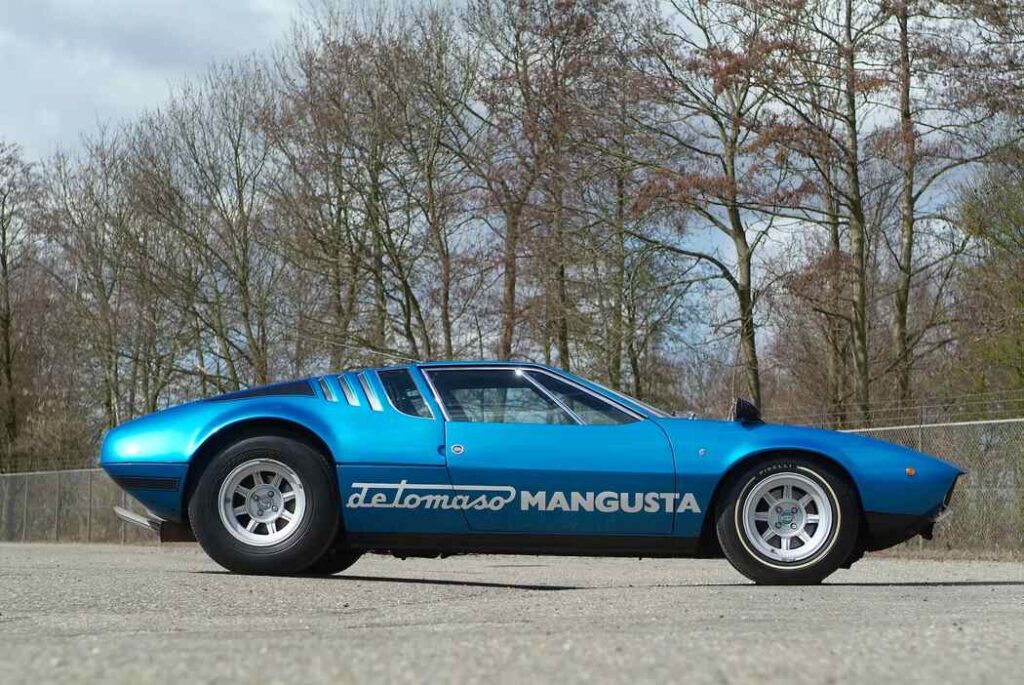

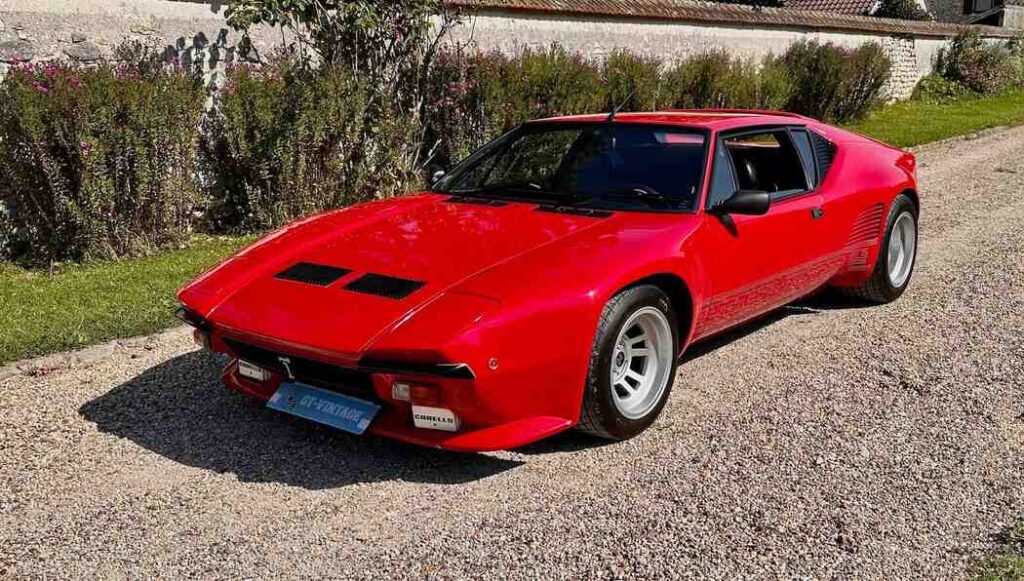


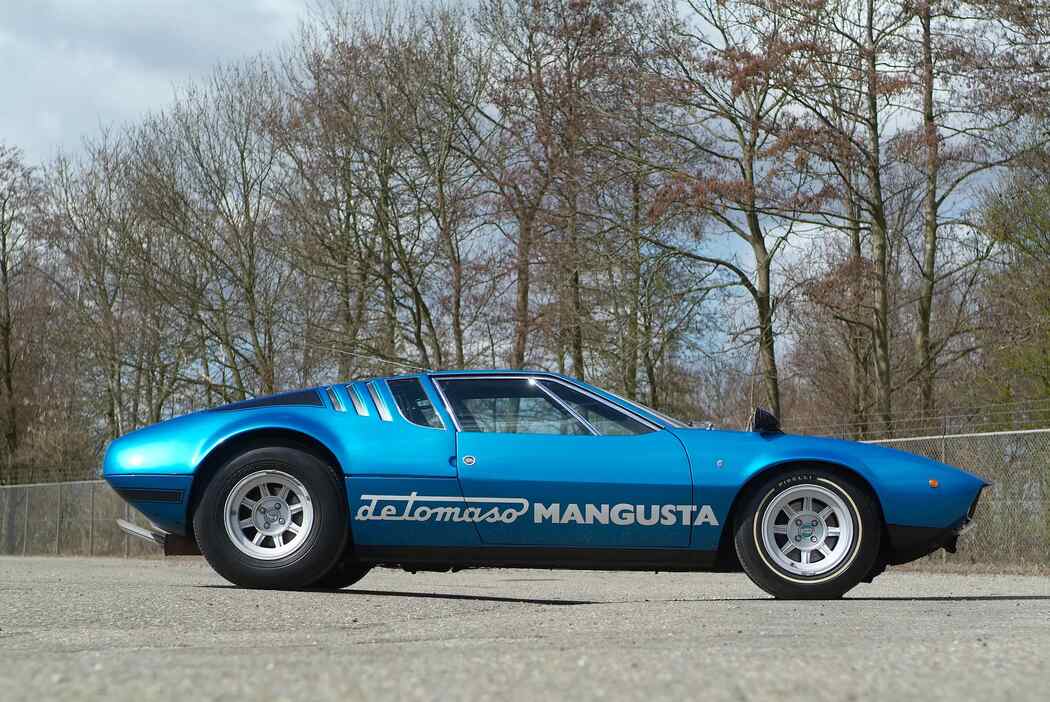
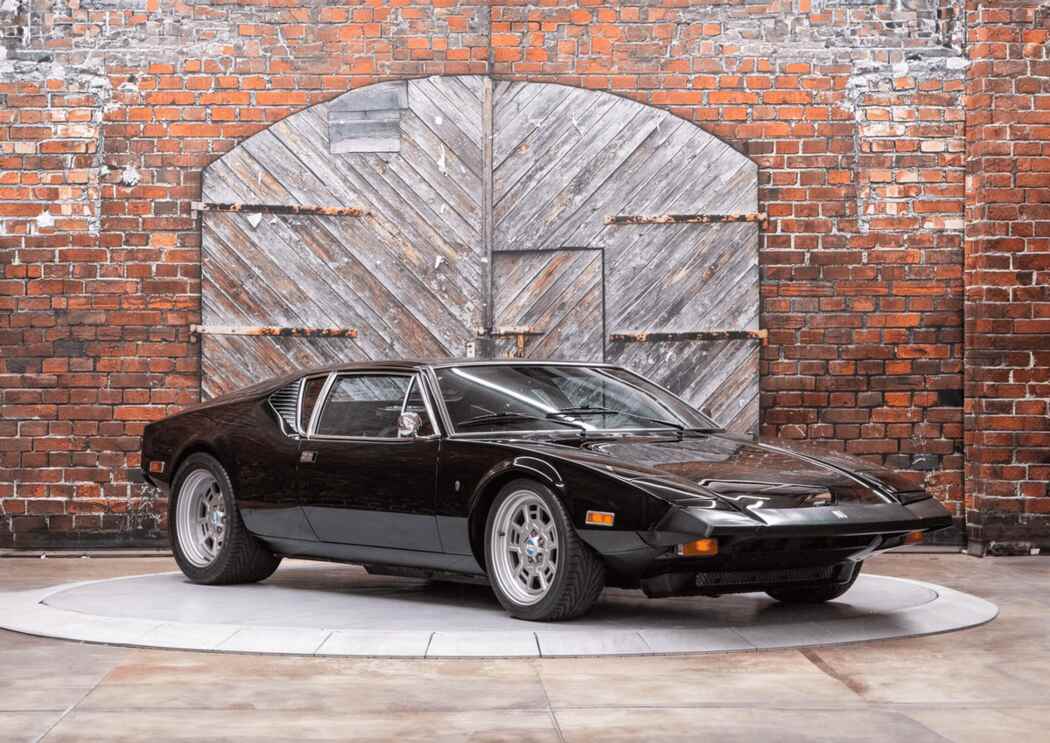


Image: De Tomaso
De Tomaso more was a statement than a car. Born in 1959 from the vision of Alejandro De Tomaso, an Argentine-born racer with Italian roots, the brand set out to merge Italian styling with American muscle. And boy, did it deliver.
De Tomaso’s early hit, the Mangusta, looked like it came off the page of a sci-fi novel—low, wide, aggressive. But it was the Pantera, launched in 1971 with a thundering Ford V8 in the back, that put De Tomaso on the map. The Pantera was a street-legal rocket ship—raw, rebellious, and impossible to ignore. Ford even sold them through Lincoln-Mercury dealerships, making exotic performance surprisingly accessible (for a while).
But like many passionate projects, De Tomaso burned hot—and not forever. Despite a loyal following, the company struggled with financial instability, changing ownership, and an evolving market that made survival tough. Production limped along until 2004 before the brand was quietly shuttered.
Today, a De Tomaso—especially a Pantera—is collector gold. And if they were still around? I’d be first in line. There’s just something about that mix of Italian drama and American power that never stops turning heads.
Highlights:
- Founded: 1959
- Popular Model: De Tomaso Pantera; De Tomaso Mangusta
- Defunct: 2004
- Why it Disappeared: Changes in Ownership; Shifting Markets
Final Take
Some car brands vanish quietly. Others leave behind thunder.
When you look through this list, you’re not just seeing names that went out of business—you’re seeing chapters of automotive history that meant something. These brands weren’t just metal and rubber; they were culture, ambition, rebellion, innovation—sometimes even heartbreak.
From the futuristic brilliance of Tucker to the raw muscle of Pontiac, the quirky genius of SAAB, or the wild elegance of De Tomaso, these brands made people feel something. And maybe that’s why we still remember them—because they stood for something more than just selling cars. They stood for a dream.
Personally? If De Tomaso was still around, I’d already be trying to park a Pantera in my garage. Some cars hit you in the gut like that. And isn’t that what makes them unforgettable?
These brands may be gone—but their legacies still live in garages, in car shows, in collector circles… and in stories like this one.