
20 Most Environmentally Friendly Cars of All Time

Forget horsepower for a second. Let’s talk about impact.
These cars weren’t built to roar—they were built to change the way we move, while treading as lightly on the planet as possible.
From early hybrids to cutting-edge EVs, the auto world has had its fair share of green game-changers.
Some revolutionized the industry. Others quietly made a difference. All of them proved that saving the environment doesn’t mean sacrificing design or performance.
And no—we’re not just talking about Teslas here.
Here’s a list of the 20 most environmentally friendly cars of all time—models that helped redefine what cars can be when the future matters.
20. Hyundai Kona Electric

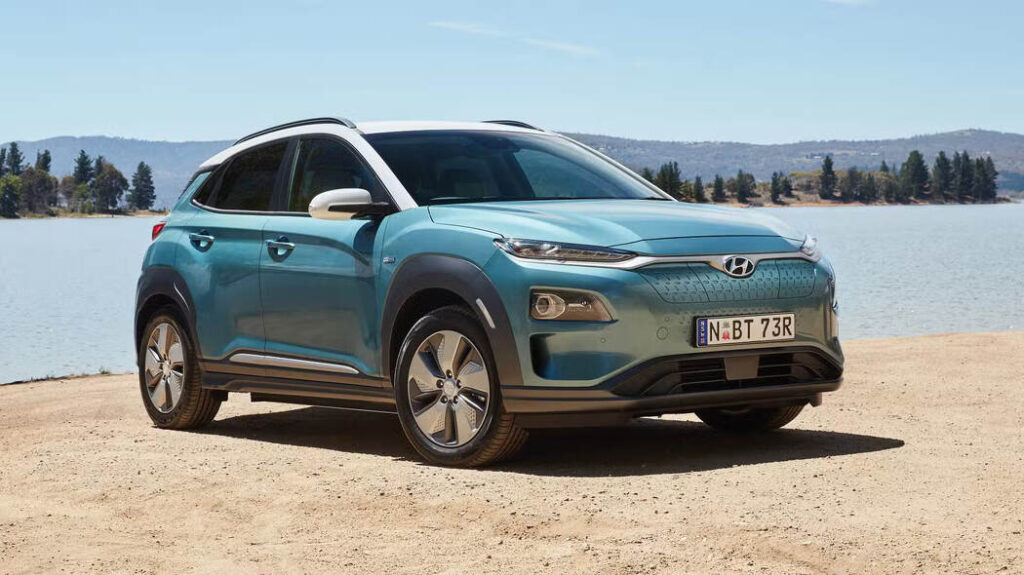
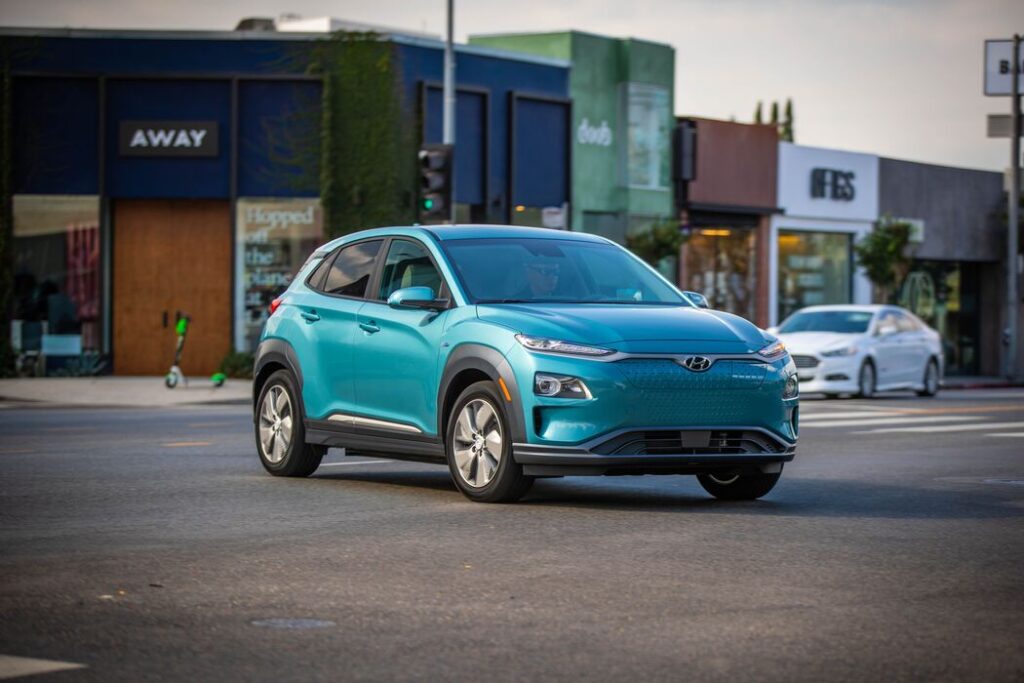
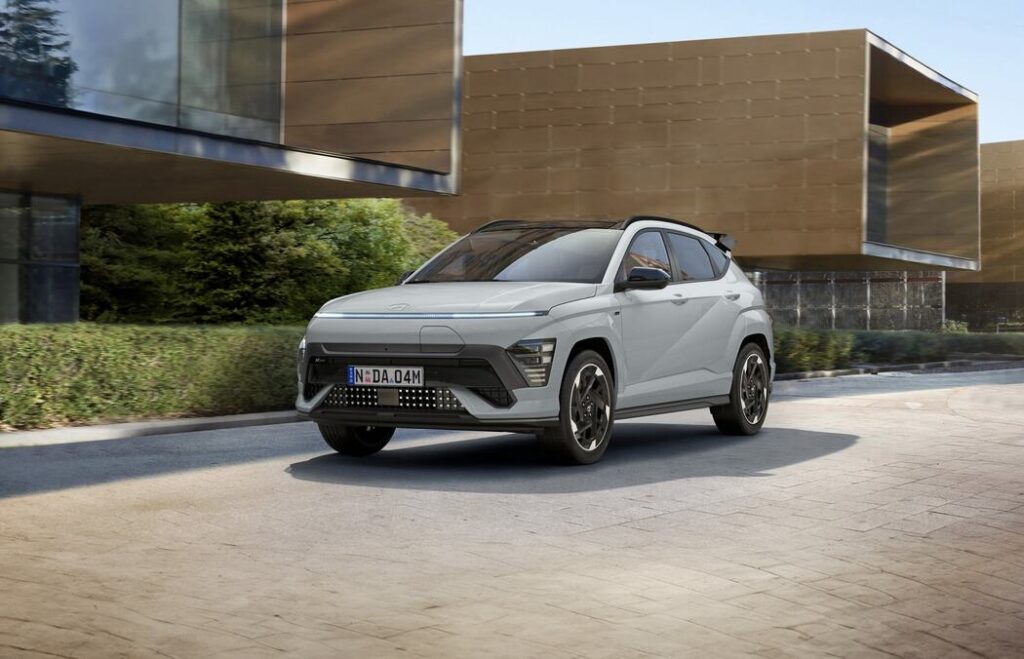
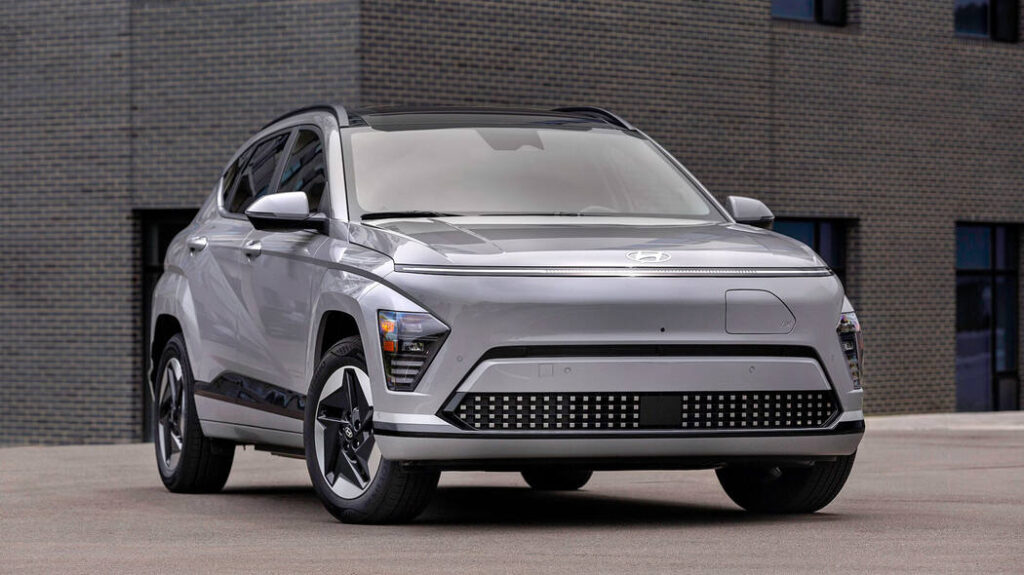
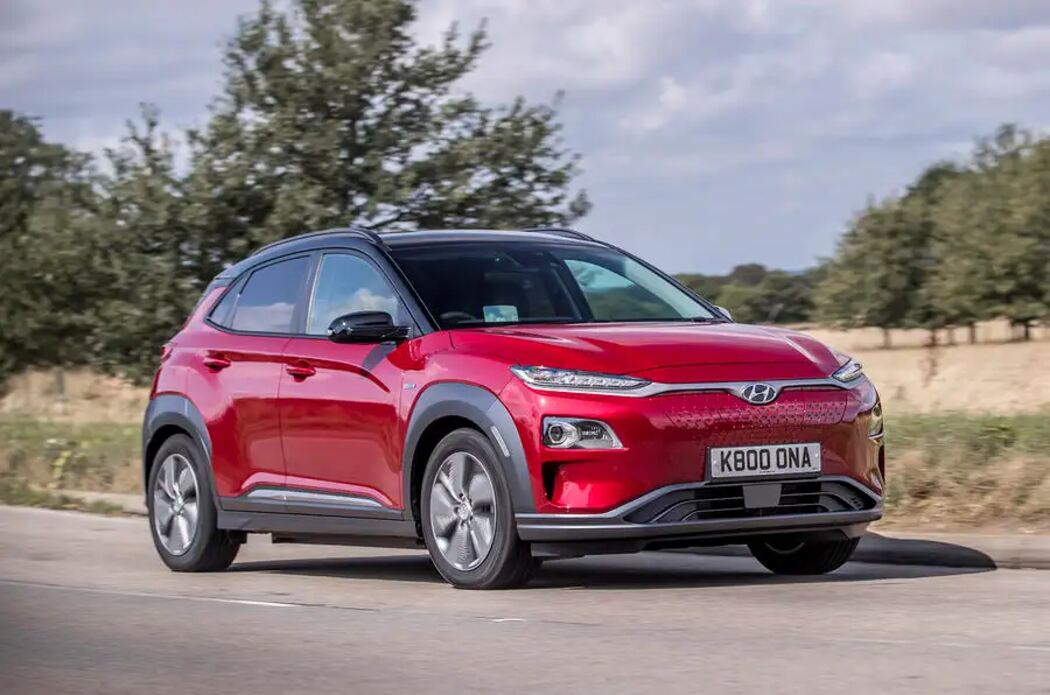
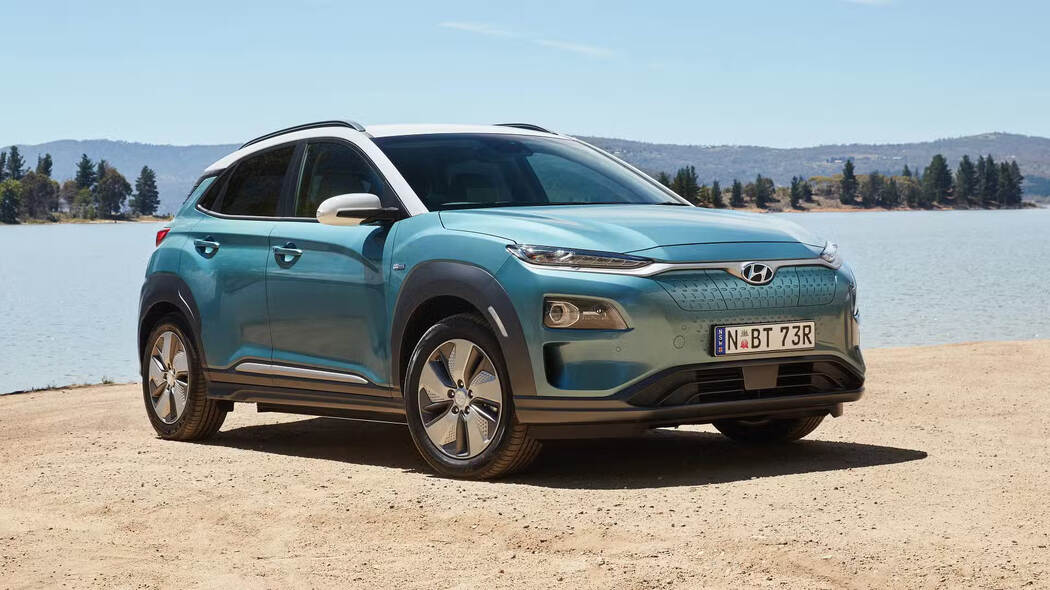
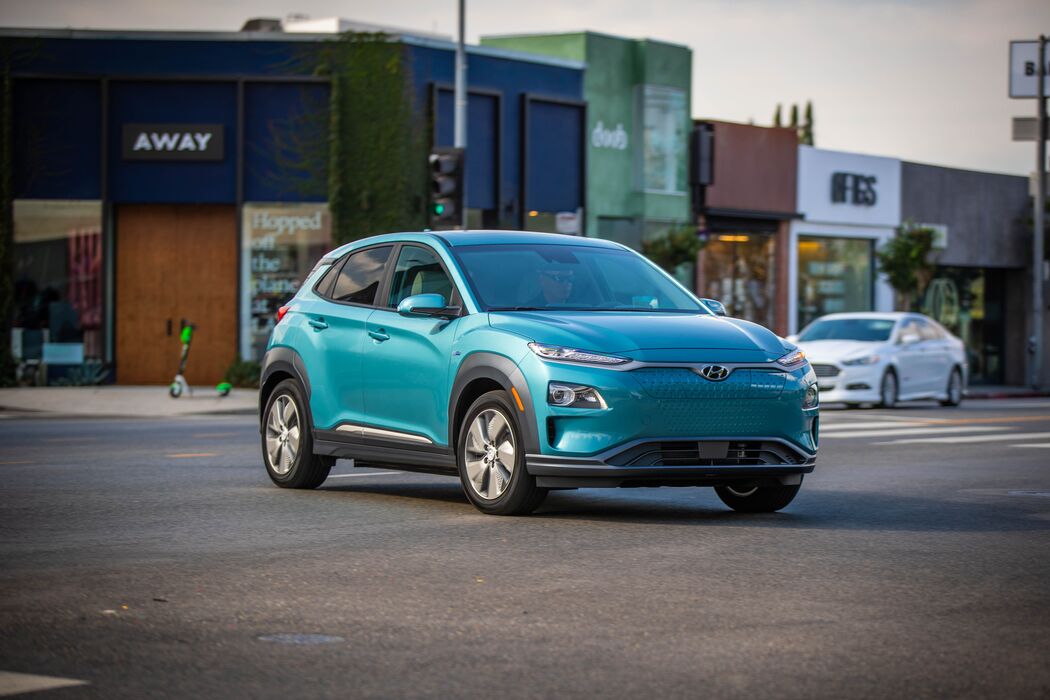
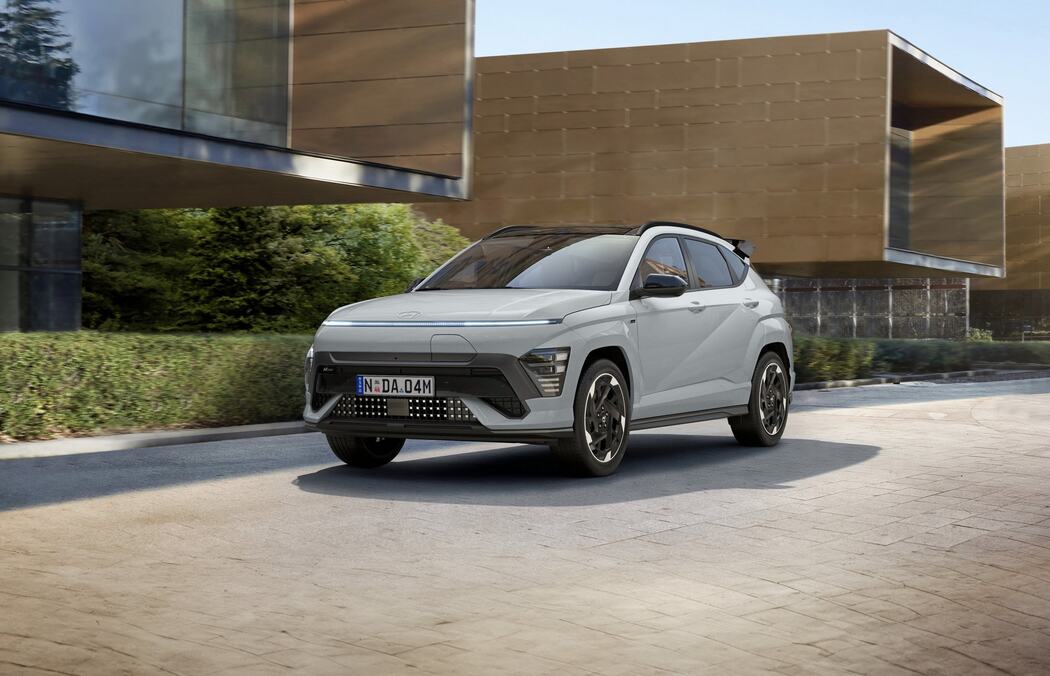

Image: Hyundai Kona Electric
The Hyundai Kona Electric isn’t just about going green—it’s about doing it without compromise.
Launched in 2018, this all-electric SUV gave everyday drivers a chance to ditch gas for good, with zero tailpipe emissions and over 250 miles of clean range.
Its lithium-ion battery doesn’t just take you far—it works smart, paired with regenerative braking to recapture energy every time you slow down.
Compared to other EVs in its class, the Kona stood out for being practical, affordable, and quietly brilliant at reducing carbon footprints.
In 2023, Hyundai retired the first-gen model to make way for a more advanced 2024 version—proof that this brand is charging ahead in the EV game.
The Kona Electric may not shout for attention, but its impact is loud and clear: eco-friendly driving is here to stay.
Key Features:
- Zero Tailpipe Emissions
- No Fossil Fuel Dependency
- Long Driving Range on Clean Energy
- Regenerative Braking System
19. Kia EV6
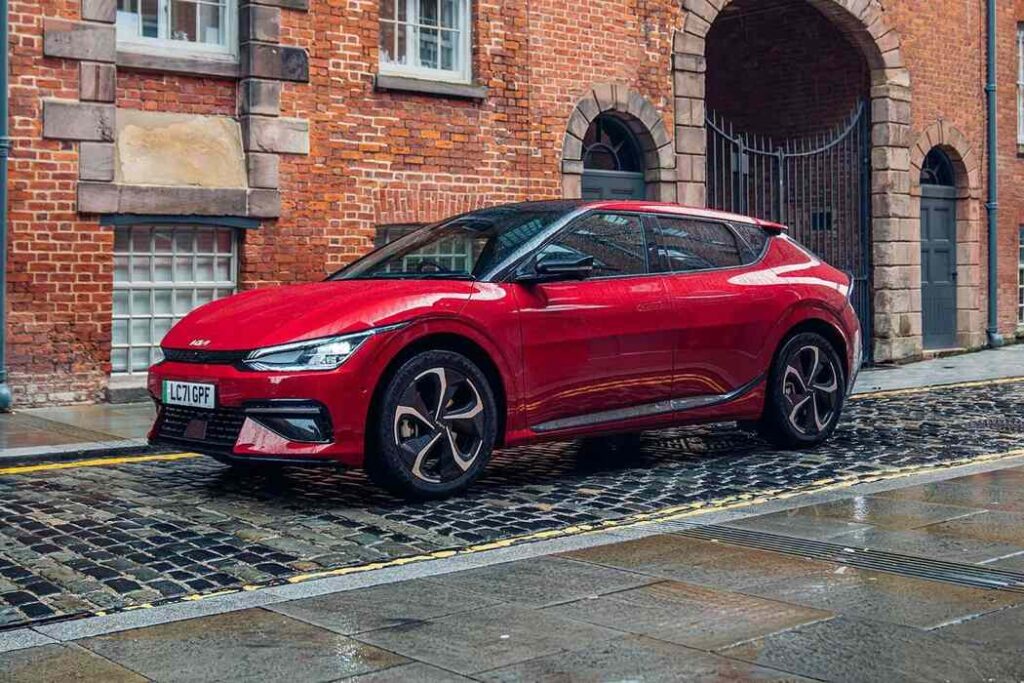


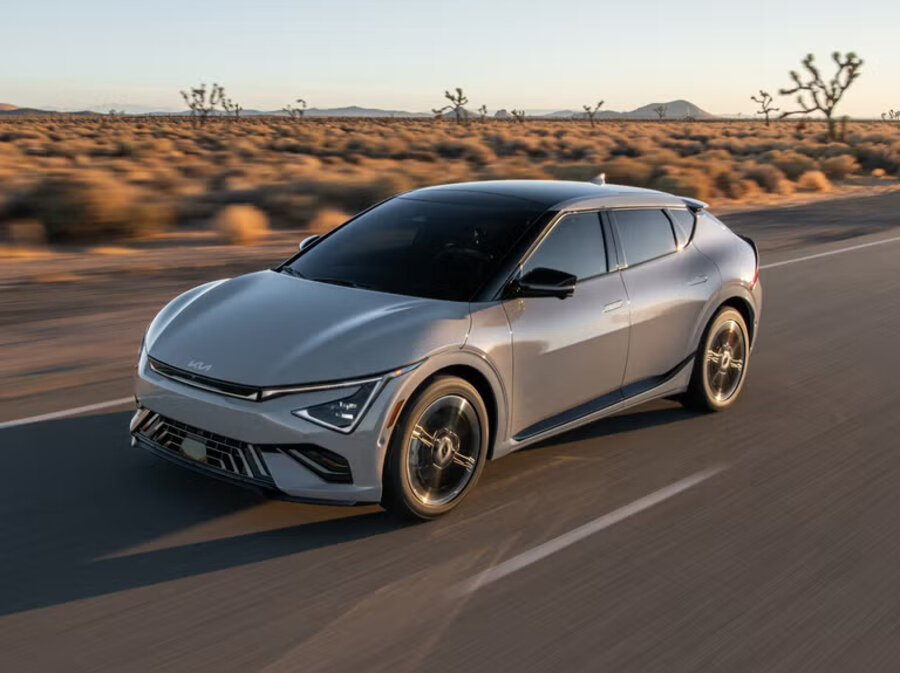
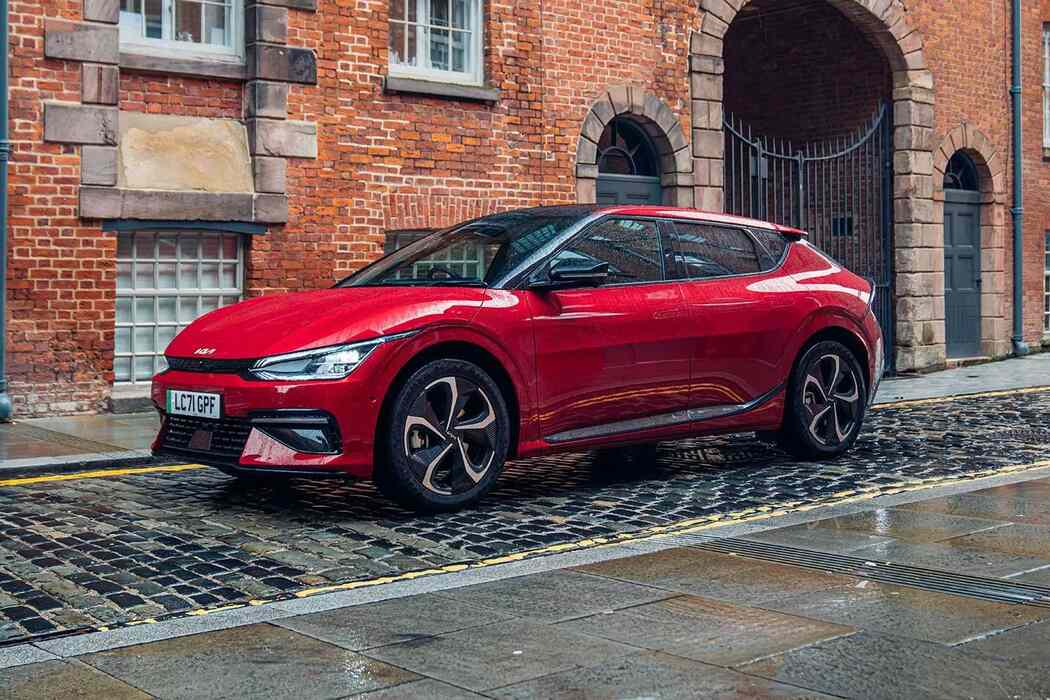
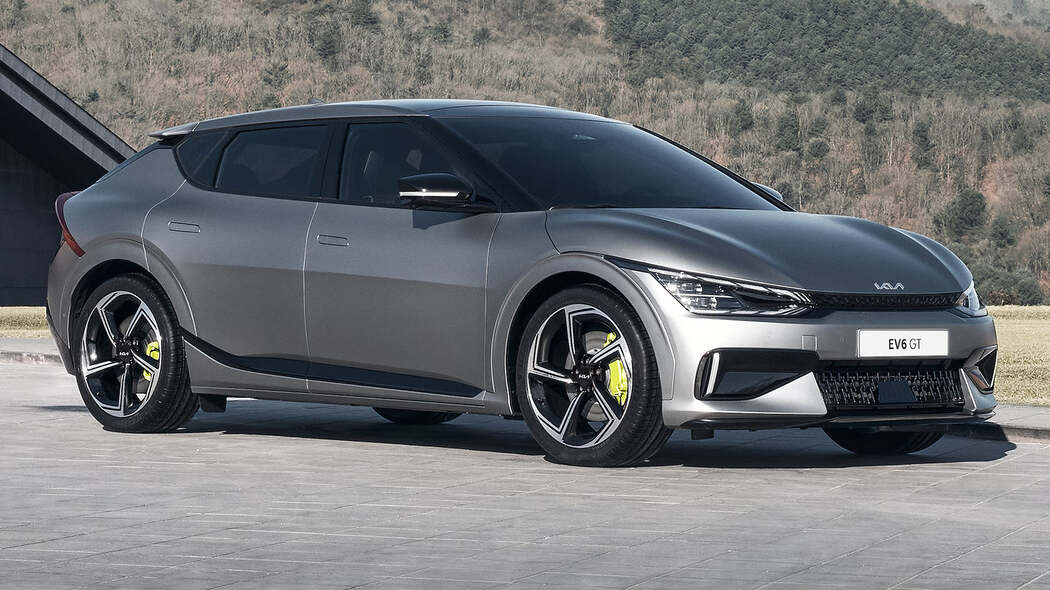
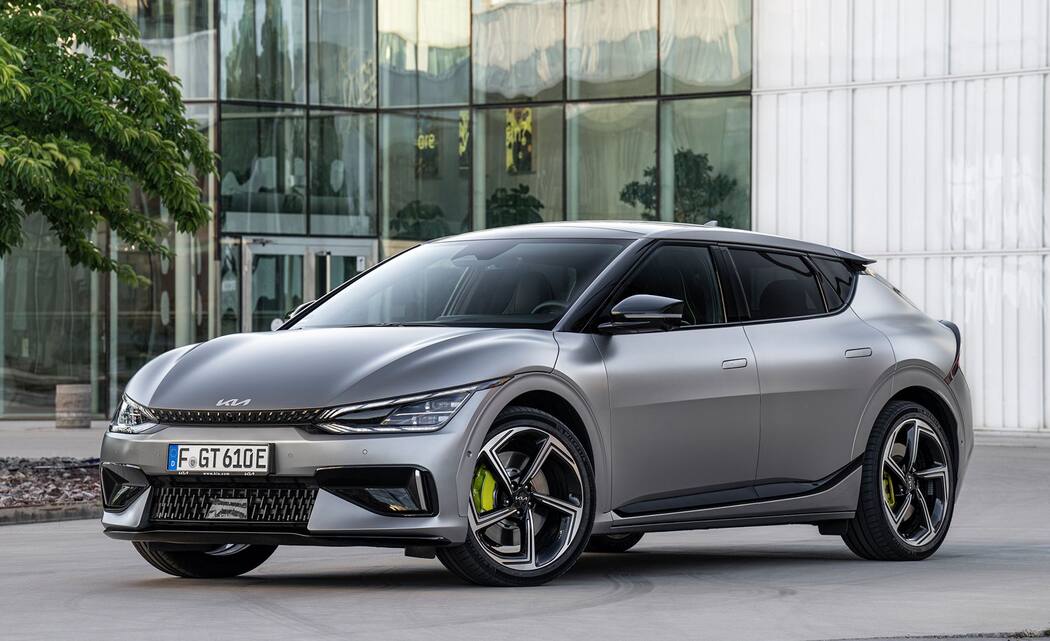
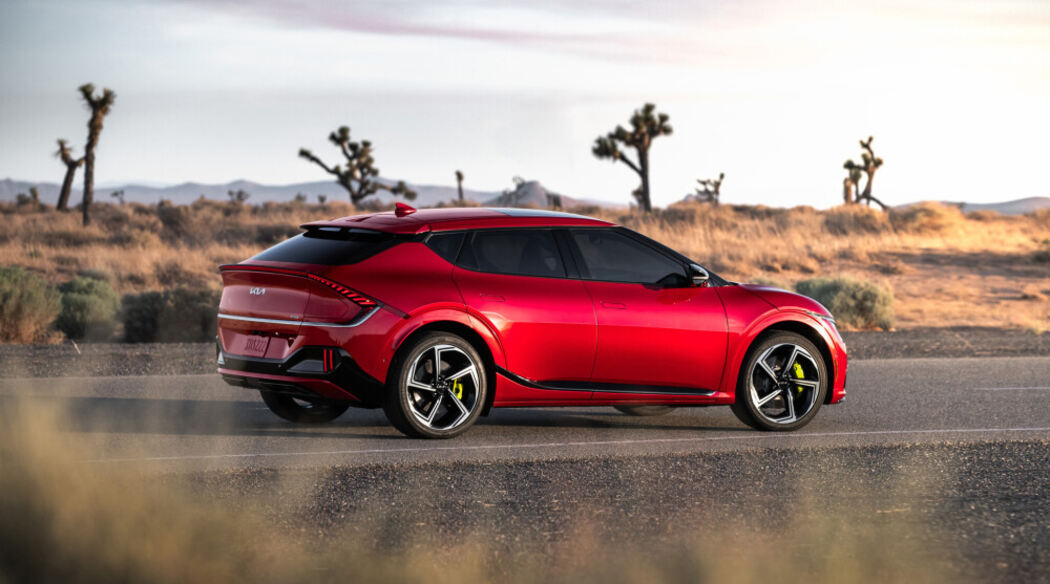
Image: Kia EV6
The Kia EV6 isn’t just another electric car—it’s Kia’s loud answer to the call for a cleaner planet.
Launched in 2021, this all-electric crossover runs on the E-GMP platform, delivering long-range performance with zero emissions.
It charges from 10% to 80% in just 18 minutes thanks to its ultra-fast 800V charging tech—helping ease the shift away from fossil fuels.
Inside, it’s more than just sleek—Kia uses recycled materials like PET plastics, proving sustainability isn’t just a buzzword.
With up to 310 miles of range, the EV6 blends practicality, clean energy, and future-ready design without compromise.
Still in production today, it’s a living example of how eco-friendly cars can look good, feel good, and drive even better.
Key Features:
- Ultra-Fast 800V Charging System
- Long Driving Range
- Use of Recycled Materials
- Built on a Dedicated EV Platform (E-GMP)
18. Chevrolet Volt
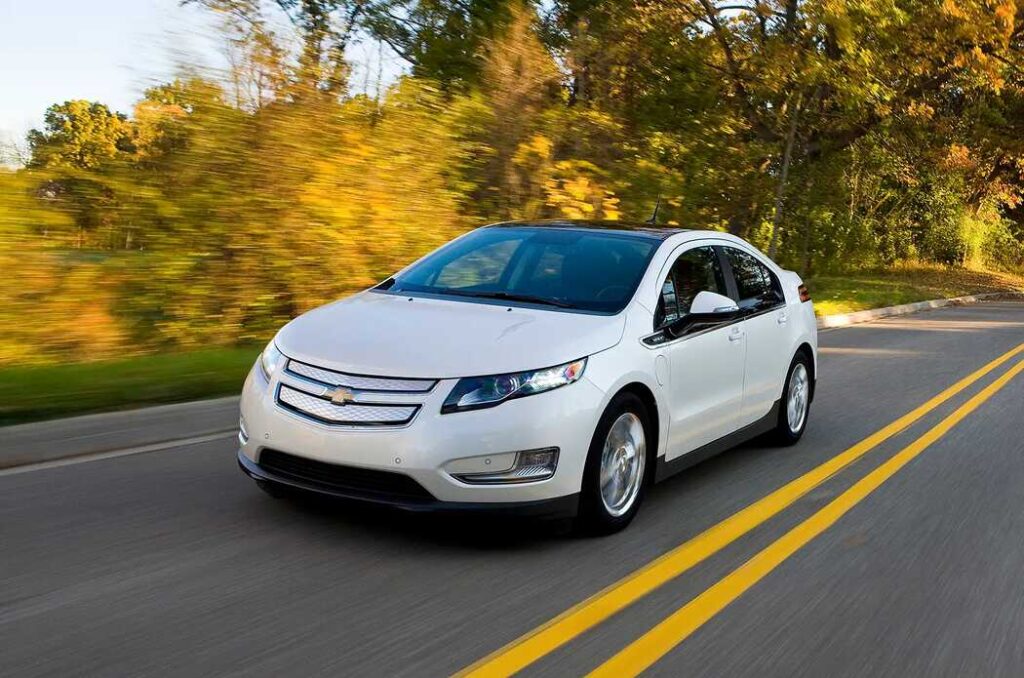
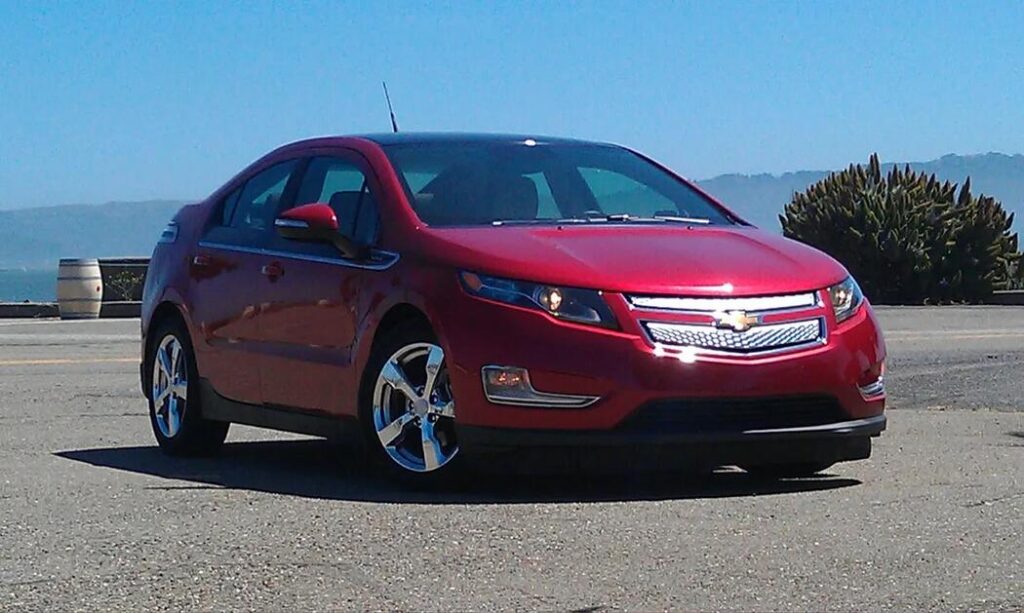
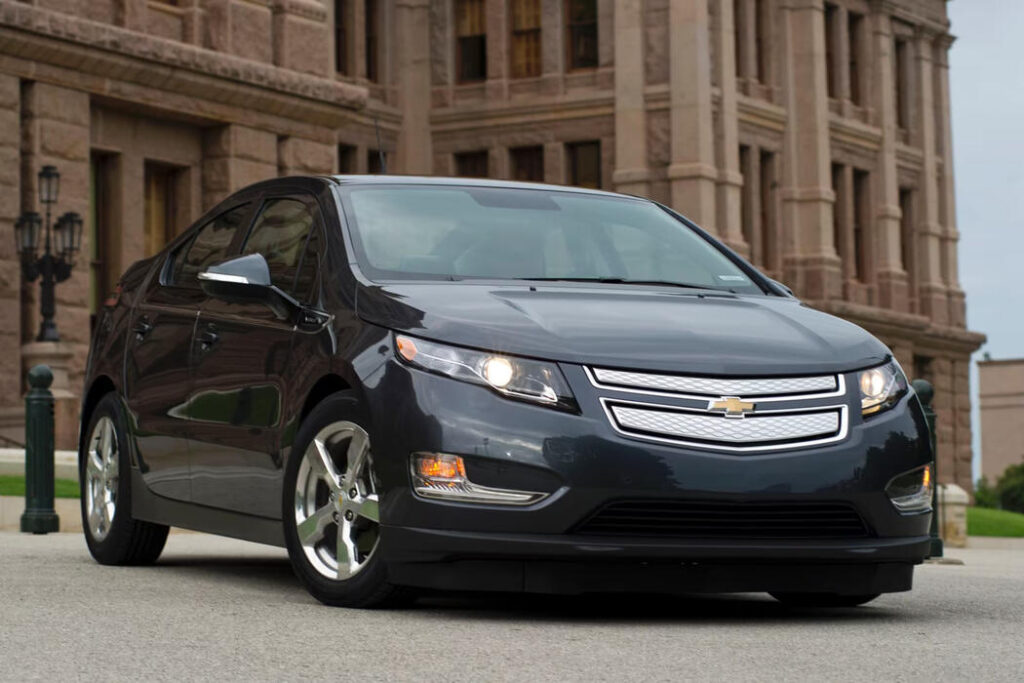
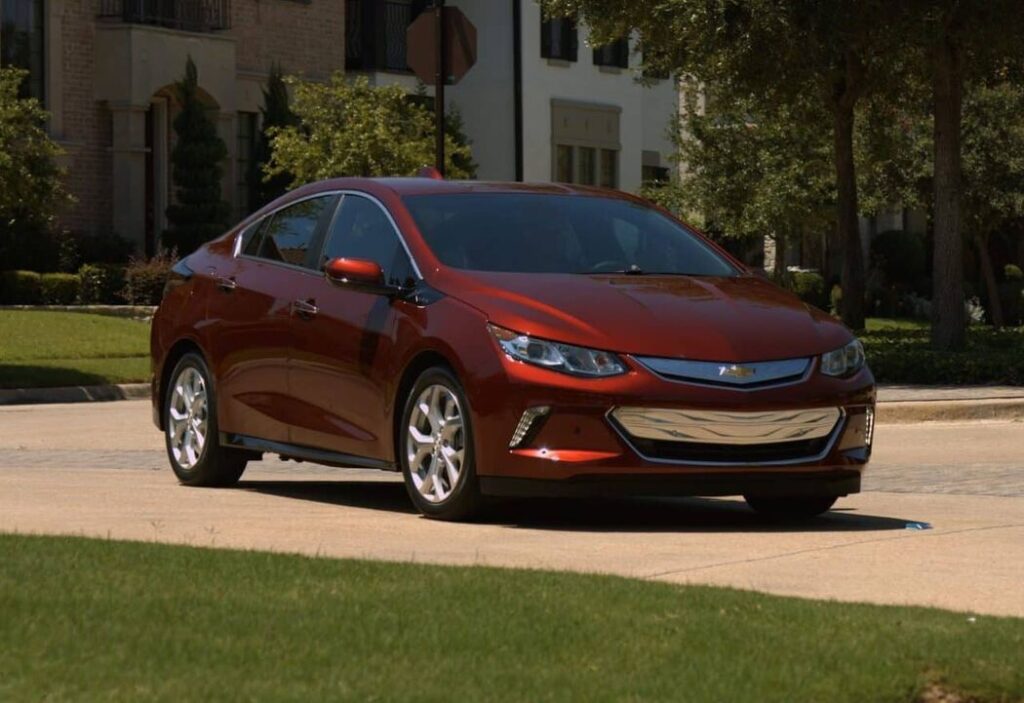
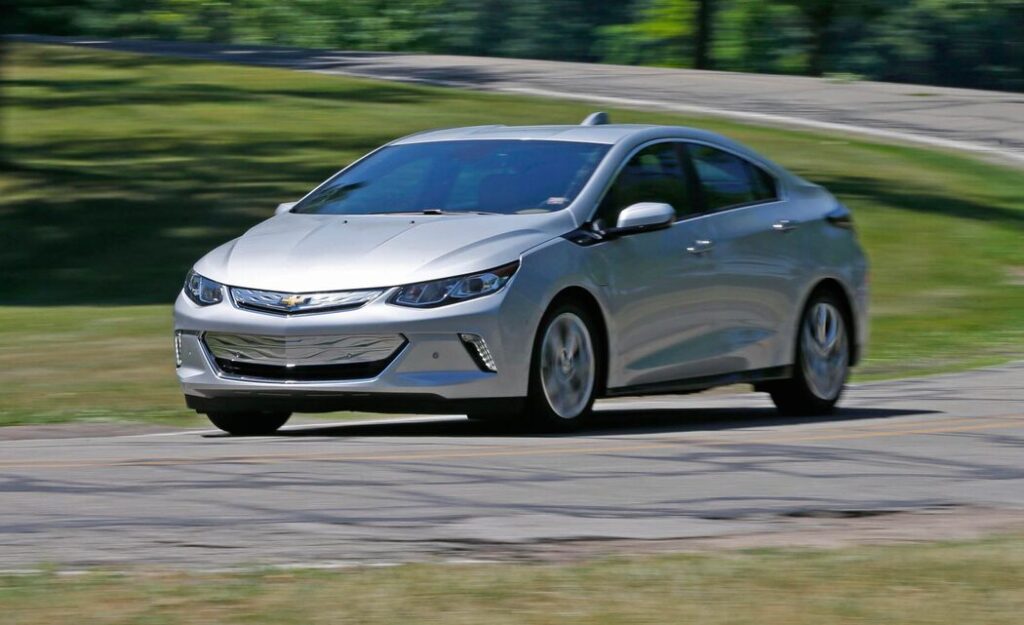

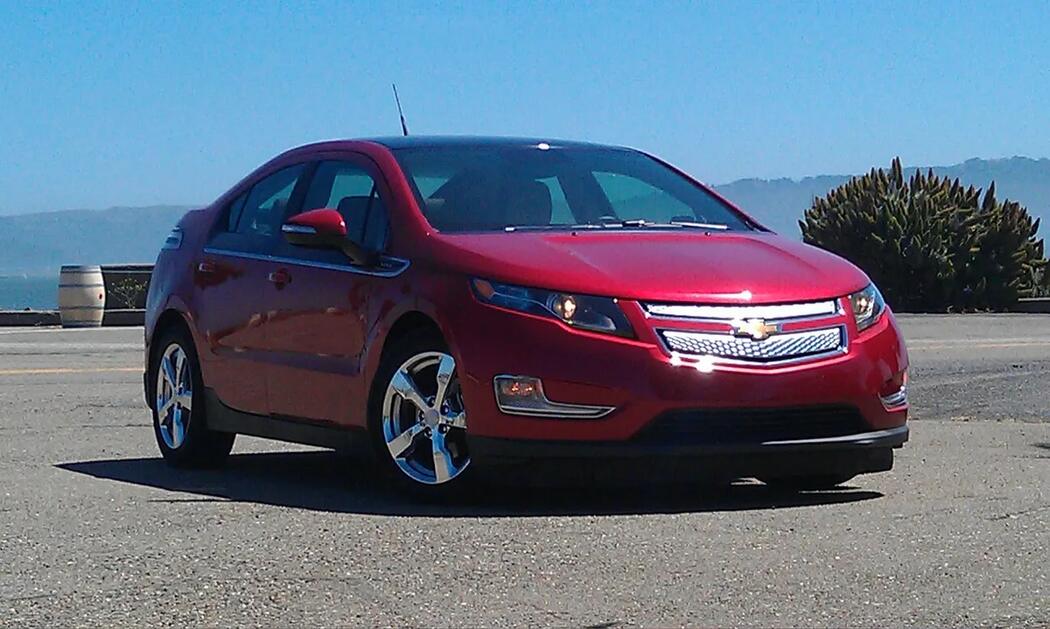
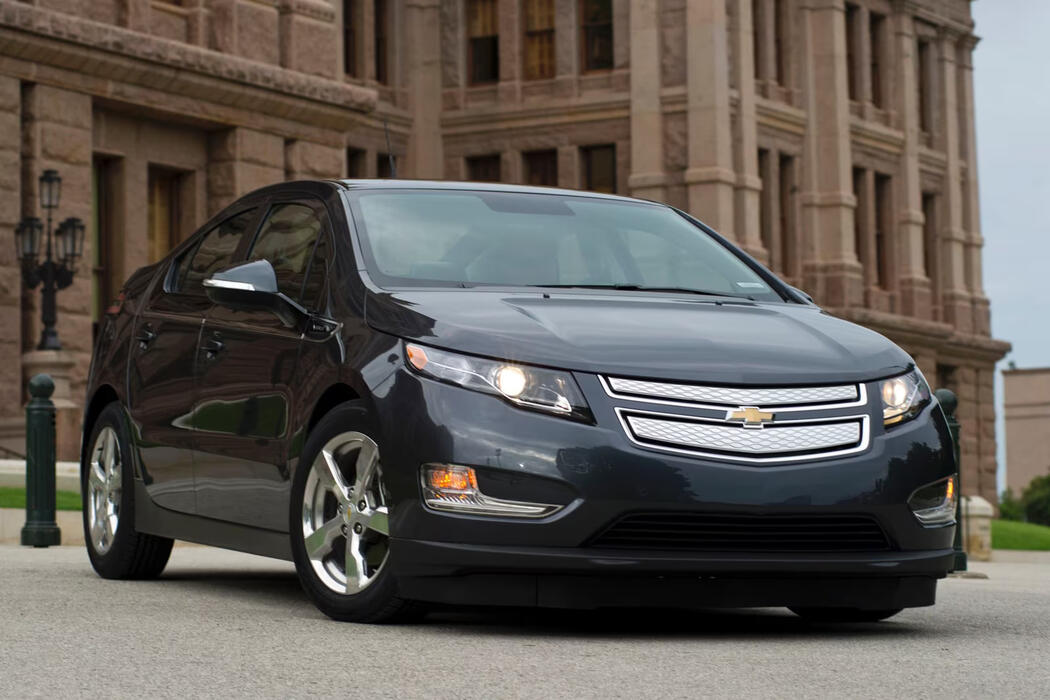
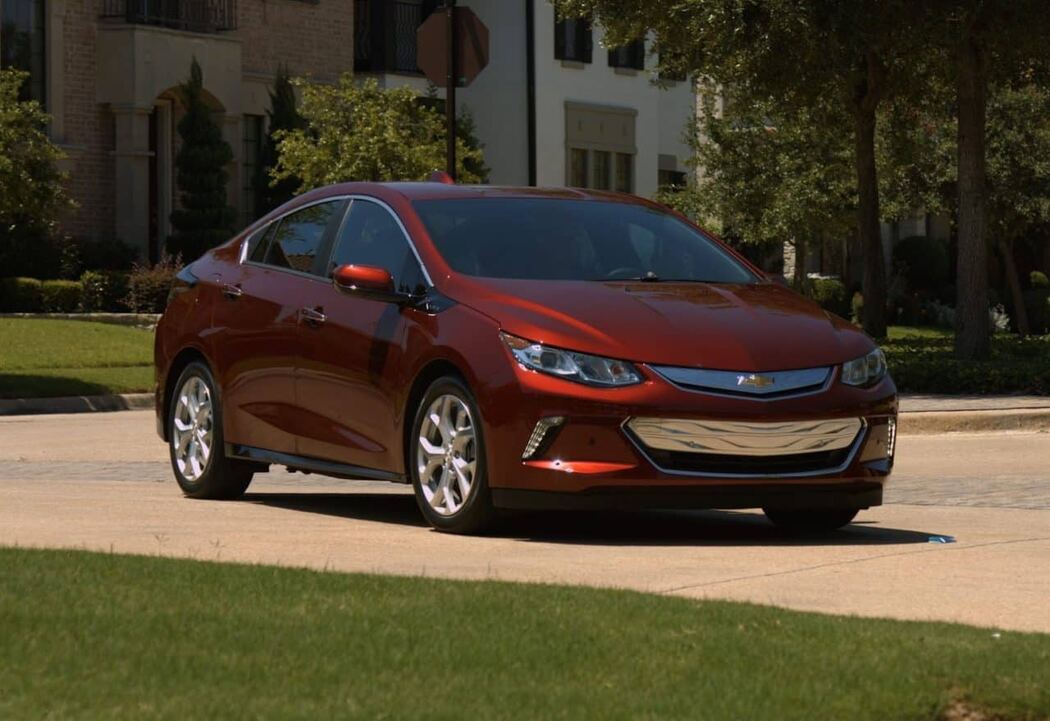

Image: Chevrolet Volt
The Chevrolet Volt wasn’t just a hybrid—it was a bridge to the electric future.
Launched in 2010, it offered 38 miles of electric-only range, later improved to 53 miles in the second generation .
After that, a gas engine kicked in—not to drive the wheels, but to recharge the battery—delivering over 400 miles of total range .
Its regenerative braking system captured energy during deceleration, boosting efficiency.
The Volt proved that drivers could commute daily without using a drop of gasoline.
Discontinued in 2019, it remains a milestone in eco-friendly automotive innovation.
Key Features:
- Electric-First Driving Mode
- Extended Range with Low Emissions
- Regenerative Braking System
- Reduced Fossil Fuel Dependence
- Transitional Technology to EVs
17. Fisker Ocean
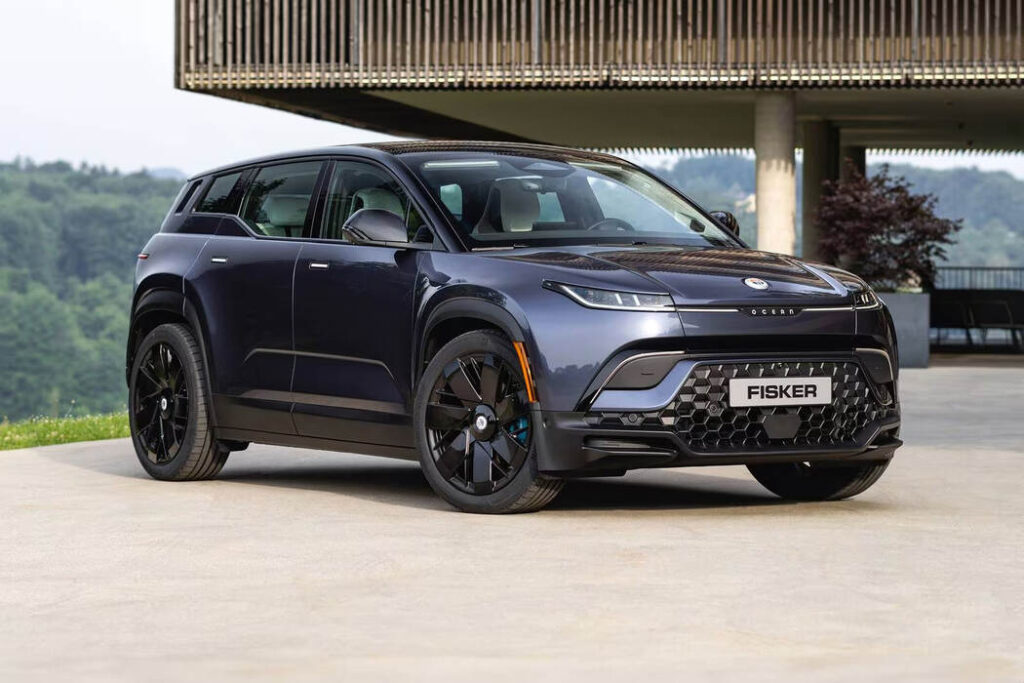

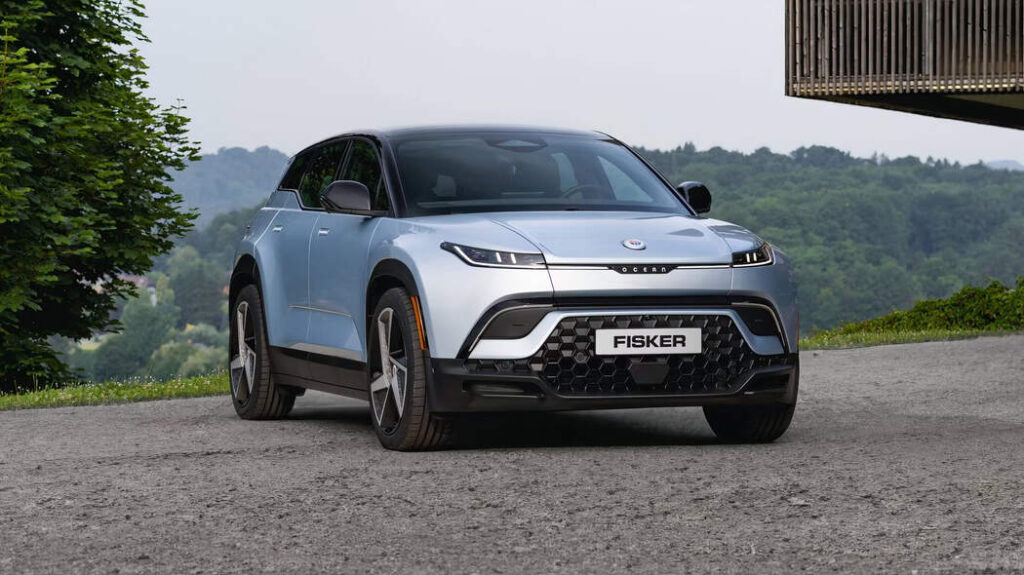
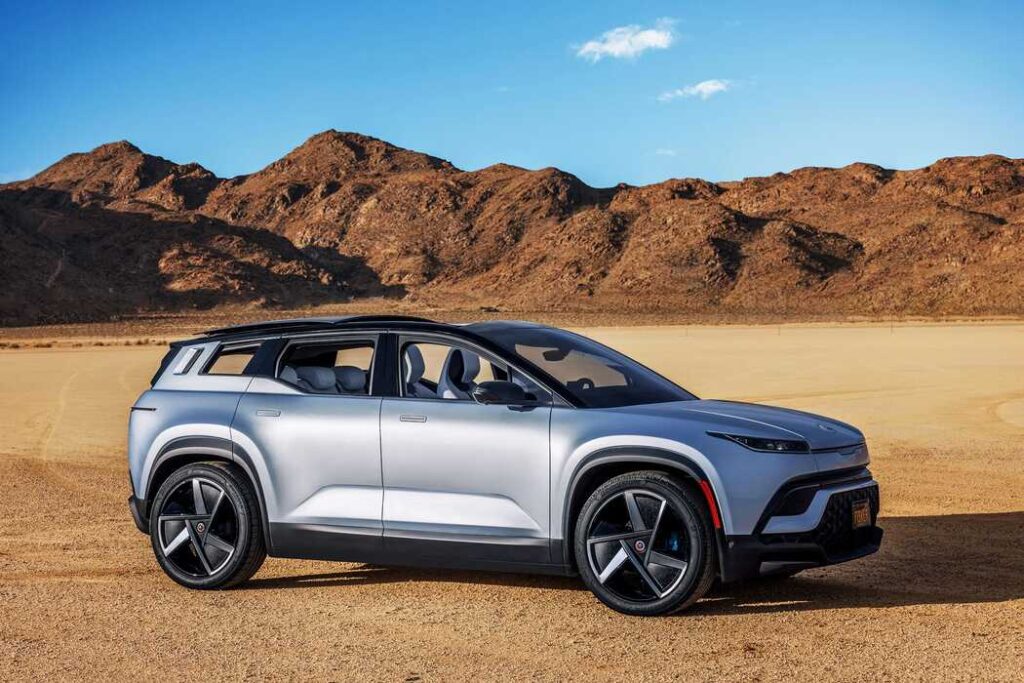
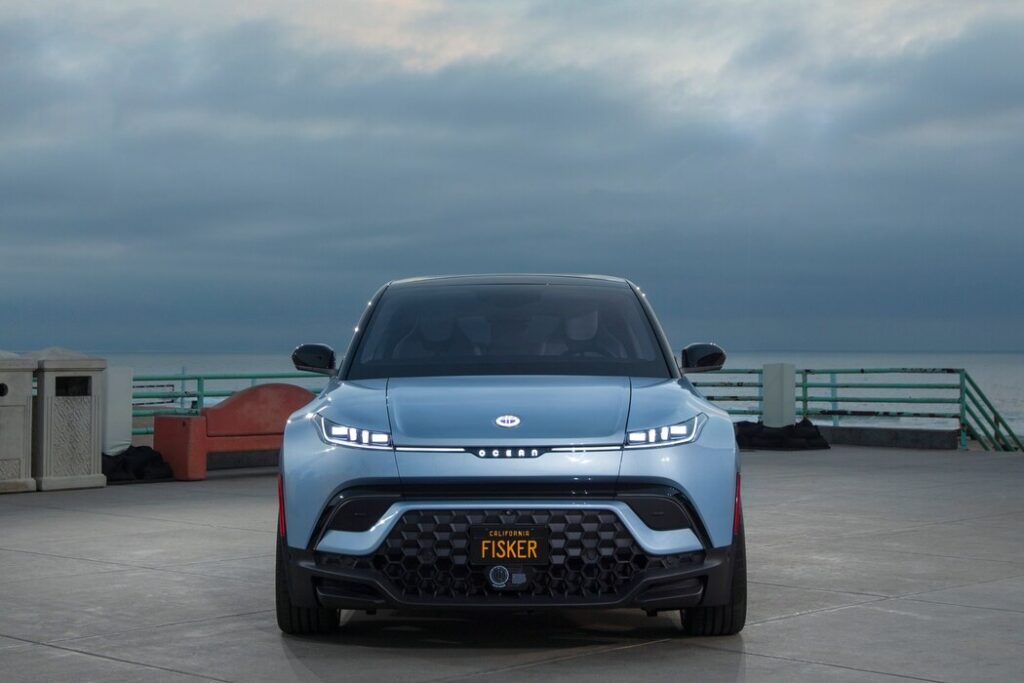
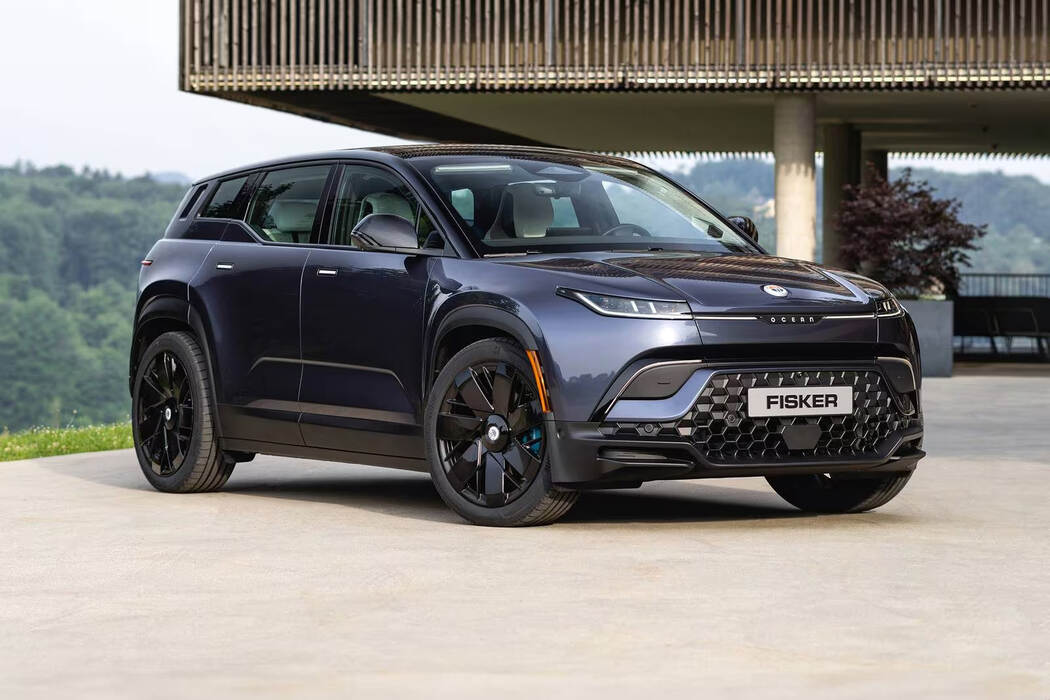


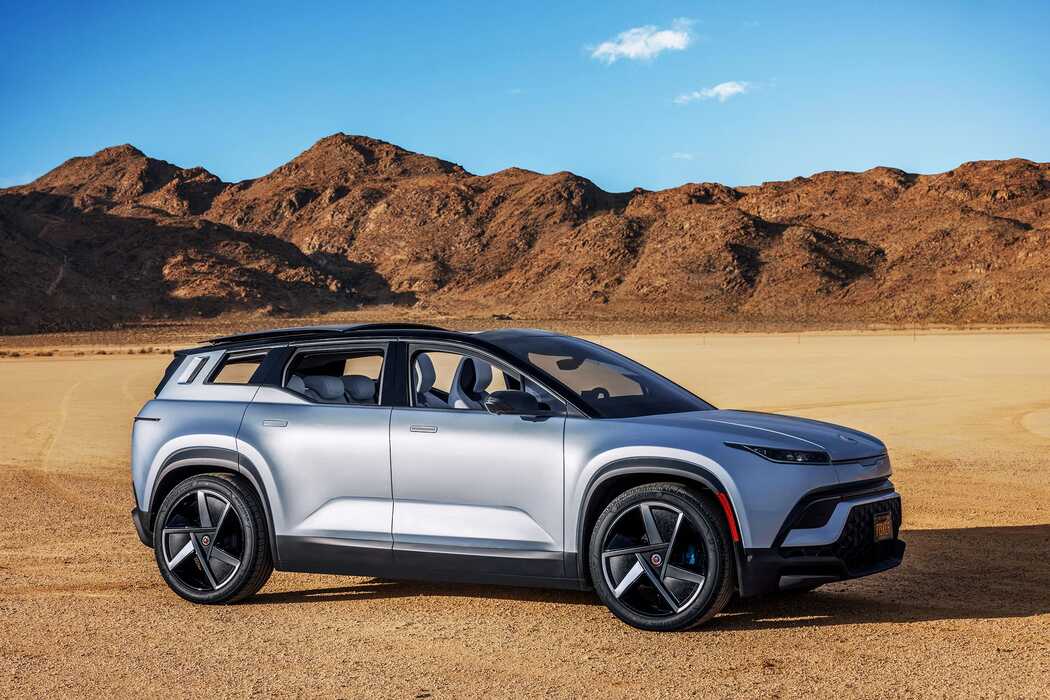

Image: Fisker Ocean
The Fisker Ocean isn’t just an electric SUV—it’s a bold vision of sustainable mobility.
Launched in November 2022, it combines zero-emission driving with eco-conscious design. Its all-electric drivetrain offers up to 350 miles of range, eliminating tailpipe emissions.
The SolarSky roof harnesses solar energy, providing up to 1,500 miles of free driving annually in sunny climates.
Inside, the Ocean features a fully vegan interior, utilizing recycled materials like PET plastics and discarded fishing nets.
Built at a carbon-neutral facility in Austria, the Ocean exemplifies sustainability from production to performance.
Despite production halting in March 2024 due to financial challenges, the Fisker Ocean remains a milestone in eco-friendly automotive innovation.
Key Features:
- Zero-Emission Electric Drivetrain
- Solar Sky Roof
- Sustainable Materials
- Commitment to Sustainability in Production
- Impressive Range and Efficiency
16. Tesla Model 3


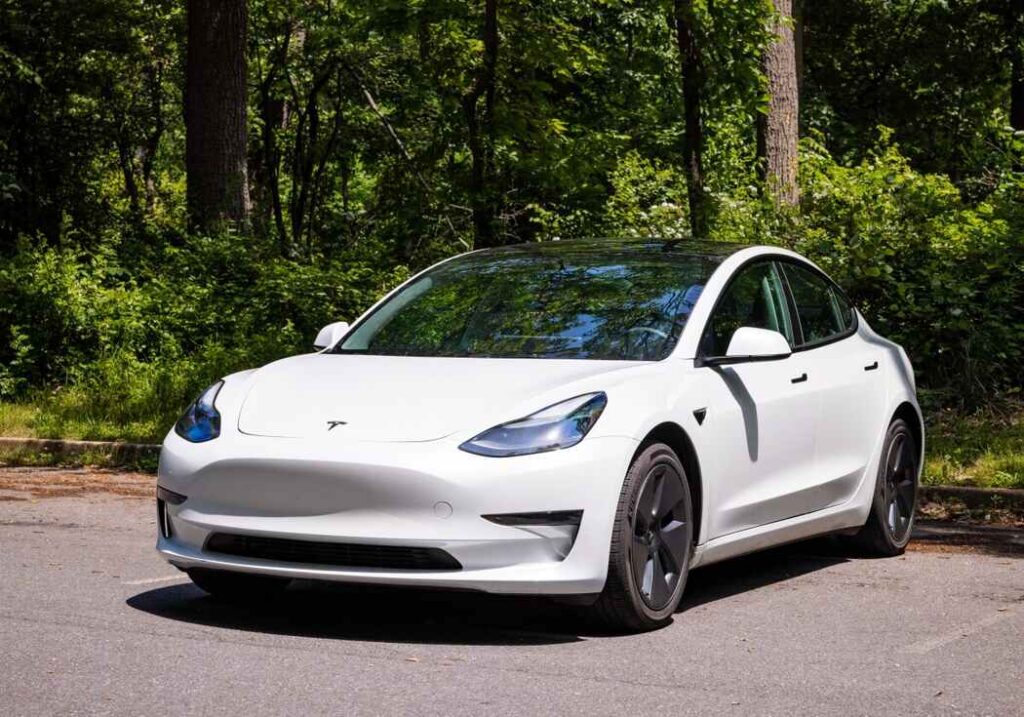


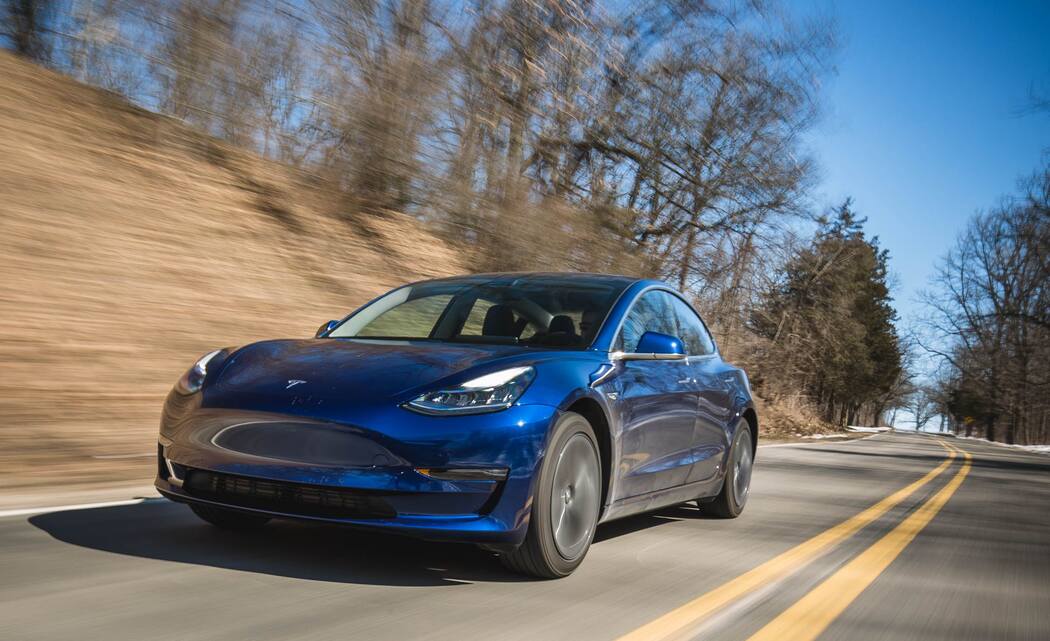
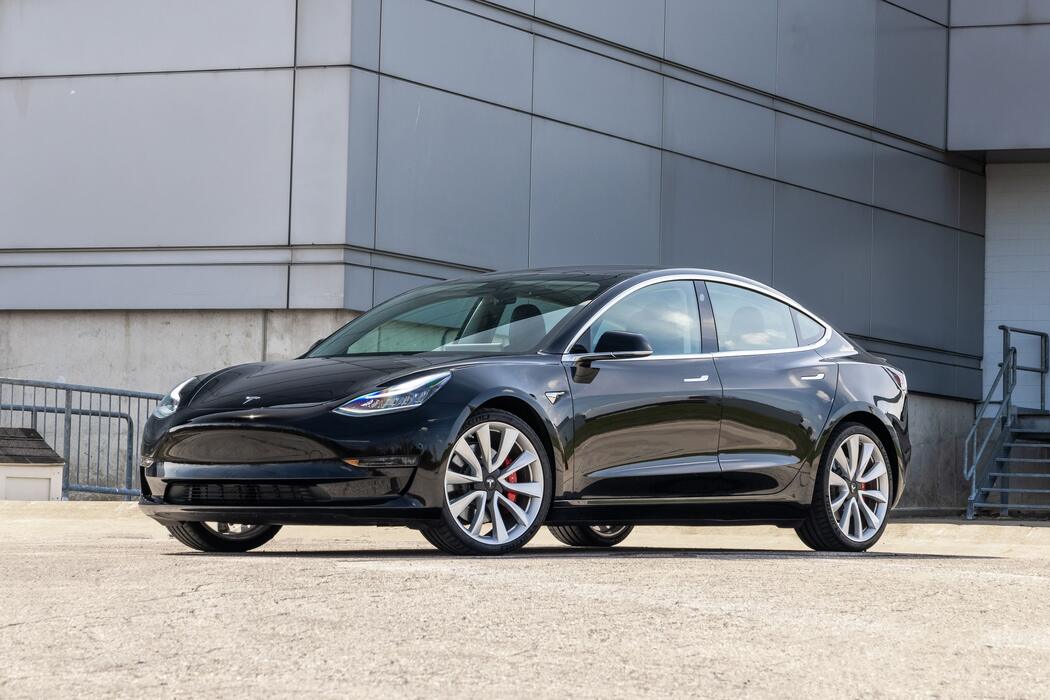

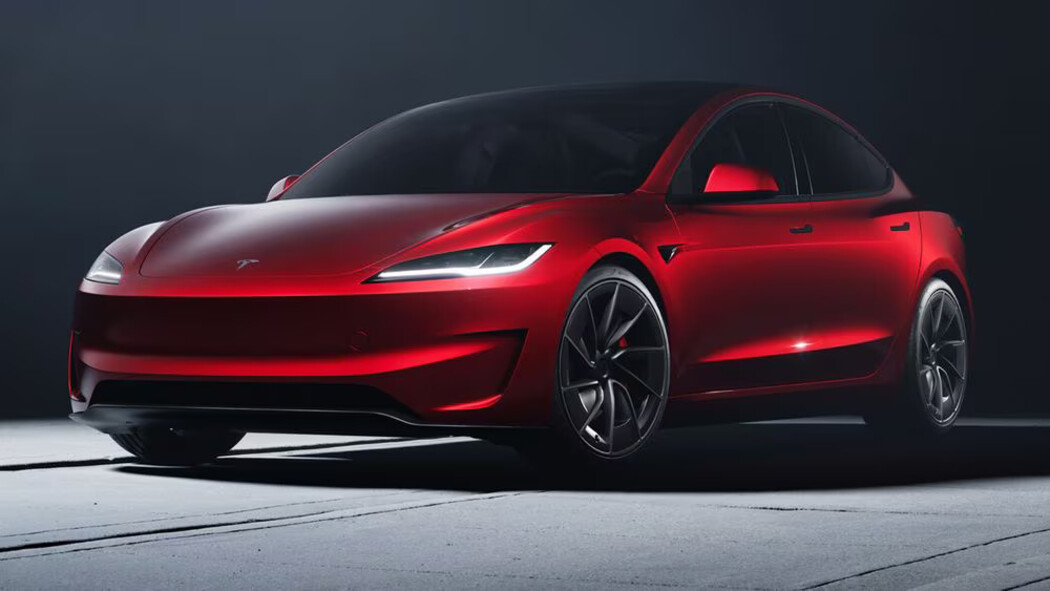
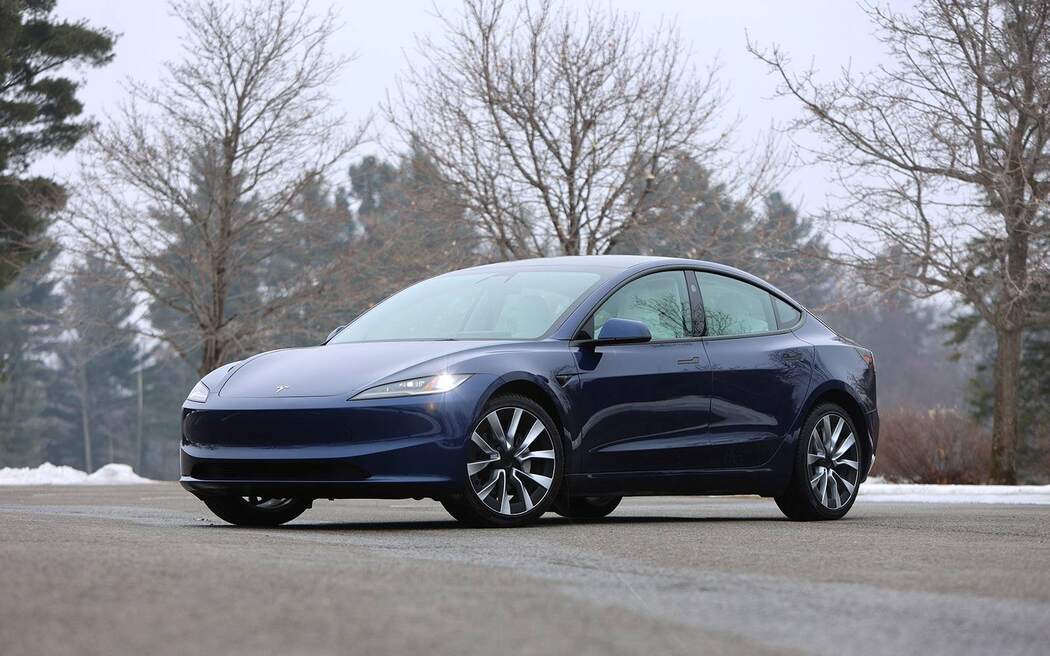
Image: Tesla Model 3
The Tesla Model 3 isn’t just an EV—it’s the car that made electric driving mainstream.
Launched in 2017, it brought together sustainability, speed, and sleek tech at a price that turned heads—and shifted global demand.
With zero tailpipe emissions, the Model 3 slashes urban air pollution and reduces fossil fuel reliance. It’s proof that performance and planet-friendly engineering can coexist.
It delivers up to 358 miles of range, making it one of the most energy-efficient electric cars available today.
Tesla’s Supercharger network eliminates range anxiety, while over-the-air software updates improve efficiency, battery life, and performance—even after you drive it home.
Production also leans green. Tesla uses recycled materials, works to lower the carbon footprint of battery manufacturing, and constantly evolves toward more eco-friendly production.
Still in production today, the Model 3 continues to lead the EV race—one clean mile at a time.
Key Features:
- Zero Tailpipe Emissions
- Up to 358 Miles on a Single Charge
- Supercharger Network for Rapid Charging
- Over-the-Air Software Updates
- Sustainable Production Practices
15. Porsche Taycan
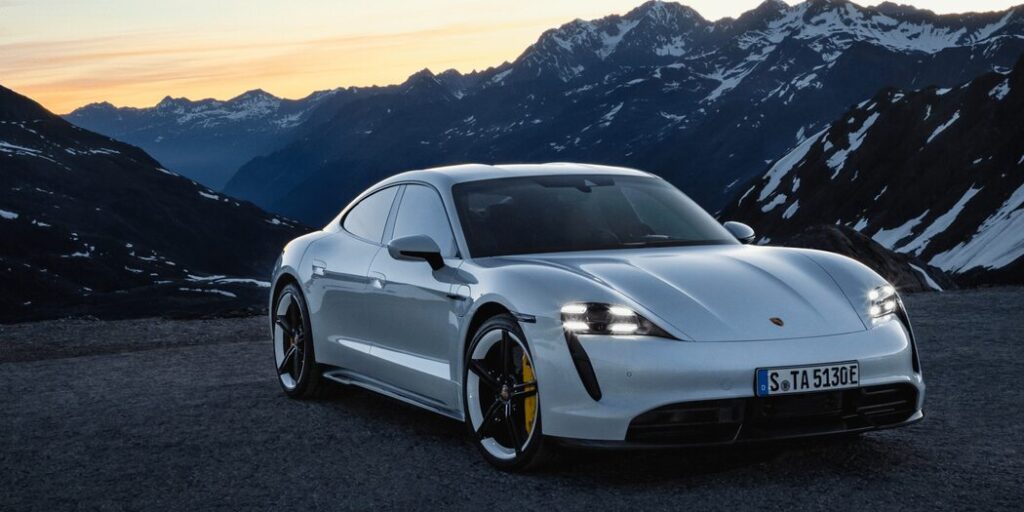
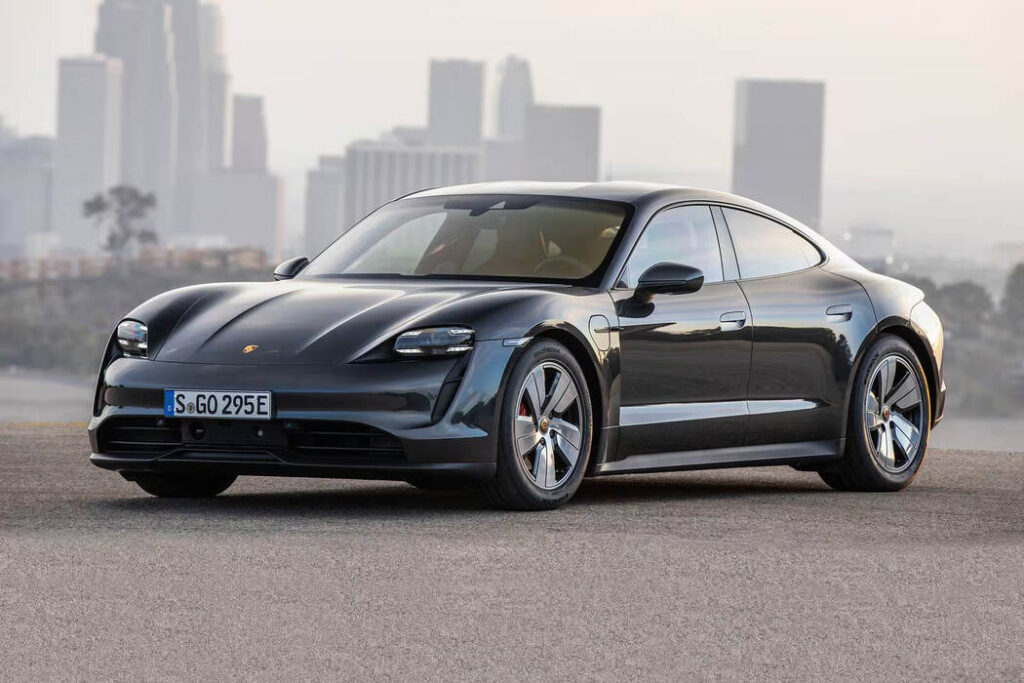
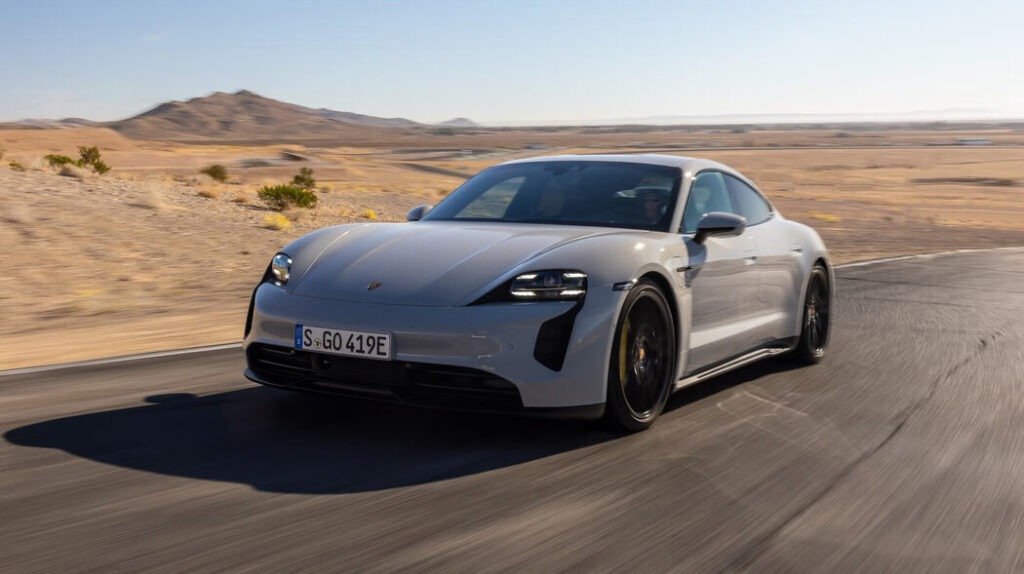

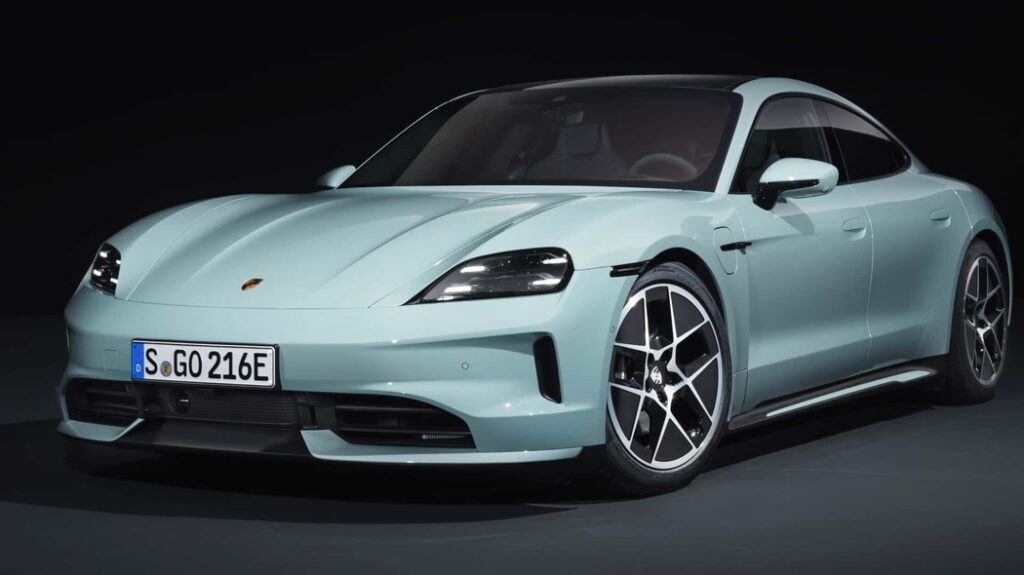

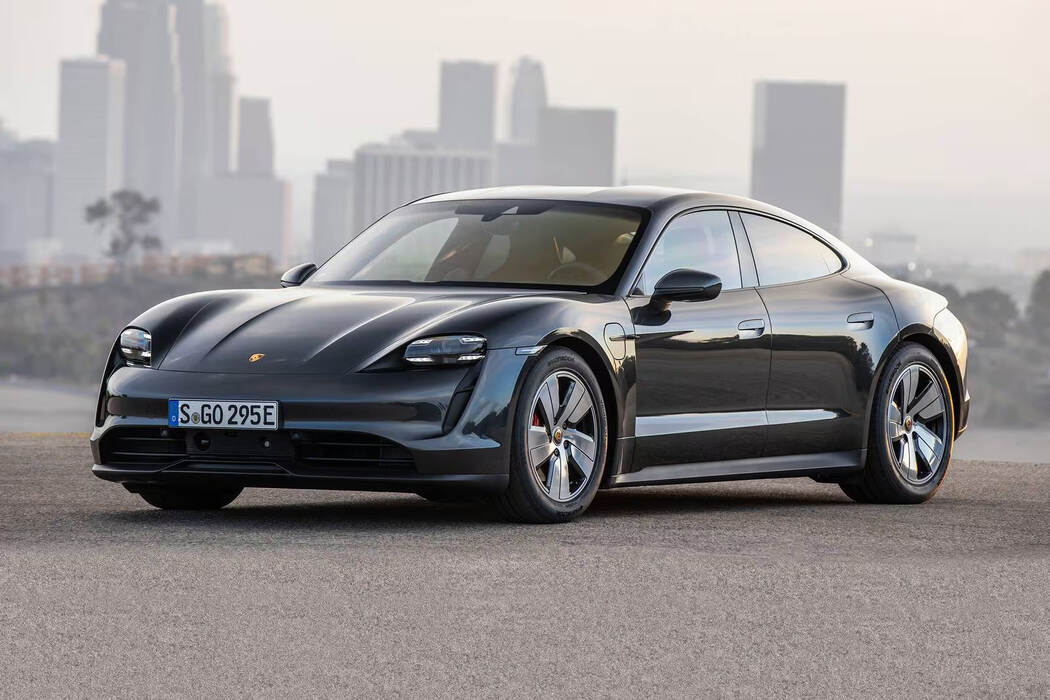
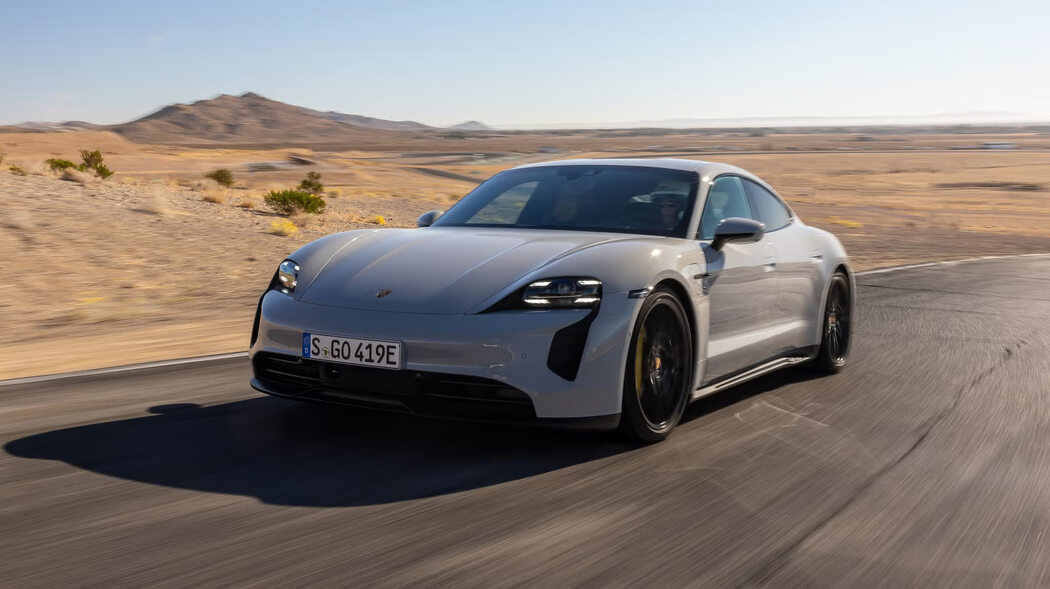

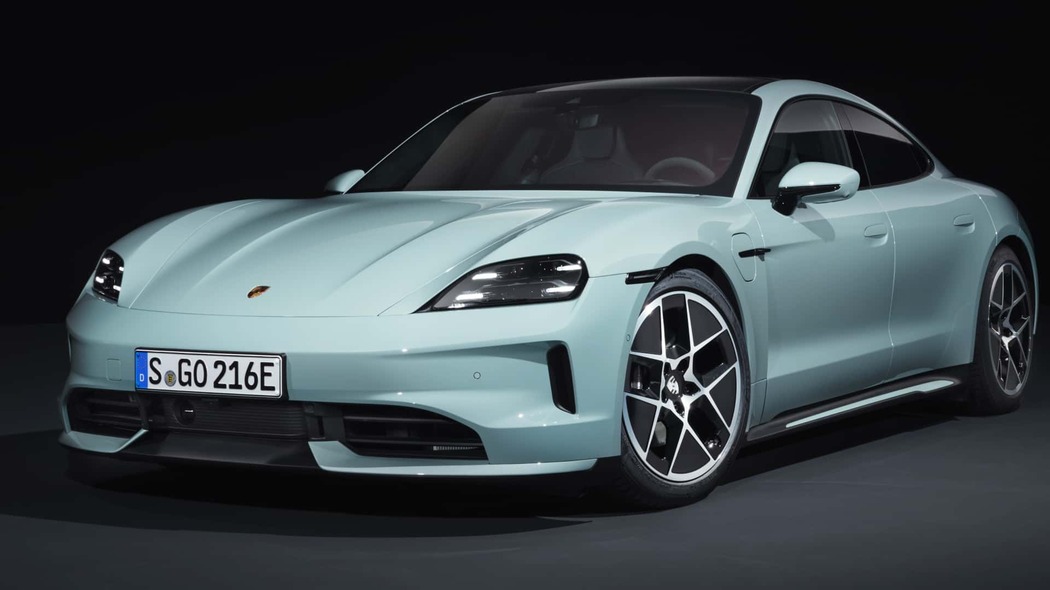
Image: Porsche Taycan
The Porsche Taycan flips the script—proving that speed and sustainability aren’t opposites.
Launched in 2019, this all-electric sports sedan delivers zero tailpipe emissions while staying true to Porsche’s performance DNA.
It’s sleek, fast, and silent—but never boring. With up to 300 miles of range, the Taycan shows you don’t need gas to feel a rush.
Inside, it’s luxury with a conscience—recycled fibers, vegan leather, and a cabin crafted with sustainability in mind.
Even the factory where it’s built is carbon-neutral, making the Taycan eco-friendly before it even hits the road.
Its 800-volt charging system is industry-leading—charging from 5% to 80% in just over 20 minutes, pushing the EV game forward.
Still in production, the Taycan is evolving with new tech, better range, and sharper performance.
It’s not just an electric Porsche—it’s a Porsche that redefines what green driving should feel like.
Key Features:
- Zero Tailpipe Emissions
- Sustainable Interior Materials
- Carbon-Neutral Manufacturing
- 800-Volt Ultra-Fast Charging
- Up to 300-Mile Range
14. Mazda MX-30


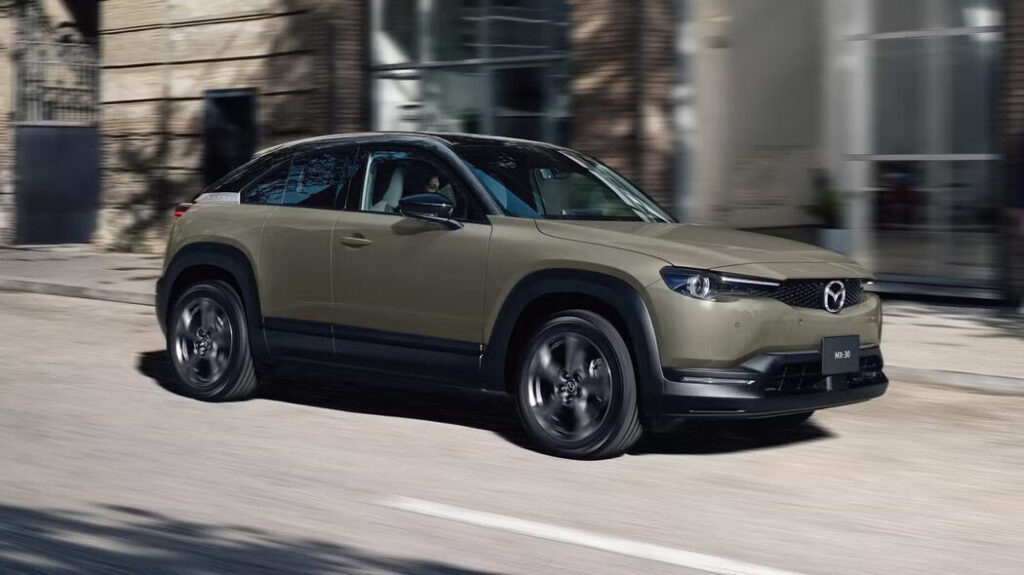
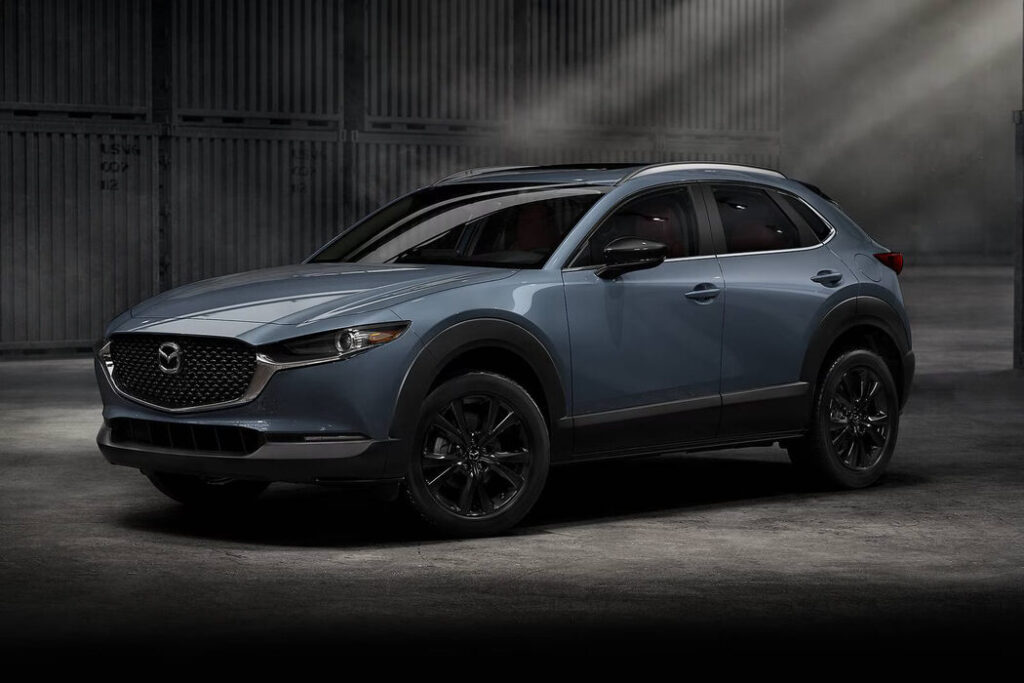

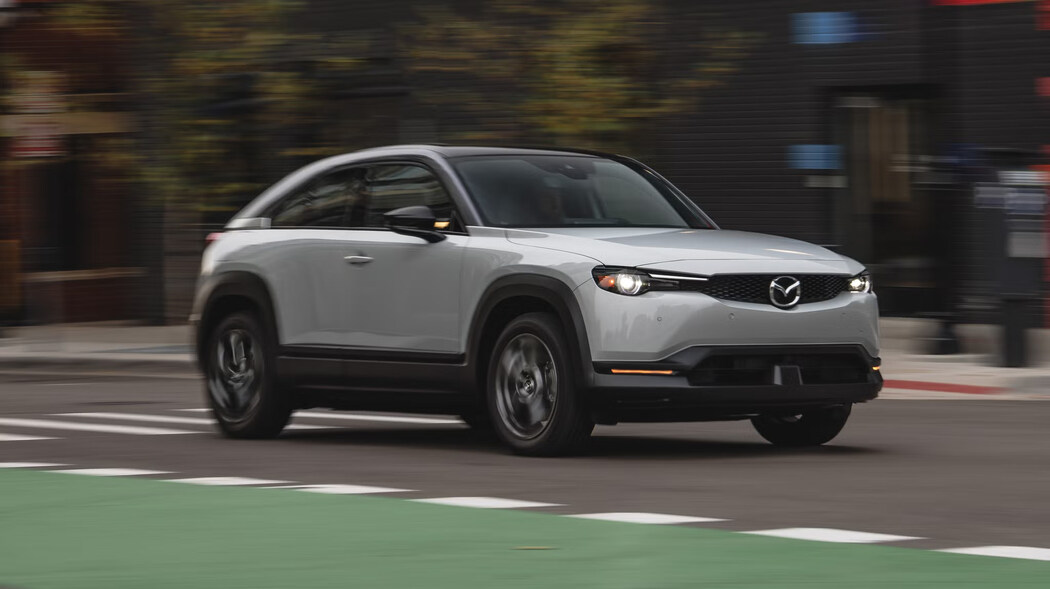

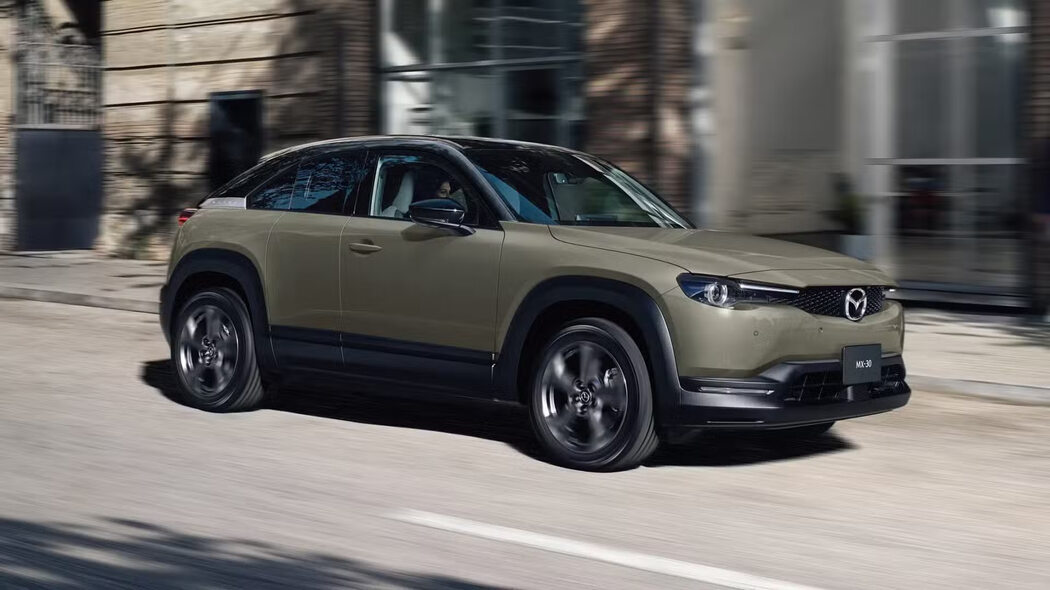
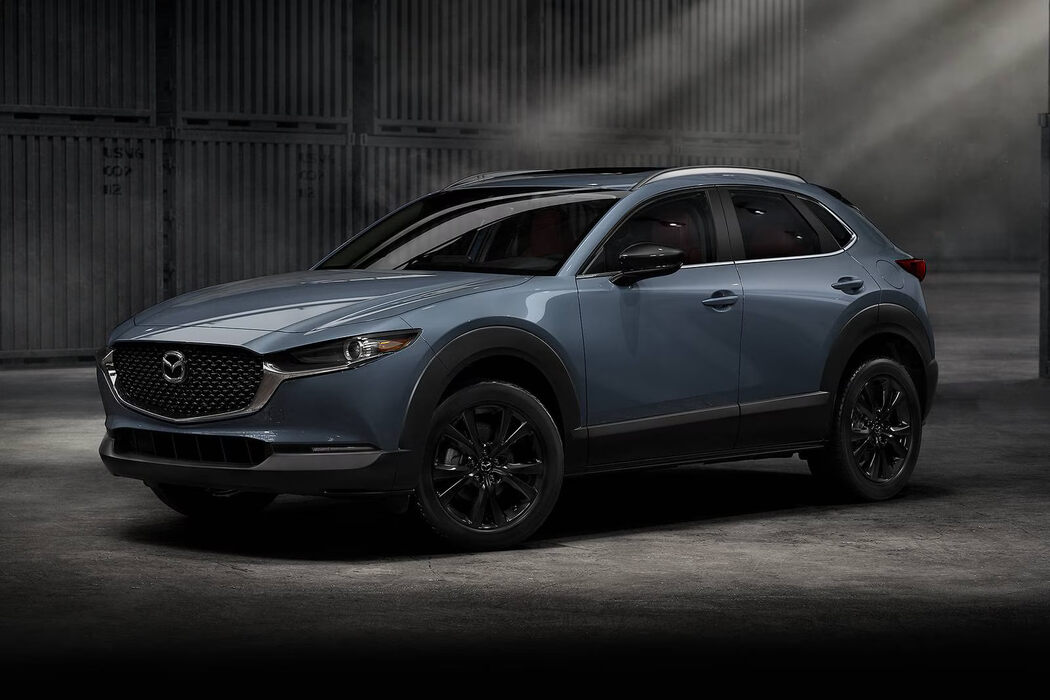
Image: Mazda MX-30
The Mazda MX-30 isn’t about overkill—it’s about thoughtful sustainability done right.
Launched in 2020, it marked Mazda’s first all-electric step into a greener future.
With a 35.5 kWh battery, it offers around 100 miles of range—perfect for city driving without the excess battery waste.
Inside, it’s a minimalist eco-haven: cork trim, recycled fabrics, and materials chosen to reduce environmental impact without losing Mazda’s design soul.
It uses regenerative braking, so even slowing down helps recharge—making every mile more efficient.
While it’s been discontinued in the U.S. as of 2023, production continues globally, still offering zero-emission driving in a refined, eco-conscious package.
The MX-30 proves you don’t need to chase giant numbers to build a car that’s truly green.
Key Features:
- Efficient 35.5 kWh Battery
- Zero Tailpipe Emissions
- Cork & Recycled Interior Materials
- Regenerative Braking
- Discontinued in U.S. (2023), Still Available Internationally
13. Honda Clarity Fuel Cell


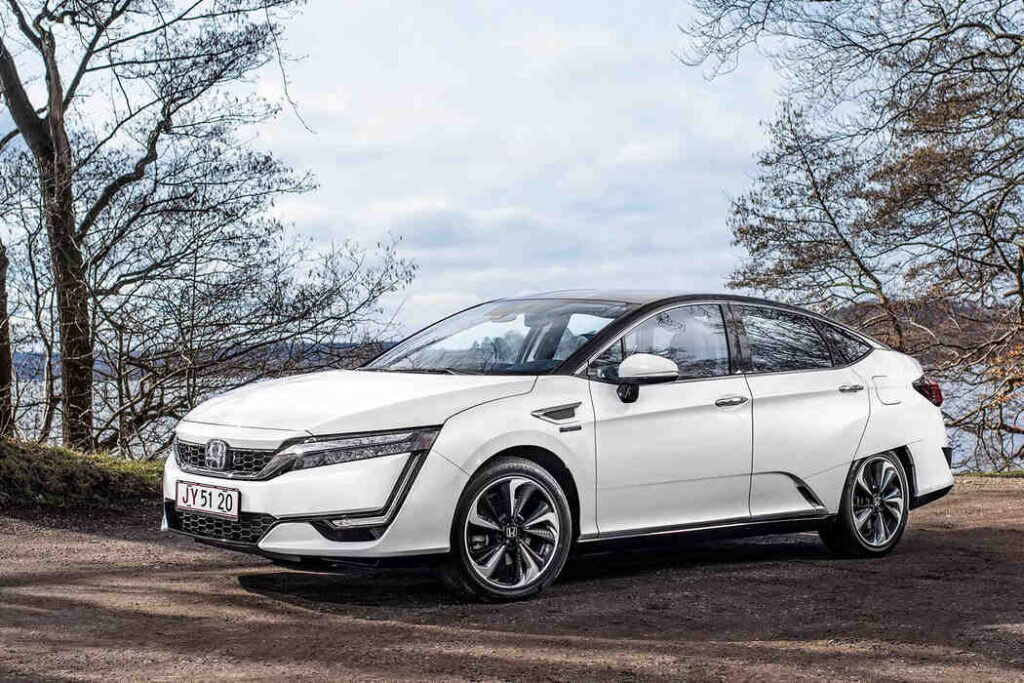
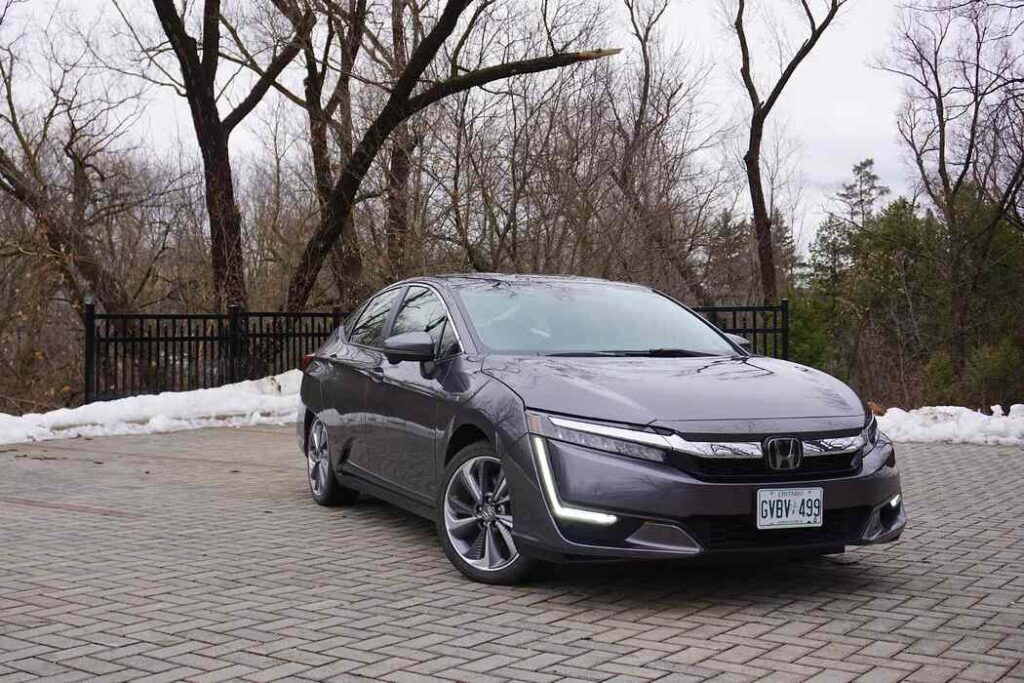
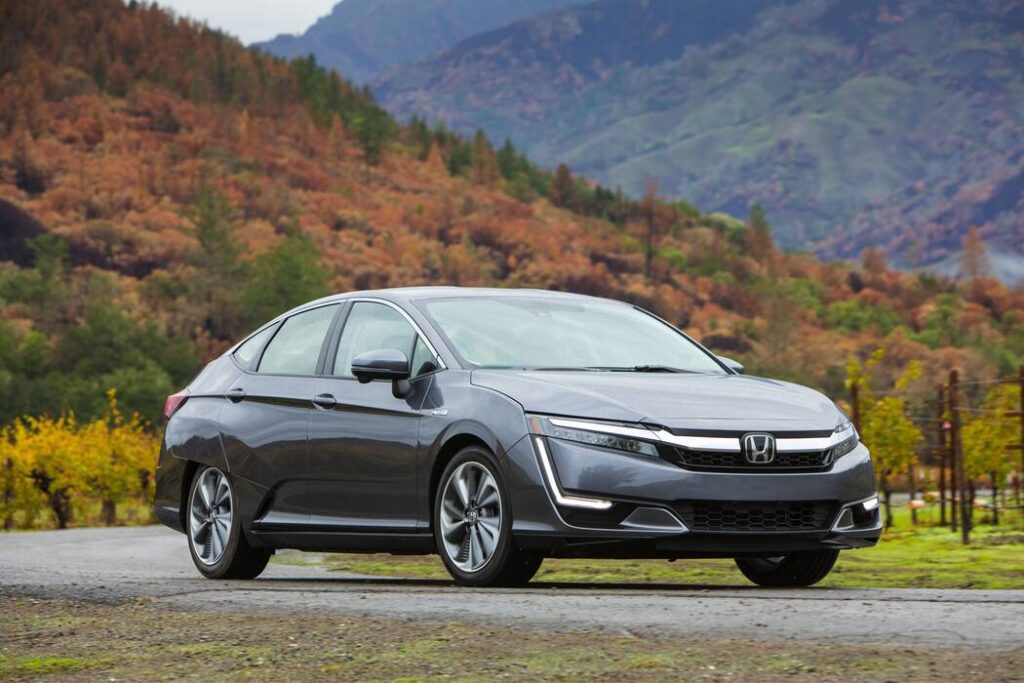
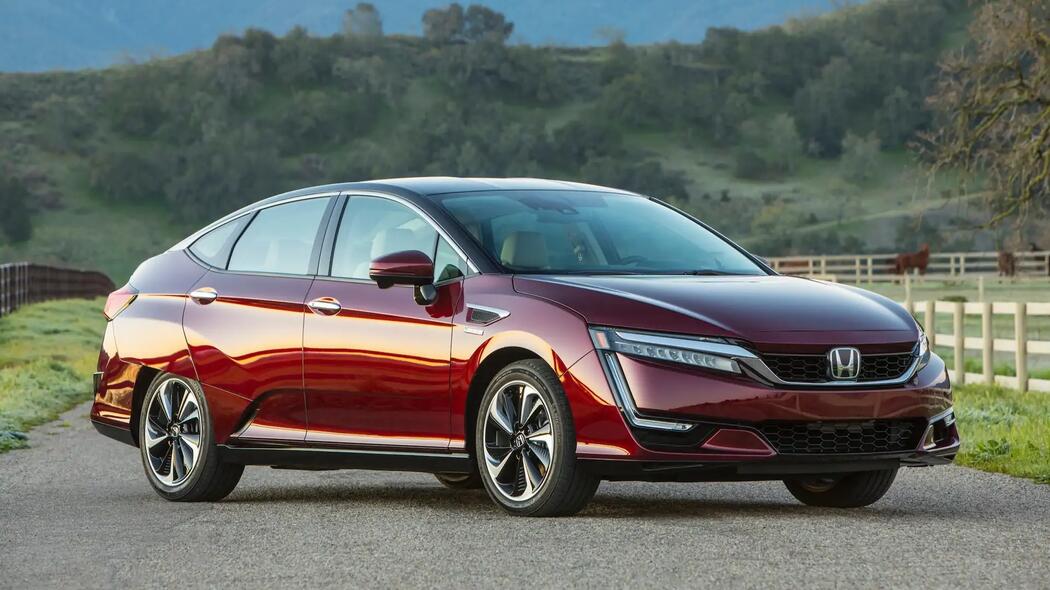
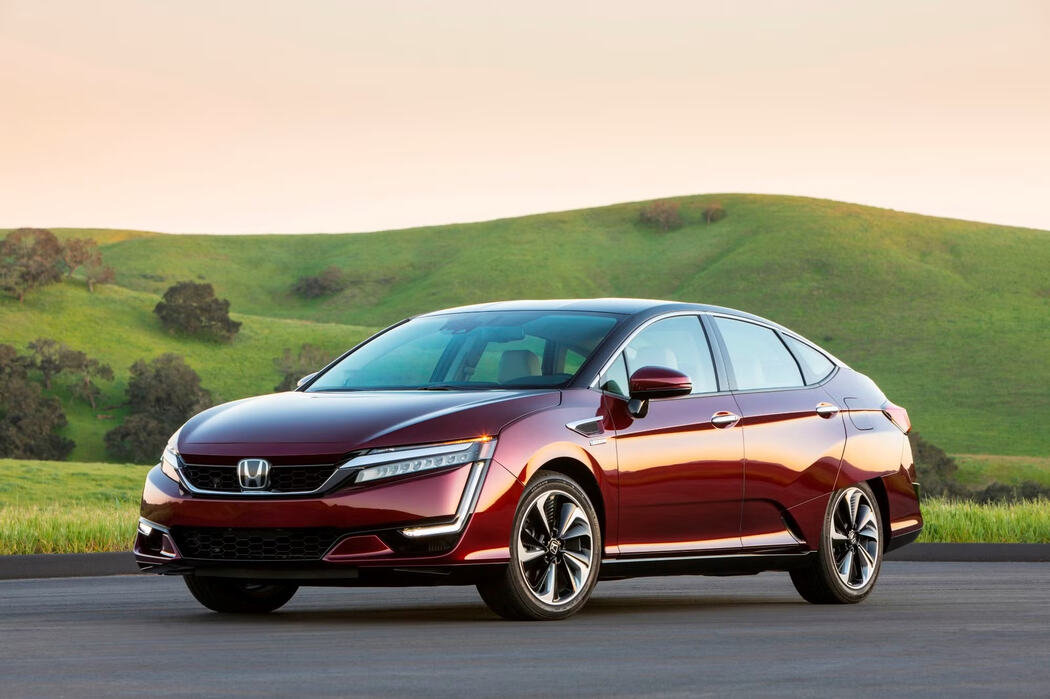
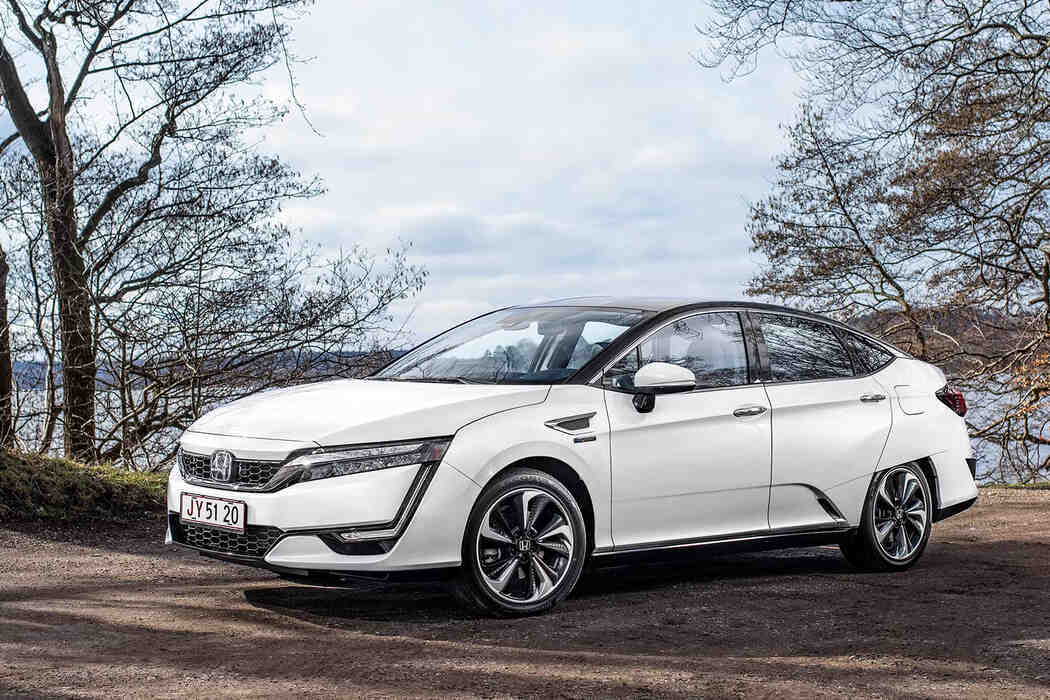
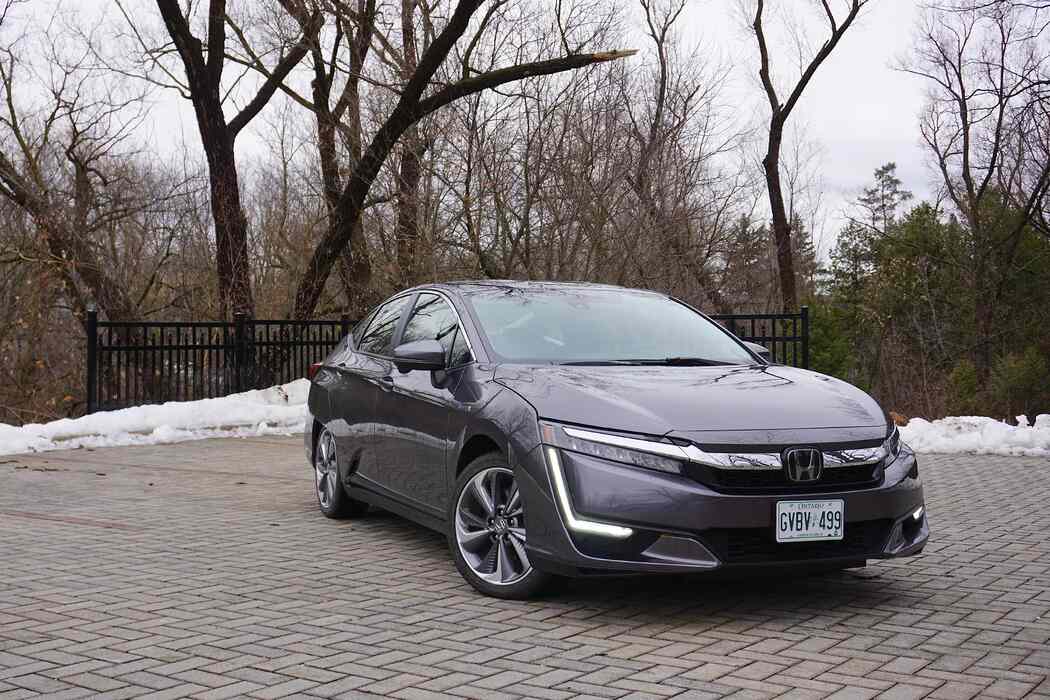
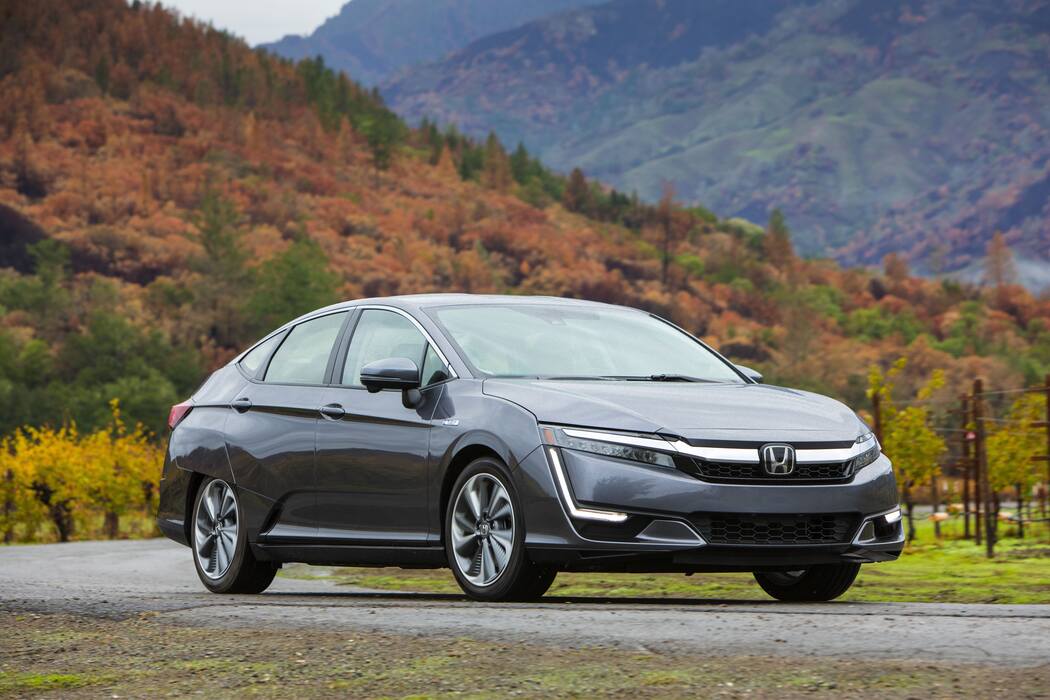
Image: Honda Clarity Fuel Cell
The Honda Clarity Fuel Cell wasn’t just a car—it was a bold experiment in clean energy.
Launched in 2016, it ran on hydrogen and emitted nothing but water vapor—that’s it.
With 360 miles of range and refueling in under 5 minutes, it gave drivers the EV perks without the wait time.
Inside, it stayed on theme: eco-friendly materials, modern simplicity, and Honda’s smooth electric ride.
Sadly, due to limited hydrogen infrastructure, Honda discontinued the Clarity in 2021.
But it wasn’t a failure—it was a milestone.
It showed us what zero-emission driving could feel like without compromise.
Key Features:
- Hydrogen Fuel Cell – Zero Emissions (Only Water Vapor)
- Up to 360-Mile Range
- Refuels in Just 3–5 Minutes
- Eco-Friendly Interior
- Discontinued in 2021 (Infrastructure Limitations)
12. Lucid Air
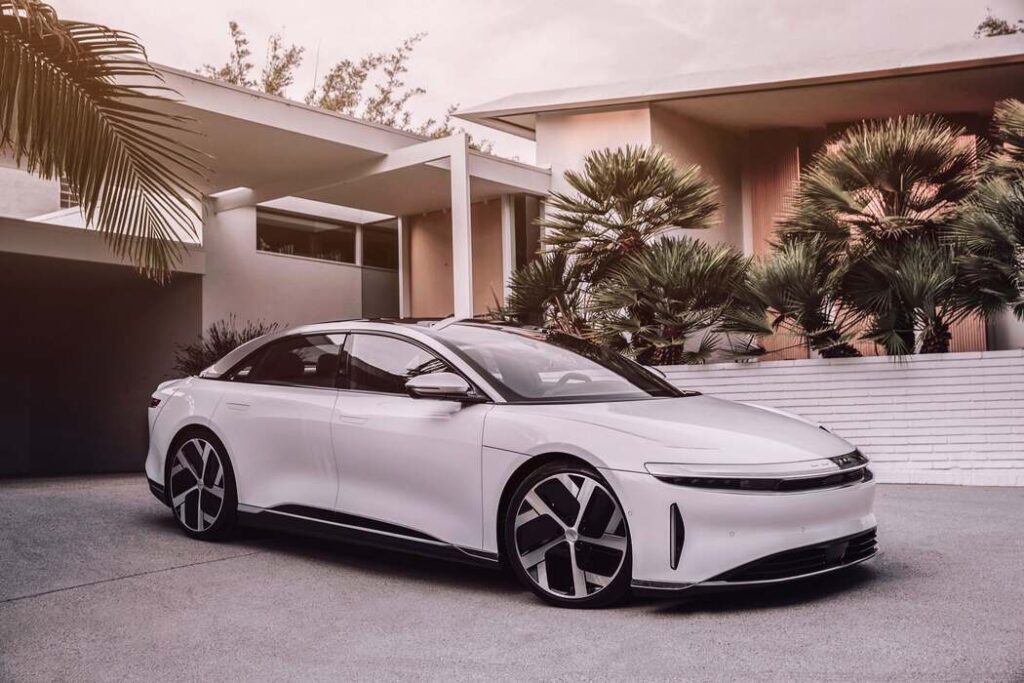
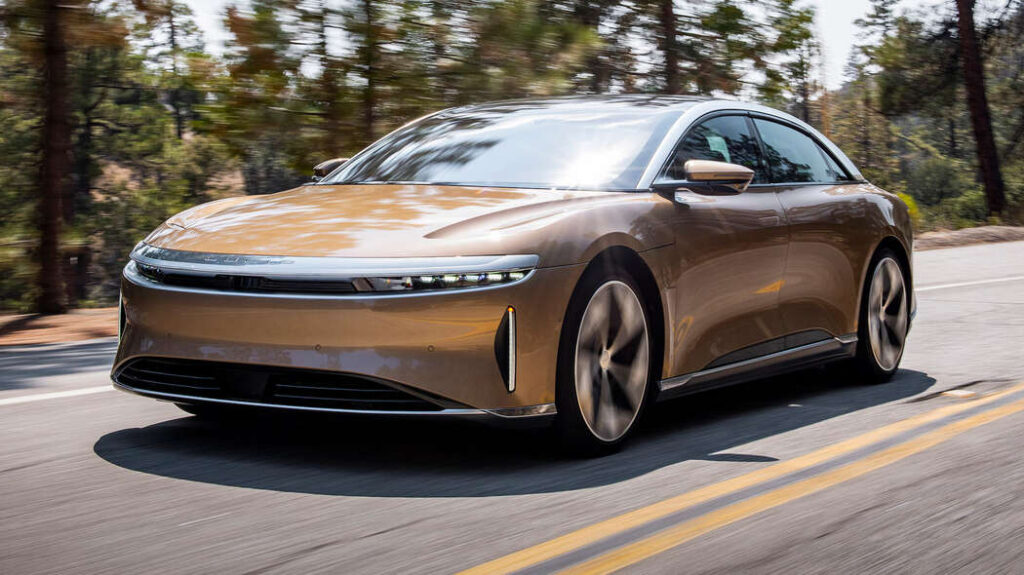


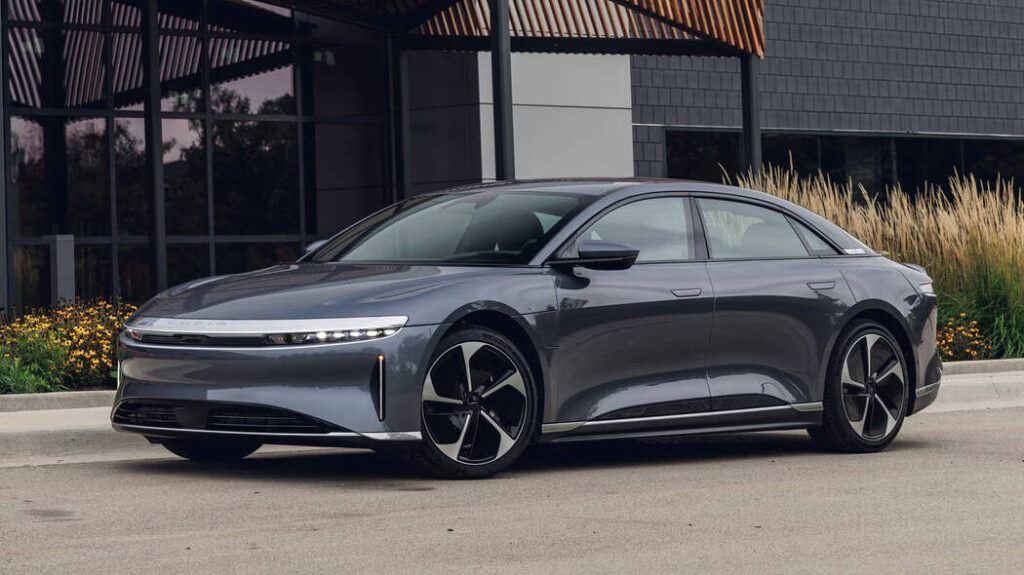
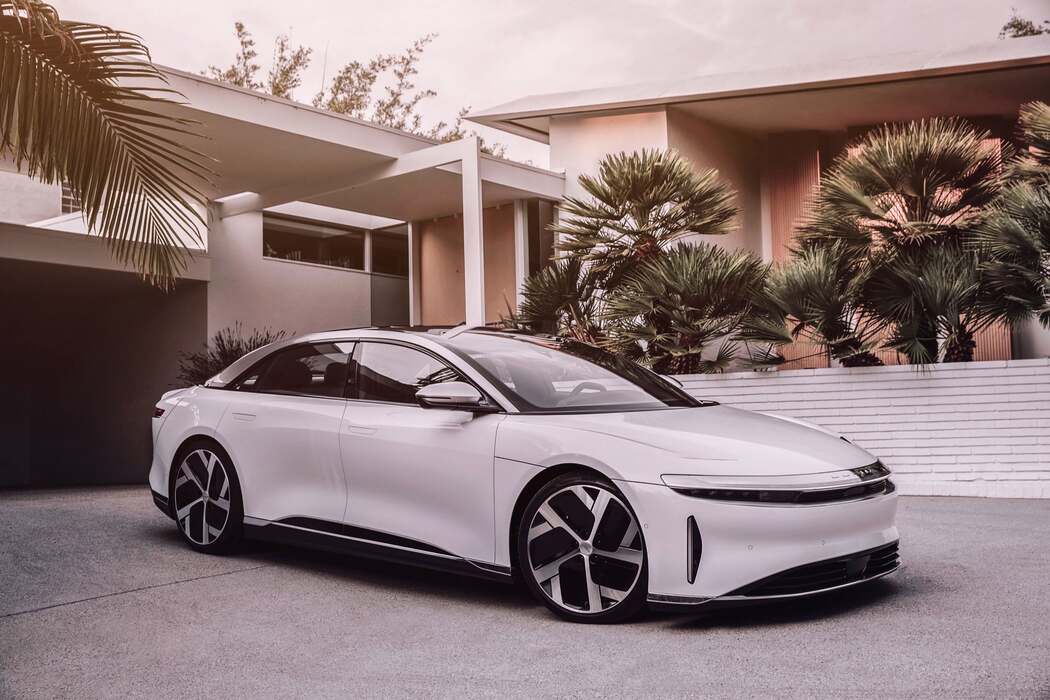
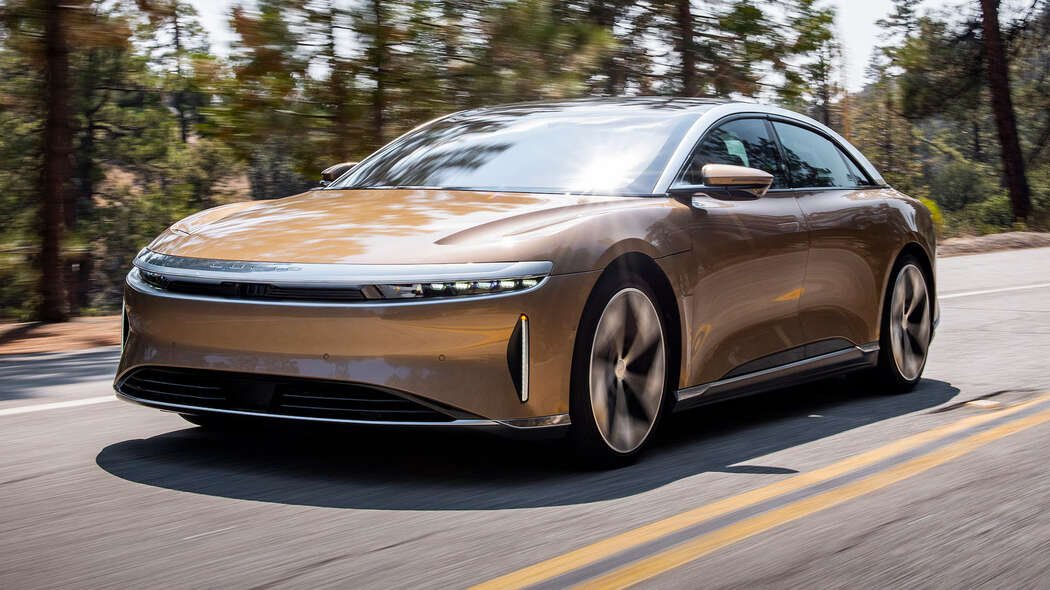
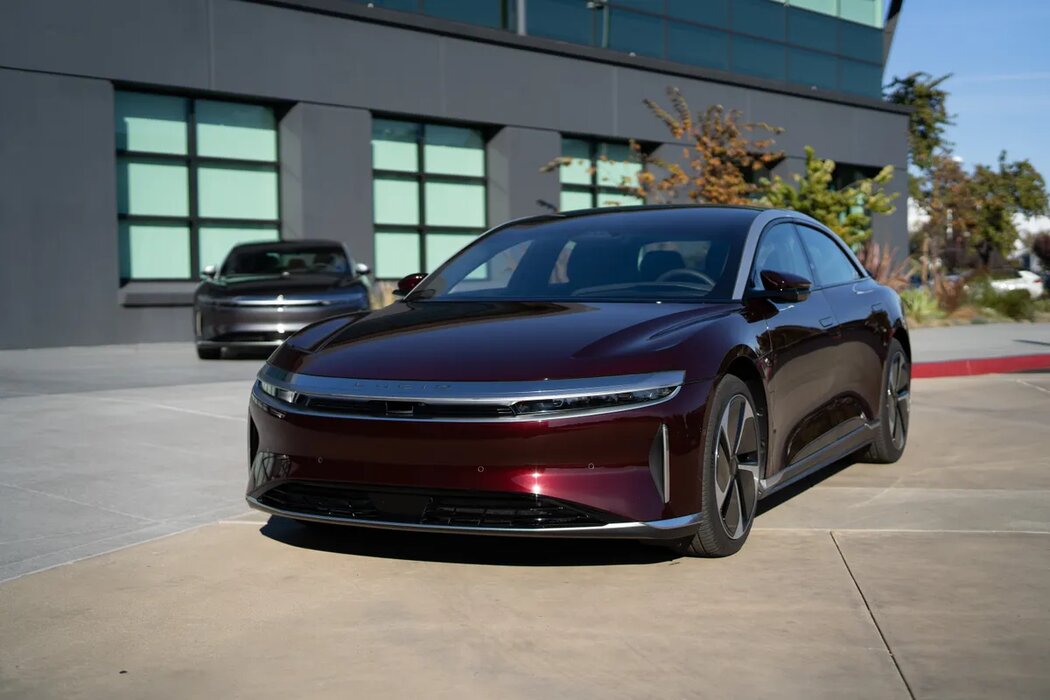

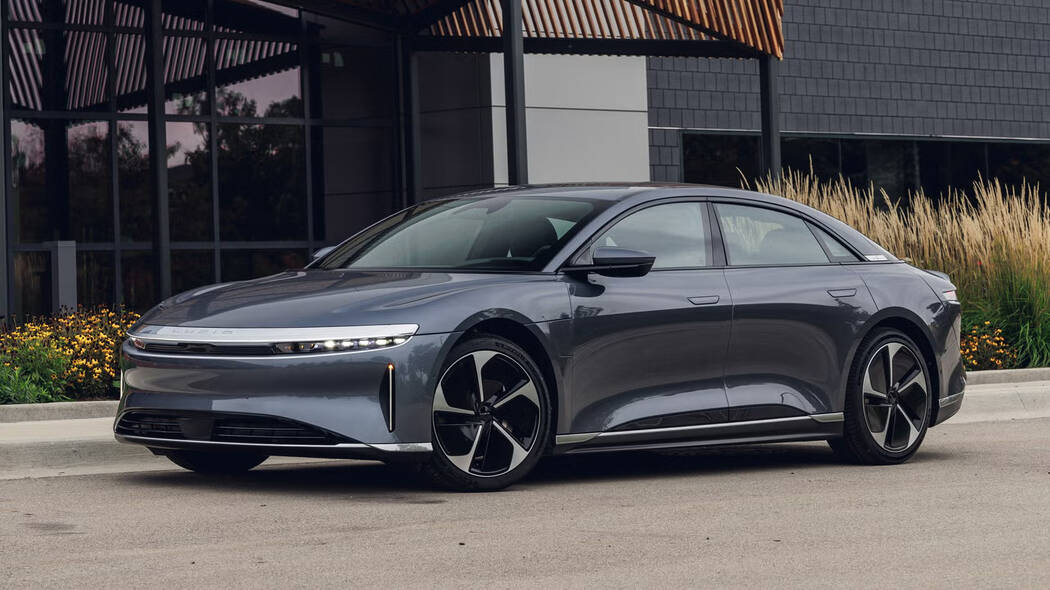
Image: Lucid Air
The Lucid Air isn’t just luxury—it’s the future of clean mobility wrapped in speed and silence.
Launched in 2021, it delivers a record-breaking 516-mile range—more than any other EV on the road today.
It runs purely on electricity, meaning zero tailpipe emissions and a driving experience that’s smooth, quiet, and powerful.
Inside, you’ll find vegan leather, recycled materials, and a tech-loaded cabin that doesn’t cut corners on sustainability.
Its ultra-fast charging adds 300 miles in 20 minutes, making it as convenient as it is clean.
With aerodynamic design, a lightweight platform, and next-gen battery tech, the Lucid Air doesn’t just impress—it leads.
Key Features:
- 516-Mile Range – Longest of Any EV
- Zero Tailpipe Emissions
- Fast Charging – 300 Miles in 20 Minutes
- Recycled & Vegan Interior
- Aerodynamic & Lightweight for Maximum Efficiency
11. Toyota Mirai
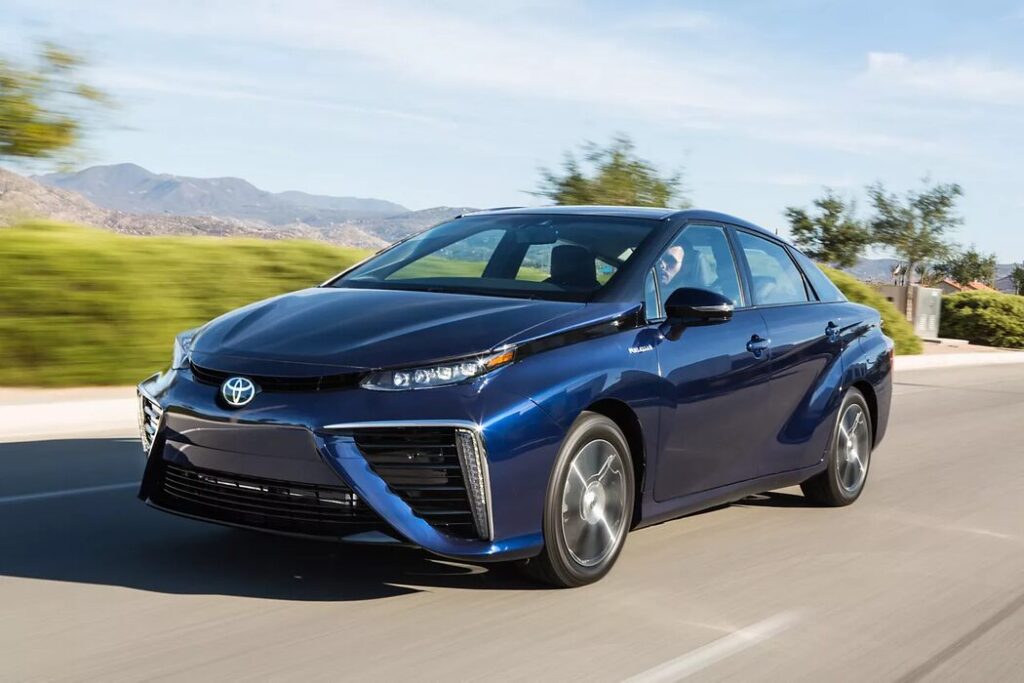


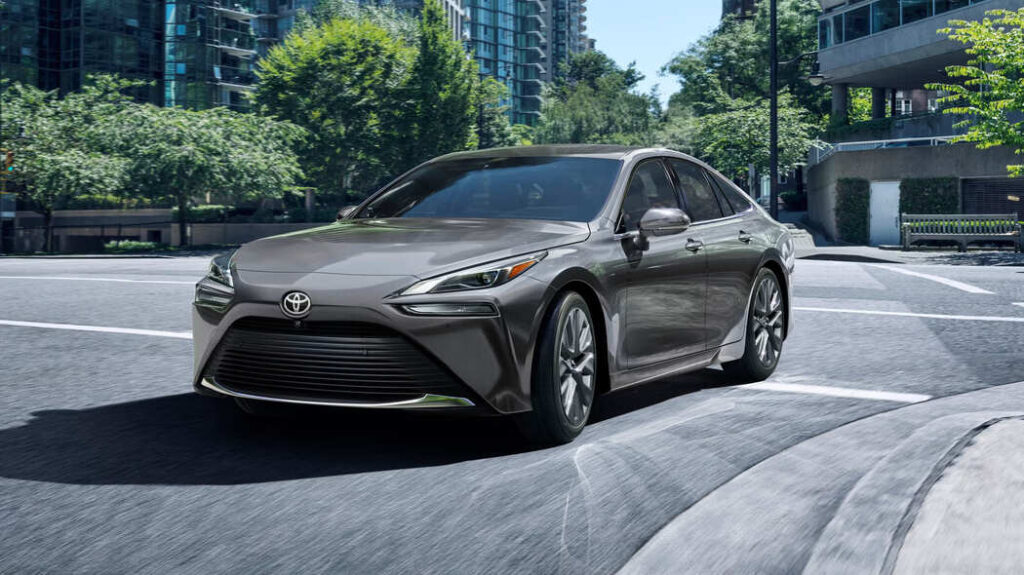

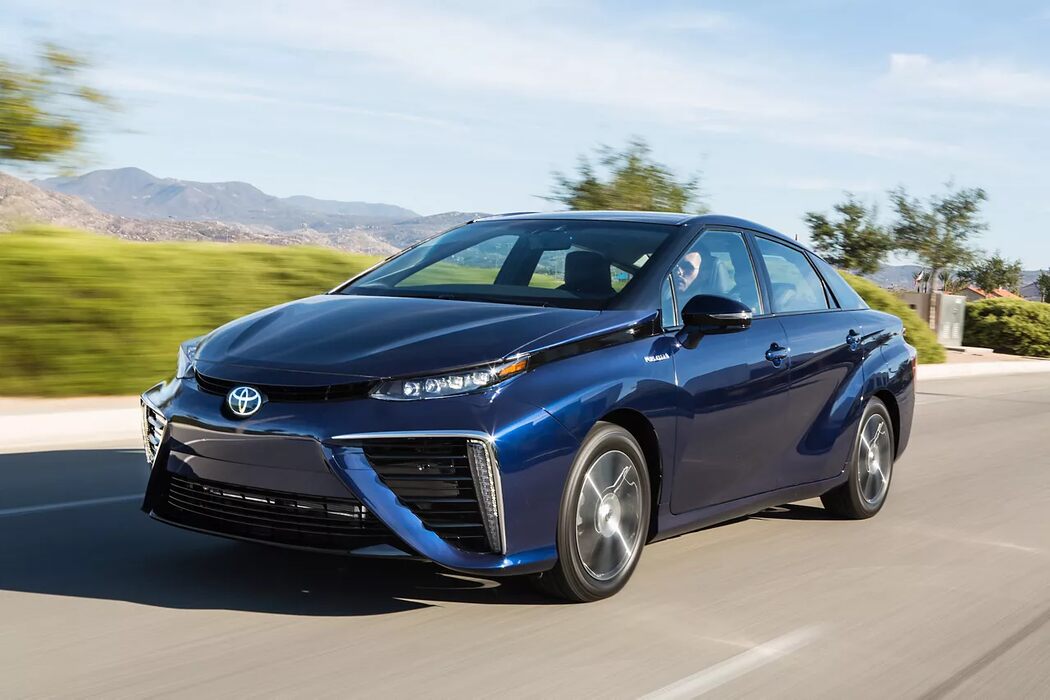

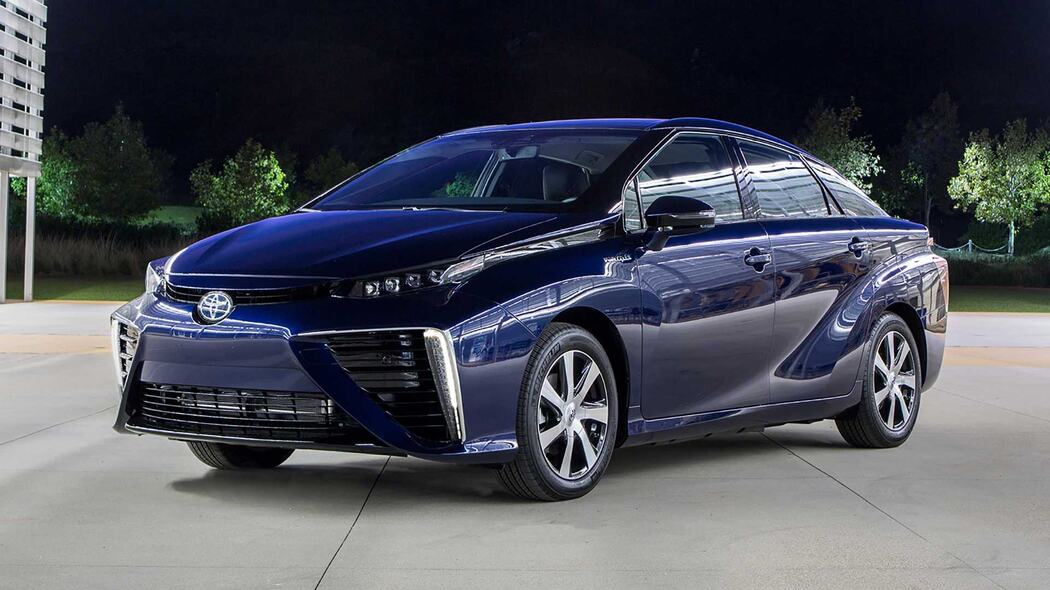
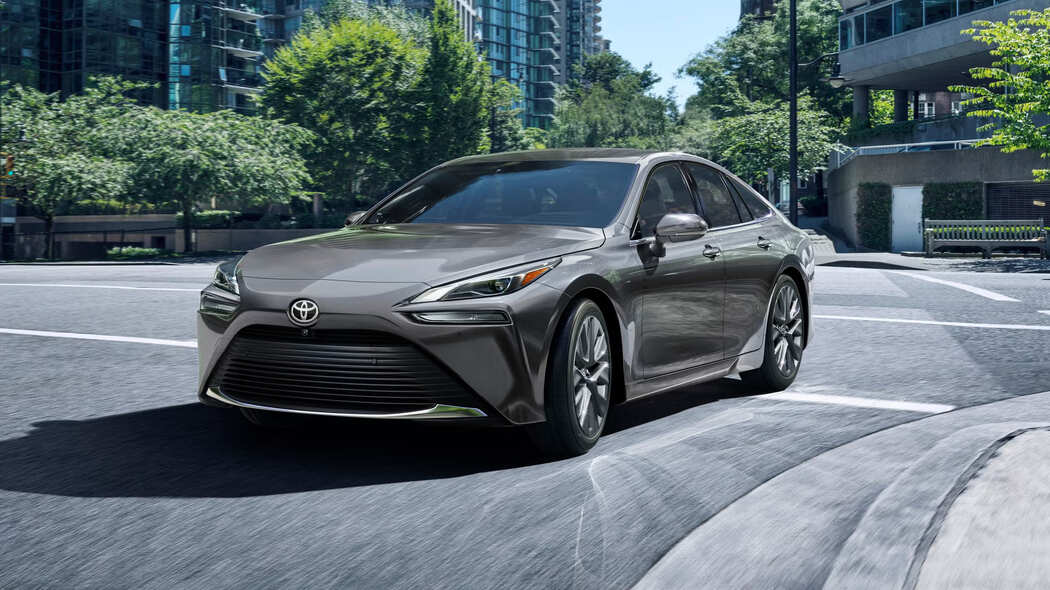
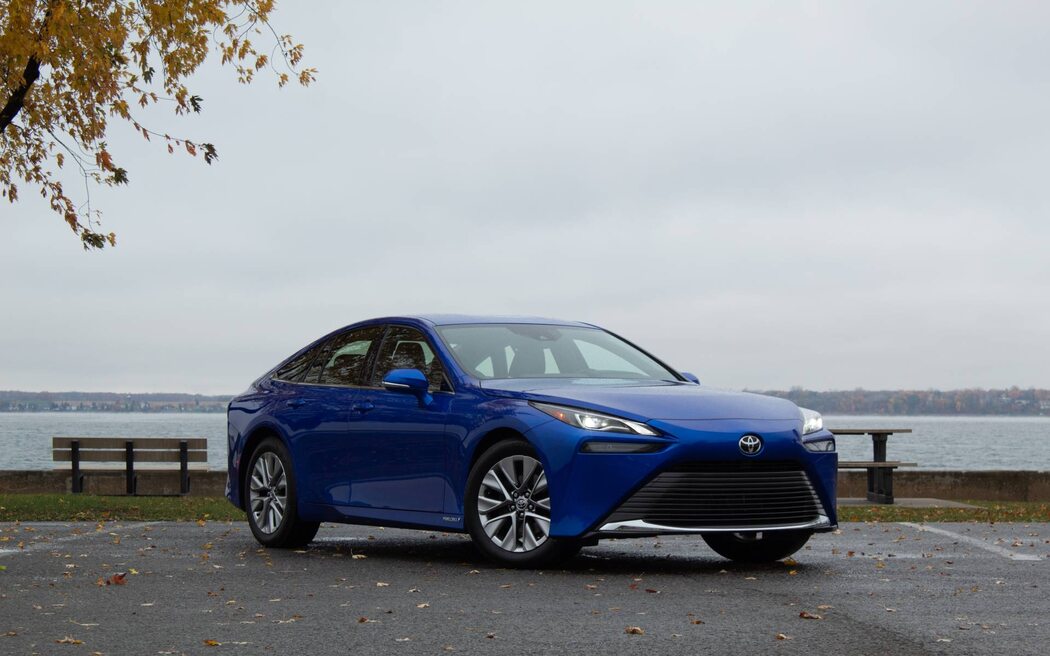
Image: Toyota Mirai
The Toyota Mirai doesn’t reduce emissions—it erases them. That’s not an exaggeration.
Launched in 2014, this hydrogen-powered fuel cell car emits only water vapor—no gas, no smoke, just clean air.
It doesn’t need hours of charging either. Just 5 minutes at a hydrogen station, and you’re ready to drive up to 402 miles.
The Mirai makes its electricity onboard using hydrogen, cutting fossil fuel reliance and offering smooth, silent driving.
Inside, you’ll find eco-conscious materials, showing that sustainability isn’t just under the hood—it’s everywhere.
Toyota’s continued development of the Mirai proves they’re serious about a hydrogen-powered future—and the Mirai is paving that road.
Key Features:
- Zero Emissions – Only Water Vapor
- 402-Mile Range per Refill
- Hydrogen-Powered Fuel Cell System
- 5-Minute Refueling Time
- Eco-Friendly Interior Materials
10. Volkswagen ID.4
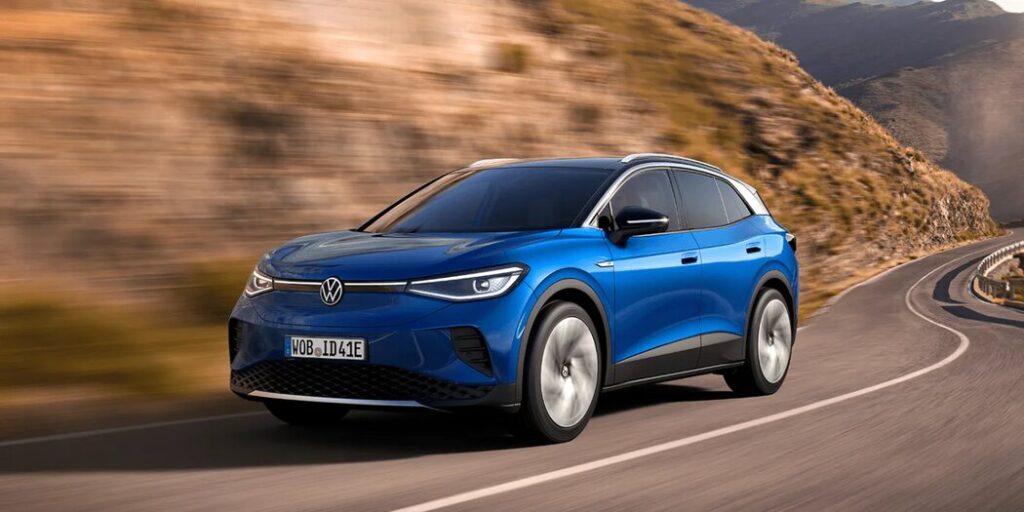

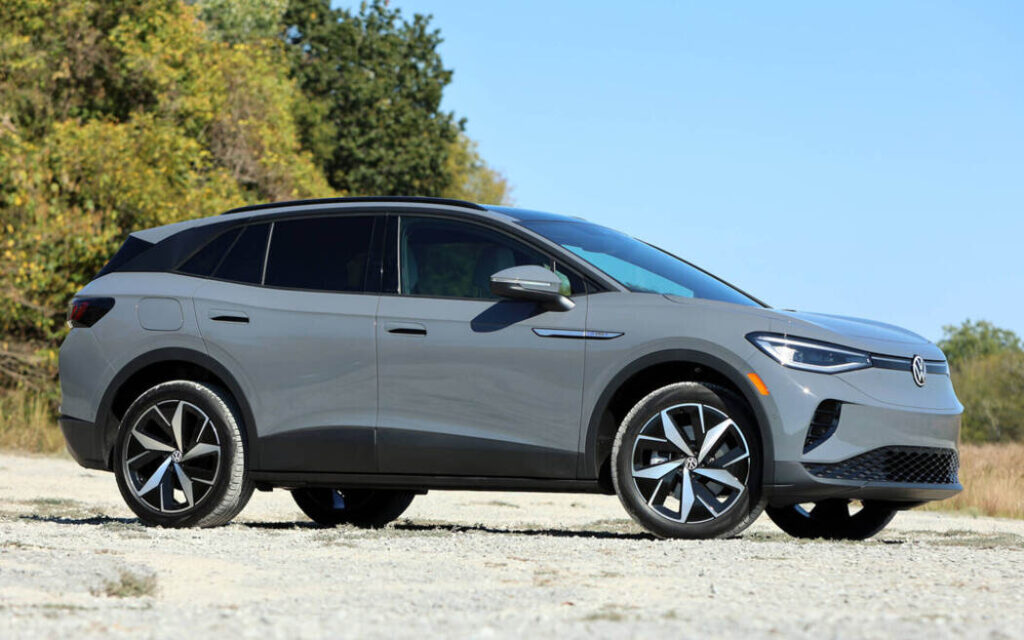
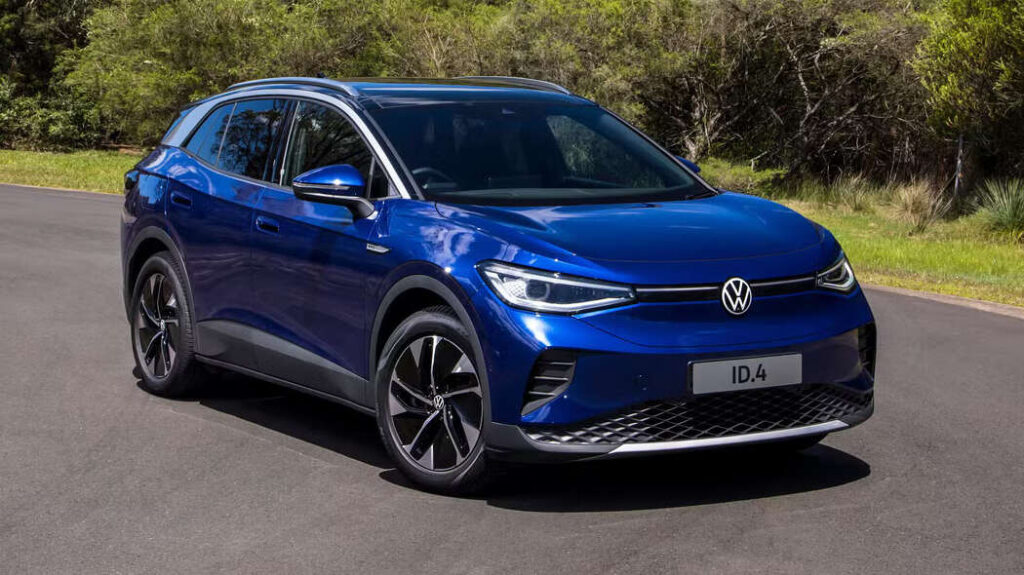
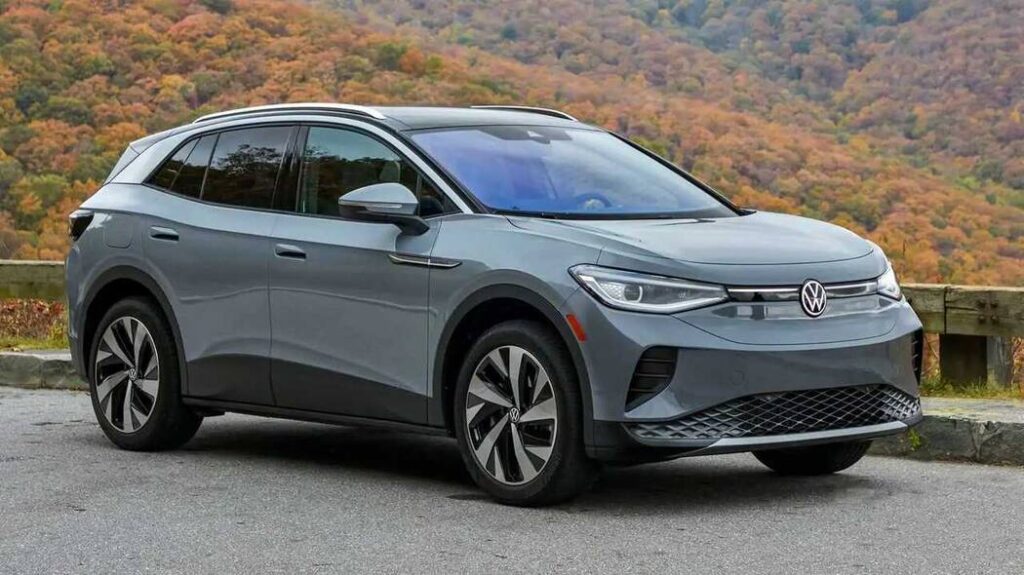
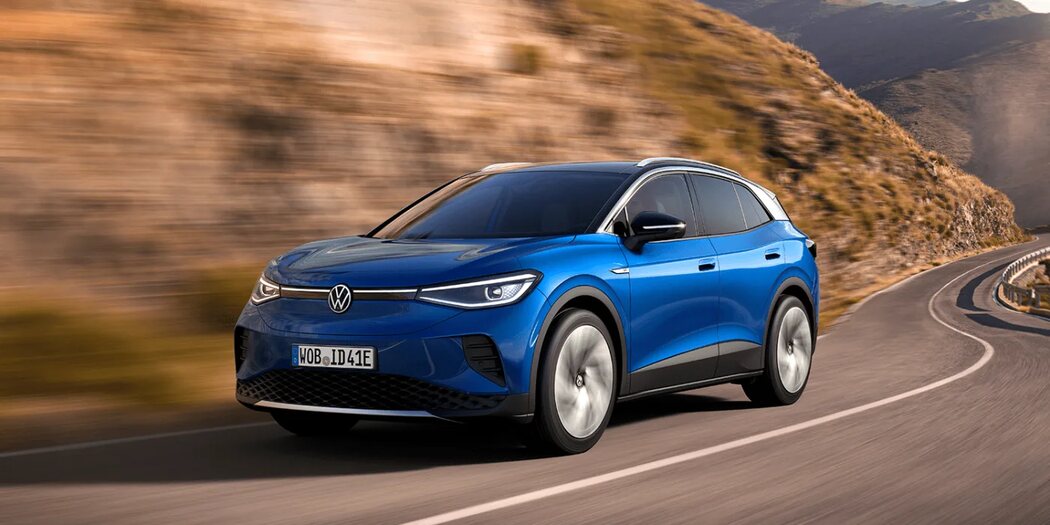

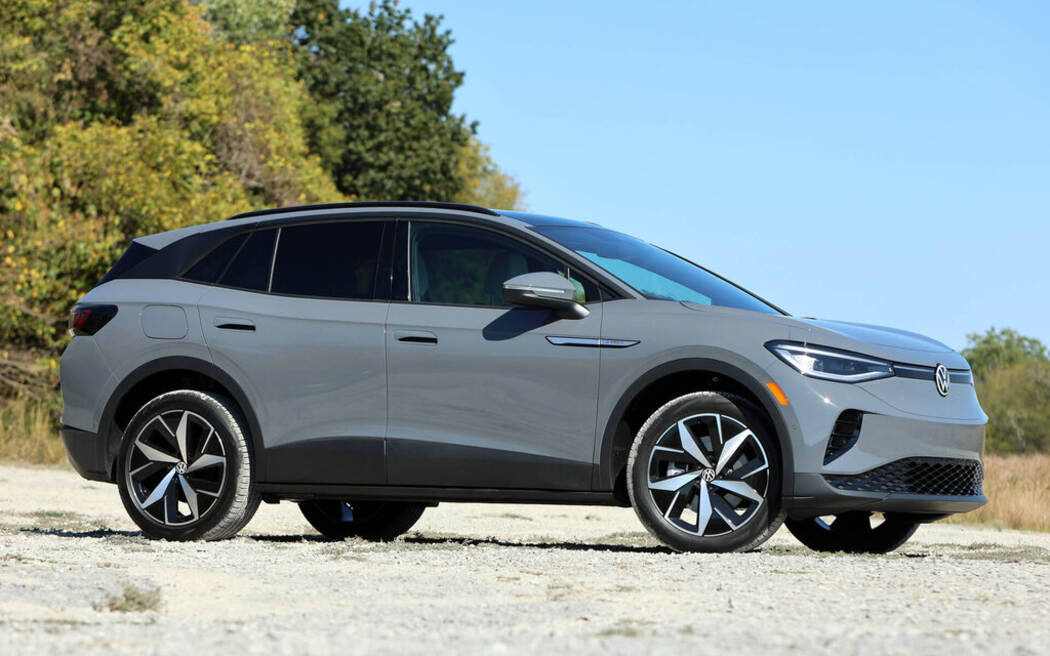
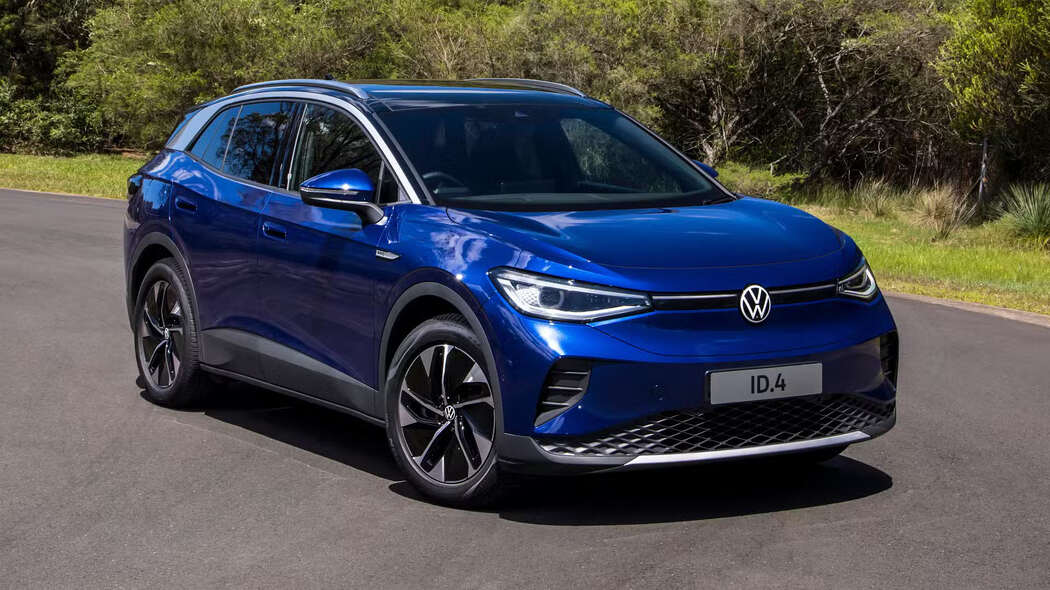
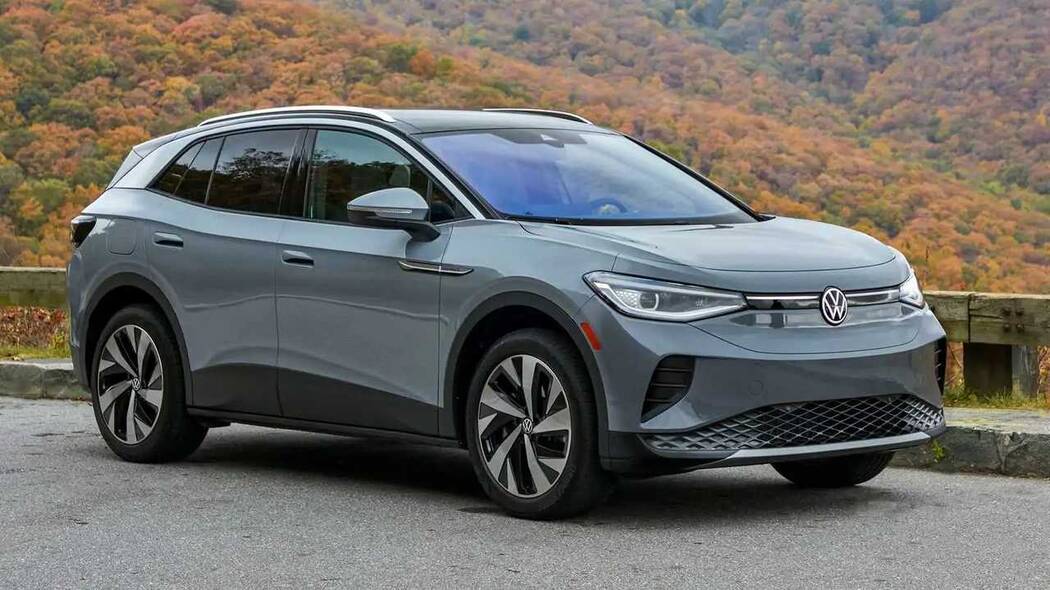
Image: Volkswagen ID.4
The Volkswagen ID.4 isn’t just another EV—it’s VW’s full-throttle leap into a greener future.
Launched in 2020, this all-electric SUV delivers zero tailpipe emissions and the kind of daily practicality that makes sustainable driving a no-brainer.
It runs up to 260 miles on a single charge, covering both city life and weekend getaways without breaking a sweat.
Inside, Volkswagen used recycled materials and eco-friendly fabrics, proving sustainability can still look and feel good.
Add in fast-charging and a smooth, efficient motor—and you’ve got an EV that fits real-world needs with a clean conscience.
Still in production, the ID.4 keeps getting smarter and greener—one of the strongest signals that electric is here to stay.
Key Features:
- Zero Tailpipe Emissions
- 260-Mile Range on One Charge
- Recycled & Eco-Friendly Interior Materials
- Fast-Charging Capabilities
- Built for Practical, Everyday Use
9. Ford Mustang Mach-E
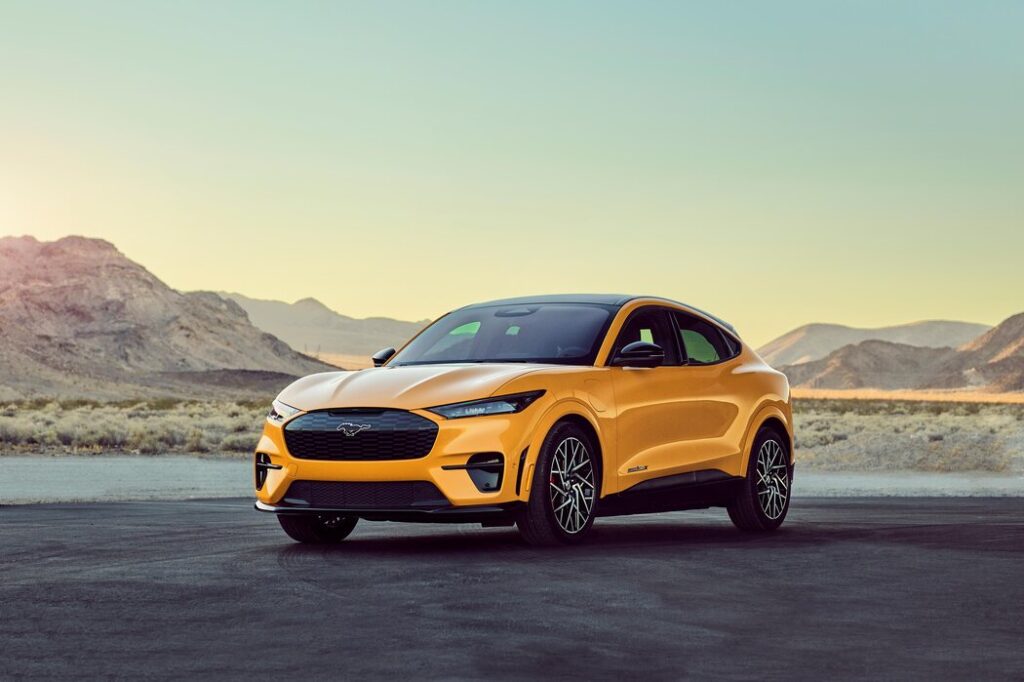

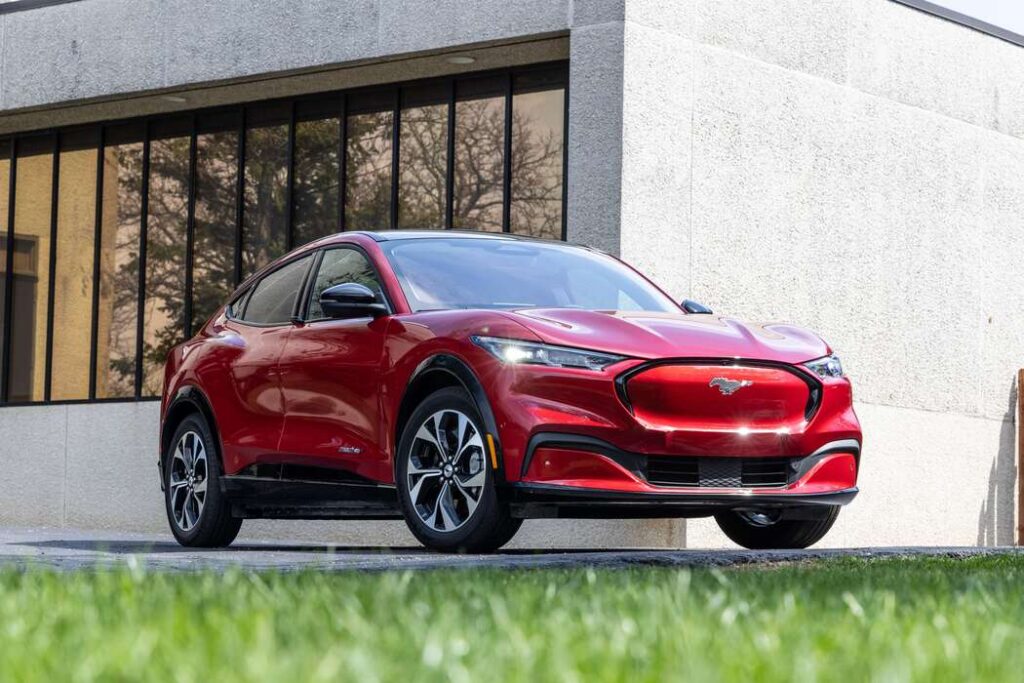

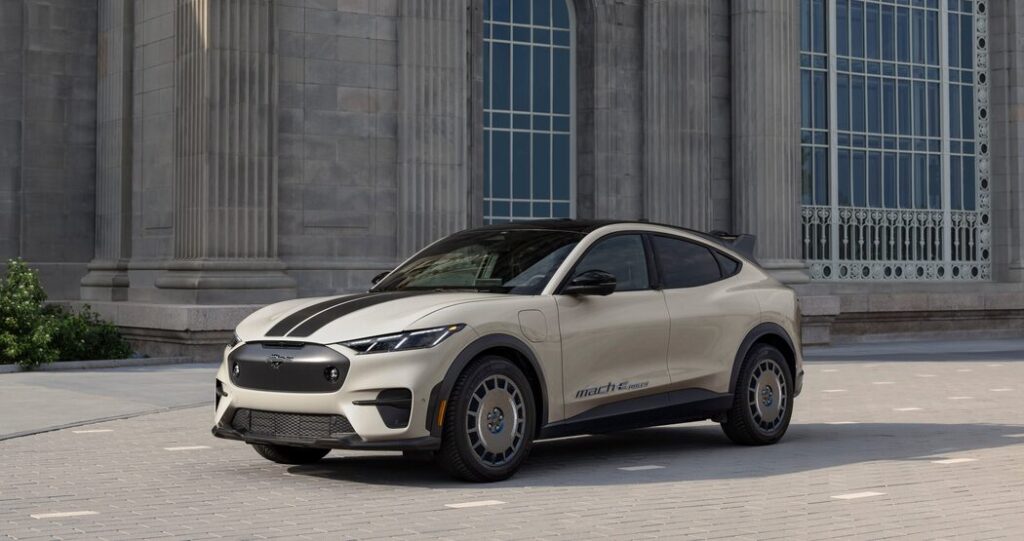
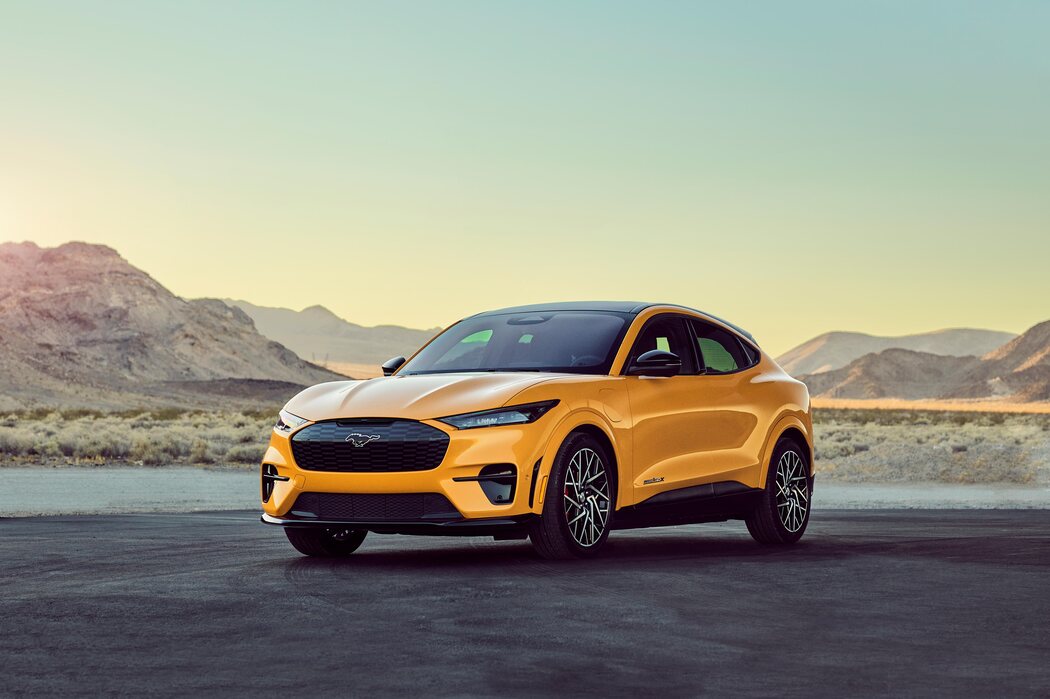

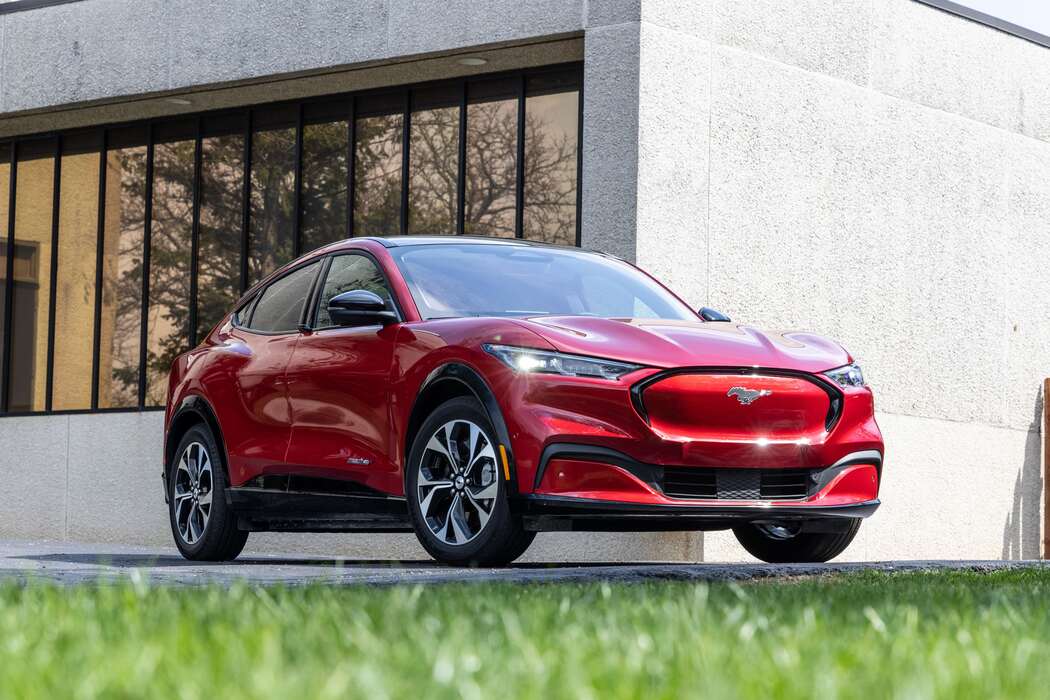
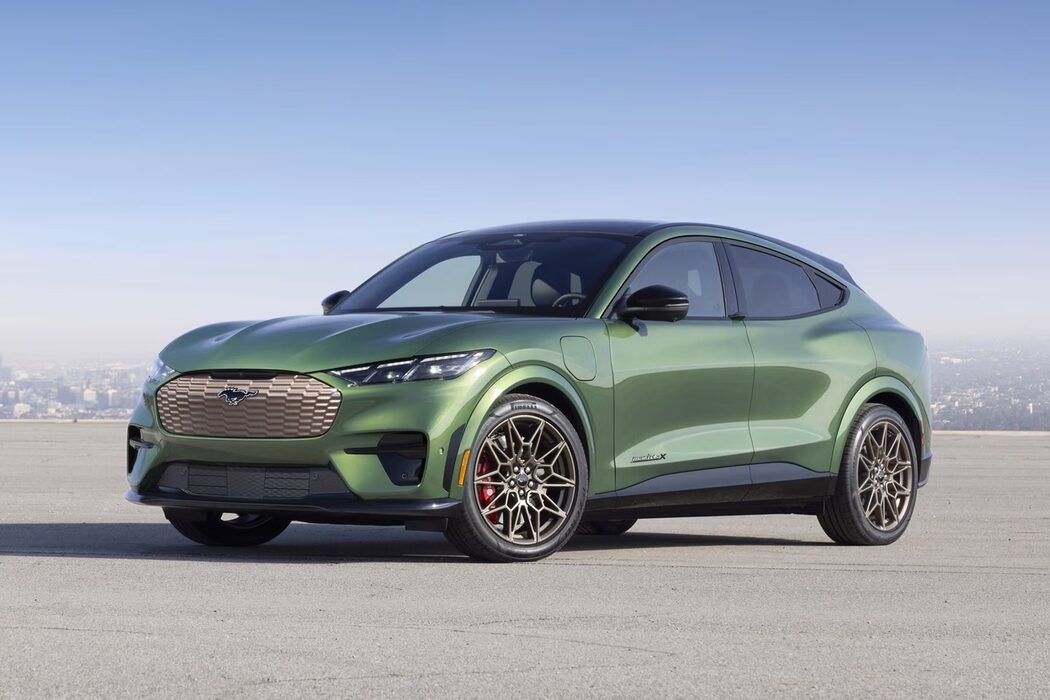

Image: Ford Mustang Mach-E
The Ford Mustang Mach-E takes iconic muscle car heritage and plugs it into a cleaner future.
Launched in 2020, this all-electric SUV delivers high-performance thrills—without a single emission.
With a range of up to 305 miles, it handles road trips and daily drives like a champ—quiet, powerful, and clean.
Ford didn’t stop at the powertrain—recycled materials and eco-conscious manufacturing run deep in its design.
Fast-charging makes it as convenient as it is responsible, getting you back on the road in no time.
Still in production, the Mach-E is proving that electric cars can be both green and gutsy.
Key Features:
- Zero Tailpipe Emissions
- Up to 305 Miles of Range
- Recycled Materials in Interior
- Fast-Charging Enabled
- Muscle-Inspired Electric Performance
8. Rivian R1T
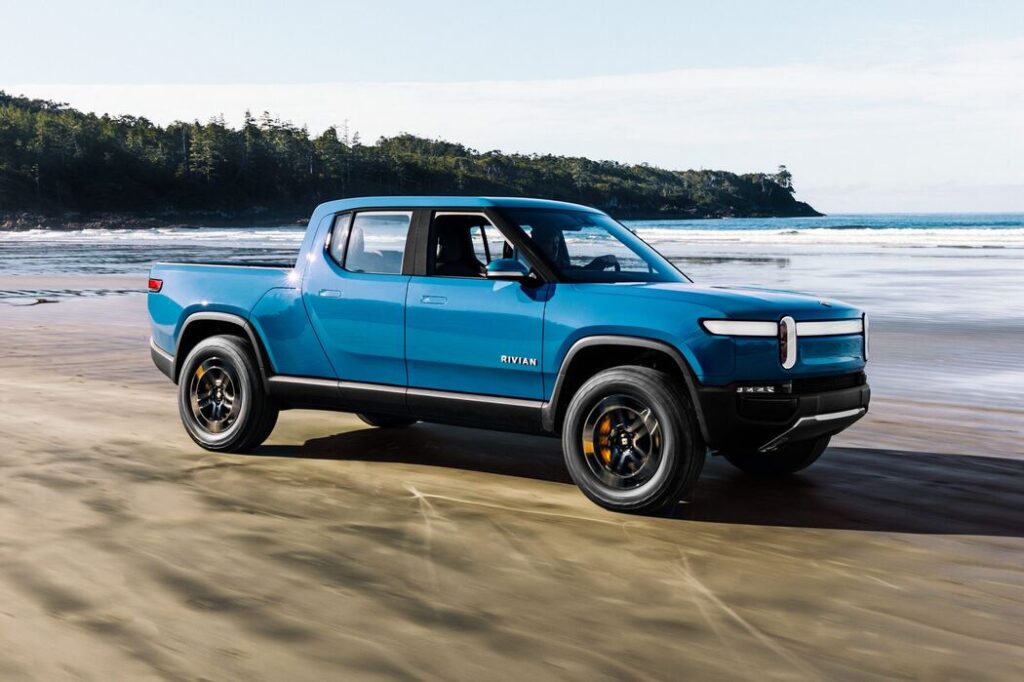

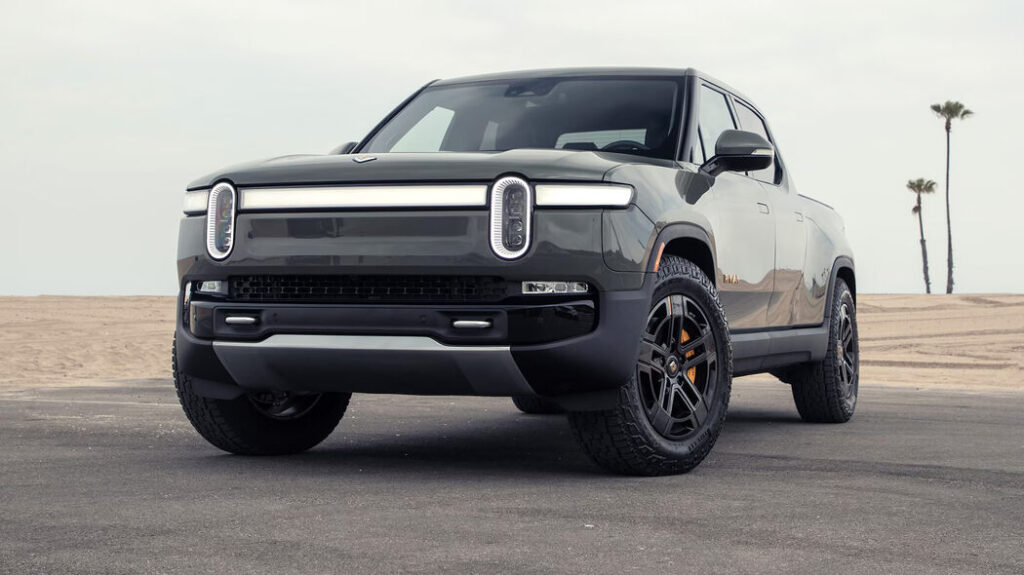
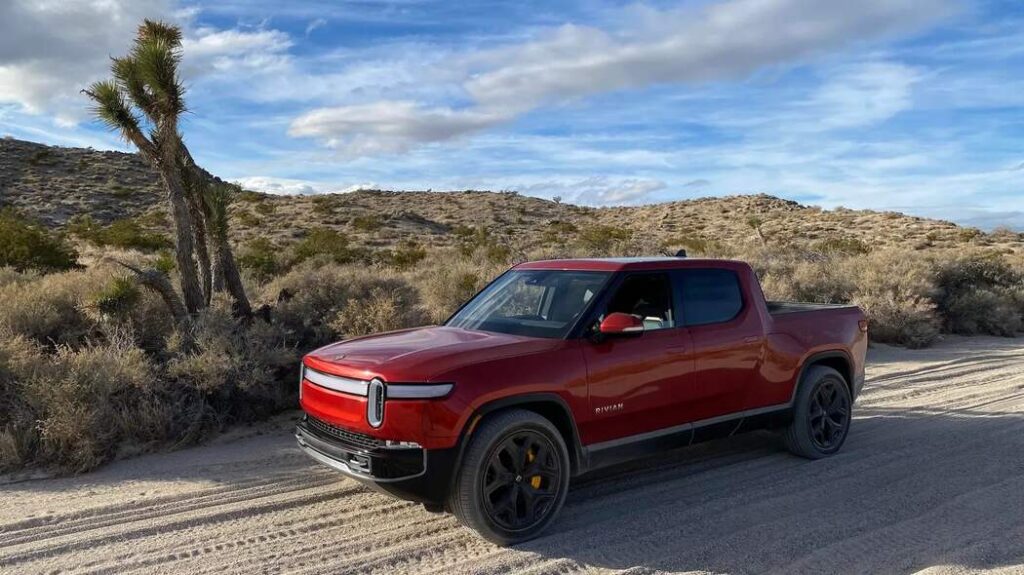
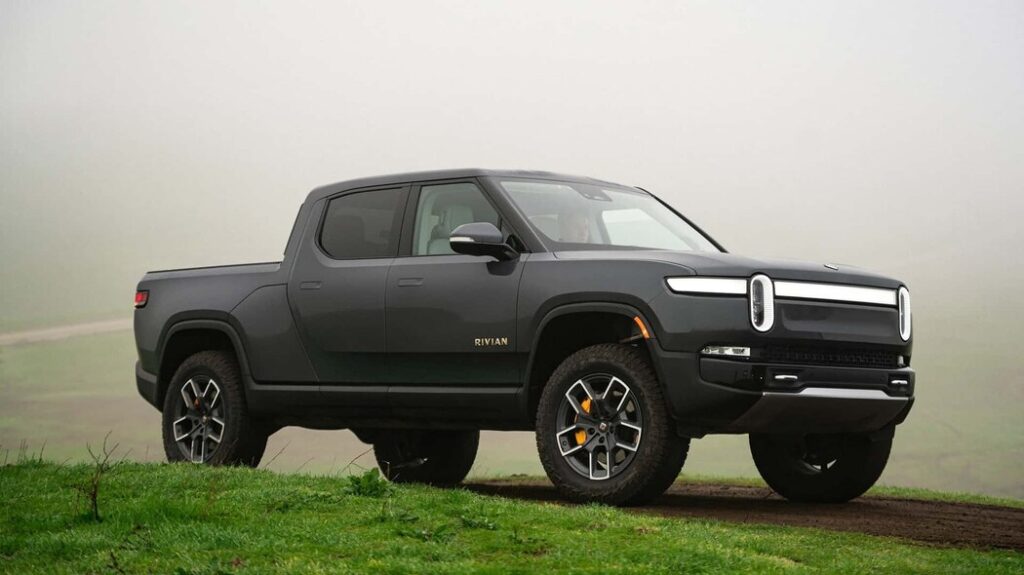
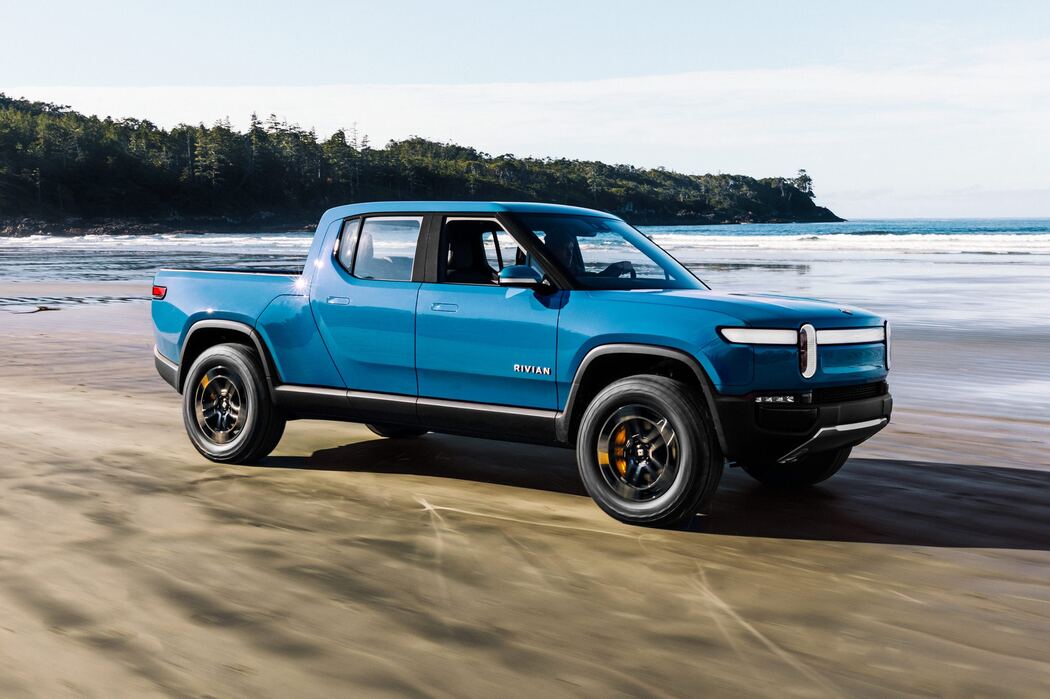

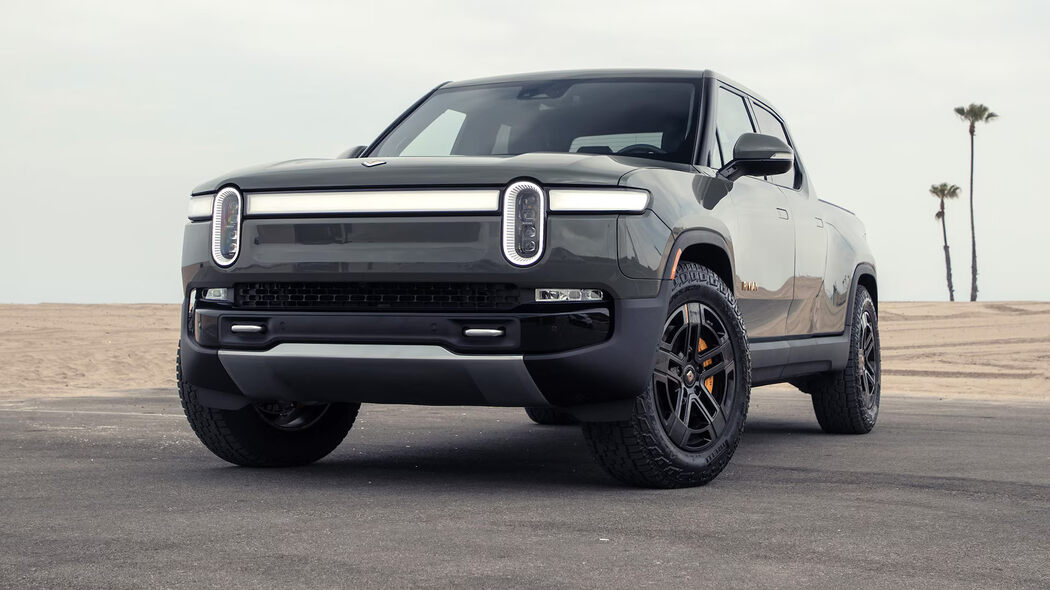
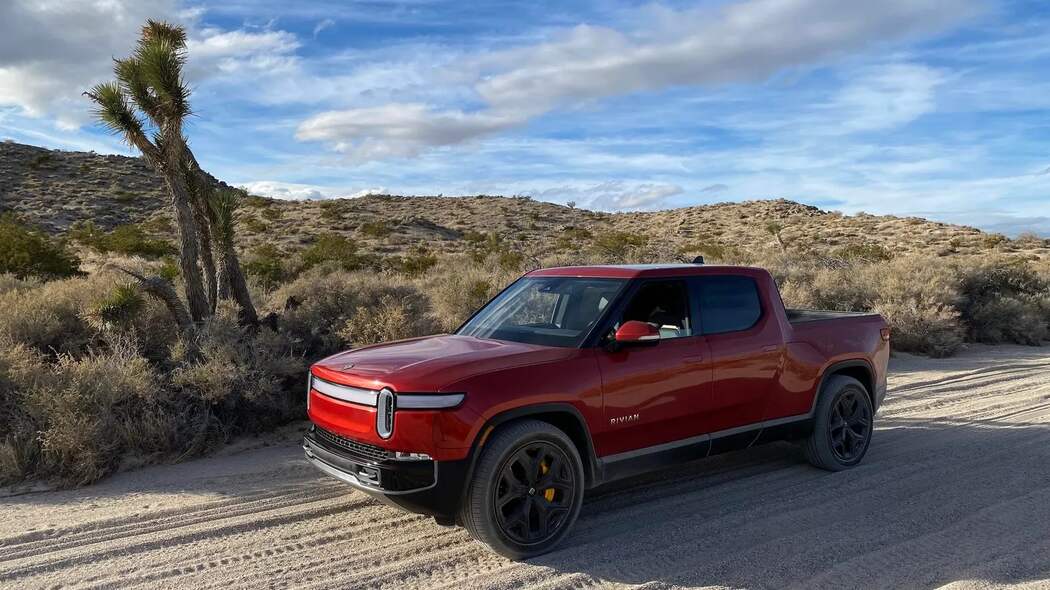
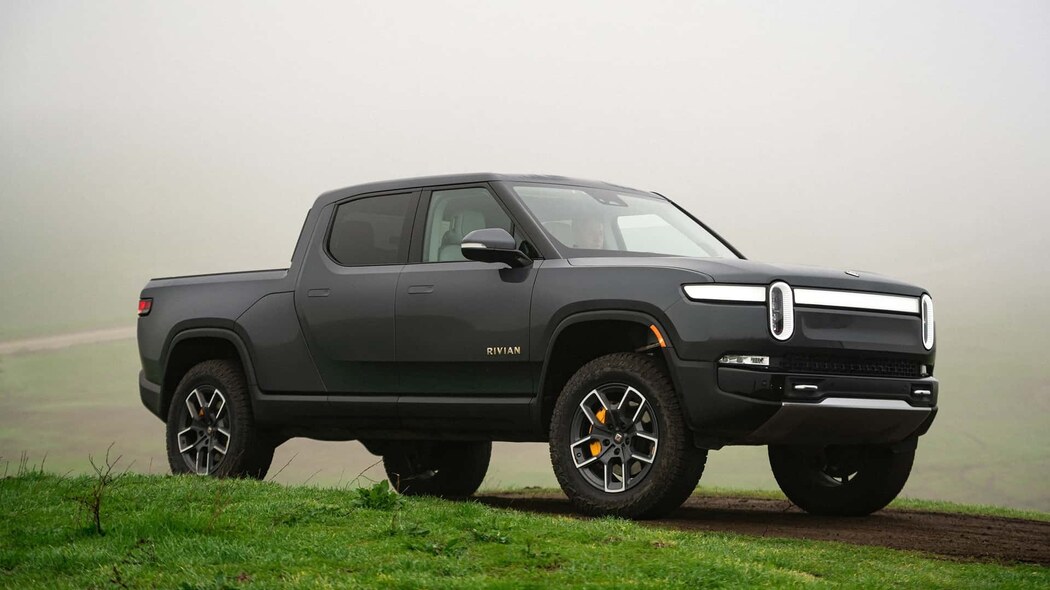
Image: Rivian R1T
The Rivian R1T is what happens when adventure meets clean energy—no gas, no guilt, just torque.
Launched in 2021, it’s the world’s first electric pickup designed for serious off-roaders and everyday explorers alike.
With a quad-motor setup, the R1T delivers instant power to each wheel—perfect for mud, snow, or mountains.
You get up to 314 miles of range, all while emitting zero tailpipe emissions.
Inside, recycled materials and a clean cabin design prove sustainability doesn’t have to feel sterile.
Still in production, it’s redefining what a truck can be—rugged, powerful, and electric.
Key Features:
- Quad-Motor Electric Powertrain
- Up to 314 Miles on a Charge
- Zero Tailpipe Emissions
- Sustainable Interior Materials
- Built for Off-Road & Eco-Conscious Performance
7. Hyundai Ioniq Series
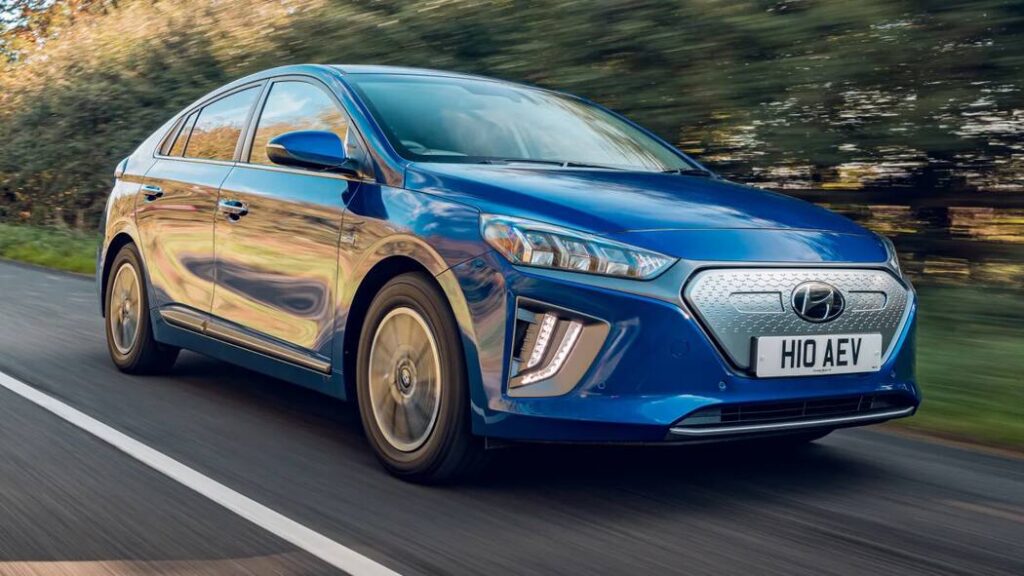
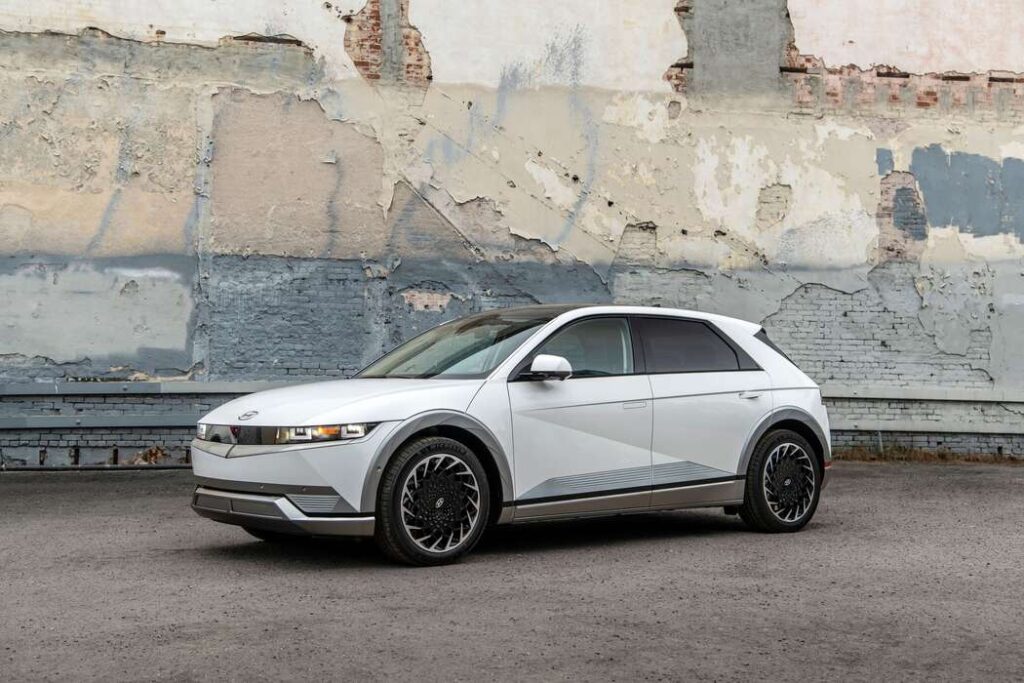
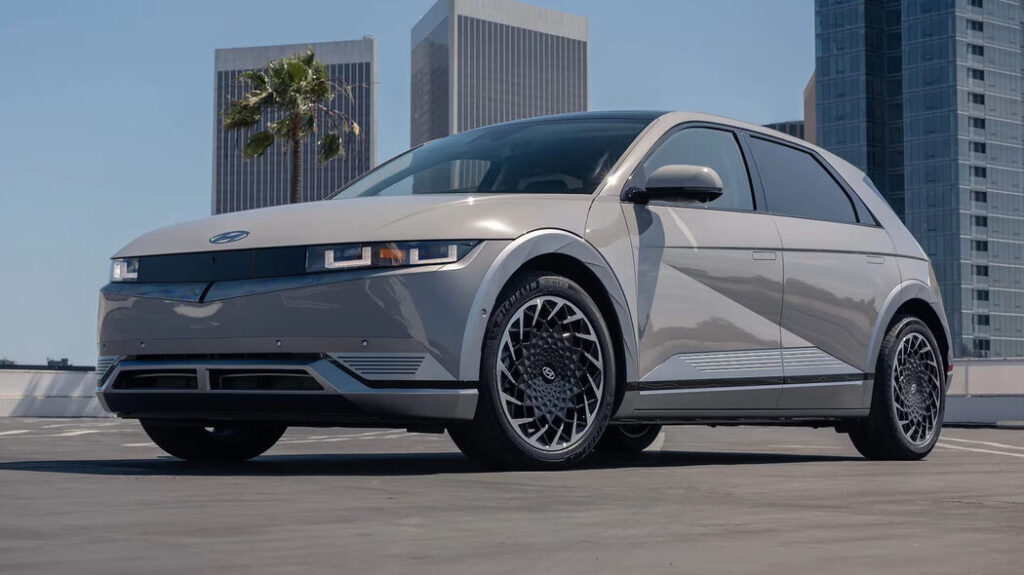
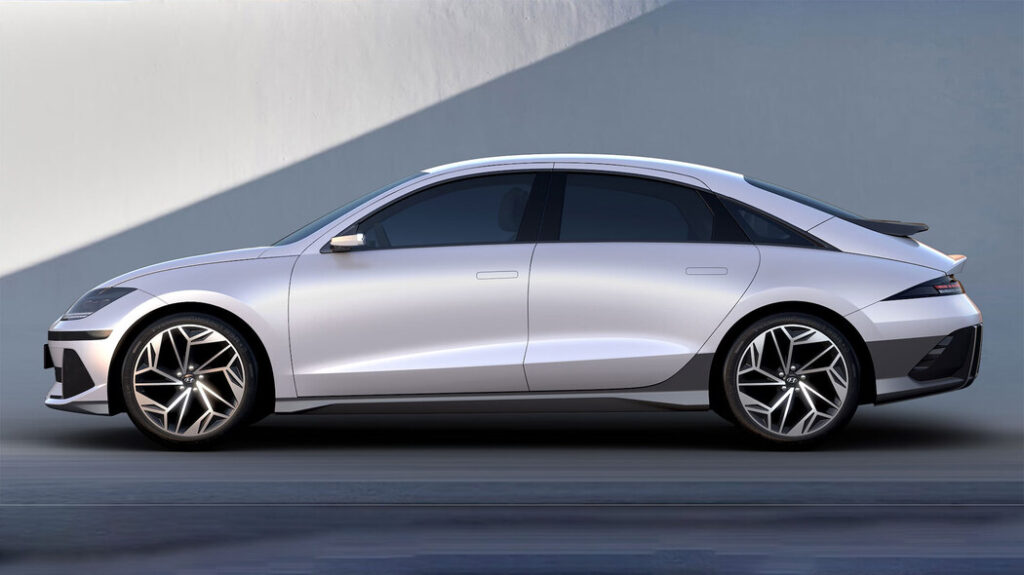
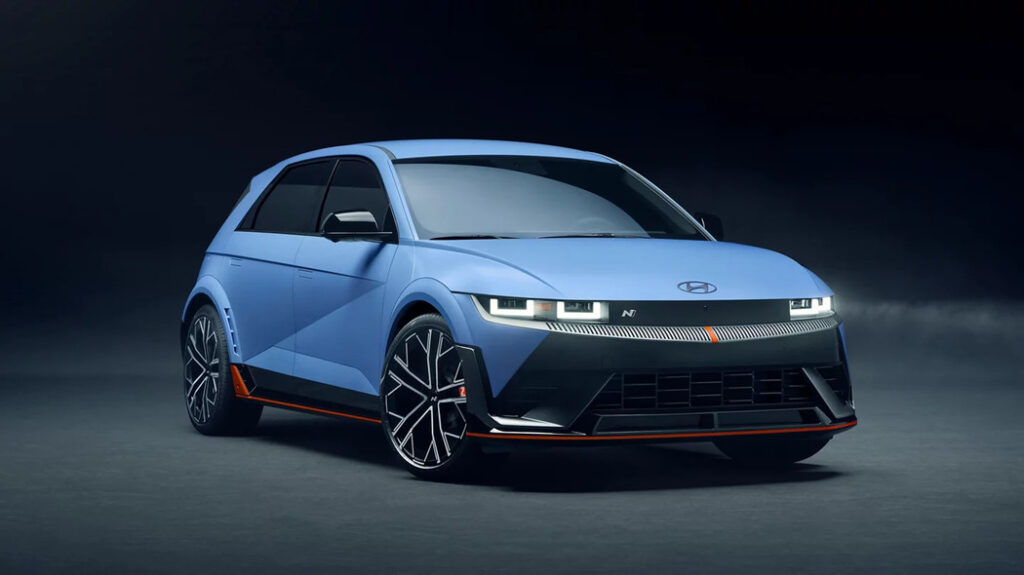
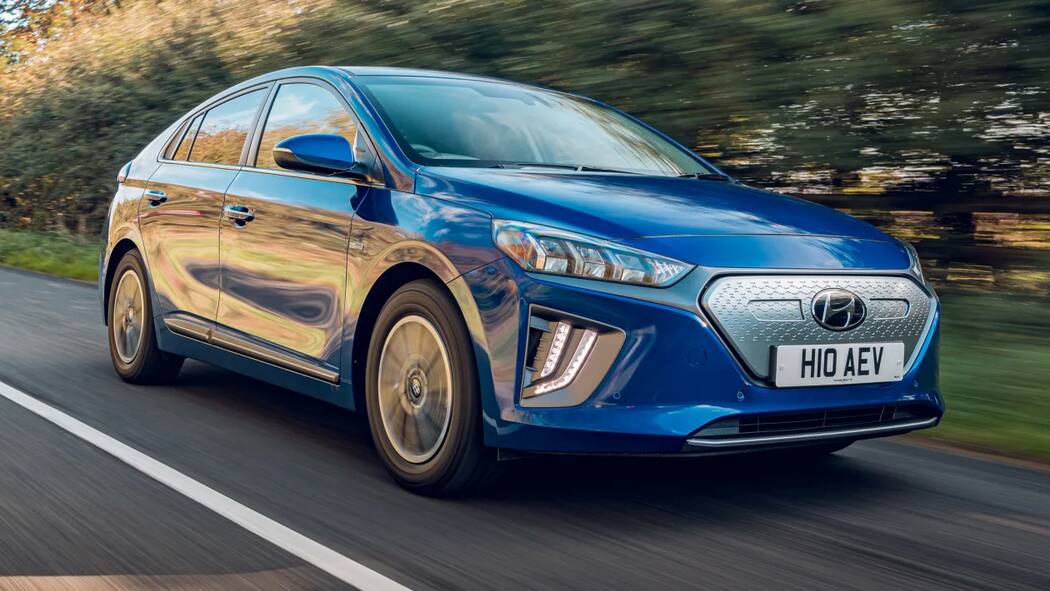

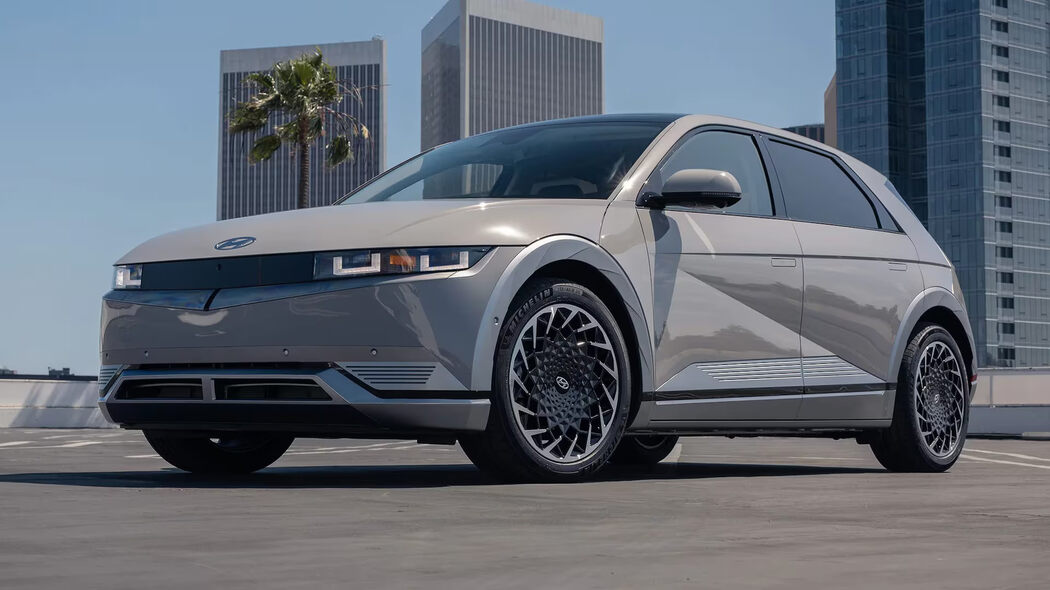


Image: Hyundai Ioniq Series
The Hyundai Ioniq Series proves that sustainability doesn’t come in one shape—it comes in choices.
Launched in 2016, it offered hybrid, plug-in hybrid, and fully electric models right from the start, giving drivers a flexible path toward greener driving.
The fully electric Ioniq runs silently with zero tailpipe emissions, while the hybrid options deliver outstanding fuel efficiency with minimal environmental impact.
Hyundai also used eco-friendly materials, including sugarcane and recycled plastics, reinforcing their commitment to cleaner manufacturing.
Today, the original Ioniq models have evolved into the Ioniq 5 and Ioniq 6—sleeker, smarter, and even more efficient, proving Hyundai’s vision is just getting started.
Key Features:
- Hybrid, Plug-In Hybrid & Electric Models
- Zero Tailpipe Emissions (EV Model)
- Recycled & Eco-Conscious Materials
- Impressive Range Across Variants
- Evolved into the Ioniq 5 & 6
6. BMW i3
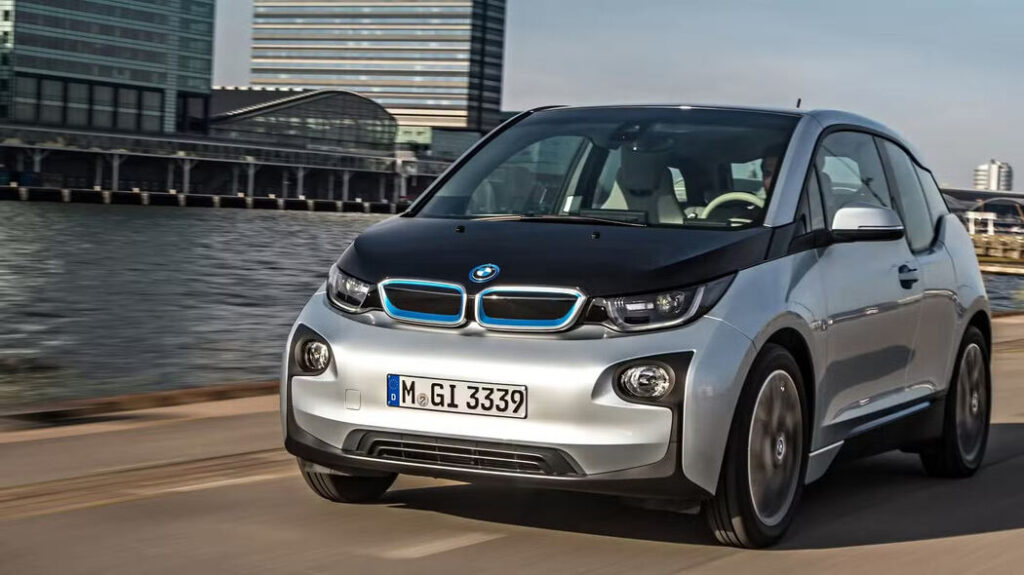

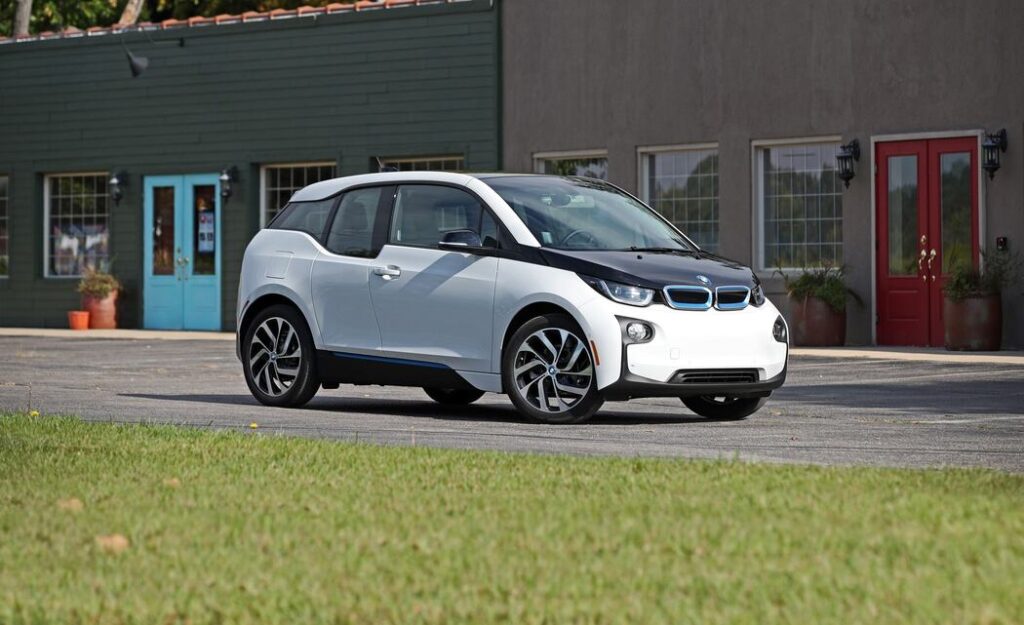
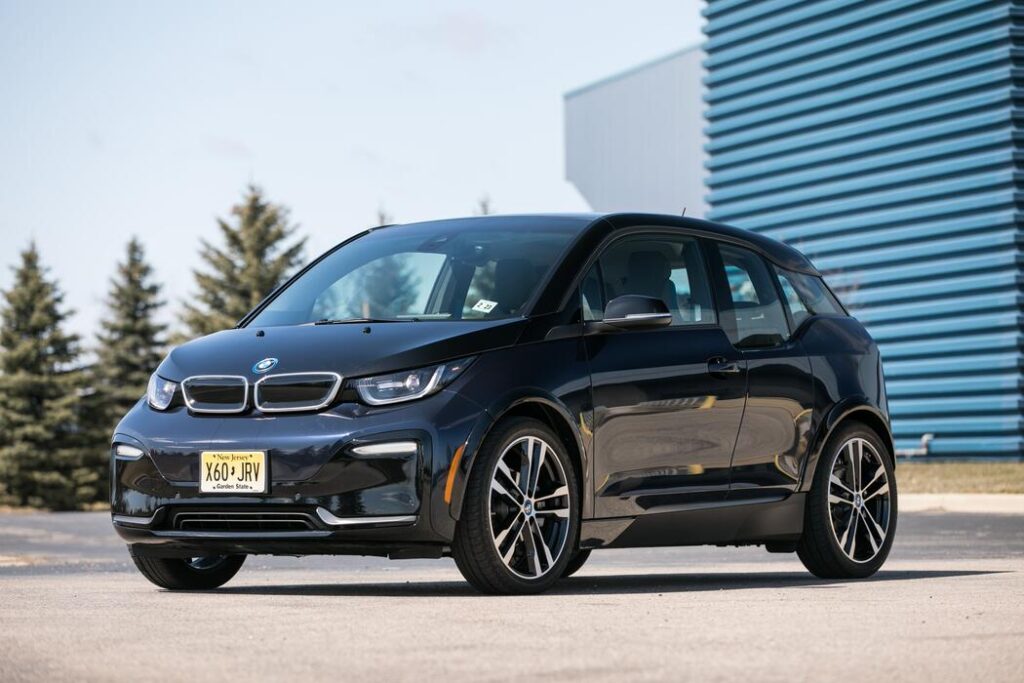

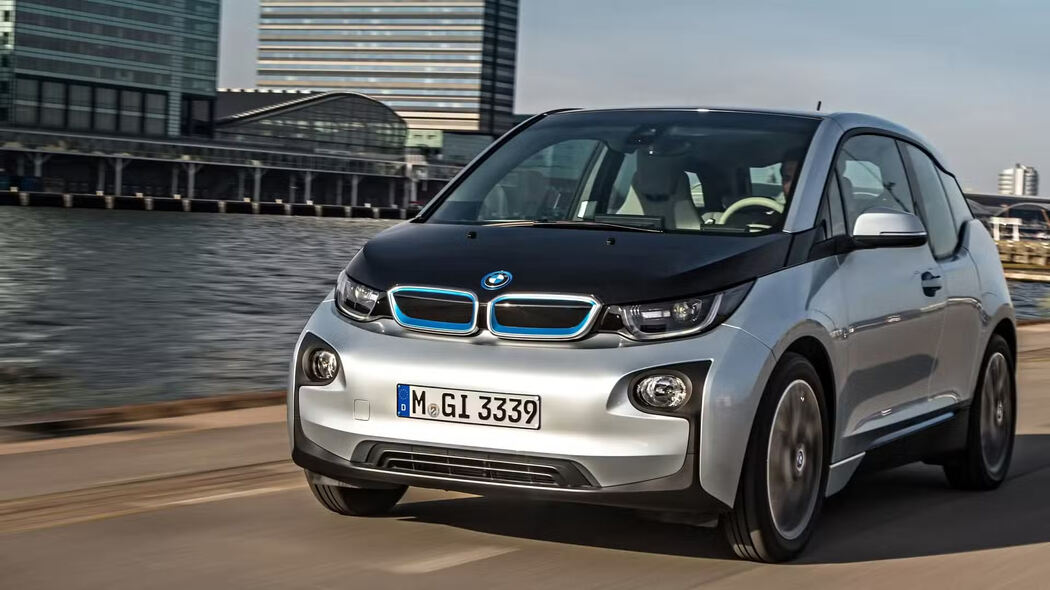
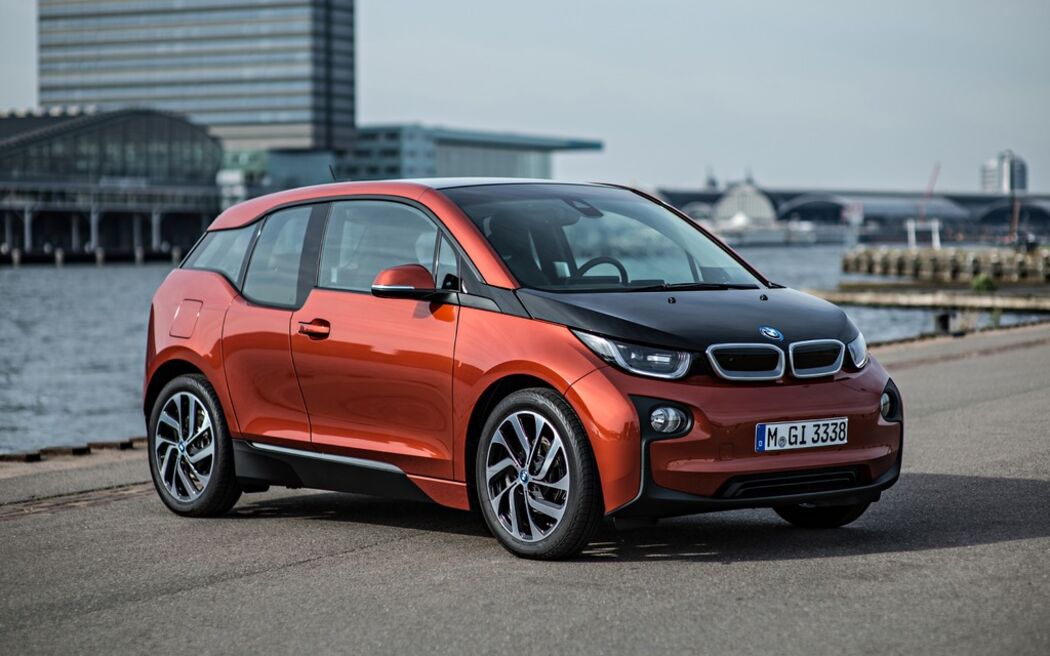

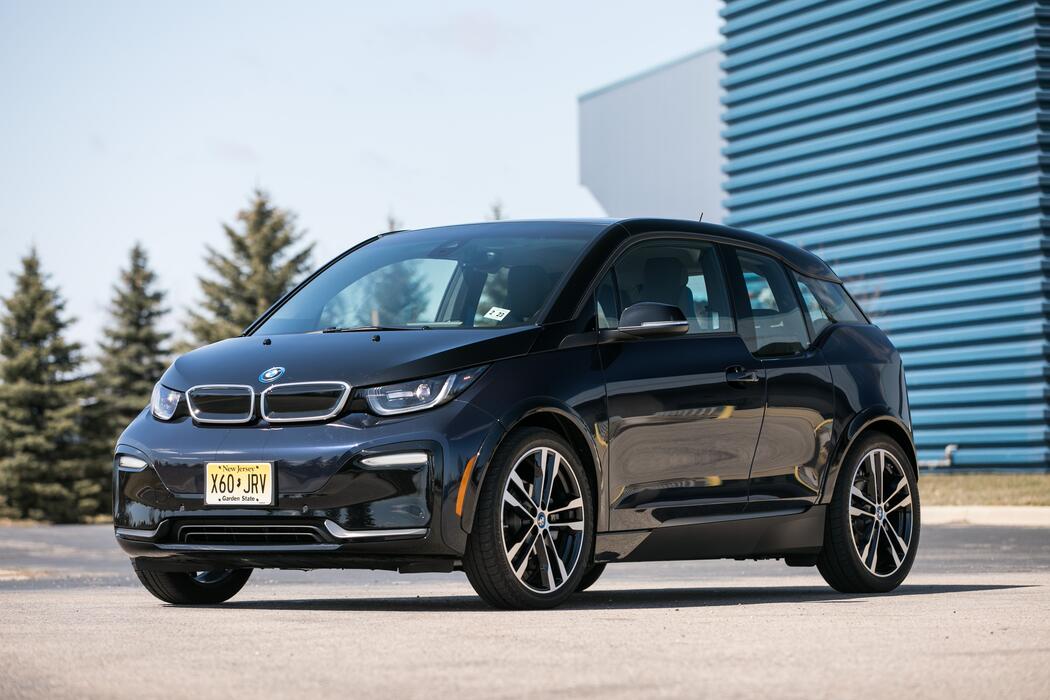
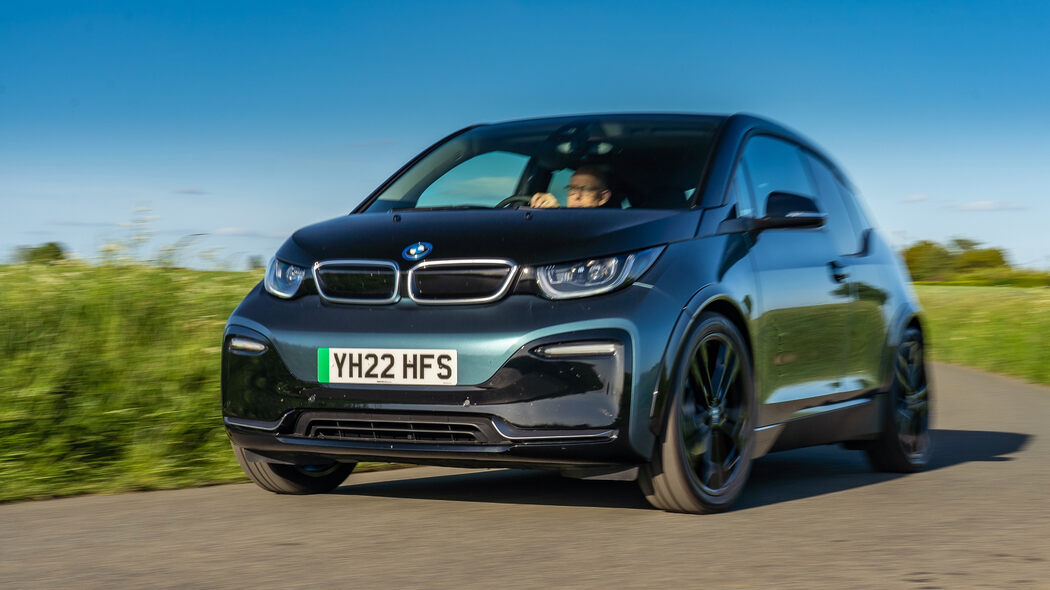
Image: BMW i3
The BMW i3 wasn’t just BMW’s first step into electric vehicles—it was a statement.
Launched in 2013, the i3 featured a carbon-fiber body, sustainable interior materials, and zero tailpipe emissions. It was one of the first mass-produced EVs to take sustainability seriously, from the factory floor to the city streets.
Its compact design made it perfect for urban driving, while its 153-mile range met the daily needs of most commuters. The quiet electric motor delivered a smooth ride with instant torque and no emissions.
Inside, BMW used recycled plastics, natural fibers, and even eucalyptus wood, showing that green doesn’t have to mean boring.
Although the i3 was discontinued in 2022, its legacy lives on as a bold early chapter in BMW’s electric journey.
Key Features:
- Zero Tailpipe Emissions
- Carbon-Fiber-Reinforced Body
- Recycled and Natural Interior Materials
- Urban-Focused Design
- Energy-Efficient Manufacturing
5. Honda Insight
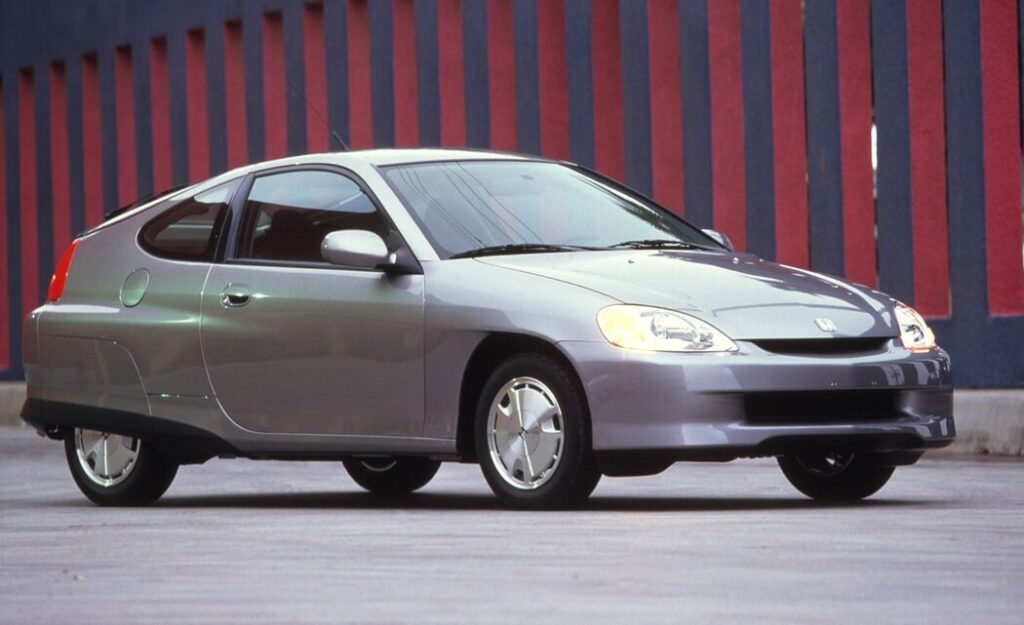
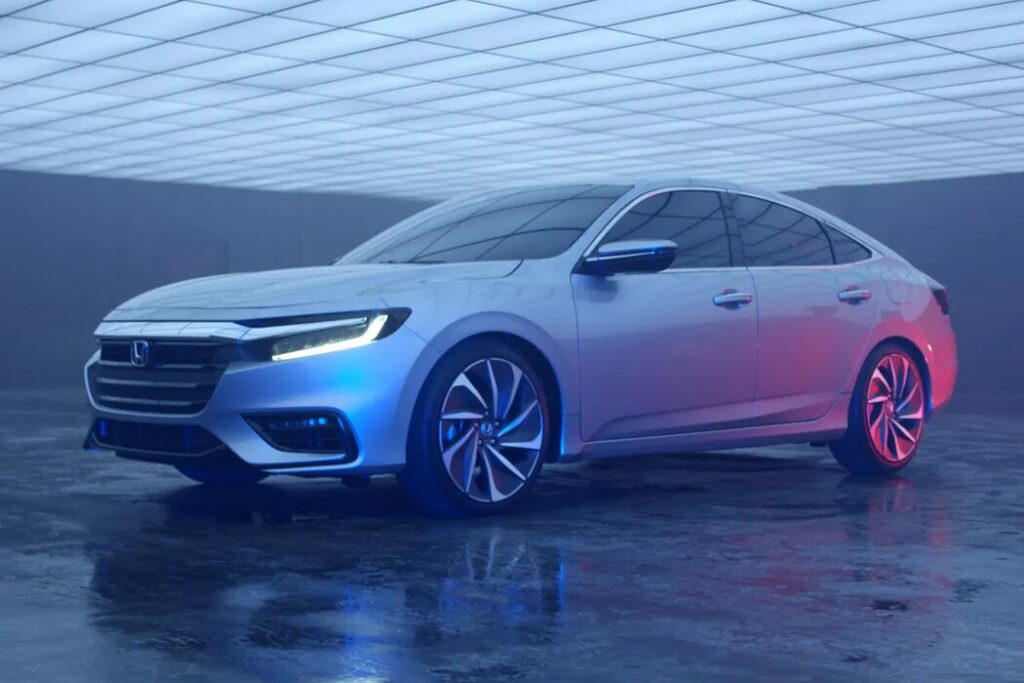


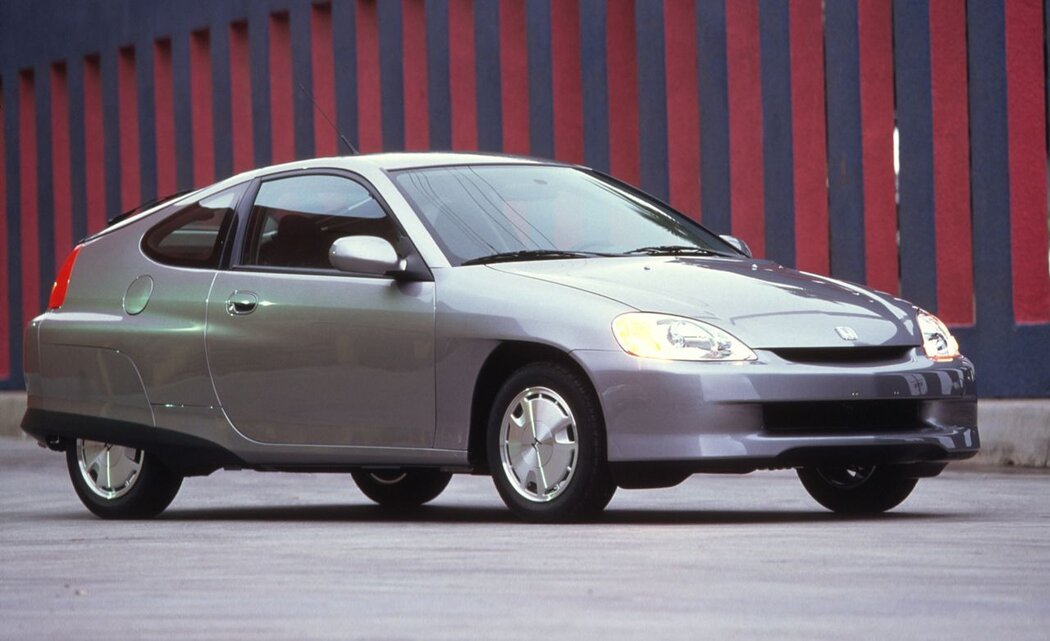
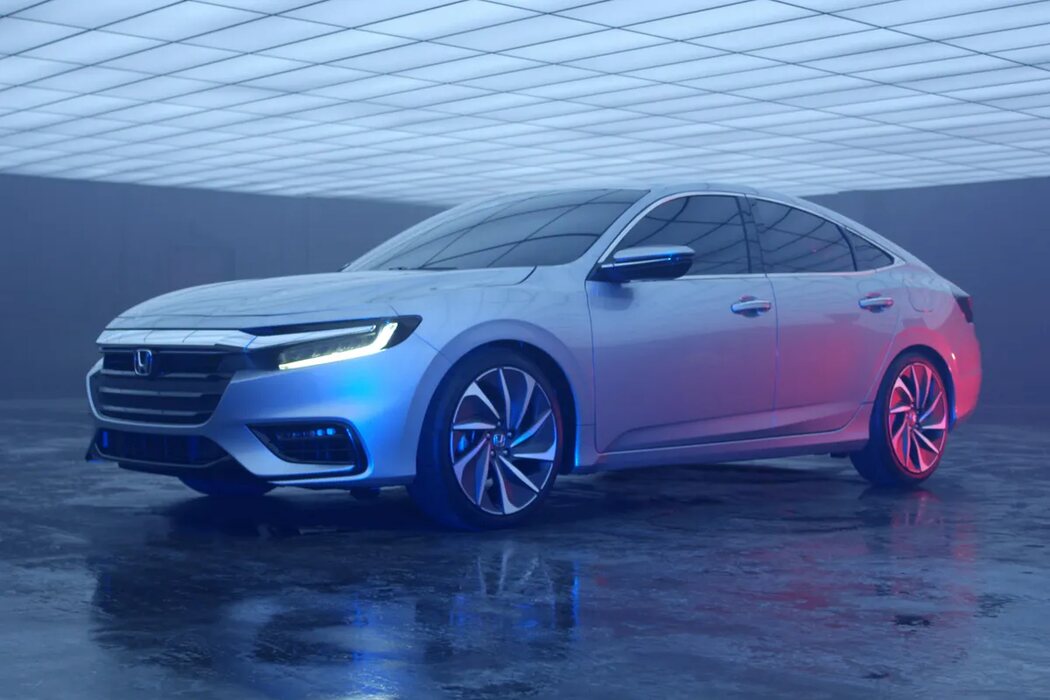
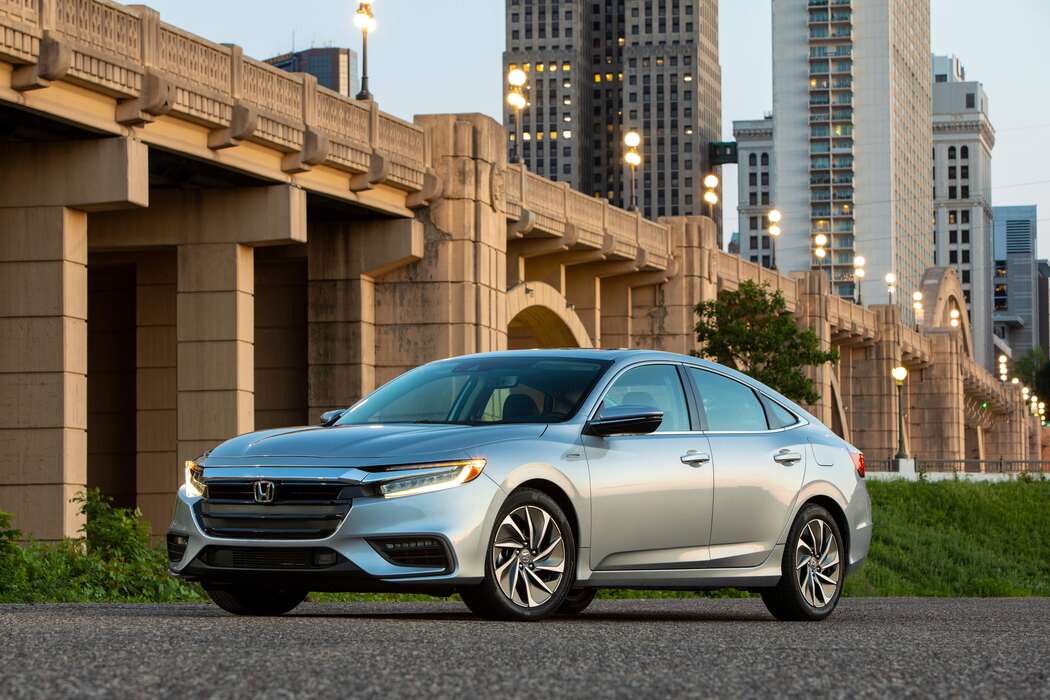
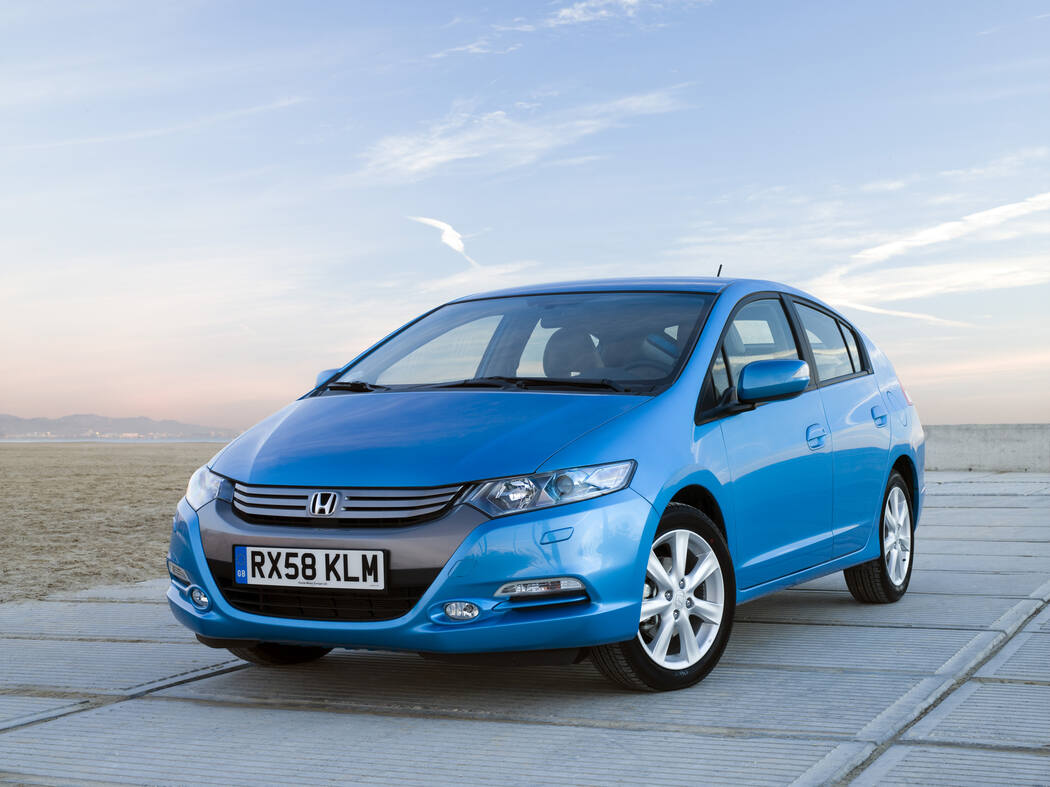
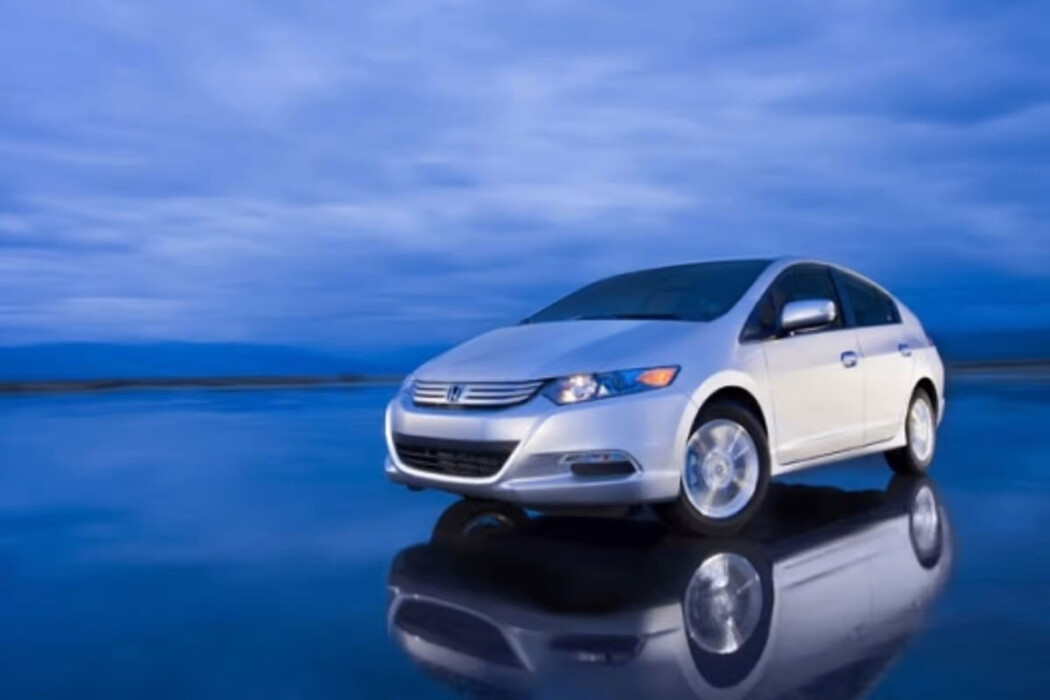
Image: Honda Insight
The Honda Insight was one of the first hybrids to prove that fuel efficiency could come with everyday practicality.
First introduced in 1999 and revived in 2018, it offered a gas-electric hybrid system that delivered an outstanding 55 mpg in the city, making it a favorite for eco-conscious drivers.
Its electric motor powered low-speed driving, cutting down emissions and fuel use. Add in regenerative braking and you’ve got a car that made the most out of every drop—and every stop.
Honda also used eco-friendly materials and kept the design lightweight and efficient. The Insight was smooth, quiet, and built to make a difference.
Though discontinued in 2022, the Insight left a meaningful legacy. It showed that hybrid technology could be smart, stylish, and accessible for the everyday driver.
Key Features:
- Hybrid Powertrain with Exceptional Fuel Efficiency
- Low Emissions and Regenerative Braking
- Efficient Electric Assist Motor
- Eco-Friendly Interior Materials
- Practical, Accessible Green Driving
4. Nissan Leaf
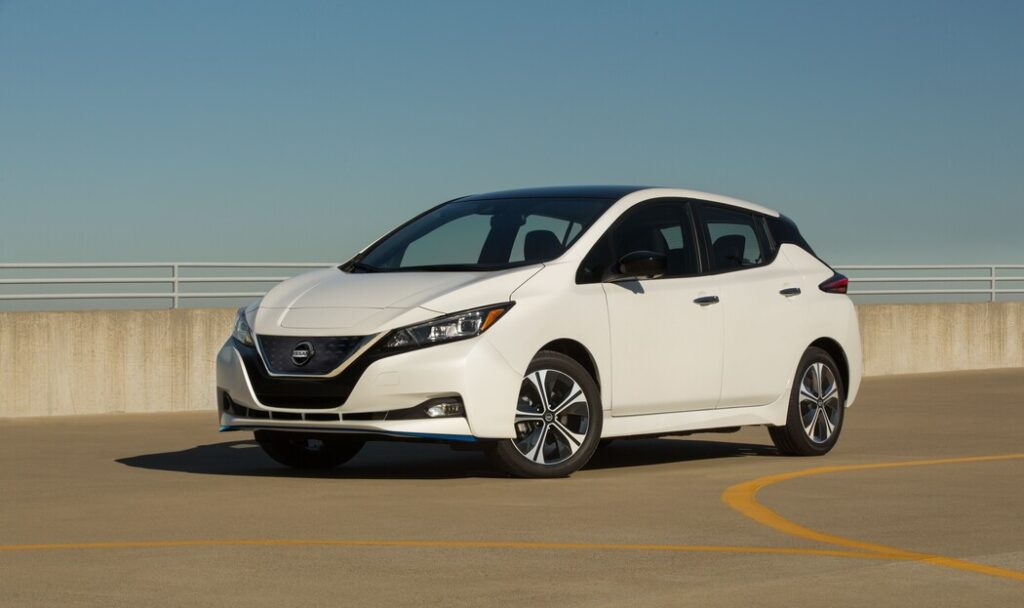
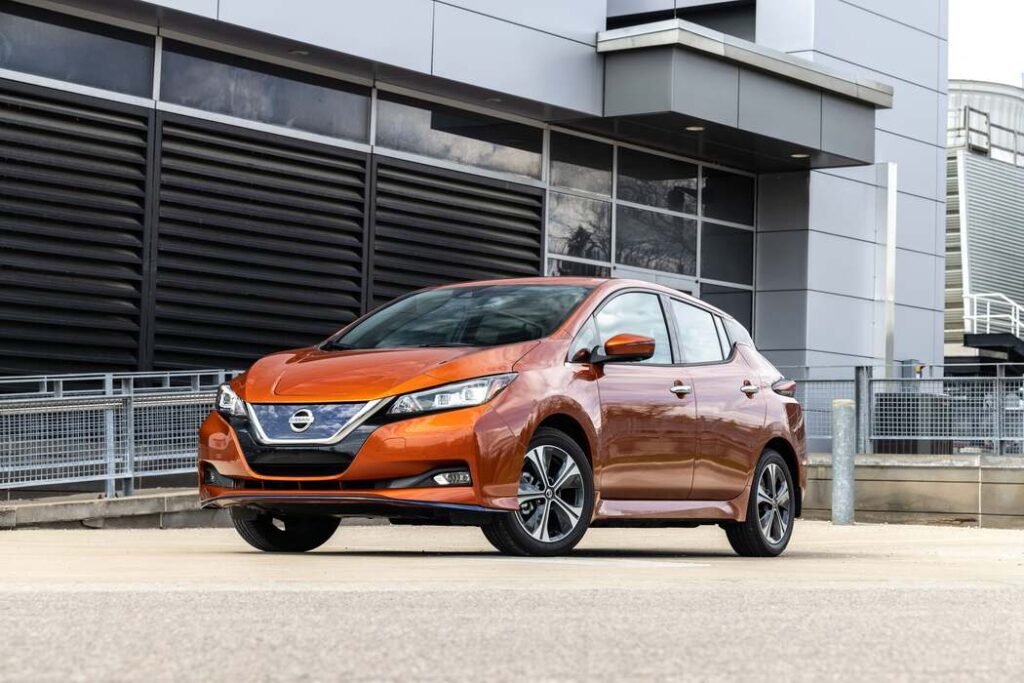
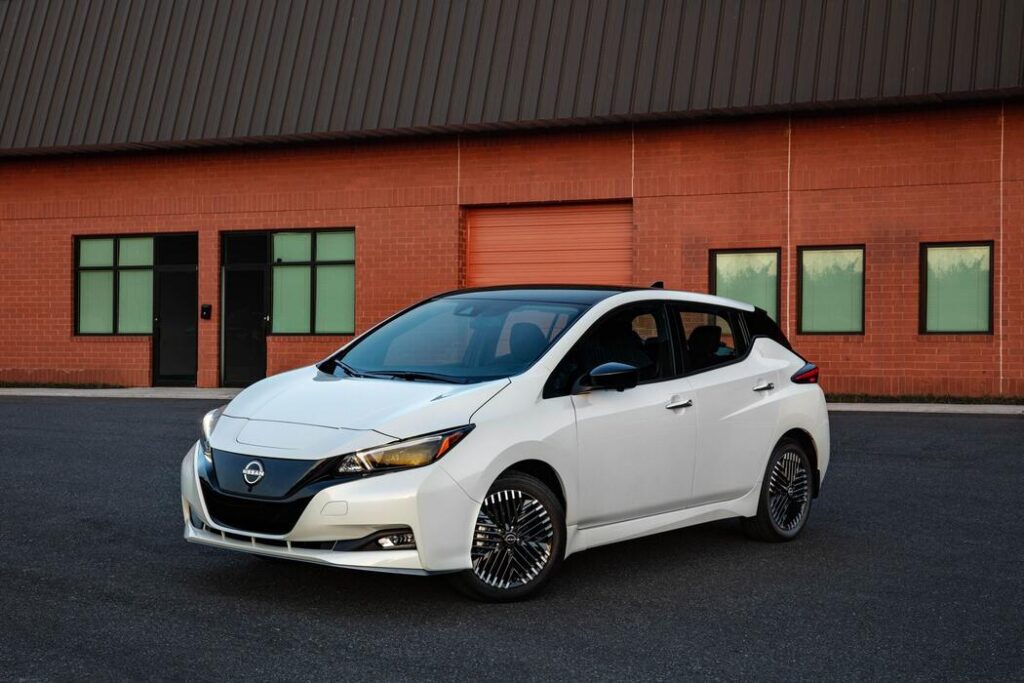


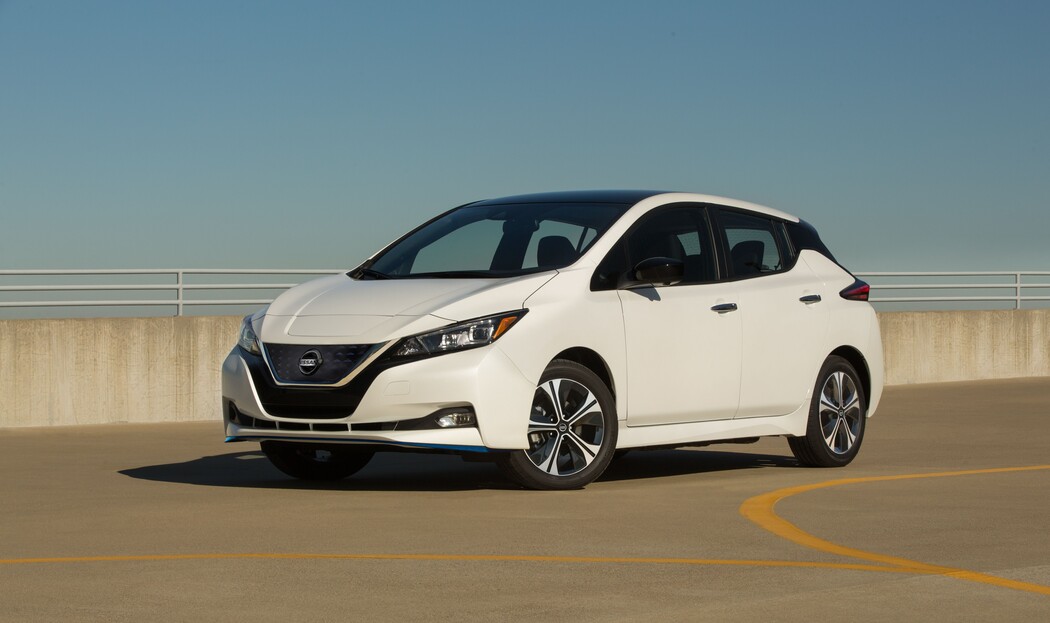
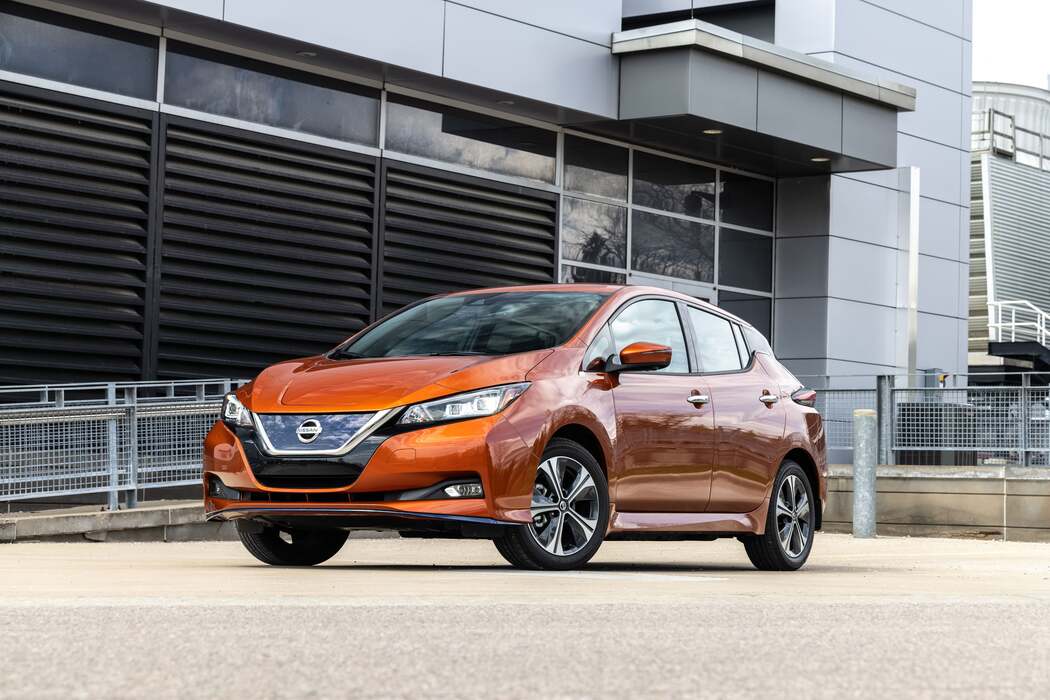
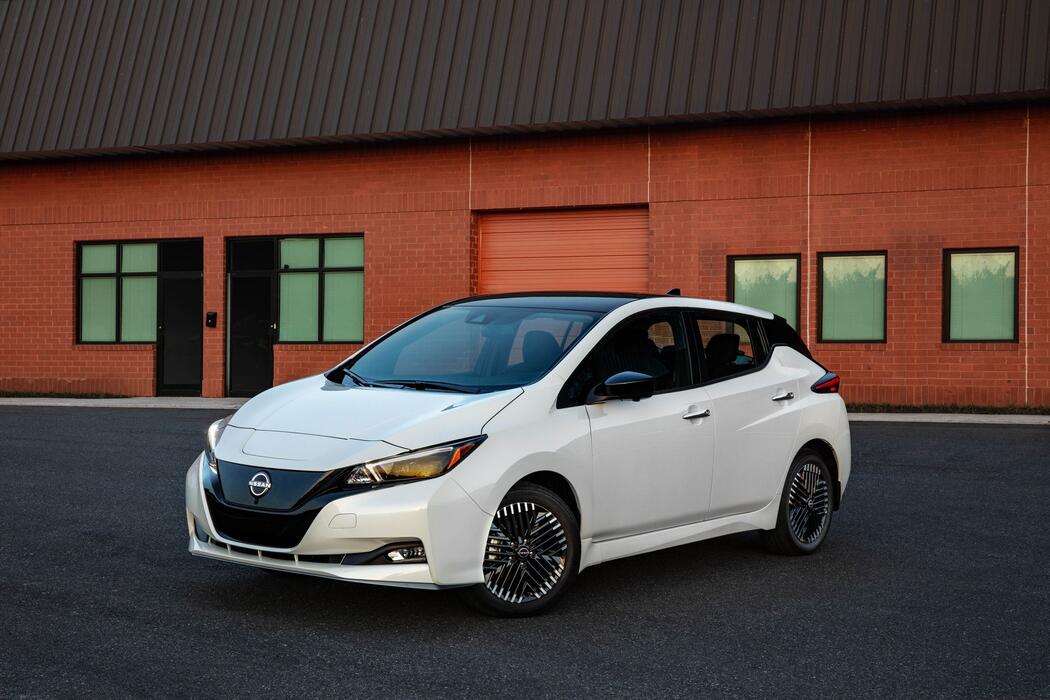
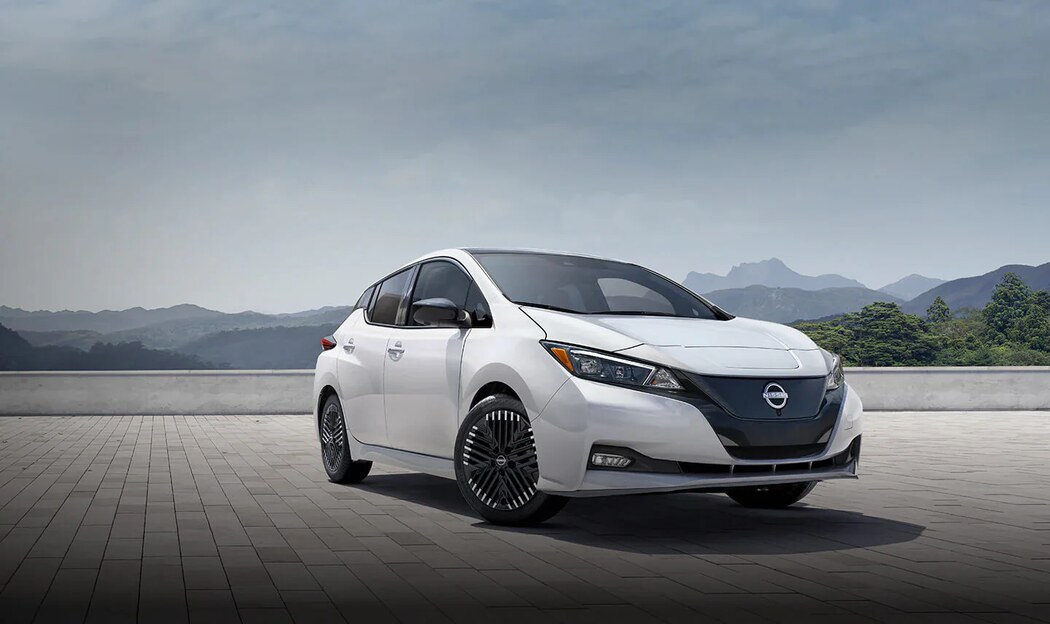
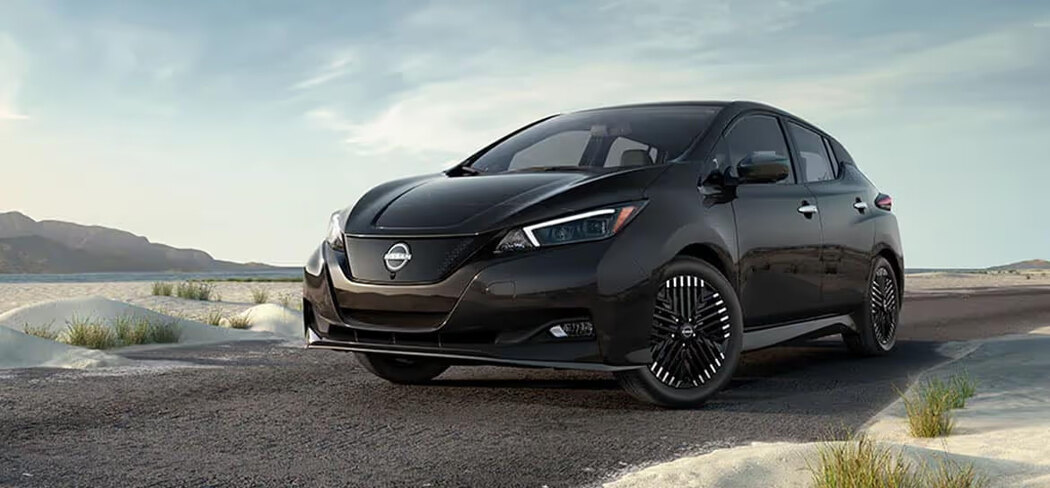
Image: Nissan Leaf
The Nissan Leaf didn’t just follow the EV trend—it helped start it. Since 2010, this all-electric hatchback has been one of the world’s best-selling electric cars.
Its zero tailpipe emissions make it a true climate-conscious option. It’s clean, quiet, and a smart move for drivers who want to cut their carbon footprint without overcomplicating things.
With up to 226 miles of range, the Leaf is built for daily life—handling both commutes and weekend errands with ease. It’s compact, agile, and ideal for urban driving, where clean air matters most.
Inside, Nissan used recycled plastics and eco-friendly materials, showing that sustainability goes beyond just the powertrain. It’s a full-package EV that’s practical, proven, and planet-friendly.
The Leaf is still in production, continuing to evolve with better range, tech, and design—all while staying affordable. It’s proof that green driving doesn’t have to come with a luxury price tag.
Key Features:
- Practical Range for Everyday Use
- Zero Tailpipe Emissions
- Sustainable Interior Materials
- Compact, City-Friendly Design
- Affordable, Accessible EV
3. Chevrolet Bolt EV
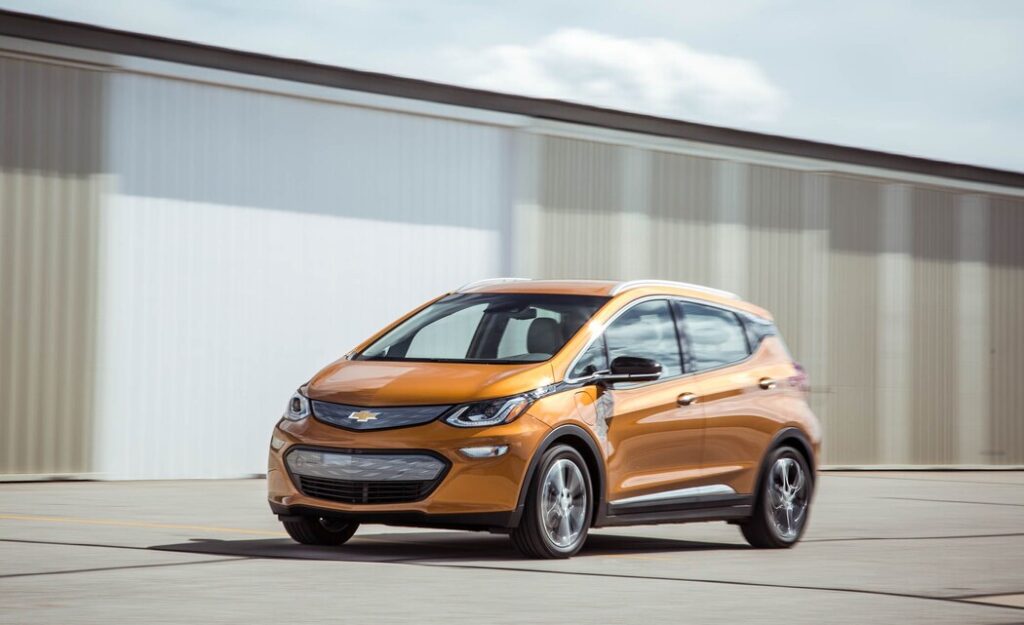


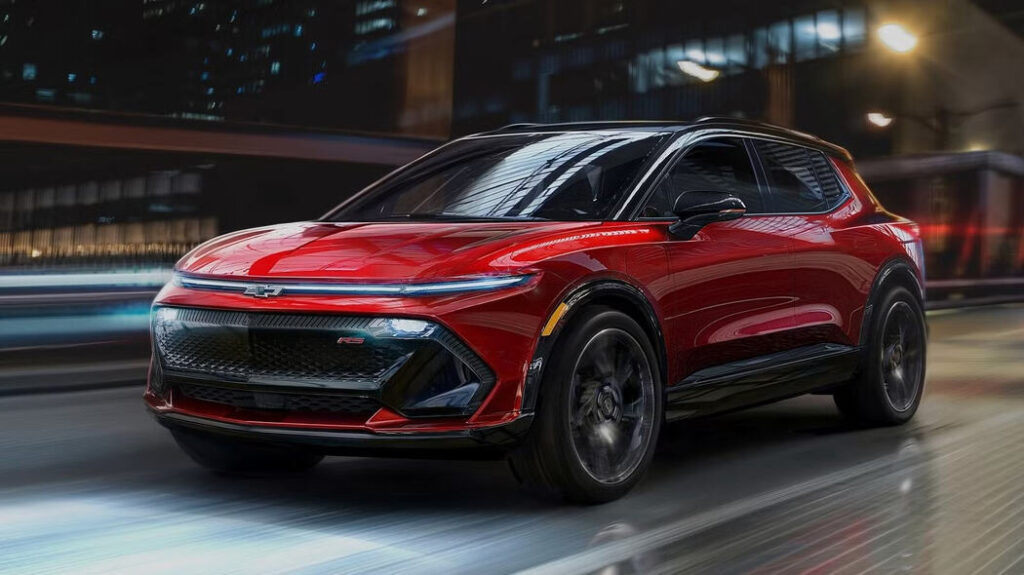


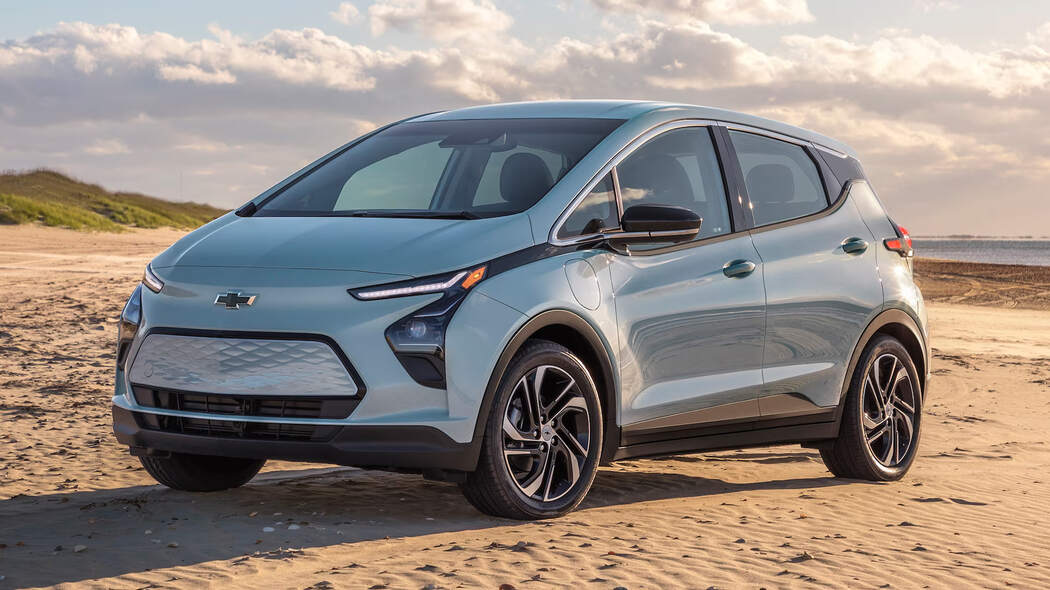
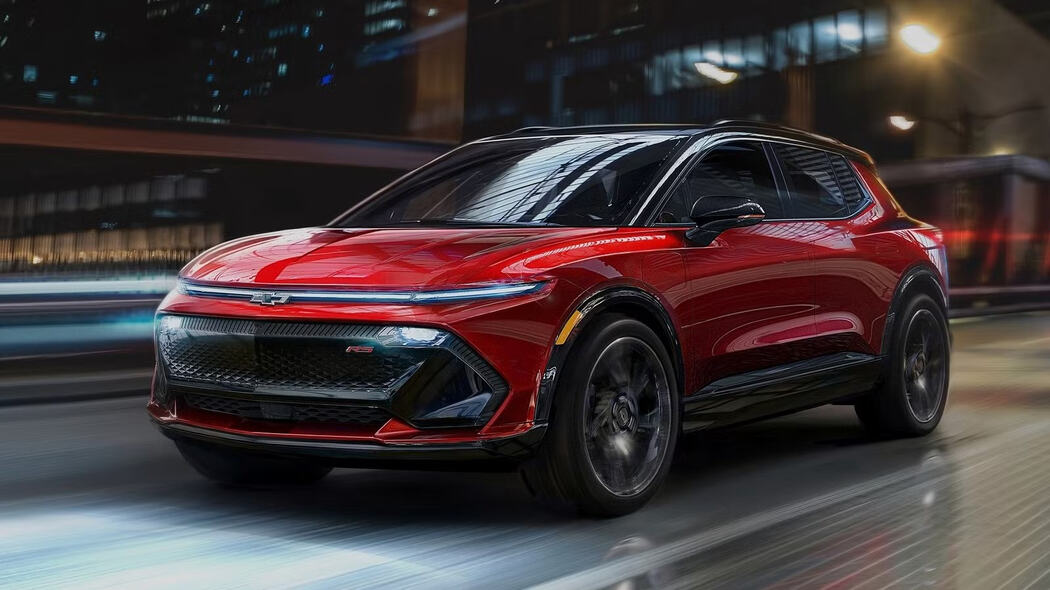
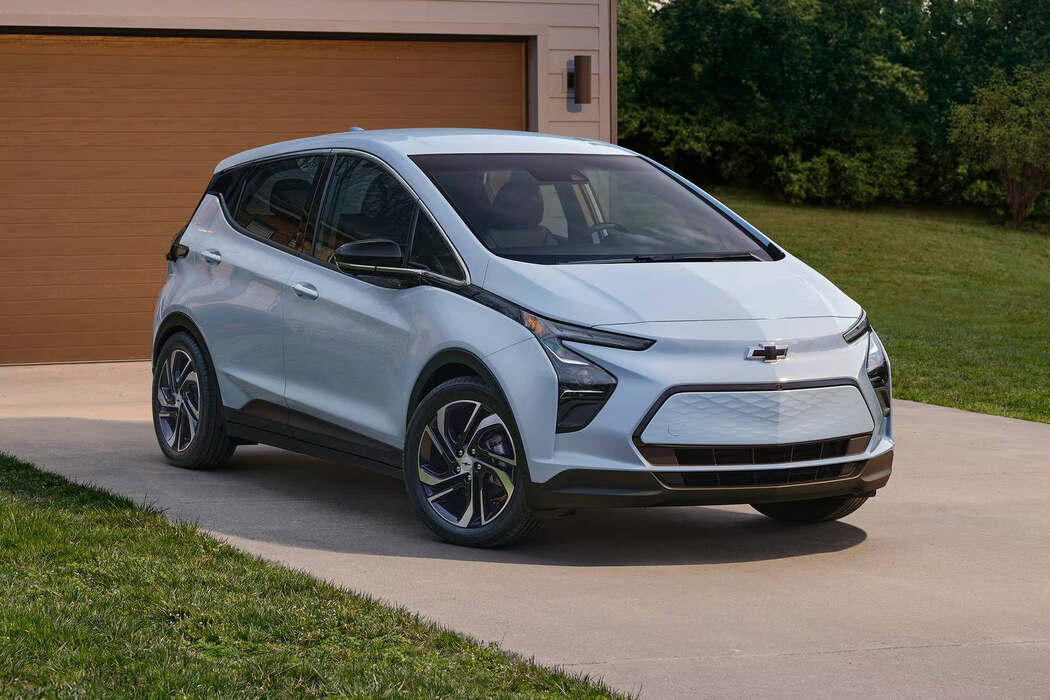
Image: Chevrolet Bolt EV
The Chevrolet Bolt EV isn’t flashy—it’s focused. Since 2016, it’s helped thousands take their first step into clean, electric driving without breaking the bank.
With zero emissions, the Bolt EV helps fight air pollution and cuts down on carbon output. Its efficient electric motor offers up to 259 miles of range, making it practical for daily commutes and even road trips.
Compact and city-friendly, it’s perfect for navigating traffic without adding to it. Chevrolet also used eco-conscious materials in the Bolt’s build, proving sustainability isn’t just under the hood.
Still in production, the Bolt EV continues to improve with upgraded batteries and tech, making clean driving easier, more reliable, and more affordable than ever.
Key Features:
- Zero Emissions
- Affordable and Accessible EV Option
- Efficient for Urban Driving
- Sustainable Materials in Design
2. Tesla Model S

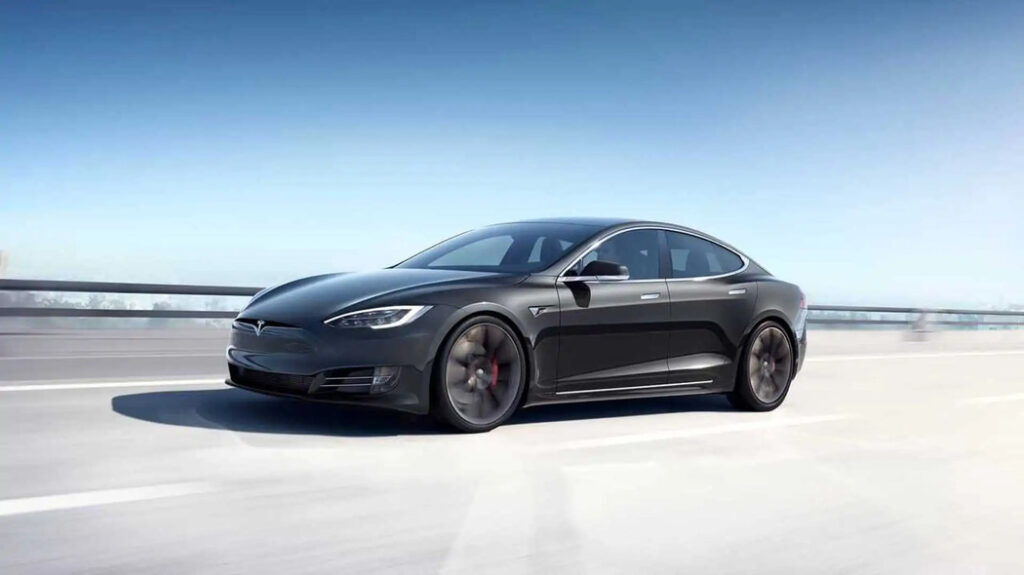


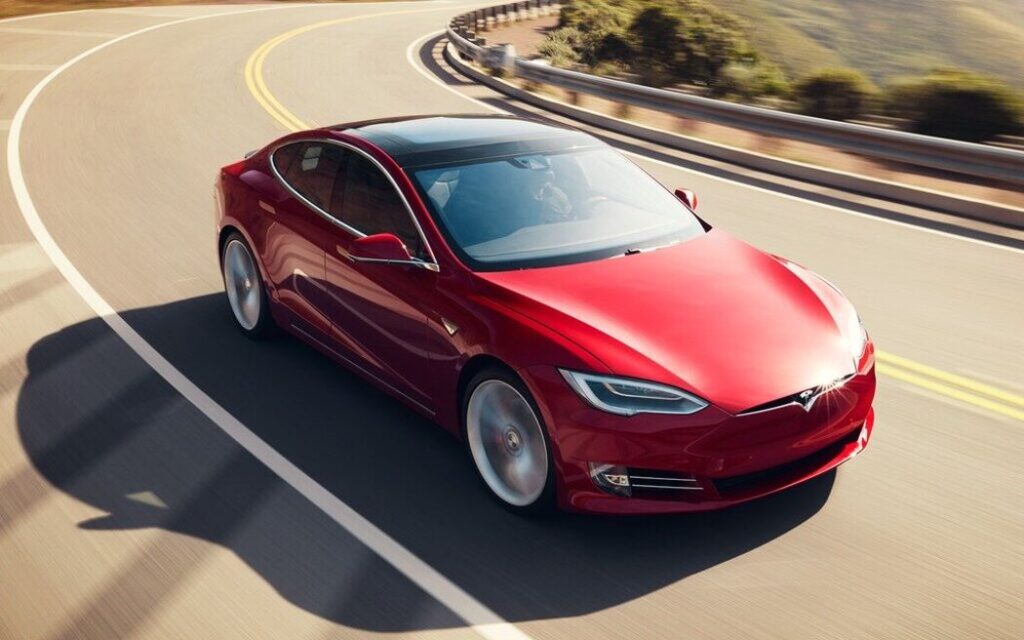

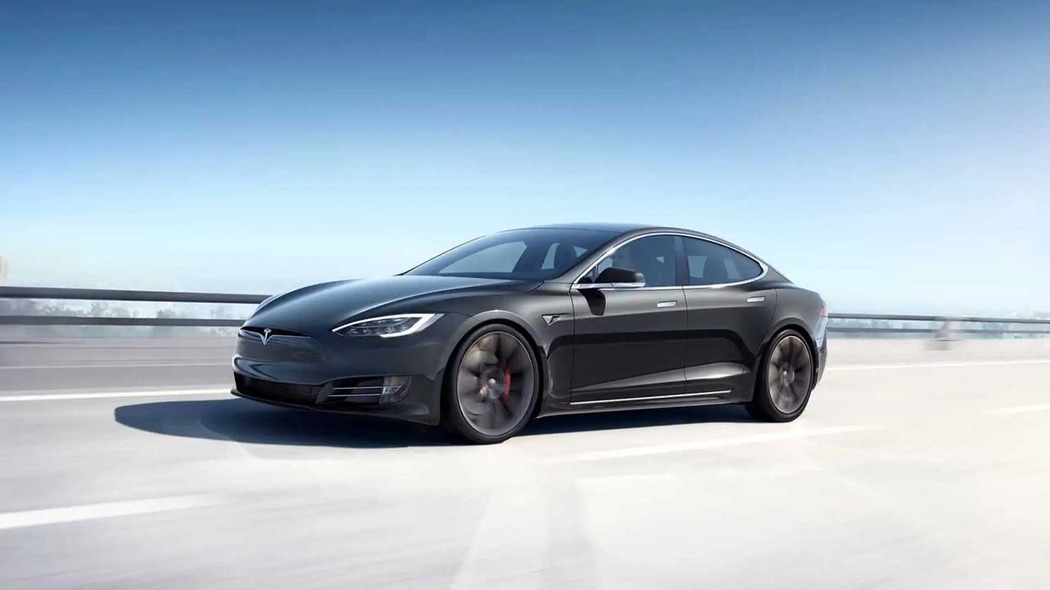
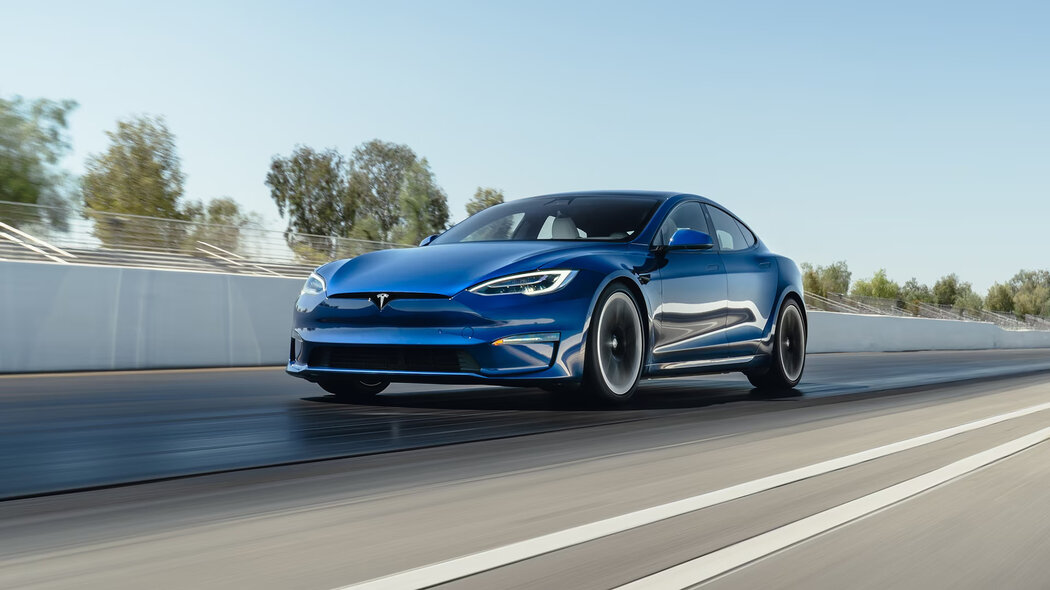
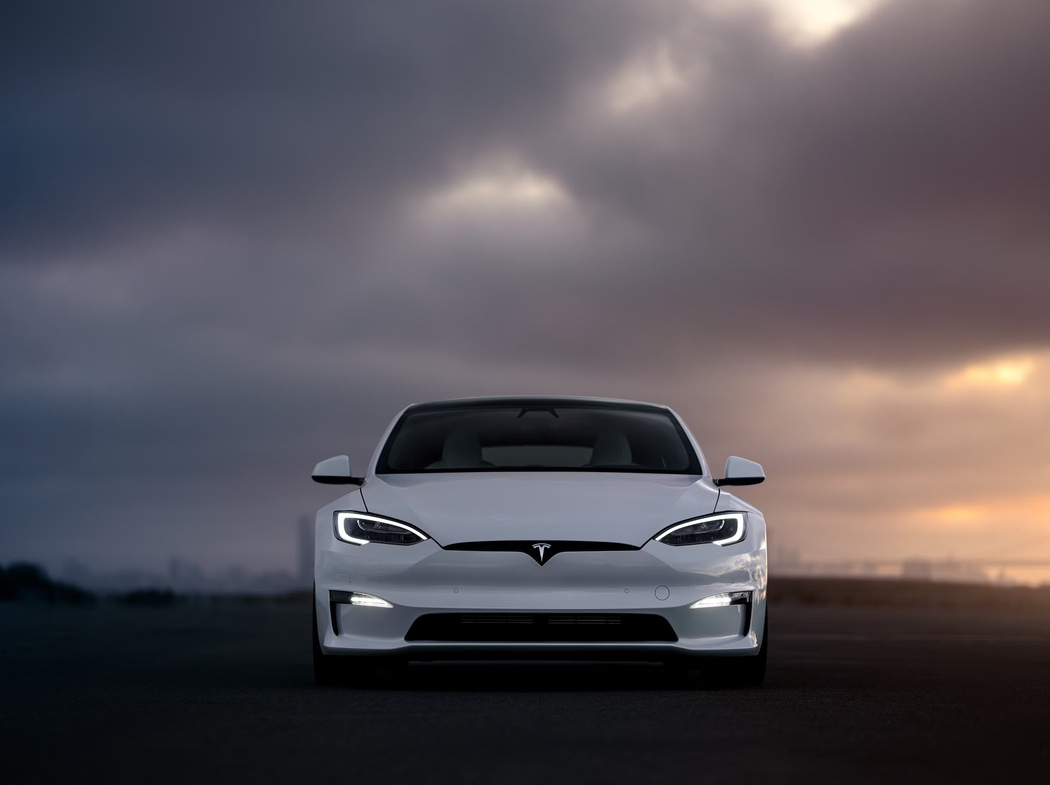

Image: Tesla Model S
The Tesla Model S didn’t just raise the bar—it launched it into orbit. Since 2012, it’s shown the world that luxury, performance, and sustainability can live in the same garage.
With zero tailpipe emissions, it’s as clean as it is fast. A top range of 405 miles per charge means you can go the distance—without ever stopping for gas. And the dual-motor electric powertrain? Silent, instant torque with sports car DNA.
Inside, Tesla uses recycled materials and builds each car with sustainability in mind. The over-the-air updates keep the Model S improving long after it leaves the factory.
Still in production and getting smarter every year, the Model S isn’t just an EV—it’s the benchmark for clean performance.
Key Features:
- Long Range on a Single Charge
- High-Performance Electric Powertrain
- Sustainable Manufacturing Practices
- Zero Tailpipe Emissions
1. Toyota Prius


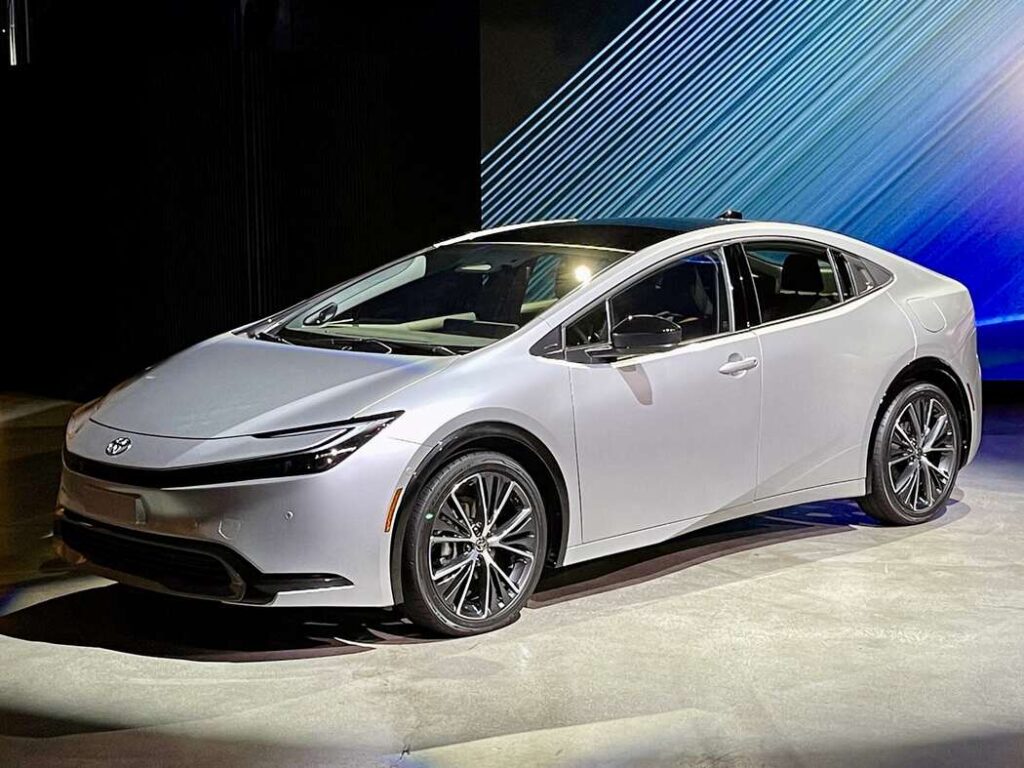
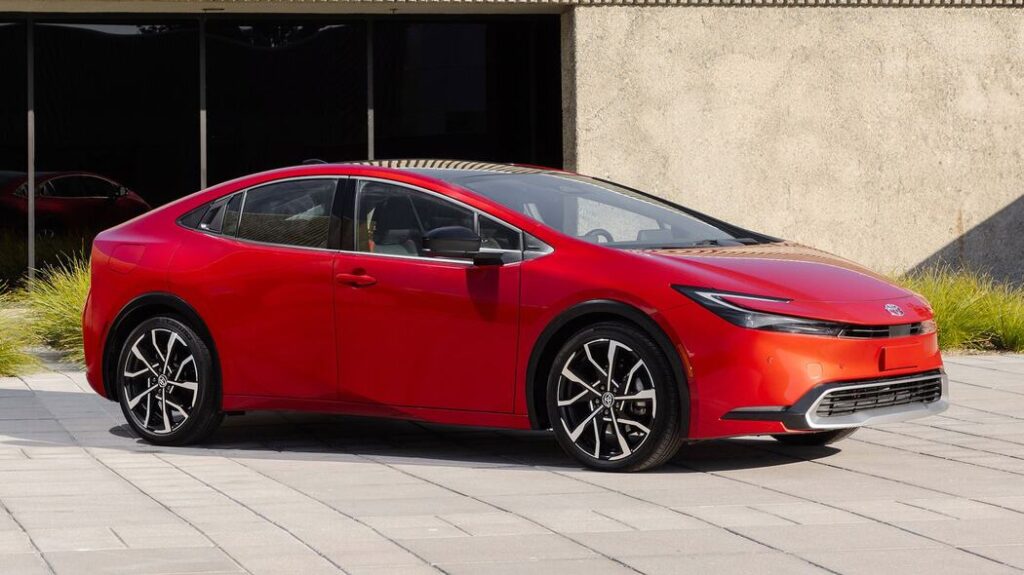

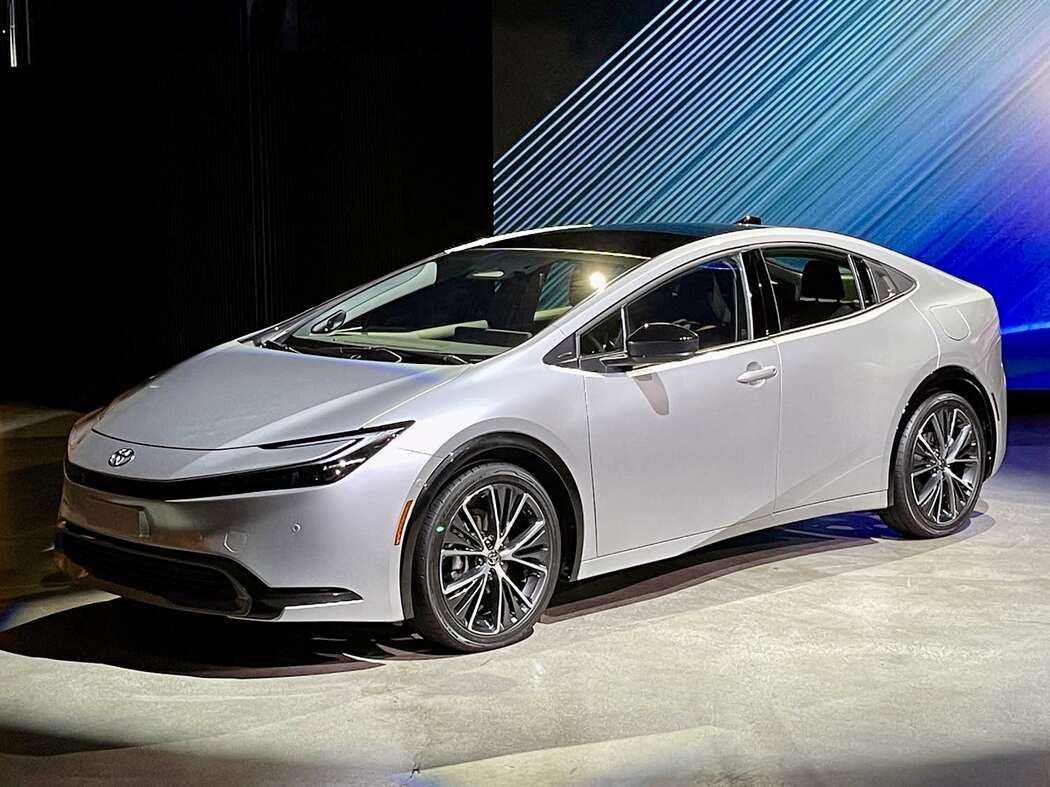
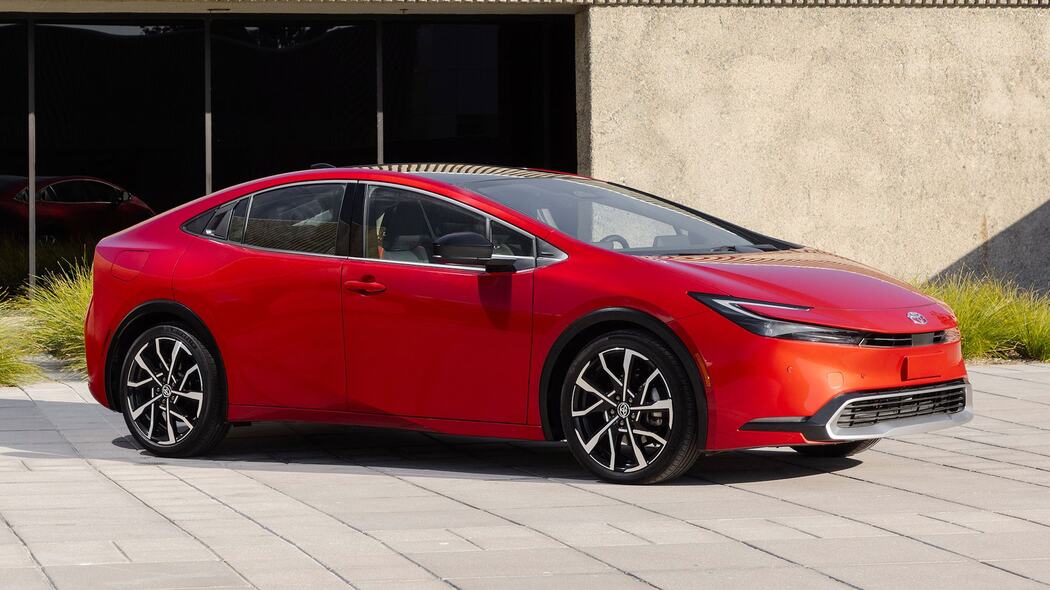
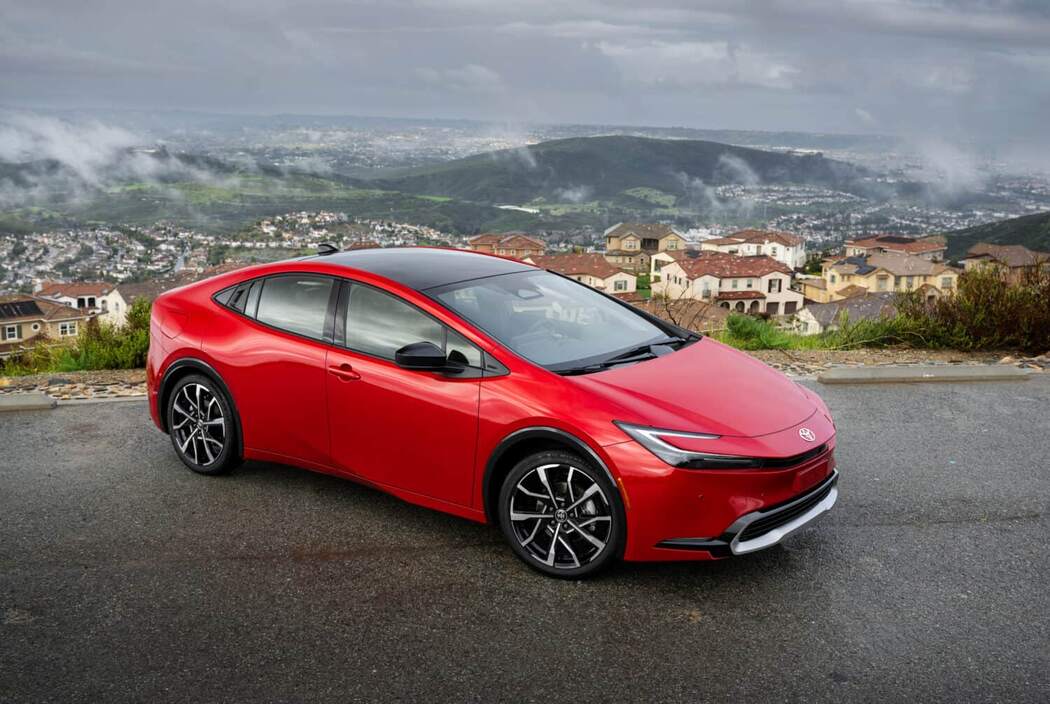
Image: Toyota Prius
The Toyota Prius didn’t just change the game—it started it. Launched in 1997, it became the first mass-produced hybrid, turning clean driving from a dream into a driveway reality.
With 50+ mpg fuel efficiency and ultra-low emissions, it helped millions shrink their carbon footprints without ditching daily convenience. For many, it was the first real step toward greener living.
Toyota built the Prius using recycled and eco-friendly materials, proving sustainability isn’t just about the drive—it’s about the build, too.
Still in production and constantly evolving, the Prius is more than a car—it’s a symbol of progress. If you’ve ever thought of going green, odds are, the Prius crossed your mind first.
Key Features:
- Hybrid Powertrain with High Fuel Efficiency
- Low Emissions Vehicle
- Use of Recycled and Eco-Friendly Materials
- Mass Market Adoption of Hybrid Tech
Final Take
Let’s be real for a second—no car is 100% clean. Even electric vehicles, often praised as the saviors of the planet, come with baggage. They run on electricity, and that electricity? It doesn’t always come from windmills and sunshine. In many parts of the world, it’s still generated by burning coal, gas, or other fossil fuels. So yes, switching to EVs reduces tailpipe emissions, but the power behind the plug still matters.
Battery production also isn’t spotless. Mining lithium, cobalt, and nickel leaves environmental scars and raises ethical concerns. And yet—despite all this—EVs are a step forward. They offer a cleaner ride when powered by cleaner energy, and they push innovation toward more sustainable solutions.
The real win isn’t just owning an EV—it’s building a smarter system around it. Cleaner grids, better recycling, smarter transportation habits. These cars aren’t the finish line—they’re part of the journey. And that journey isn’t just about switching fuels—it’s about rethinking how we move, produce, and live.
So, are EVs perfect? No. But are they better than doing nothing while the air gets thicker and the ice keeps melting? Absolutely.